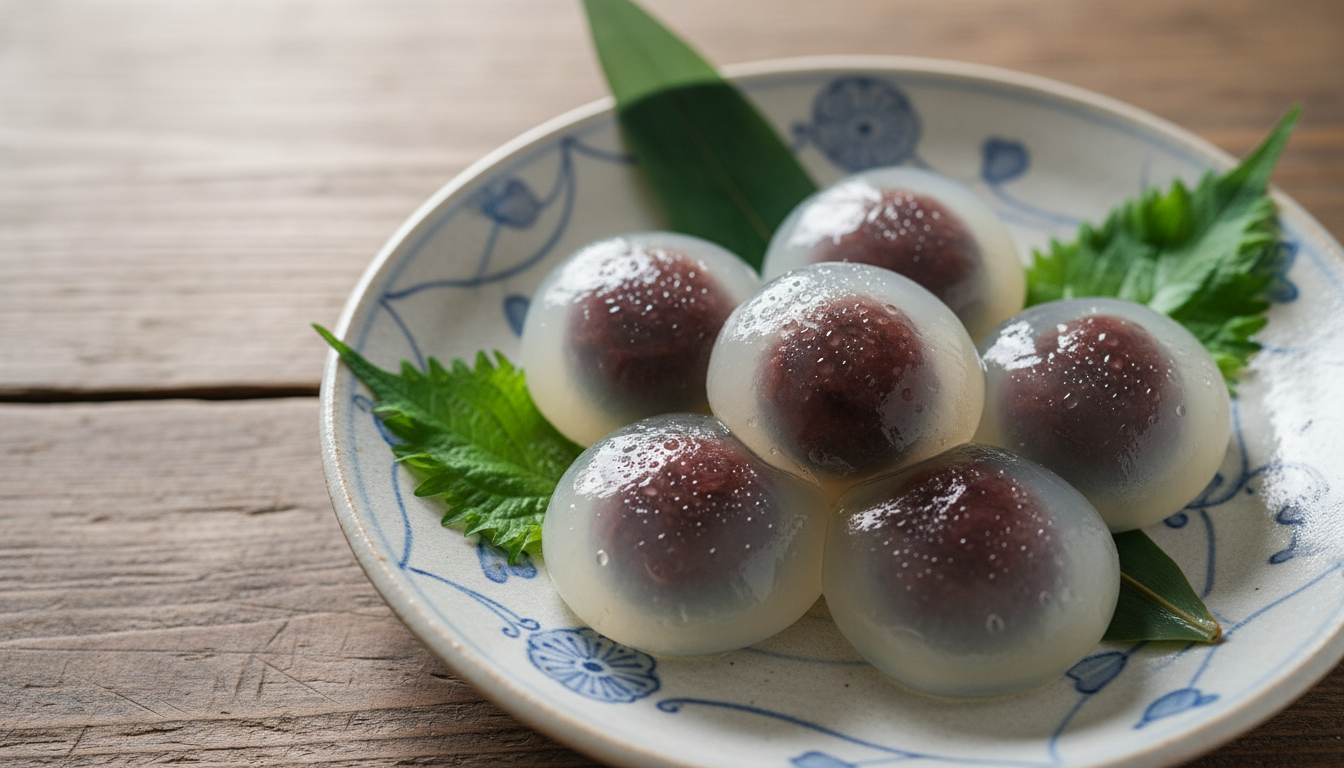
水まんじゅうの作り方|透明に仕上げる葛粉の選び方と加熱
暑い季節が訪れると、和菓子屋の店頭に涼やかな水まんじゅうが並びます。透明感のある美しい見た目と、ひんやりつるんとした食感。夏の風物詩として長く親しまれてきたこの和菓子は、粉の選び方と加熱の仕方で透明感も食感も変わります。
暑い季節が訪れると、和菓子屋の店頭に涼やかな水まんじゅうが並びます。透明感のある美しい見た目と、ひんやりつるんとした食感。夏の風物詩として長く親しまれてきたこの和菓子は、粉の選び方と加熱の仕方で透明感も食感も変わります。
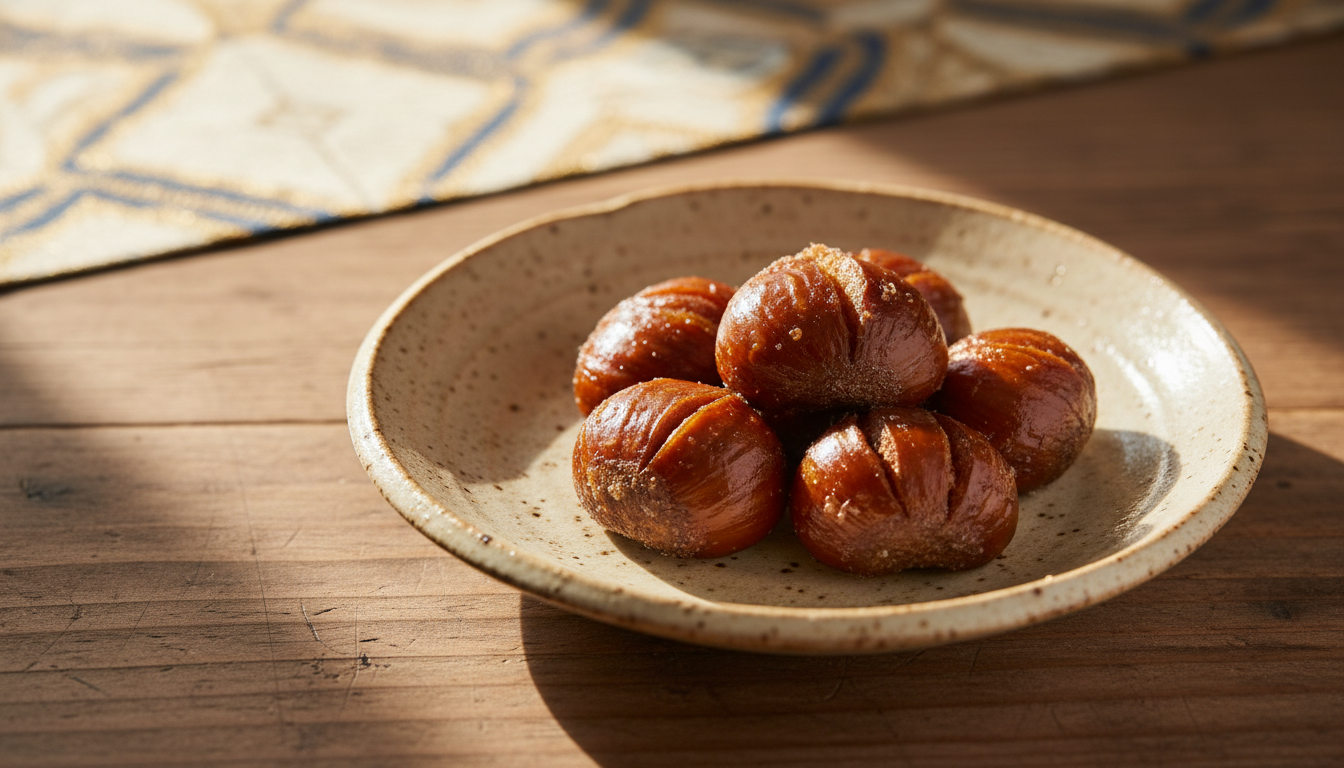
Chestnuts, beloved as a taste of autumn. Among them, shibukawa chestnut kanroni is a luxurious wagashi ingredient that brings out the chestnut's natural flavor to the fullest. Shibukawa chestnut kanroni is made by removing only the hard outer shell of the chestnut and simmering it in syrup while leaving the astringent inner skin (the brown, wrinkled layer) intact.
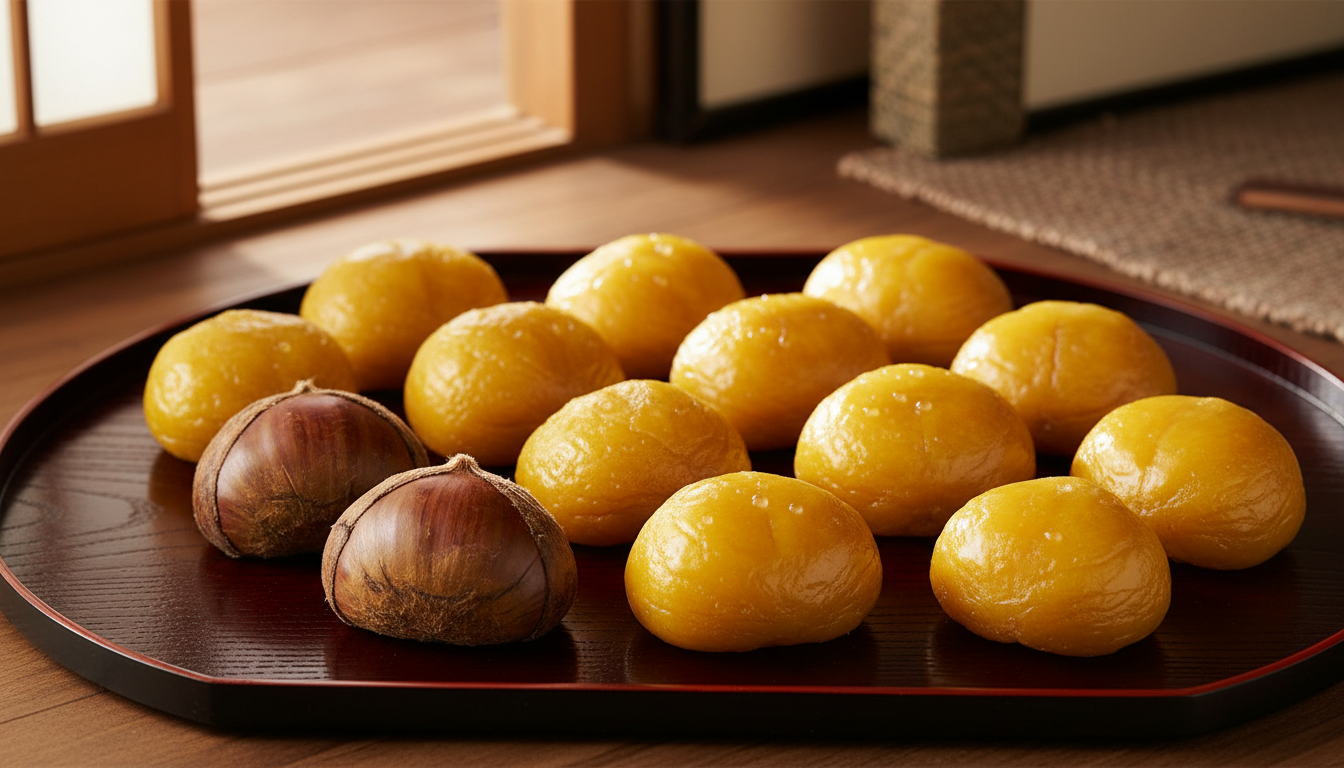
In the world of wagashi, kanroni made with chestnuts is indispensable. Yet even under the single name "marron kanroni," the types are remarkably diverse—with inner skin, peeled, cut, and more. Each has different characteristics, and using them appropriately for each purpose greatly changes the perfection of the wagashi.
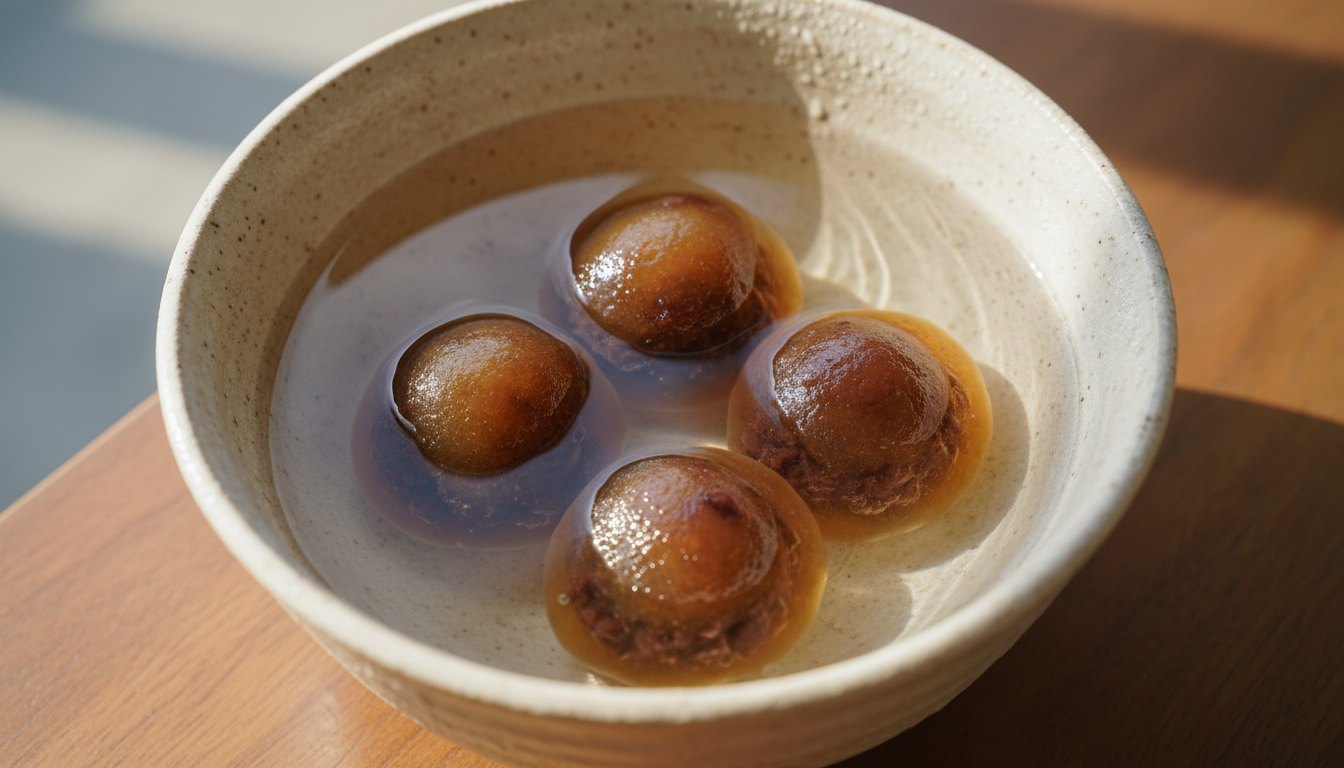
Warabi manju is a cool wagashi in which an is wrapped in a translucent dough. Made with genuine warabi starch or kuzu starch, its appeal lies in a chewy texture and beautiful appearance. As a summer tradition, it is loved at many wagashi shops.
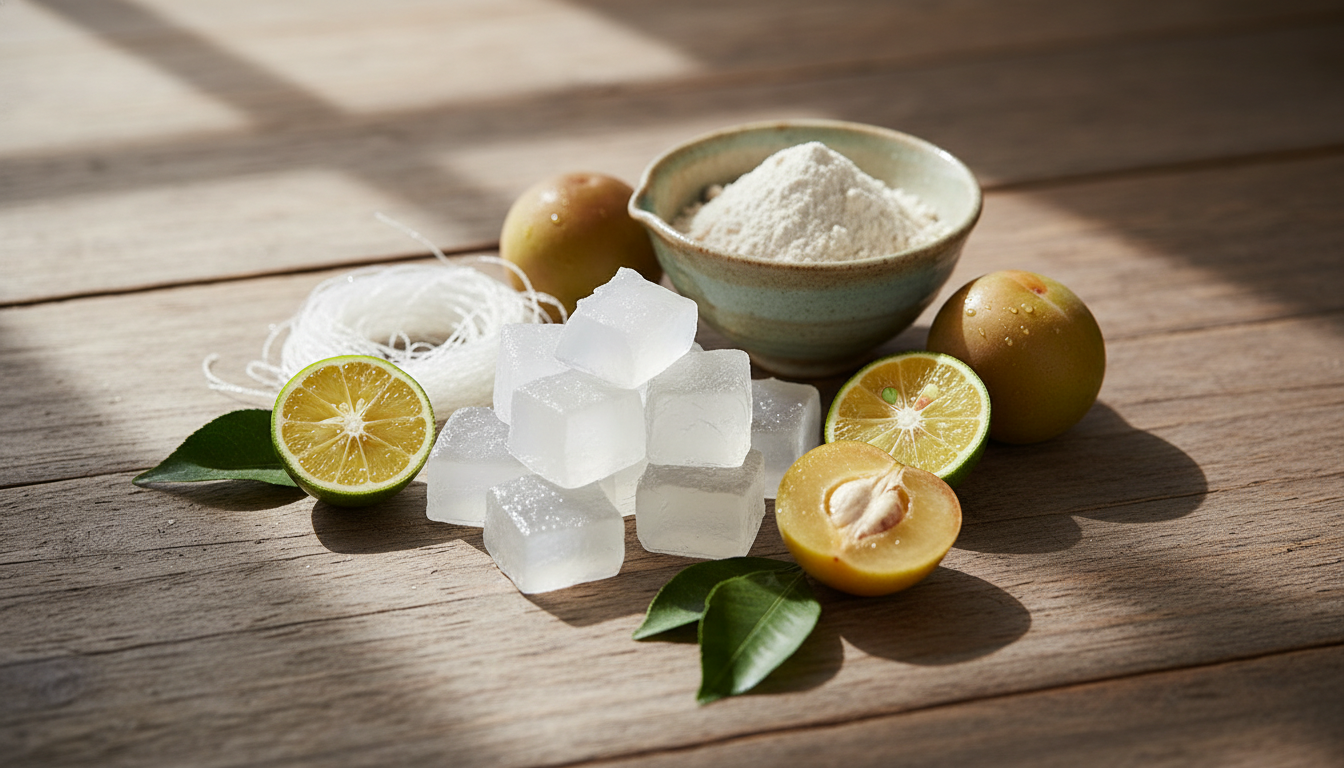
夏の和菓子では、見た目と食感で涼しさを出すことが求められます。透明感やみずみずしい食感をもつ素材を使うことで、視覚的にも味覚的にも爽やかさを表現できます。 特に注目すべきは、本蕨粉、本葛、寒天といった伝統的な素材たち。
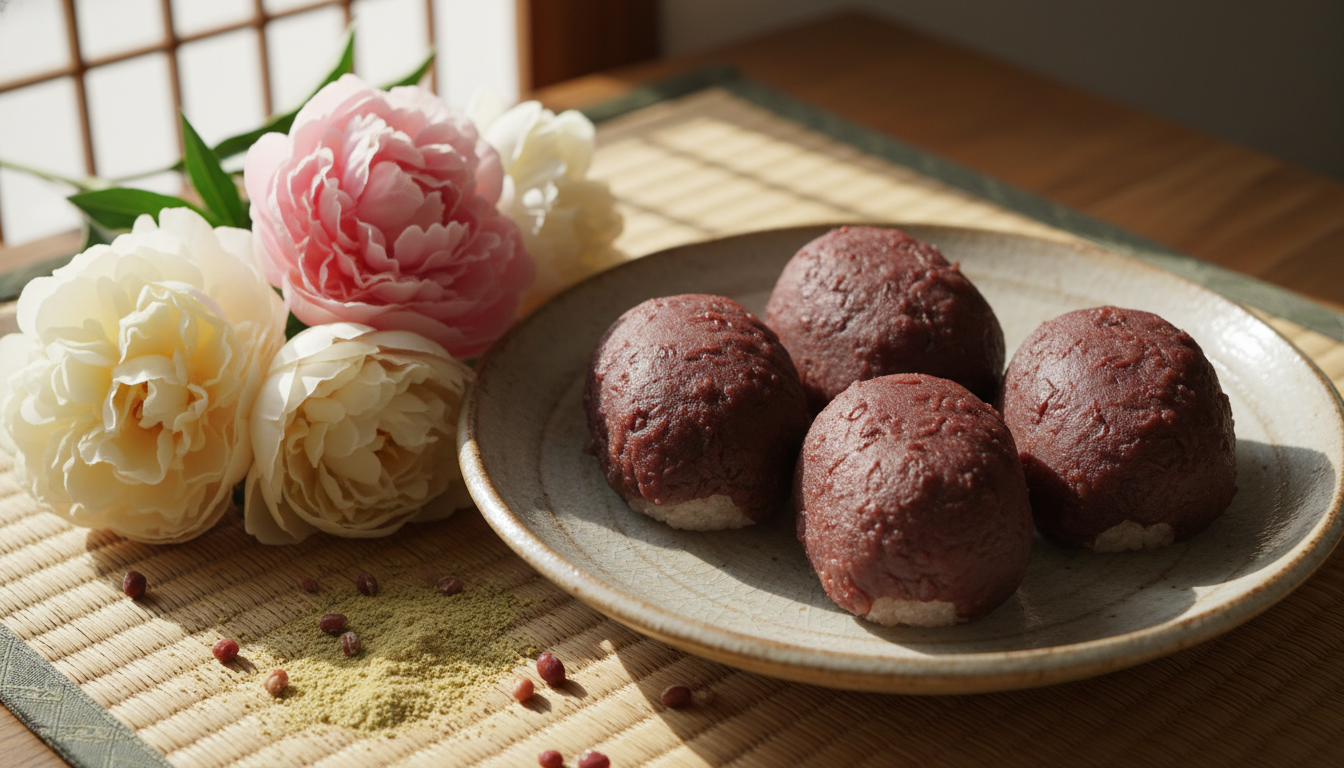
Botamochi is a traditional Japanese wagashi essential to the spring equinox (higan). Named after the botan (peony) flower, this wagashi is made by coating a mochi-rice dough with adzuki-bean an.
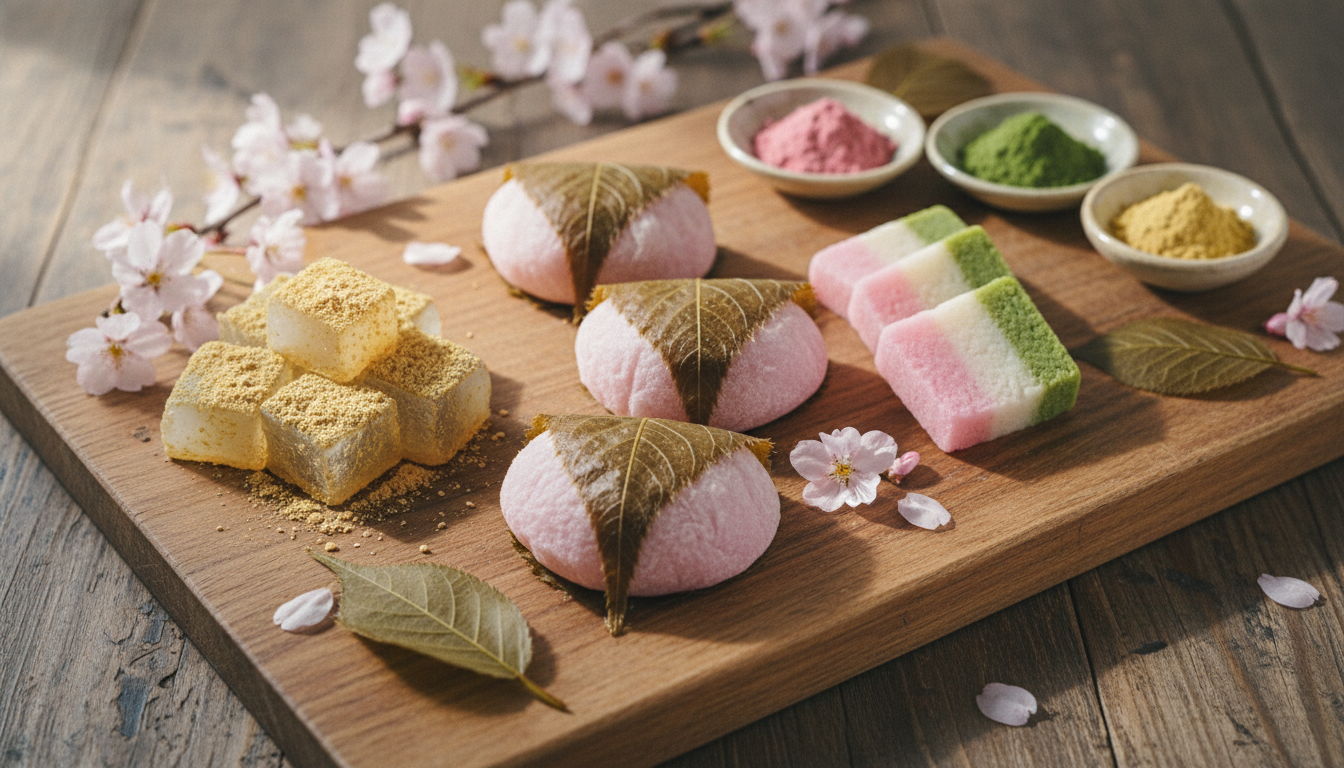
On this day, which wishes for the healthy growth of girls, gorgeous wagashi are essential. The three colors of hishi mochi, the pale peach of sakura mochi, the gentle sweetness of shirozake—these wagashi make the Hinamatsuri table special not only through visual beauty but also through flavors and fragrances that herald the arrival of spring.
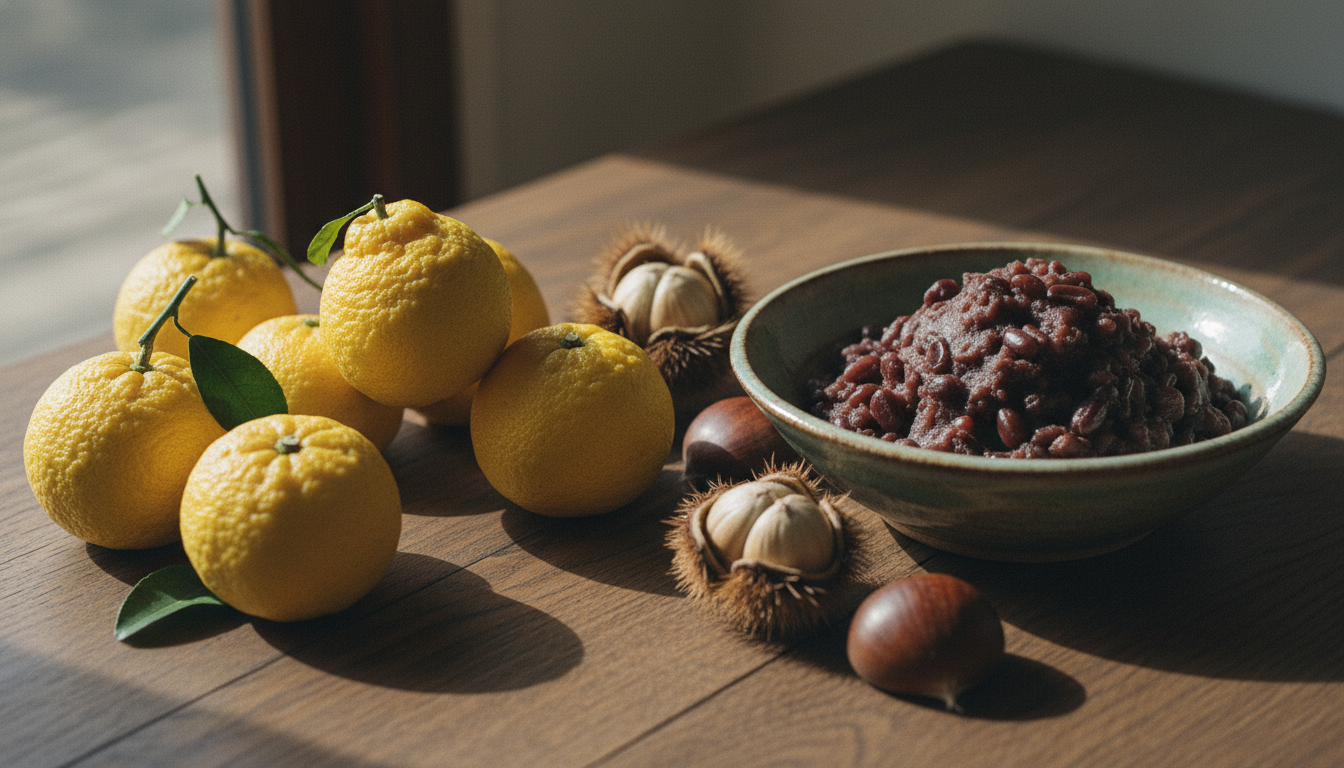
Making winter wagashi calls for materials unique to the season. The refreshing aroma of yuzu, the refined sweetness of adzuki beans, the mealy texture of chestnuts—these winter materials offer flavors that shine precisely because of the cold season.
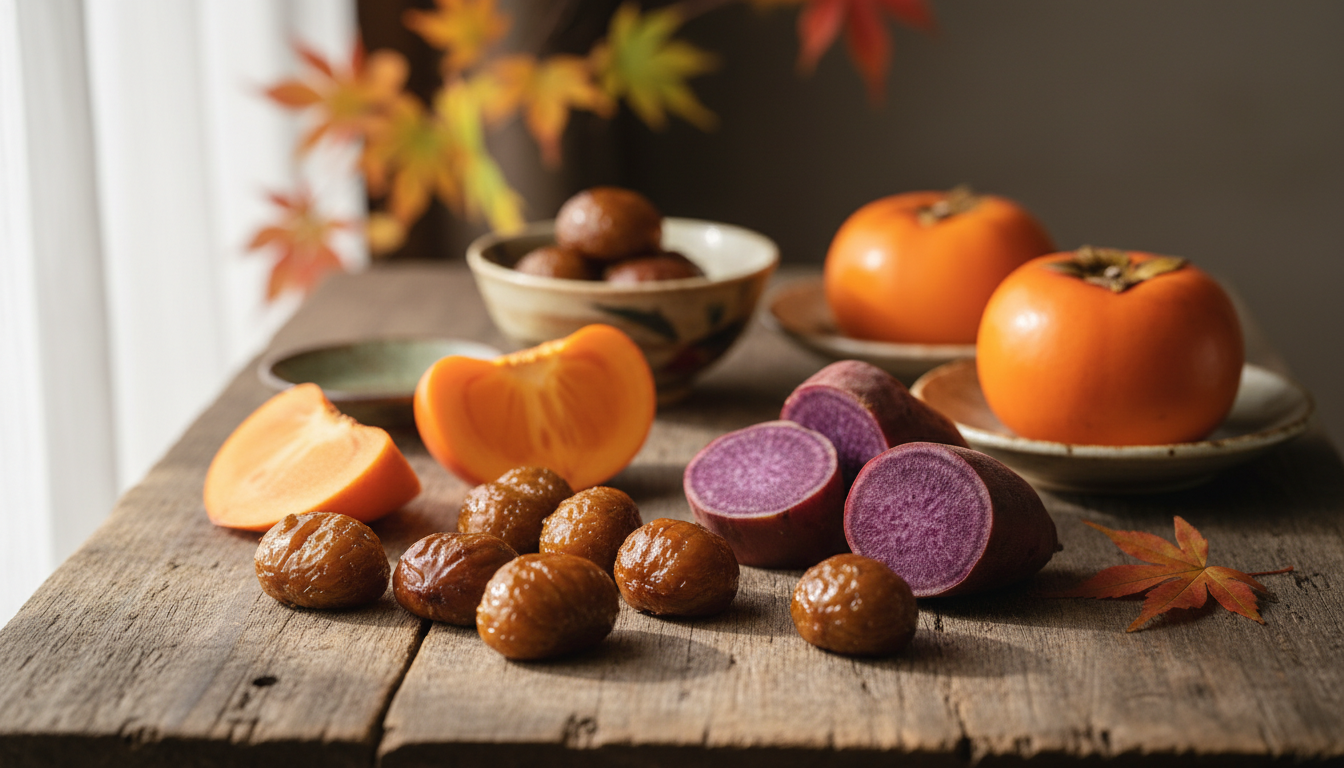
For wagashi artisans, autumn is the season that most stirs the creative spirit. When autumn's flavors—chestnuts, sweet potatoes, persimmons—begin to appear at storefronts, anticipation grows for making wagashi with them.
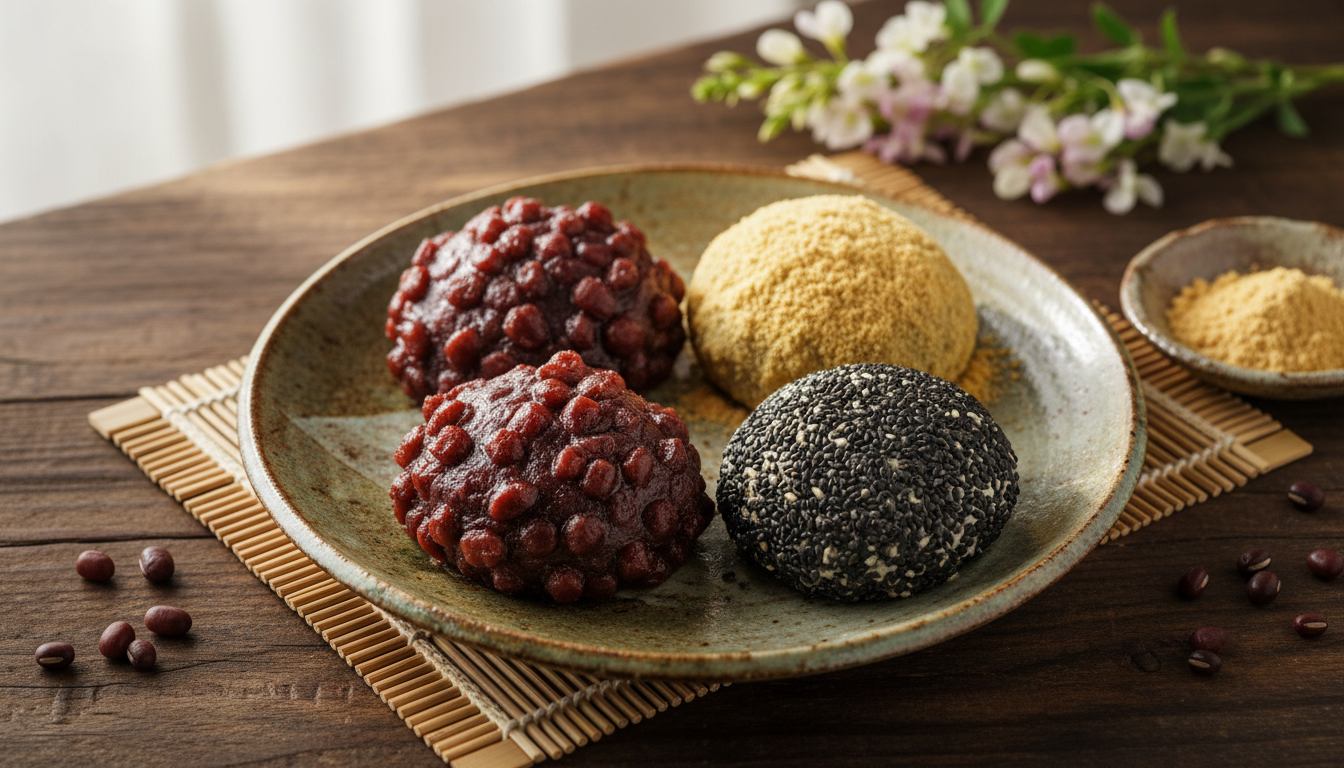
During the Higan season, more wagashi shops and households make ohagi and botamochi by hand. But did you know that choosing the wrong ingredients can greatly change the texture and flavor?
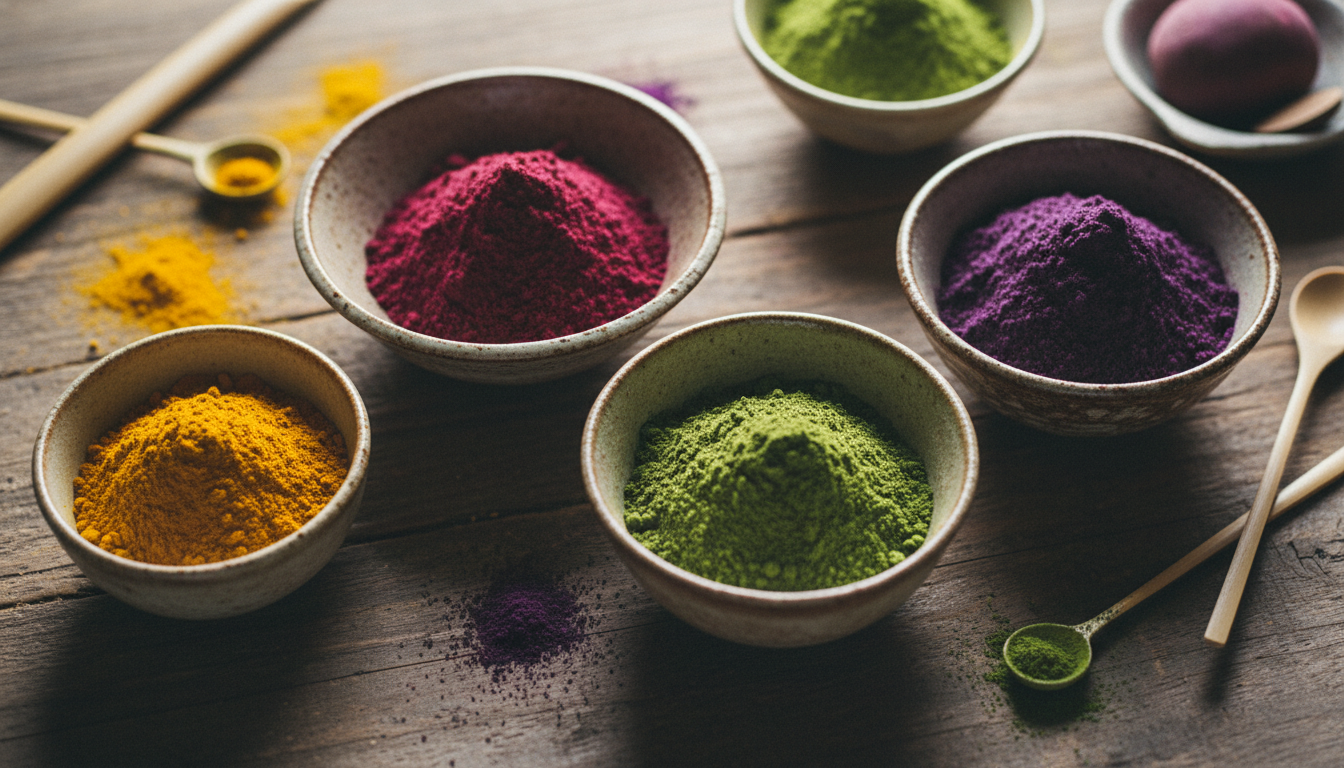
和菓子の美しさは、その繊細な色合いにあります。 春の桜餅のピンク、夏の水菓子の涼やかな青、秋の栗きんとんの黄金色。こうした色には、天然着色料も合成着色料も使われています。
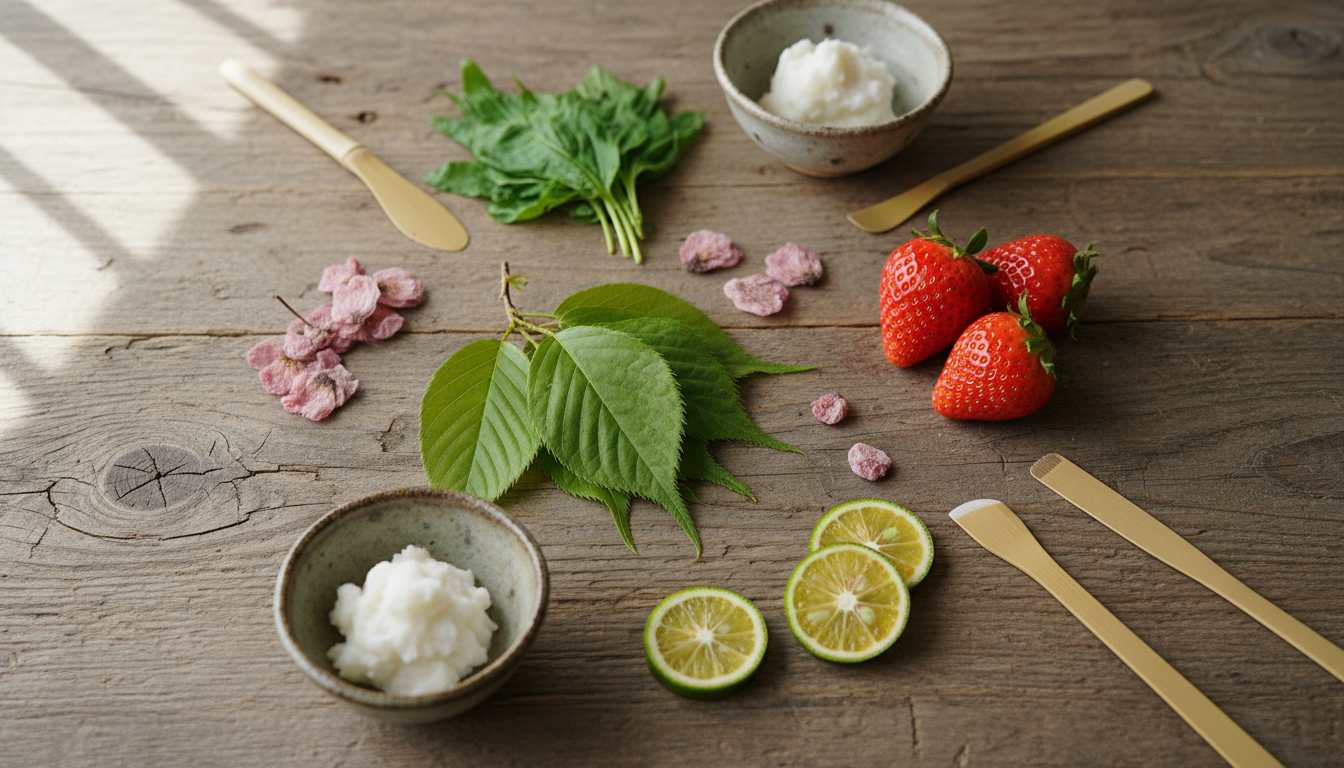
Spring—when cherry blossoms bloom and fresh greenery buds. There are wagashi ingredients you can enjoy precisely because of this season. Cherry leaves, cherry blossoms, mugwort, strawberries, and other spring-only materials bring vibrant color and fragrance to wagashi.


