副産物を、未来の素材へ
The Cacao Alternative Project.
With a material born from the roasting process of soybean coffee, we open up the future of confectionery.
Starting craftsmanship
from what is left behind.
Cacao Project
The Soybean Roastery’s
Overview of the Initiative
Overview of the
Cacao Project
- Supply to Food Manufacturers
- Development of Cacao Alternative Materials
- Turning Soybean Residue into Material
- Roasting Soybean Coffee
Roasting Soybean Coffee
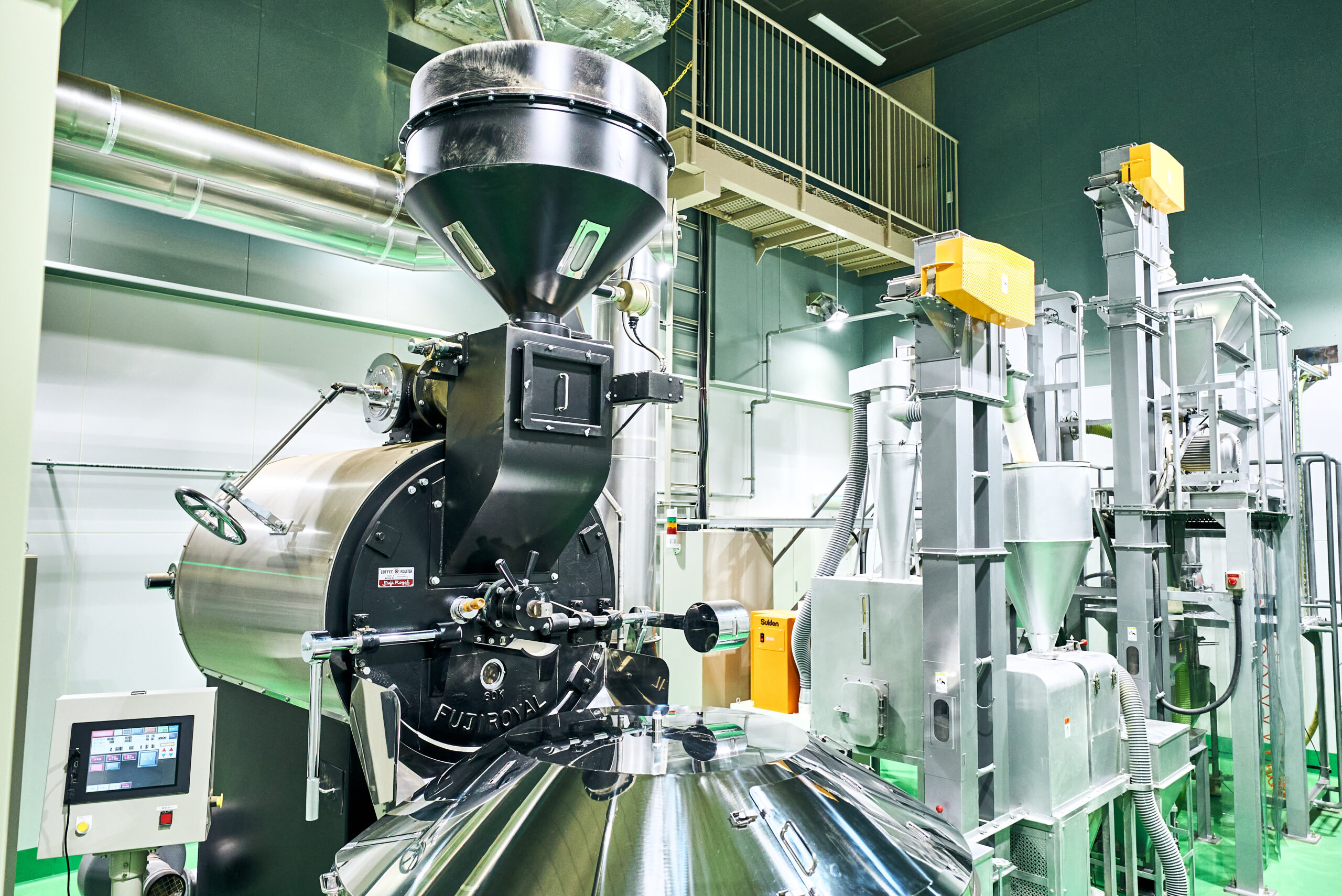
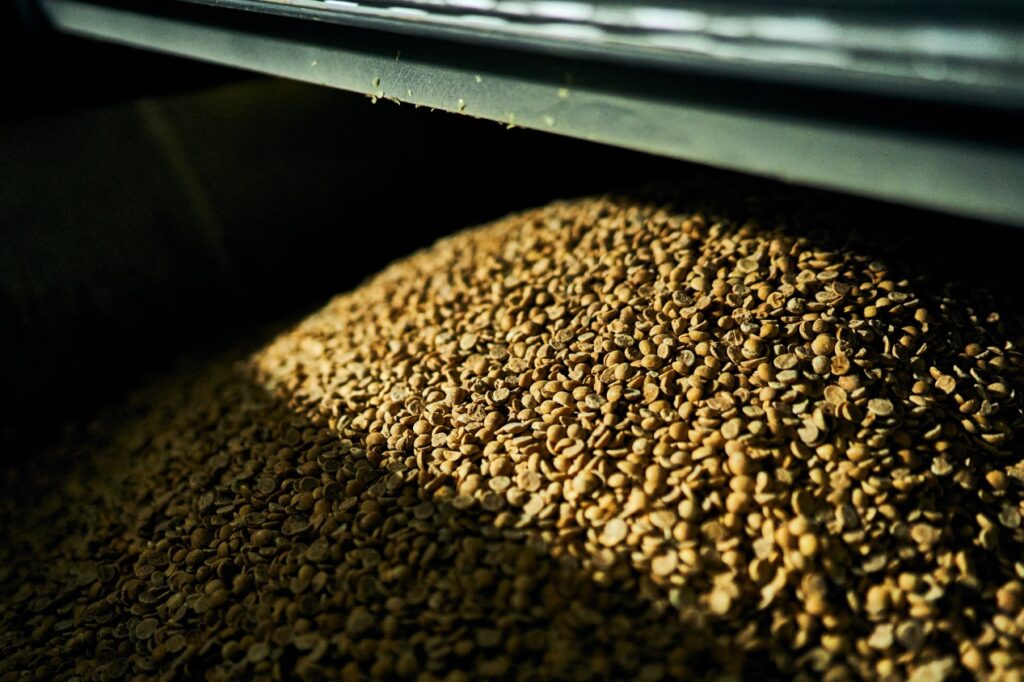
At the soybean roastery, we roast domestic soybeans with dedicated equipment to produce caffeine-free soybean coffee, drawing out the ingredient’s natural aroma.
Turning Soybean Residue into Material
大豆珈琲の製造工程で残る豆粕を、そのまま終わらせず、新しい食品素材として活用する取り組みを進めています。
Development of Cacao Alternative Materials
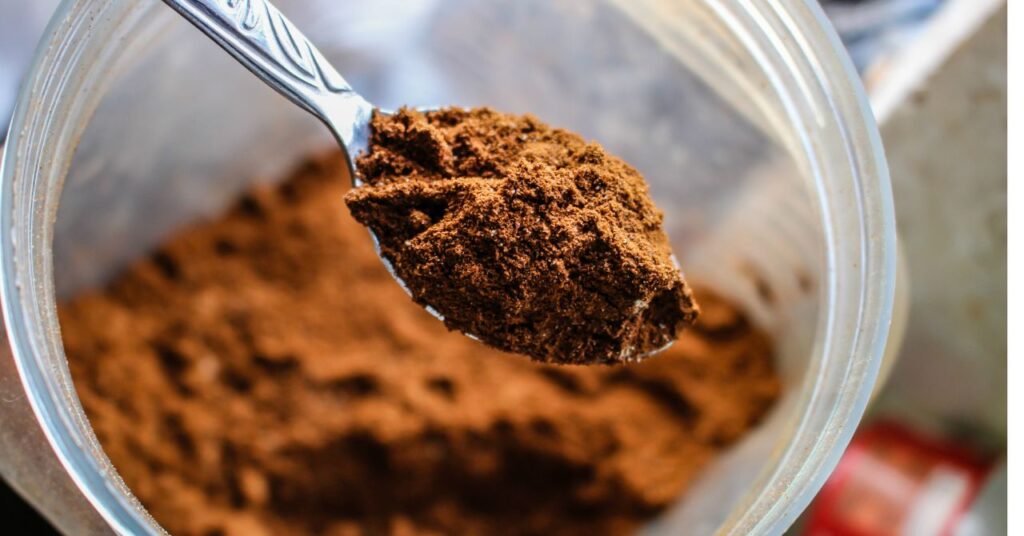
微粉の粒度を整え、カカオに近い風味と色合いをもつ菓子原料へと仕上げています。
Supply to Food Manufacturers
パウダーの形で、チョコレートや焼き菓子、ドリンクなどの商品開発にご活用いただけます。
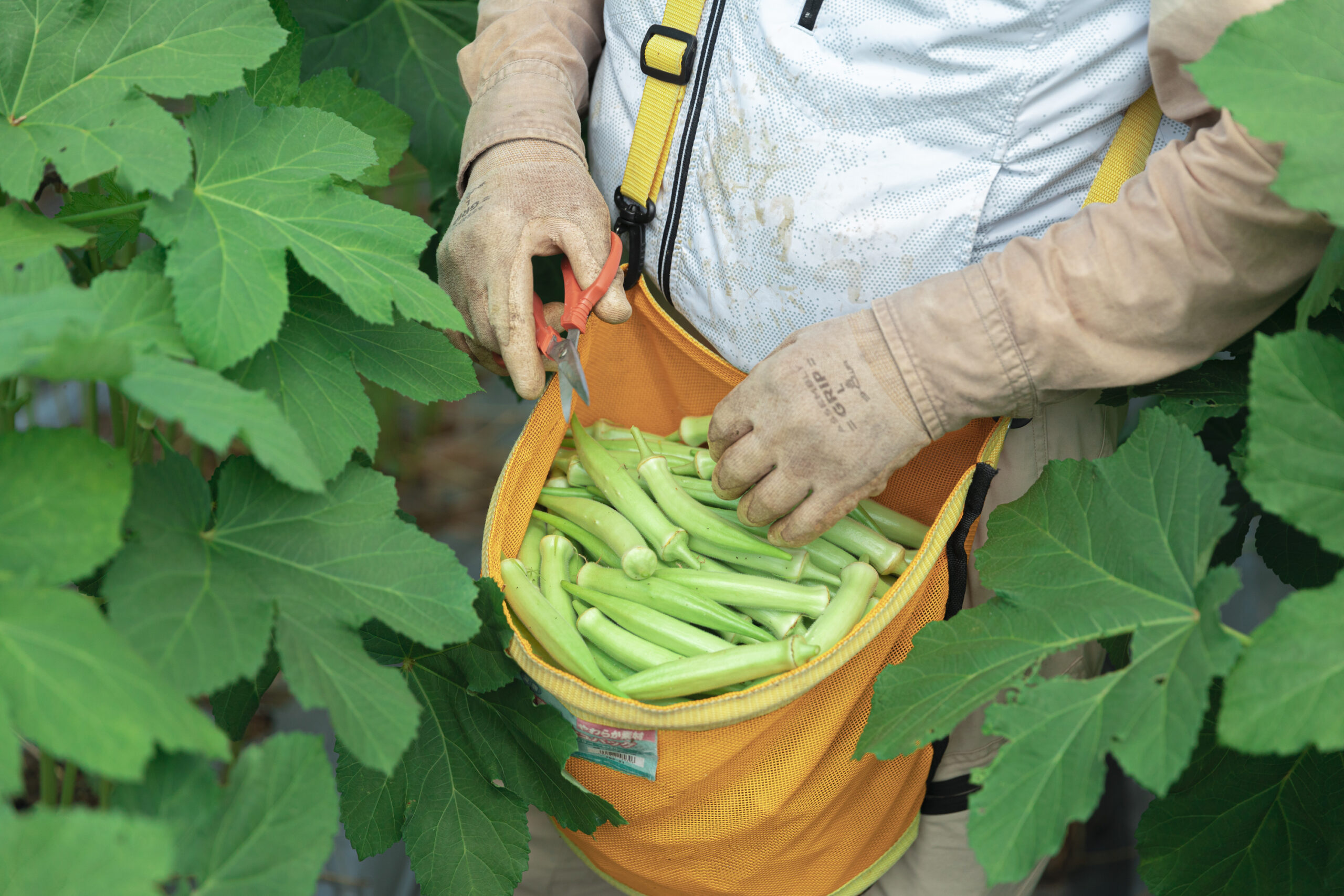
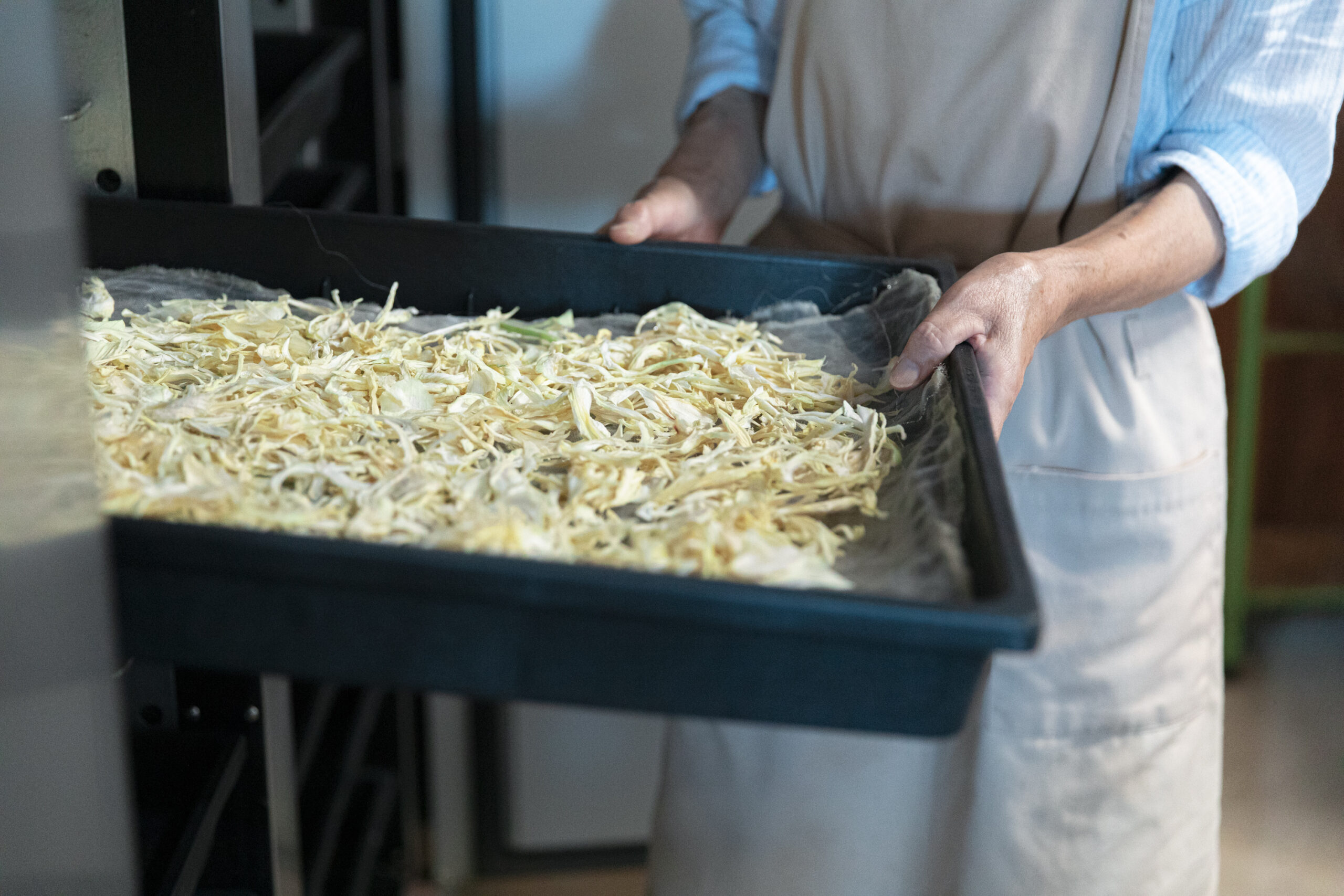
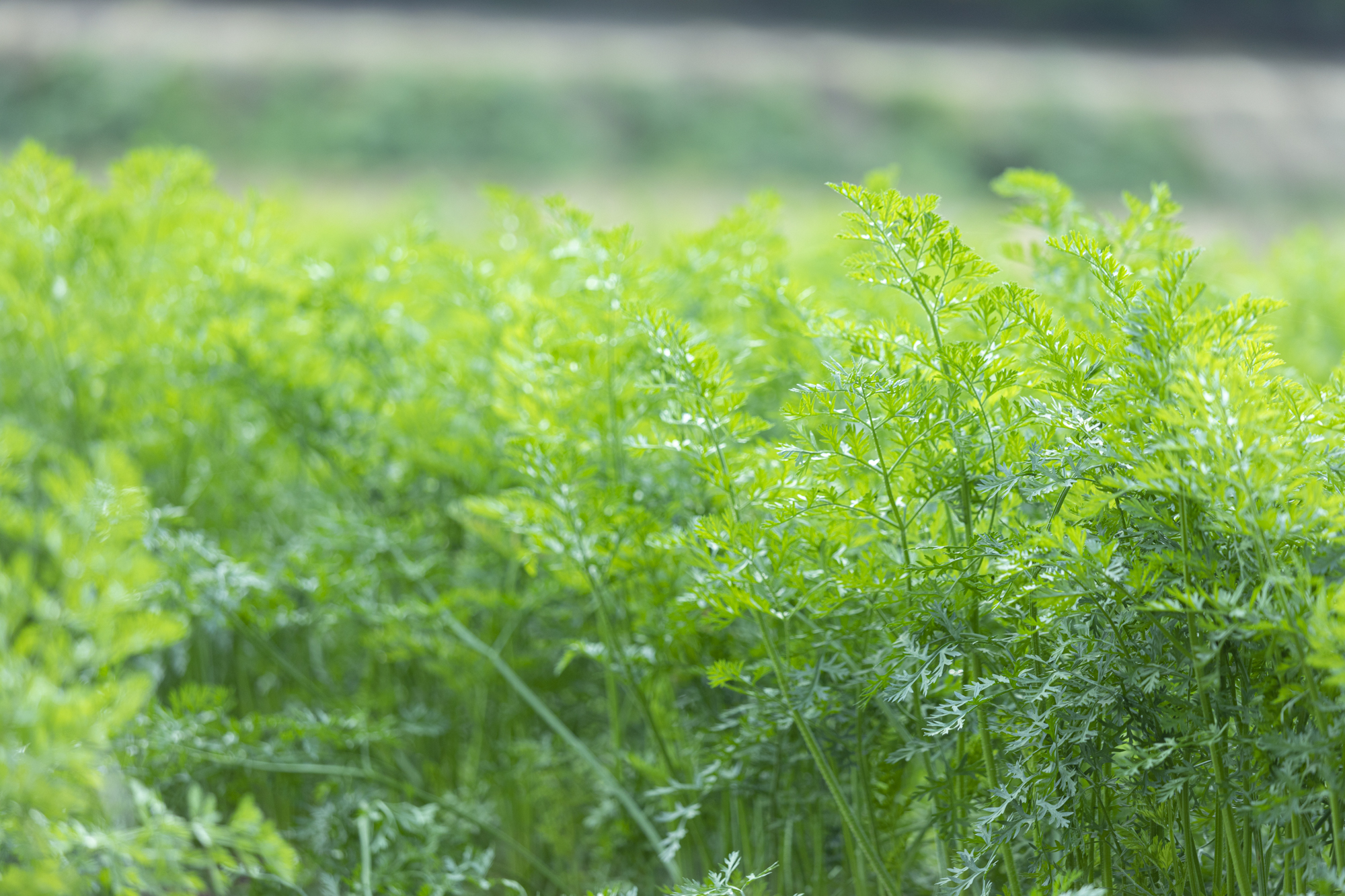


Overview of Wa (Japanese) Cacao Products
和のカカオは、大豆珈琲をつくる際に生まれる副産物からできています。 職人が微粉の状態や香りの残り方を見極めながら粒度を整え、菓子に合う風味と深い色合いを引き出していきます。 美濃与の焙煎所では、チョコレートや焼き菓子、ドリンクなどへとつながる素材の出発点として、 もったいないことをしない素材づくりにこだわり続けています。
A Dedicated Soybean Roasting Line
Equipped with a dedicated soybean roasting line, enabling the optimal roast for each variety and application. Equipped with a dedicated soybean roasting line, enabling the optimal roast for each variety and application.
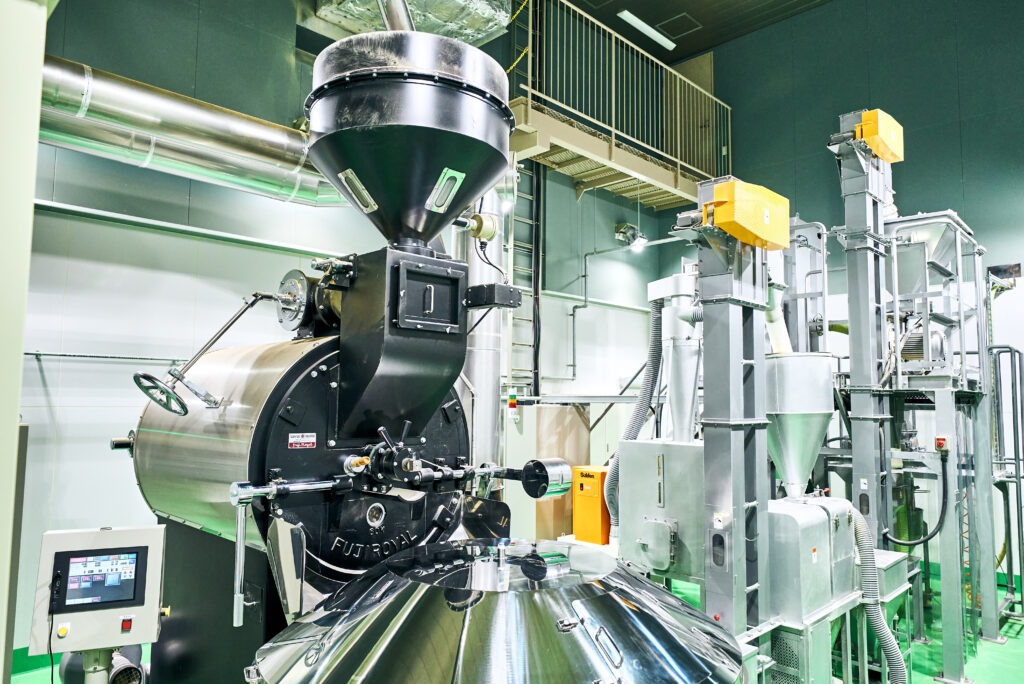
Integrated System from Manufacturing to Shipping
焙煎から粉砕まで一貫対応できる社内体制。焙煎から粉砕まで一貫対応できる社内体制。
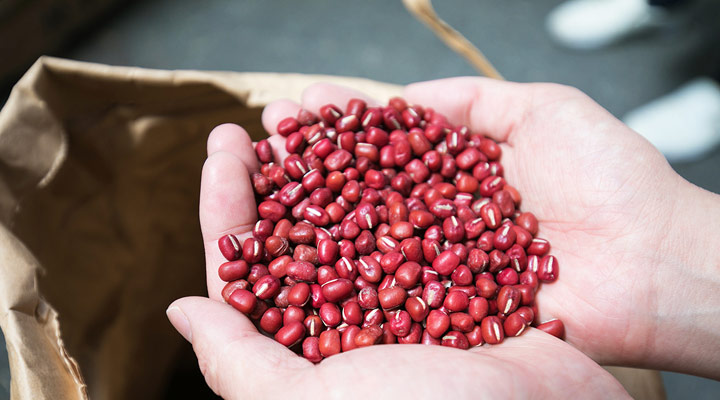
Roasting Technology That Draws Out the Umami of Soybeans
Roasting technology that, centered on domestic soybeans, draws out the ingredient’s natural aroma and umami. Roasting technology that, centered on domestic soybeans, draws out the ingredient’s natural aroma and umami.
Soybean-Related
Original Products
Original Product
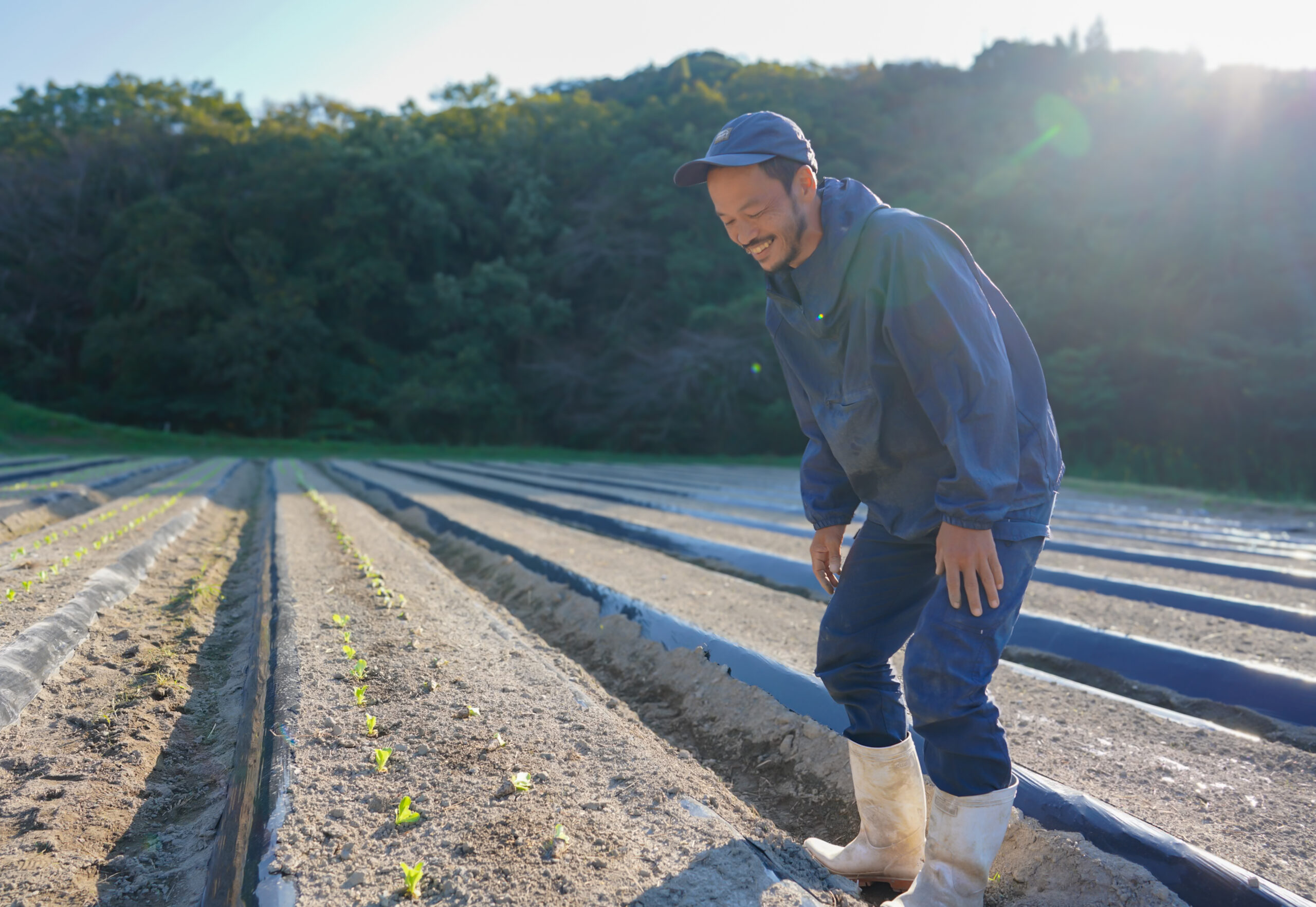
大豆を育てることは、原料をつくることではなく、 自然とともに生きる“ものづくりの原点”を見つめ直すこと。 試験的に京都・南丹の畑で、社員が自らの手で種をまき、 土を耕し、陽の光と風に包まれながら、大地の力で育てています。 そうして感じたものづくりの大切さをもとに、大豆の焙煎・製粉を経て、きな粉や大豆出汁、珈琲など商品に姿を変えます。 美濃与は、製造、そして製品化までを一貫して行うことで、 素材の命の流れをまっすぐに見つめています。 どこで、誰が、どんな想いで育てたのか。 その背景までも感じられる“食のものづくり”を大切にしています。 この大豆プロジェクトには、 減少傾向にある大豆・あずき農家を支えたいという想いも込められています。 自ら畑に立ち、地域の人々と協働し、 「つくる楽しさ」と「食べるよろこび」を次の世代へつなげていく。 一粒の大豆から、未来を耕す。 それが、美濃与の大豆プロジェクトです。この大豆プロジェクトには、 減少傾向にある大豆・あずき農家を支えたいという想いも込められています。 自ら畑に立ち、地域の人々と協働し、 「つくる楽しさ」と「食べるよろこび」を次の世代へつなげていく。 一粒の大豆から、未来を耕す。 それが、美濃与の大豆プロジェクトです。
Soybean Coffee
A caffeine-free grain coffee made by grinding and brewing roasted soybeans. Distinguished by its fragrant, mellow flavor, it is gentle on the body and can be enjoyed with peace of mind before bed or during pregnancy.
View the Product Page →
Black Soybean Coffee
A caffeine-free coffee made with roasted domestic black soybeans. The fragrance characteristic of black soybeans and a faint sweetness spread through it, making it a cup recommended for relaxing moments and for those mindful of their health.
View the Product Page →
Soybean Dashi
A gentle, umami-rich plant-based dashi that makes the most of the fragrance of roasted soybeans. Using no animal-derived ingredients, it adds a natural richness to miso soup, simmered dishes, and Japanese cuisine in general.
View the Product Page →
Warabi Mochi
A wagashi with a smooth, melt-in-the-mouth texture made with hon-warabi-ko. Making the most of the ingredient’s flavor, it pairs superbly with kinako and kuromitsu. You can enjoy a cool, refined taste.
View the Product Page →
Other Soybean Roastery Items
Original Products
Original Product
To roast soybeans is not merely to process a raw material, but to face the “origin of craftsmanship” of drawing out the aroma and flavor the bean holds. At the soybean roastery, drawing on the roasting and milling techniques cultivated as a specialty store of Kyoto confectionery raw materials, we have given form to new flavors of soybean, centered on kinako making. The fragrance and deep flavor born from roasting change greatly depending on the soybean variety, place of origin, and roasting method. Carefully discerning those differences, we deliver as products not only kinako but also the flavors born from roasting beans, such as soybean coffee and soybean dashi. We look not only at soybeans as a raw material but also at the farmers and regional landscapes behind them. Where they grew, and how they were harvested. Valuing the background of each and every bean, we connect them, through roasting and manufacturing, to new forms of food. The soybean roastery’s original products carry the wish to expand the possibilities of the bean and the desire to convey the value of the ingredient into the future. While valuing the tradition of kinako, we will propose the appeal of soybeans in various forms.
Soybean Coffee
Black Soybean Coffee
Soybean Dashi
Minoyo Kinako (roasted soybean flour)
Roasting Soybeans Is
Facing the Bean—
the Work of “Inquiry.”
Soybeans may look the same, but their condition differs from day to day. Humidity, temperature, how the heat penetrates, how the aroma rises—even a slight difference in any of these changes the flavor. Sensing the parts that machines cannot measure, we search for the optimal roast for that day. Adjusting the heat, at the moment the fragrant aroma rises, I can think, “It’s become good beans again today.” That accumulation, I believe, is what creates Minoyo’s flavor.
Look at the Soil, and
You Can Tell This Year’s
Face of the Soybeans.
When I stand in the field, I can somehow tell how the year is going from the smell of the soil. Changes in weather and temperature make the beans grow differently, and even the same field wears a different face each year. That is exactly why you can’t cut corners. You pull the weeds, look at the soil, and tend to them as if talking to them. Soybeans are an honest crop—the care you put in comes straight back to you in the harvest. The staff at Minoyo also stand in the fields with us, so more than anything, I’m glad we can share the joy of “making” together.
For the Future of Wagashi
100 Years from Now,
We Keep Moving Forward.
Soybeans may look the same, but their condition differs from day to day. Humidity, temperature, how the heat penetrates, how the aroma rises—even a slight difference in any of these changes the flavor. Sensing the parts that machines cannot measure, we search for the optimal roast for that day. Adjusting the heat, at the moment the fragrant aroma rises, I can think, “It’s become good beans again today.” That accumulation, I believe, is what creates Minoyo’s flavor.
Request Materials from the Soybean Roastery
Please feel free to reach out with any questions about raw materials or products, or to request materials.
Our dedicated staff will respond with care.