
和菓子の色素はどう表示する?着色料の書き方は由来でなく目的で決まる
和菓子は色で売れる商品です。桜の花紅、練切の草色、羊羹の小豆色。ただし色を付けた瞬間、原材料表示の書き方が決まります。 着色料は「用途名を併記する」区分です。物質名だけを書いて済ませることはできません。何を使ったかで、表示欄に出る文字が変わります。
和菓子は色で売れる商品です。桜の花紅、練切の草色、羊羹の小豆色。ただし色を付けた瞬間、原材料表示の書き方が決まります。 着色料は「用途名を併記する」区分です。物質名だけを書いて済ませることはできません。何を使ったかで、表示欄に出る文字が変わります。

餡の口当たりや作業性を整えるために、酵素や酸を使うことがあります。 ここで購買と品質保証がつまずくのが表示です。同じ原料を入れても、何のために入れたかで表示名が変わります。クエン酸は同じ物質のまま3通りの書かれ方をしますし、酵素にいたっては書かなくてよい場合があります。

きな粉の相談で最初に聞かれるのは、たいてい産地です。ただ、産地を揃えても仕上がりは揃いません。 味と口当たりを決めているのは、焙煎をどこまでかけるかと、皮を外してから挽くかどうかです。この2つは工程の話なので、商品ページの説明文からは読み取れません。

小麦を使わない菓子を作ると、次に出てくるのが表示の相談です。 原料が米なのだから「グルテンフリー」と書けるはずだ、という発想は自然に見えます。ただし「グルテンを含まないこと」と「そう表示できること」は別の話です。ここを取り違えると、刷ったパッケージが使えなくなります。

白い餅、白い団子、白い饅頭。和菓子は白いものが多いぶん、色と香りのある粉を使うと、それだけで別の商品になります。 ただし雑穀の粉は名前が曖昧です。「きび粉」と書いてあっても、原料が何かは商品名を最後まで読まないと分かりません。

酒饅頭は、酒種を起こすところから始まる菓子です。米と麹で種を作り、状態を見ながら育てる。ここが一番手間のかかる部分です。 美濃与では「酒万の素」(1.5kg×10P)を扱っています。酒種の工程をどこまで任せられる素材なのかを、採用前に確認しておきたい点とあわせて整理します。

でん粉の調達で詰まるのは、たいてい荷姿と使用量が合わないときです。 和菓子の一品目だけで20kgを回そうとすると、なかなか終わりません。用途を横に広げられる粉かどうかが、実は選定の分かれ目になります。

水無月粉、麩の素、酒万の素。作りたい菓子の名前が付いた粉が業務用にはあります。 配合を考えずに済むのは利点ですが、表示を書く段になって止まります。名前からは中身が読めないからです。採用の前に押さえておく点を整理します。

麦こがし、はったい粉。呼び方は地域で違いますが、麦を炒って挽いた粉という点は共通しています。 この手の粉は、味ではなく香りが商品の中心になります。そして香りは時間で落ちます。荷姿と使い切りの設計が、そのまま味の安定につながります。

八ツ橋の材料は驚くほど少なくて済みます。米の粉、砂糖、ニッキ。ここに水が入るだけです。 材料が少ない菓子は、粉の質がそのまま表に出ます。隠す要素がないからです。生と焼き、どちらを作るかで粉に求めるものも変わります。

菓子の上に散らす小さなあられは、味というより見た目と食感のための素材です。 だからこそ選ぶ観点が独特です。色がどこから来ているか、粒がどれだけ主張するか、そして湿気ったときに何が失われるか。この3点で決まります。

名前に納豆と付いていますが、糸を引く納豆とは別の食べものとして扱われてきた発酵大豆です。塩気があり、水分が少なく、甘い菓子に少量入れる使い方をします。 菓子の原料としては珍しい部類ですが、甘いものに少量の塩気を入れると味の輪郭が変わるという使い方ができます。設計で見ておく点を整理します。
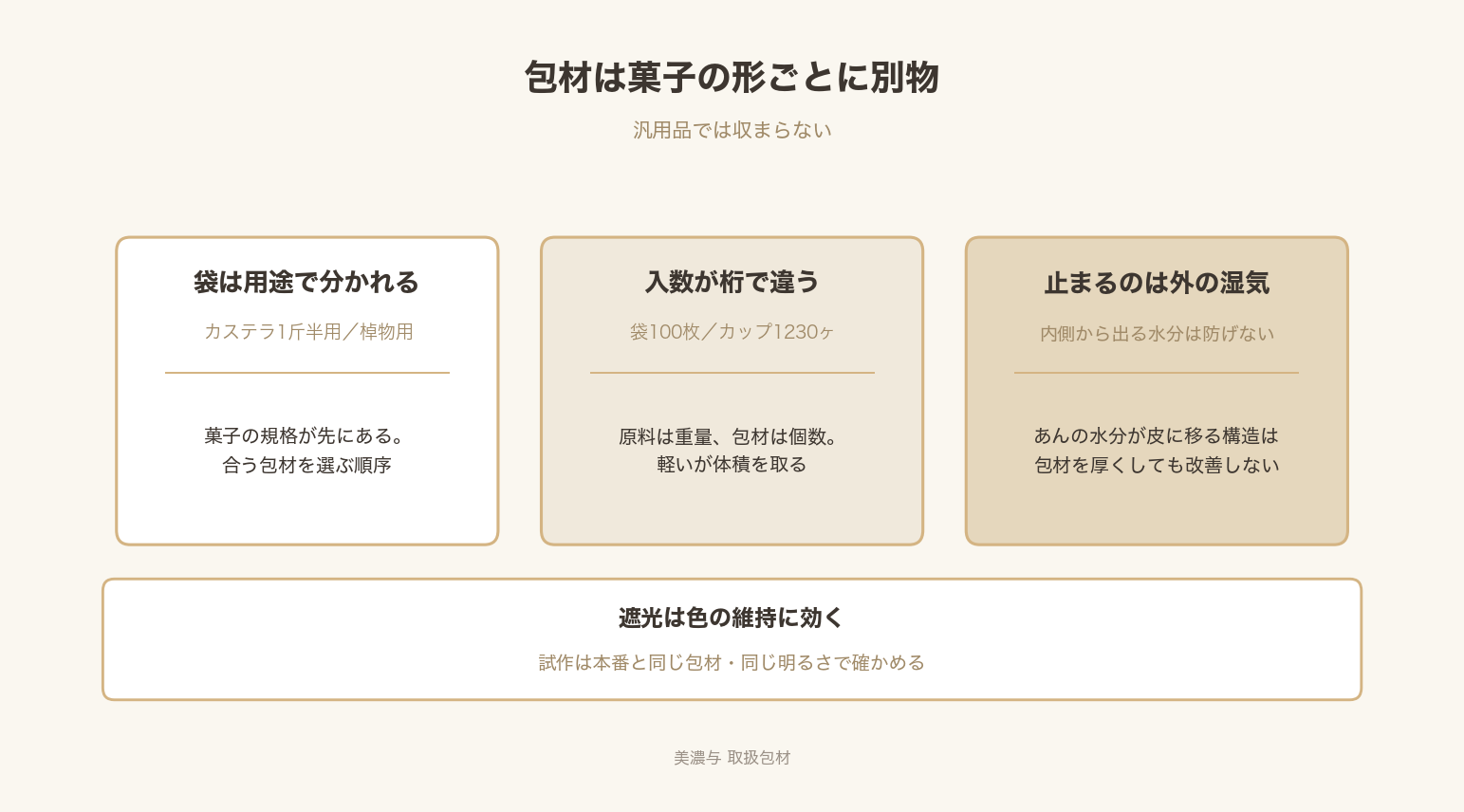
包材は原料と違って、配合には入りません。だからこそ後回しになり、直前に困ることの多い資材です。 実際には棹物用やカステラ用のように菓子の形に合わせた品目があり、汎用品では寸法が合わないことがあります。そして入数が原料とは桁の違う単位で動きます。

最中は、作った瞬間から皮が湿気ていく菓子です。 外の空気が原因だと思われがちですが、中のあんから水分が移っていることが少なくありません。だからこそ、包装を厚くしても解決しないことがあります。

牛蒡が入った甘い菓子、と言われるとぴんと来ないかもしれません。花びら餅は、求肥に白味噌の餡と甘く煮た牛蒡を包んだ正月の菓子です。 この菓子は仕込む時期が動かせません。年末に作るものは、年末に材料が揃っていなければ作れない。資材の押さえ方が通年商品とは違います。

草餅の色が春先と秋で違う。よもぎを使う現場でよく起きることです。 原因は配合ではなく、よもぎをどの形態で仕入れているかにあることがあります。冷凍品と乾燥品では、色も香りも、扱い方もまったく違います。

麩まんじゅうは、見た目が涼しげで夏の商品に組み込みやすい菓子です。ただし原料の性格は、和菓子のなかではかなり特殊です。 麩は小麦のグルテンからできています。米や豆の菓子だけを作っているラインに加えると、義務表示のアレルゲンが1つ増えることになります。

アルファ化でん粉は、加熱しなくても水で戻る便利な原料です。ところがこの原料には、表示のされ方が2通りあります。 食品として原材料に「でん粉」と書く場合と、食品添加物として書く場合です。どちらになるかは製法で決まります。

豆かんの豆、みつ豆の豆。赤えんどうは、甘味にも塩味にも回せる豆です。 小豆のように甘く炊く前提の豆と違い、味付けの方向を選べます。そのぶん、何に使うかを決めてから発注しないと使い道が定まりません。

大福で最も多い相談が、翌日には固くなっているというものです。 これは配合の失敗とは限りません。糊化したでん粉が時間とともに元の状態へ戻ろうとする性質によるもので、老化と呼ばれます。粉を替えれば消える現象ではありませんが、選び方で振れ幅は変えられます。

黒豆ペーストは、あんやクリーム、生地に混ぜて黒豆の風味とコクを出す使い方が中心の素材です。 商品ページも用途を「黒豆風味のあんやクリーム」「生地への練り込み」「フィリングやデコレーション」としており、いずれも何かに混ぜる前提で書かれています。

あんを外から仕入れるとき、最初に決まるのは味ではありません。どの段階まで加工された状態で受け取るかです。 ここで冷蔵庫の使い方も、仕込みの手順も、日持ちの前提も変わります。味の比較はそのあとの話になります。

甘さの調整だけでは、商品の印象は変わりません。 糖を増やしても減らしても、動くのは甘さの強弱だけです。味に別の軸を持ち込むと、同じ配合の菓子がまったく違う商品に見えます。香辛、磯の香り、旨み。この3つの軸を粉末で足す原料を取り上げます。

抹茶の菓子で最も相談が多いのが色です。焼いたら沈む、日が経つと褪せる、ロットによって濃さが違う。 この問題に対して、原料の側には3つの答え方があります。抹茶そのものを扱いやすくするか、色を持つ別の素材を足すか、色素で決めるか。どれを選ぶかで、風味も表示欄も変わります。

柿を使った商品で起きやすいのが、甘いのに味が決まらないという状態です。 原因は配合ではなく素材の性格にあります。柿は酸味が少ない果実です。これは長所でもあり、そのままでは味の輪郭が出ないという弱点でもあります。

ごまを仕入れたのに、そのままでは使えなかった。この行き違いは実際に起きます。 業務用のごまは、焙煎する前の状態で流通することがあります。家庭で買う「いりごま」とは前提が違います。

日持ちを延ばしたいという相談で、保存料の前に検討されるのが糖の配合です。保存料と日持ち向上剤の違いでも選択肢のひとつとして挙げました。 ただ「糖を増やす」と言っても、何を増やすかで結果が変わります。砂糖を増やせば甘くなりますし、水あめとソルビトールでは効くところが違います。そして

そば饅頭やそばぼうろのように、そば粉を使う和菓子があります。ただ、そば粉の相談は「どれを選ぶか」より先に、別のところで止まることが多くあります。 そばは、表示を省略できないアレルゲンだからです。1品加えるだけで、原材料表示も製造ラインの管理も変わります。粉の選び分けと、入れること

美濃与の友シリーズ8品のうち7品はミックス粉で、水と砂糖を加えて加熱すれば生地ができます。蒸しようかんの友だけがこし餡・寒天と併用する配合用原料です。8品それぞれの狙いと、導入前に規格書で見る項目をまとめました。

味噌松風、味噌饅頭、白味噌を練り込んだ餡。京都では白味噌を菓子に使う仕事が続いてきました。 ただ、調味料として使うのと菓子の原料として使うのでは、確認する項目が変わります。加熱で色が動くか、上流の添加物が自社の表示にどう出るか、遺伝子組換えの表示義務がかかるか。味を決めるより、こ

桜餅の道明寺を仕入れるとき、選択肢は1つではありません。美濃与では丸粒・割り・焼き・粉の各タイプを揃えています。 違いはどこまで加工するかです。割らずに粒のまま使うか、割るか、割ったうえで焼くか、粒が残らないところまで細かくするか。この加工の段階で仕上がりが変わります。

どら焼きの皮がうまく膨らまない、蒸し饅頭に黄色い斑が出る。膨張剤まわりの相談は、たいてい「量を変えれば直るのか」という形で来ます。 ただ、重曹とベーキングパウダーは量の大小の話ではありません。膨らませ方の仕組みが違い、そこから色と味の出方が分かれます。原材料表示の書き方にも関わっ

季節資材で起きる事故は、たいてい同じ形をしています。使う直前に足りないと気づいて手配したが、間に合わない。 葉物は工業製品ではありません。摘む時期が決まっていて、漬け込みに数か月かかるものもあります。足りないと気づいた時点では、その年の分はもう作られているということが起こります。産地の作業と行事の時

笹の葉は、動く時期が読みにくい資材です。端午の節句に向けて動くのは確かですが、その山が一つとは限りません。 農林水産省の資料は、島根県東部について、月遅れの端午の節句である6月5日に笹巻きを食べる地域があるとしています。5月5日ではなく6月5日です。

柏の葉を仕入れるとき、形態を3つから選ぶことになります。ここで見落とされやすいのが、3つとも保管の条件が違うことです。しかも一部は正反対を向いています。 同じ「冷暗所」でも、乾燥を避けるものと、乾燥した場所に置くものがあります。同じ棚にまとめて置くと、どちらかが傷みます。

「片栗粉が切れたので代わりを送ってほしい」という連絡をいただくことがあります。ここで気をつけたいのは、でん粉は原料が変われば別の素材になる、という点です。名前が同じ「でん粉」でも、粒の大きさから粘りの出方まで違います。 とろみをつけるだけの用途なら融通が利きます。ただ、透明感を売りにした菓子や、加熱

かつお節を使わないだしが求められる場面があります。ヴィーガンやベジタリアン向けの商品、精進料理の献立、魚介類を使わない学校給食や病院食などです。輸出を見据えている場合も、動物性原料の扱いが論点になります。 抜くこと自体は難しくあり

桜餅の仕込みで使う葉は、現場ではひとまとめに「桜の葉」と呼ばれます。ところが発注書を開くと、桜青葉、桜茶葉、桜の花塩漬と、別々の品目が並んでいます。どれも桜には違いないのですが、葉と花では品種も産地も、摘み取る時期も別物です。 ここを取り違えると、届いた材料が思っていたものと違う、という事故が起きま

製菓材料のカタログを見ると、「かのこ豆」と「甘納豆」が別の商品として並んでいます。どちらも豆を甘く加工したものに見えますが、仕上げ方が違います。 この違いを知らないまま置き換えると、甘さの出方や見た目が変わります。ここではかのこ豆と甘納豆の違いを整理したうえで、豆の種類ごとの使い分けをまとめます。

和菓子の日持ちを延ばしたいとき、選択肢はいくつもあります。保存料、日持ち向上剤、脱酸素剤、アルコール製剤、糖の配合。どれも「日持ちを延ばす」という点では同じ方向を向いていますが、実務上の扱いは大きく違います。 とくに見落とされやすいのが、保存料と日持ち向上剤の違いです。この2つは表示のルールが変わり

同じ名前の粉を仕入れたのに、前と同じ配合で作ると生地の状態が違う。粉を切り替えたら水の入り方が変わった。こうした経験は、和菓子の製造現場では珍しくありません。 農林水産省の資料には、上新粉・白玉粉・もち粉といった米粉には小麦粉のような規格や定義がなく、地域によって製粉方法がさまざまであると記されてい
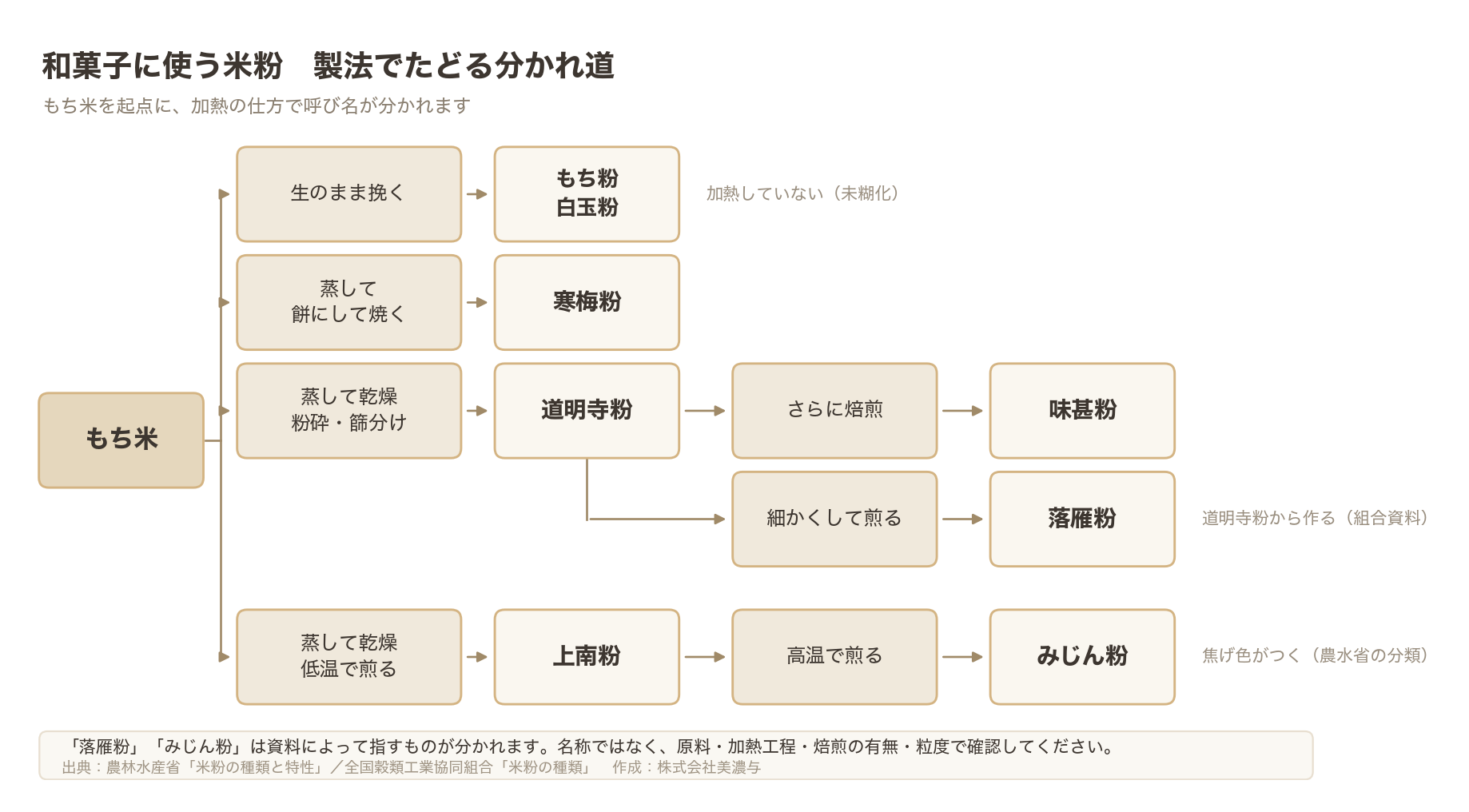
落雁や打ち物の材料を探すと、「寒梅粉」「上南粉」「落雁粉」「味甚粉」「みじん粉」と、似た粉の名前がいくつも出てきます。どれも米が原料で見た目も近いため、レシピにある名前と手元の在庫が一致せず、代用してよいのか判断に迷う場面があります。 混乱の原因は、名前が製法と一対一で対応していないことにあります。
カカオアレルギーの主な原因と、代替原料の選び方、商品開発時のアレルゲン管理を整理します。
ハラルチョコレートの原料で確認すべき乳化剤・乳製品・香料の由来と、JHA・JAKIM・BPJPHなど認証機関の違い、カカオ代替素材を使うときの注意点を整理します。
ヴィーガンチョコレート開発の原料選定を、代替乳パウダー・植物性油脂・甘味料・カカオ代替素材まで網羅解説。認証・OEM委託先選定の判断軸を整理します。
フェアトレードチョコレートとは何か——国際フェアトレード認証・有機栽培カカオ・人気銘柄(ピープルツリー、Chocolat Stella等)・カカオ高騰時代の業務用調達戦略までを業務目線でまとめます。
おからの活用法を網羅的に解説。家庭で作れるおからハンバーグ・サラダ・ケーキの簡単レシピから、食物繊維の多さといった成分の特徴、業務用アップサイクル素材化までを業務目線でまとめます。
食品アップサイクルとは何か——食品ロス削減と新たな価値創造を両立する取り組みについて、定義・市場規模・国内外の事例9選・企業が取り組む意義までを業務目線でまとめます。
ハイカカオチョコレートとは何か——カカオ含有率70%以上の定義、ポリフェノール・カフェイン等の成分、商品に書ける表示と書けない表示、業務用商品開発の視点までを業務目線でまとめます。
カカオ豆を使わないチョコレートの作り方を業務用視点で解説。キャロブ・大豆焙煎素材・エンドウ豆など代替原料の選び方、構成材料と工程、不二製油「アノザM」のような業界事例、表示ルールまでまとめます。
Carob is a naturally derived food ingredient made from the carob bean (locust bean), characterized by being caffeine-free with a naturally sweet flavor. This article explains what carob really is, its nutrition, how it differs from cacao, how to use the powder, where to buy it, and its potential as a substitute—all from a professional perspective.
カカオ高騰局面で注目の代替原料を比較。キャロブ・大豆焙煎素材・チコリの特徴、不二製油アノザMなど業界事例、風味・規格・供給体制の選定軸を製菓メーカー目線で解説します。
カカオ豆がチョコレートになるまでの加工工程を順に解説します。発酵・乾燥・焙煎・粉砕・コンチング・テンパリングの各ステップと、カカオニブ・カカオマス・ココアバターの違いを業務目線でまとめます。
カカオ豆(アオイ科)とコーヒー豆(アカネ科)は、植物学的には全く別物。本記事では植物分類・栽培環境・焙煎工程・風味・カフェイン量・産地まで6つの観点で違いを比べ、どちらも焙煎で香り・色・風味が生まれるという共通点も解説します。
From a professional confectionery-industry perspective, we explain the characteristics and climatic conditions of the major cacao-producing regions (West Africa, Central and South America, Southeast Asia), the flavor of each variety, the structure of the concentration risk with 70% of world output in these regions, and the current state of domestic production.
2026年のカカオ価格高騰の理由を、気候変動・西アフリカ依存・投機・農家離農・需要拡大の5要因から整理。チョコレート業界の値上げ事情と代替素材・アップサイクルの動向を、京菓子原材料専門店が業務目線でまとめます。
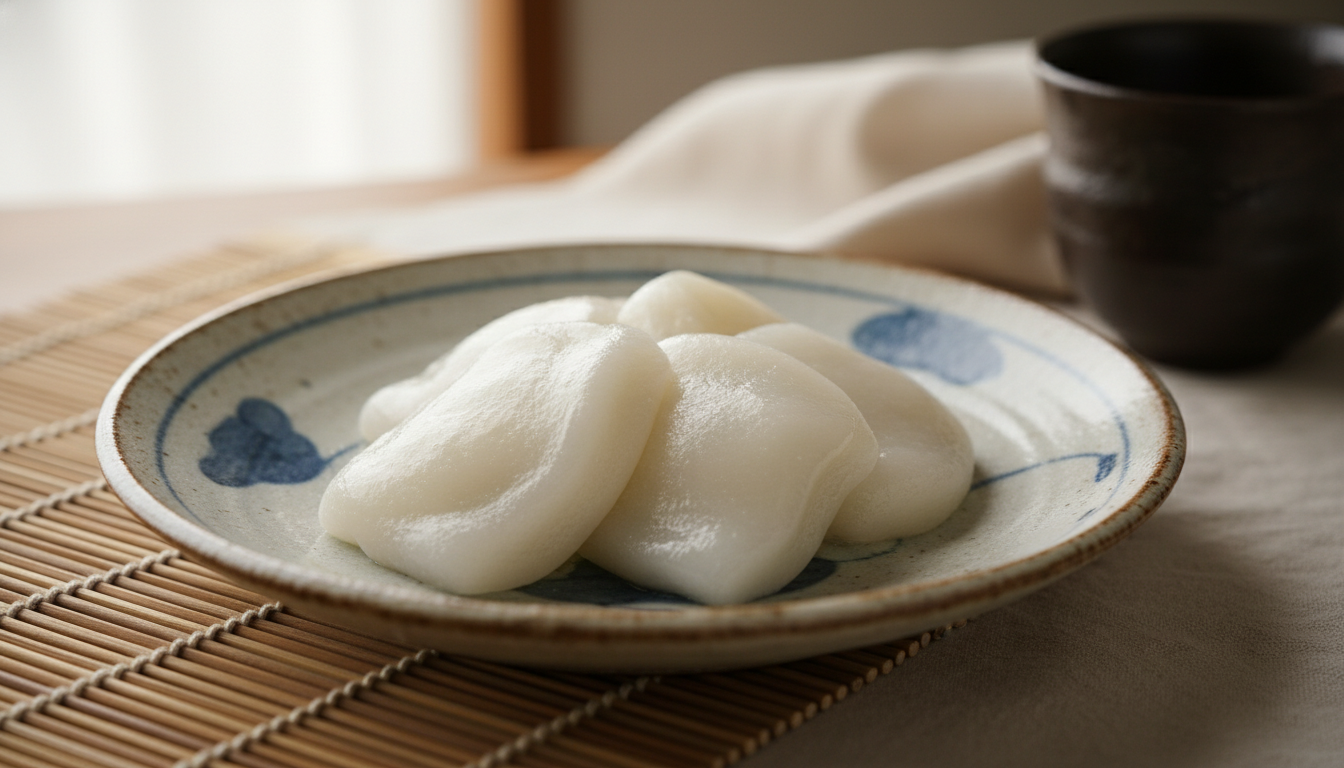
Habutae mochi is known nationwide as a signature confection of Fukui Prefecture. Its name comes from habutae weaving, a silk textile that is a Fukui specialty. Habutae is a premium silk fabric characterized by a soft, supple, and resilient feel, like a feather.
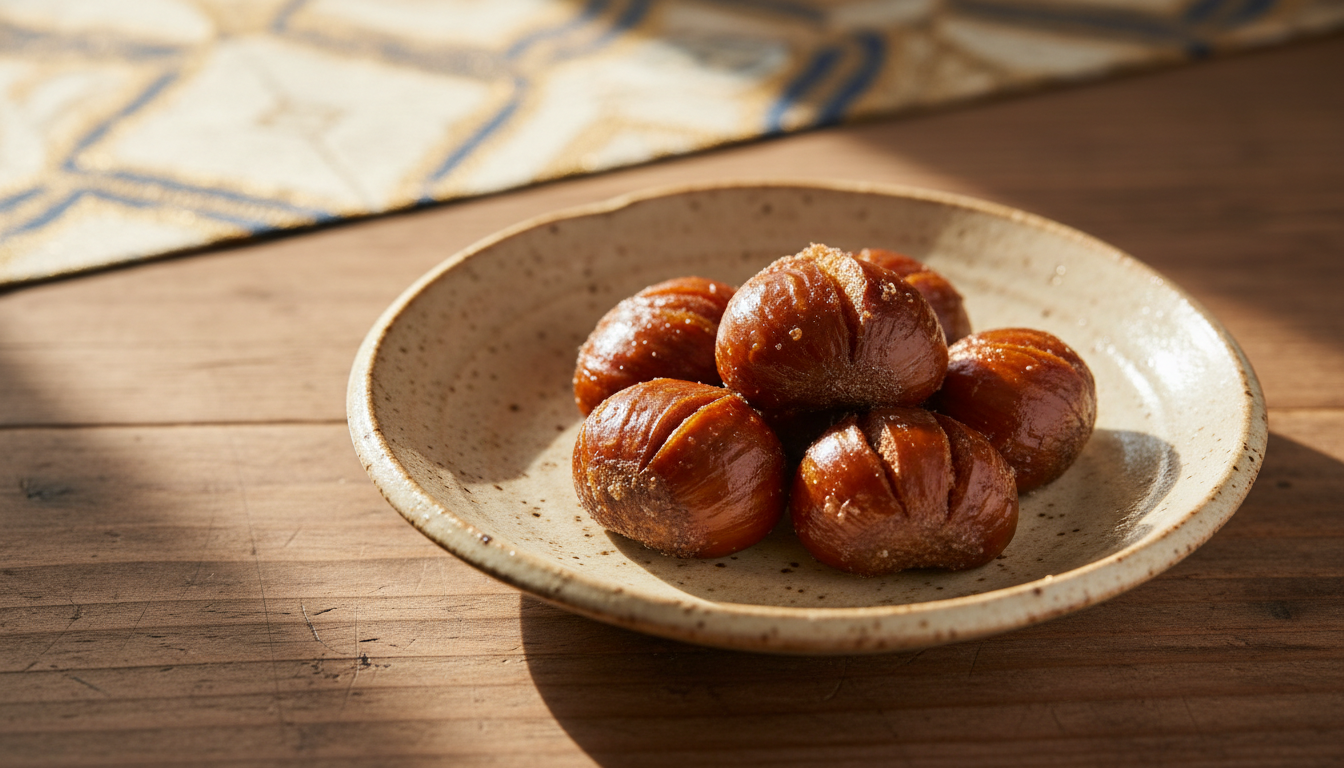
Chestnuts, beloved as a taste of autumn. Among them, shibukawa chestnut kanroni is a luxurious wagashi ingredient that brings out the chestnut's natural flavor to the fullest. Shibukawa chestnut kanroni is made by removing only the hard outer shell of the chestnut and simmering it in syrup while leaving the astringent inner skin (the brown, wrinkled layer) intact.
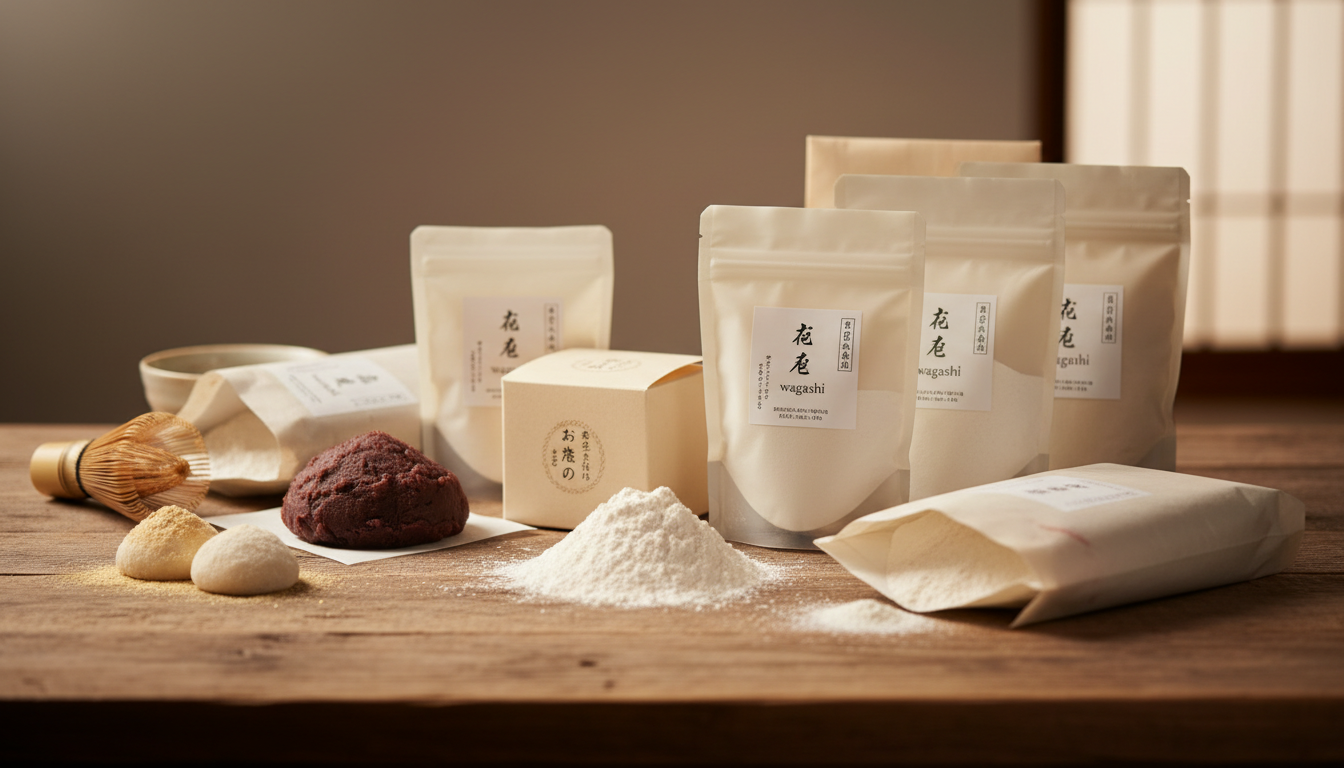
On the wagashi production floor, labor shortages and rising material costs have become serious problems. Traditional handmade production has long relied on the skill and experience of artisans. But as skilled artisans age, passing on their techniques is becoming increasingly difficult.
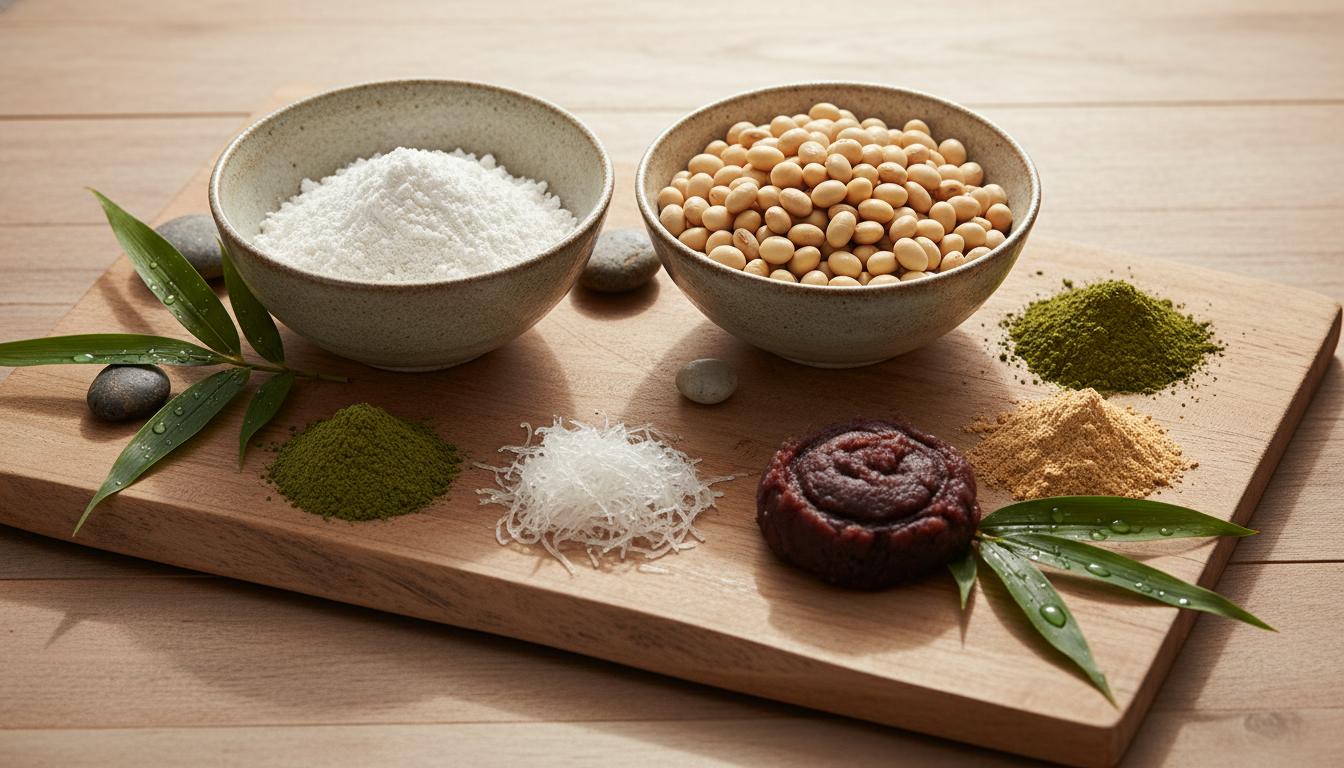
Wagashi is a food culture that symbolizes Japan's traditions. Yet today's wagashi industry stands at a major turning point—facing supply uncertainty for raw materials driven by climate change, rising ethical awareness among consumers, and stricter international environmental regulations.
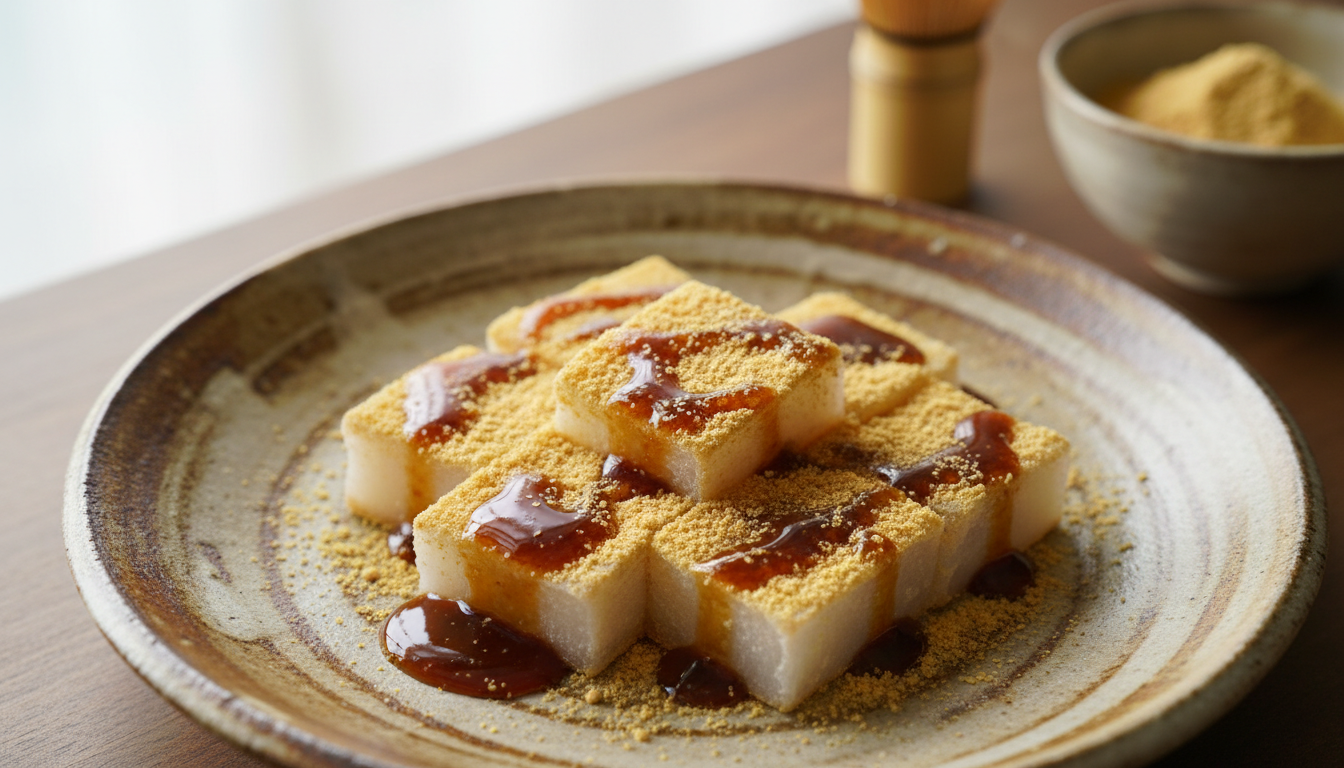
夏の和菓子といえば、透明感あふれる葛餅。 ぷるんとした食感と、ひんやりとした口当たりが夏の暑さを忘れさせてくれます。葛餅のなめらかさと透明感は、本葛粉の選び方、練り方、加熱中の温度管理で決まります。
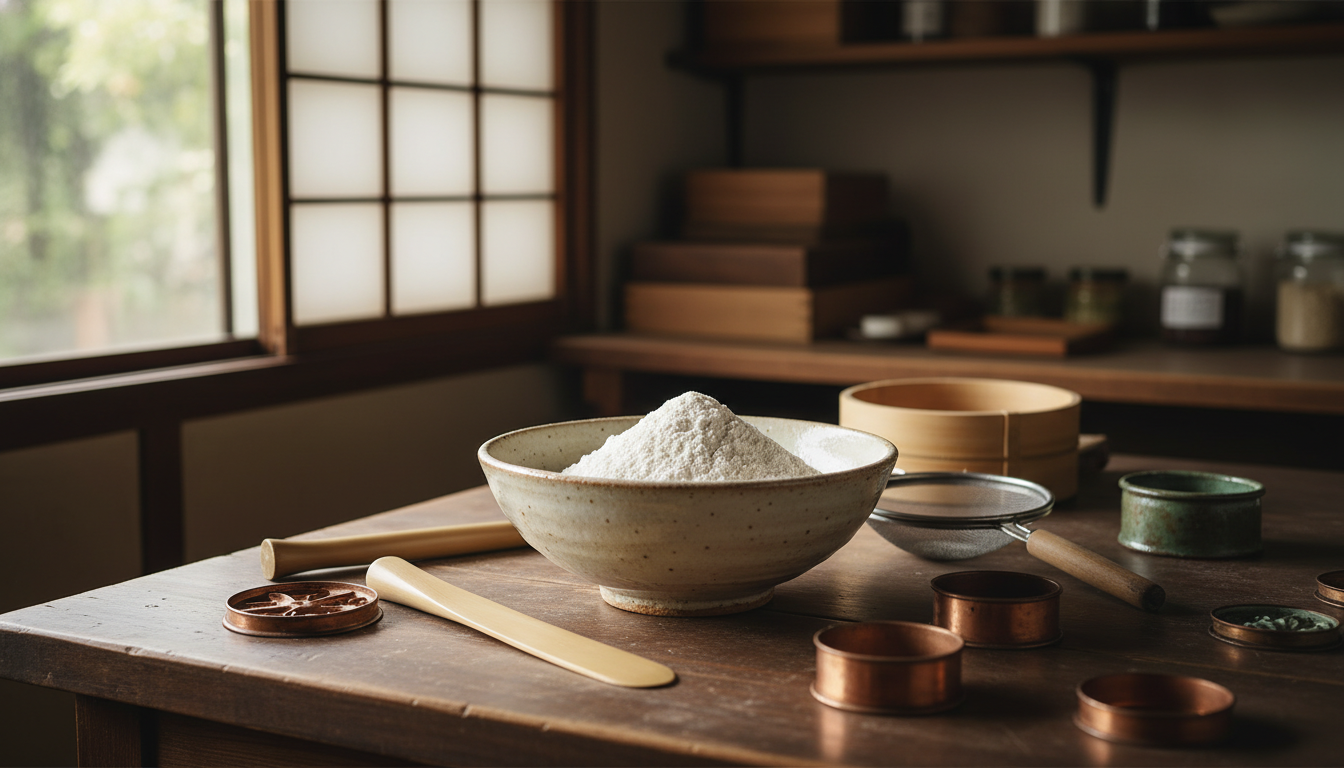
薯蕷饅頭のふくらみと肌は、山芋の粘りで決まります。 問題は、その粘りをどこから取るかです。粉だけで組むのか、生の芋を併用するのか。ここで工程も、仕込みの安定性も、原材料表示も変わります。
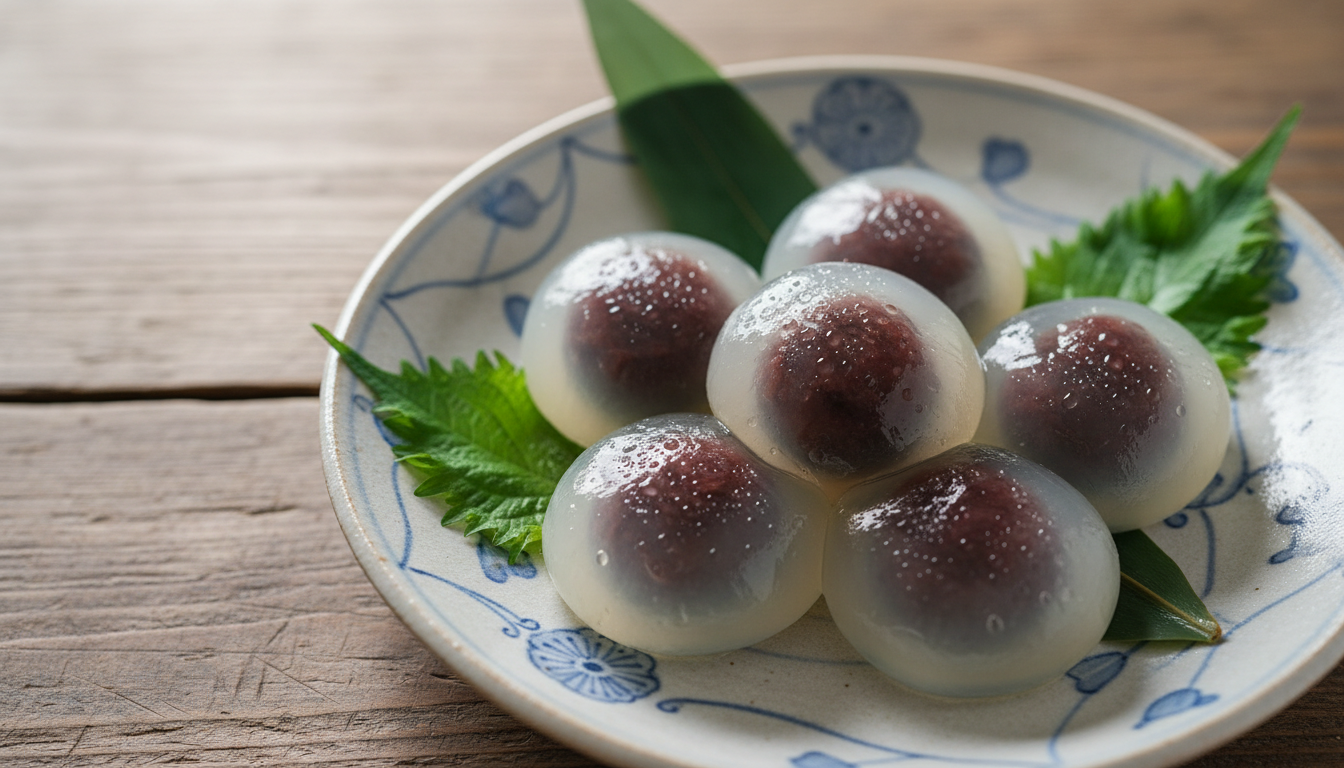
暑い季節が訪れると、和菓子屋の店頭に涼やかな水まんじゅうが並びます。透明感のある美しい見た目と、ひんやりつるんとした食感。夏の風物詩として長く親しまれてきたこの和菓子は、粉の選び方と加熱の仕方で透明感も食感も変わります。
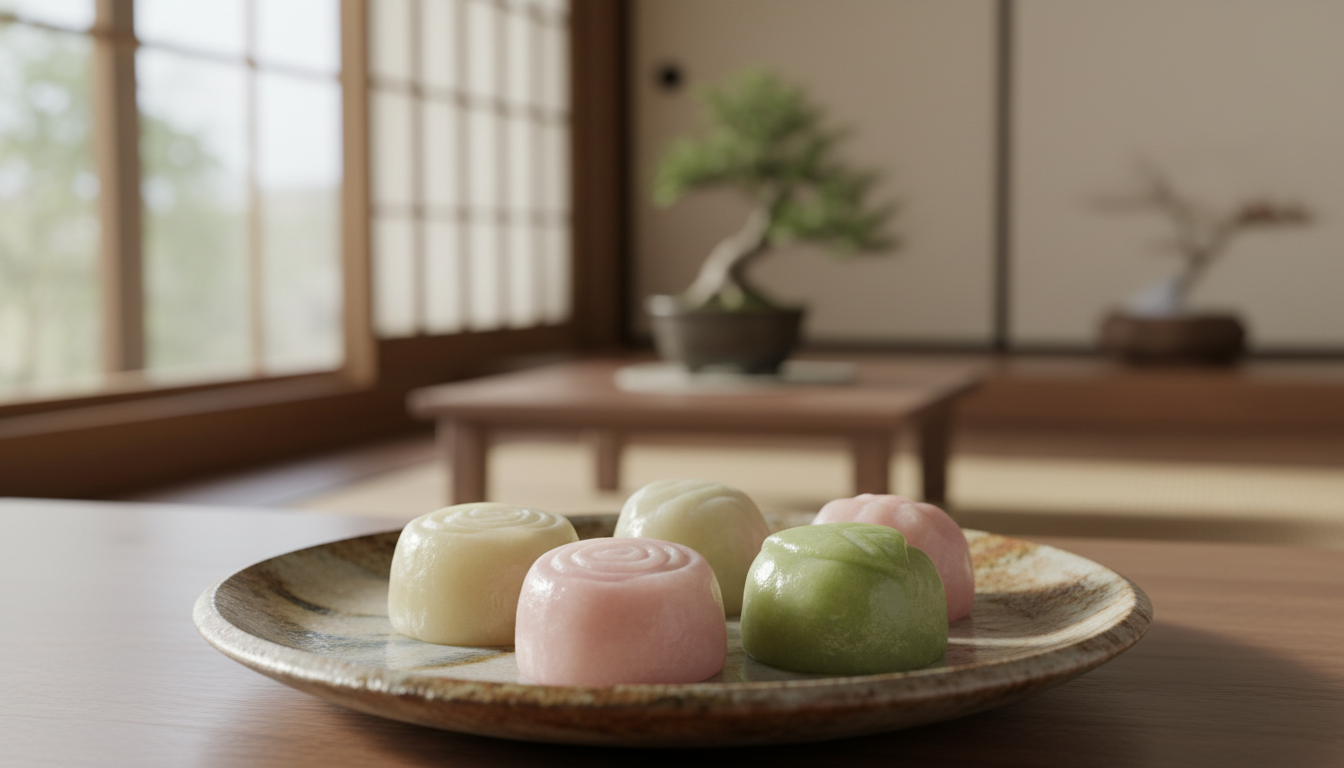
米粉を使った和菓子は、独特のもちもち食感と優しい甘さが特徴です。グルテンフリー需要の高まりとともに、米粉を活用した和菓子が注目を集めています。
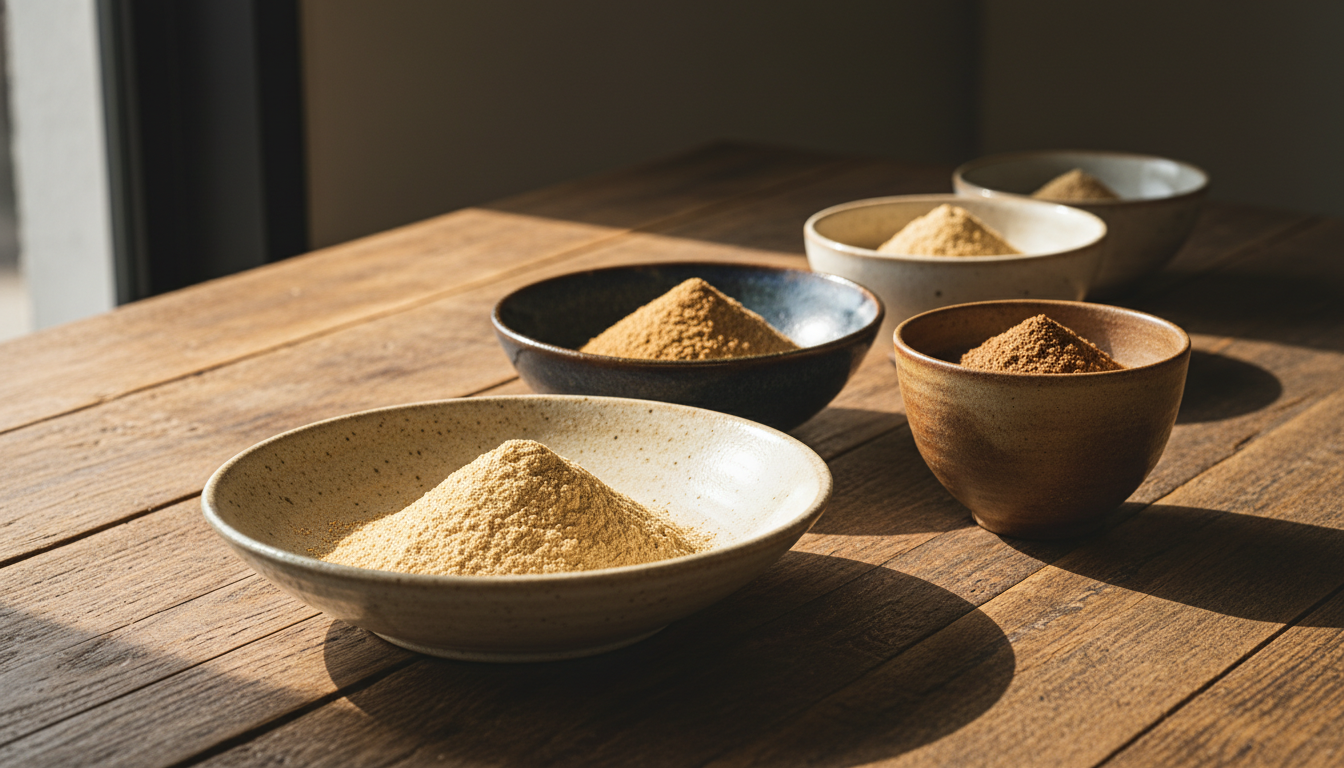
For anyone running a wagashi shop or confectionery business, kinako (roasted soybean flour) is an indispensable raw material. How can you keep daily purchasing costs down while maintaining quality? By choosing large-volume commercial kinako, you can lower your unit cost while achieving a stable supply.
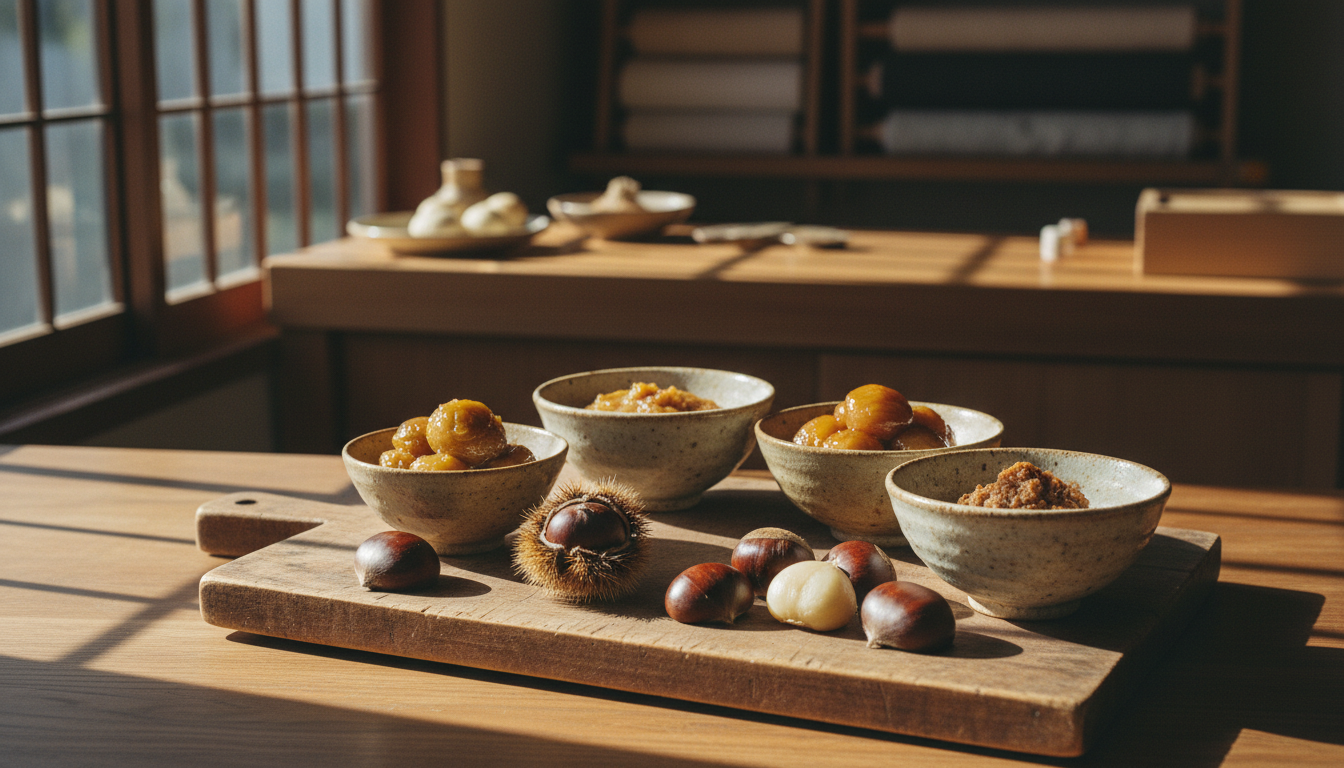
栗の原料を選ぶとき、最初に決めることは産地でも粒の大きさでもありません。甘さを自社で付けるか、付いた状態で仕入れるかです。 ここが決まらないと、砂糖の配合も日持ちの設計も動かせません。
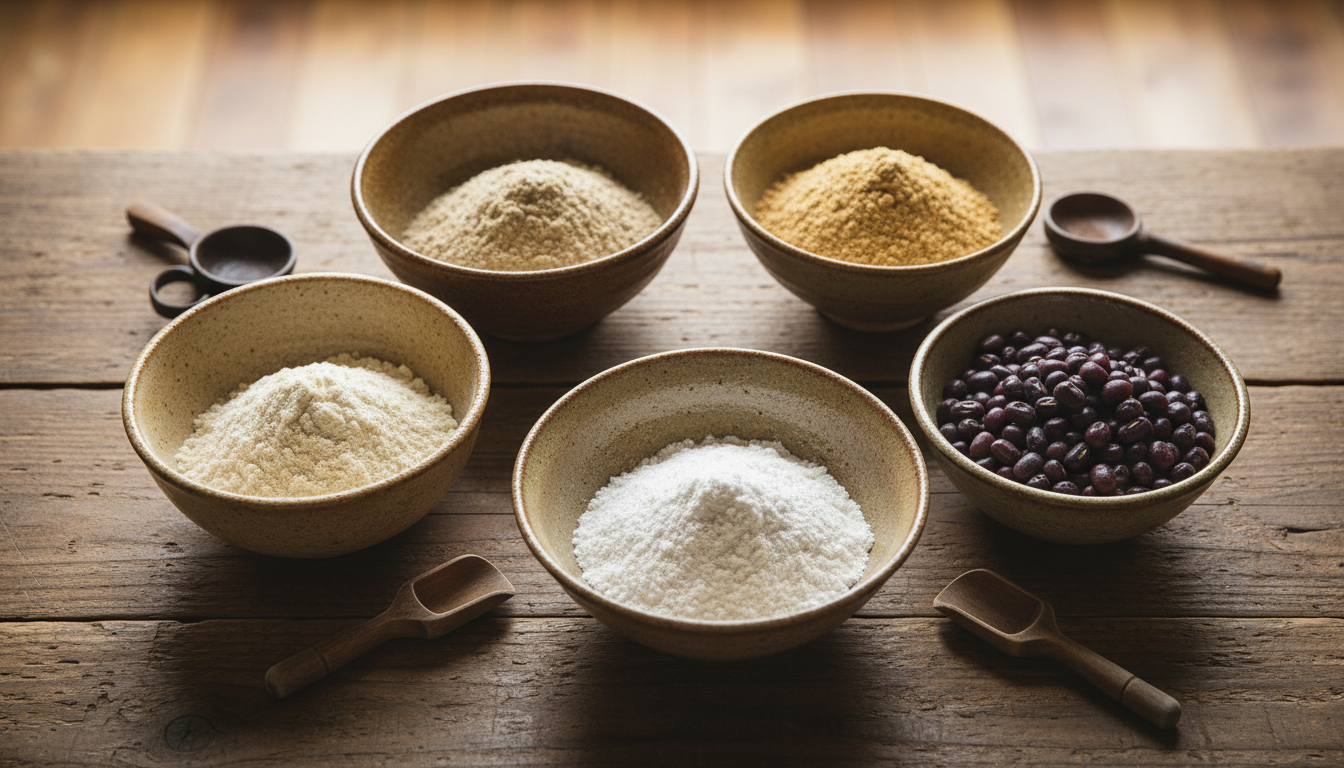
Kyoto confectionery is loved around the world for its delicate flavor and beautiful designs. But did you know that behind this beauty lie carefully selected raw materials and the sure skill of artisans?
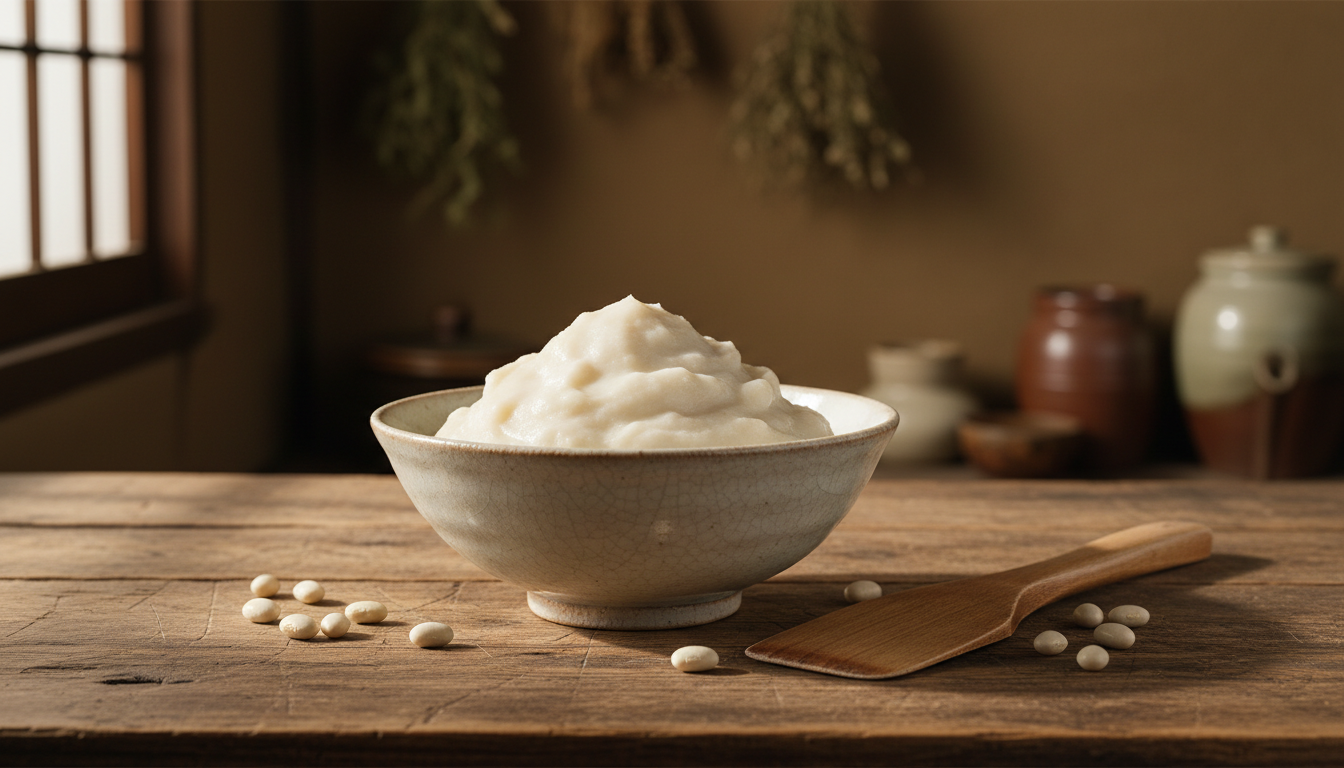
Although we simply say "white an (sweet bean paste)," the flavor and texture actually differ greatly depending on the variety of bean used. In the world of wagashi, any white bean can, in fact, be used to make white an.
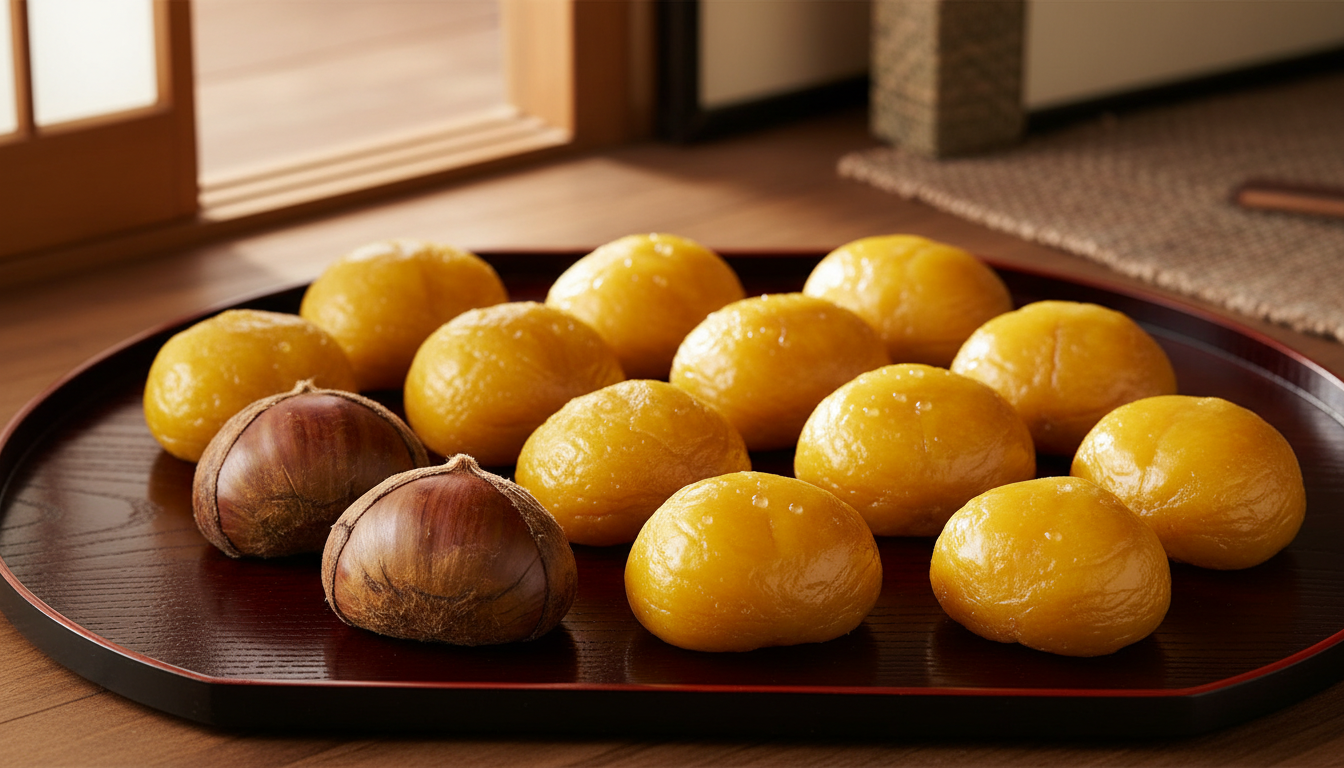
In the world of wagashi, kanroni made with chestnuts is indispensable. Yet even under the single name "marron kanroni," the types are remarkably diverse—with inner skin, peeled, cut, and more. Each has different characteristics, and using them appropriately for each purpose greatly changes the perfection of the wagashi.
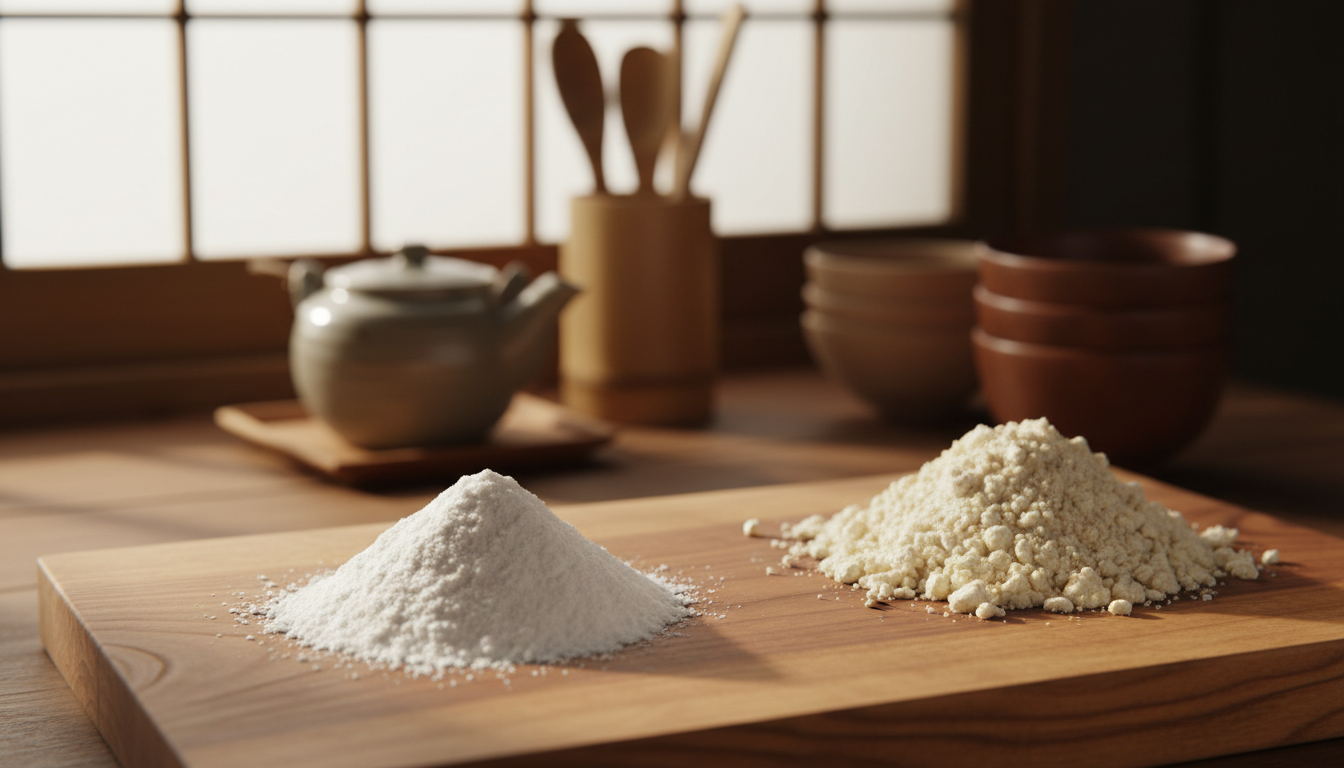
白玉粉・もち粉・上新粉はいずれも米の粉ですが、原料がもち米かうるち米か、製法が水挽きか乾式かで性質が変わります。あられ粉との違いも含めて、和菓子での使い分けを整理します。
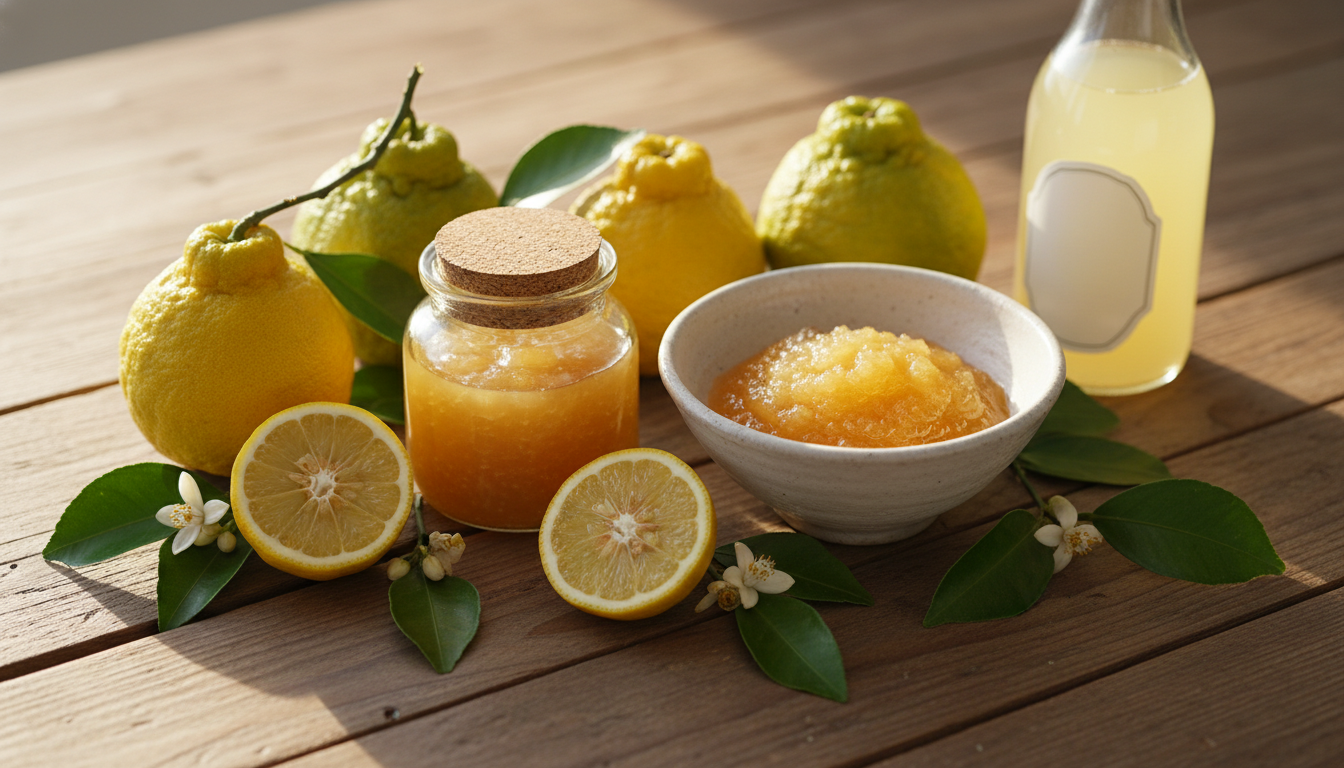
柚子を使った菓子で最も多い相談が、焼いたら香りが飛んだというものです。 これは配合量の問題ではありません。柚子の原料には、加熱に耐えるものと耐えないものがあります。同じ柚子でも、どう加工されているかで香りの残り方が変わります。
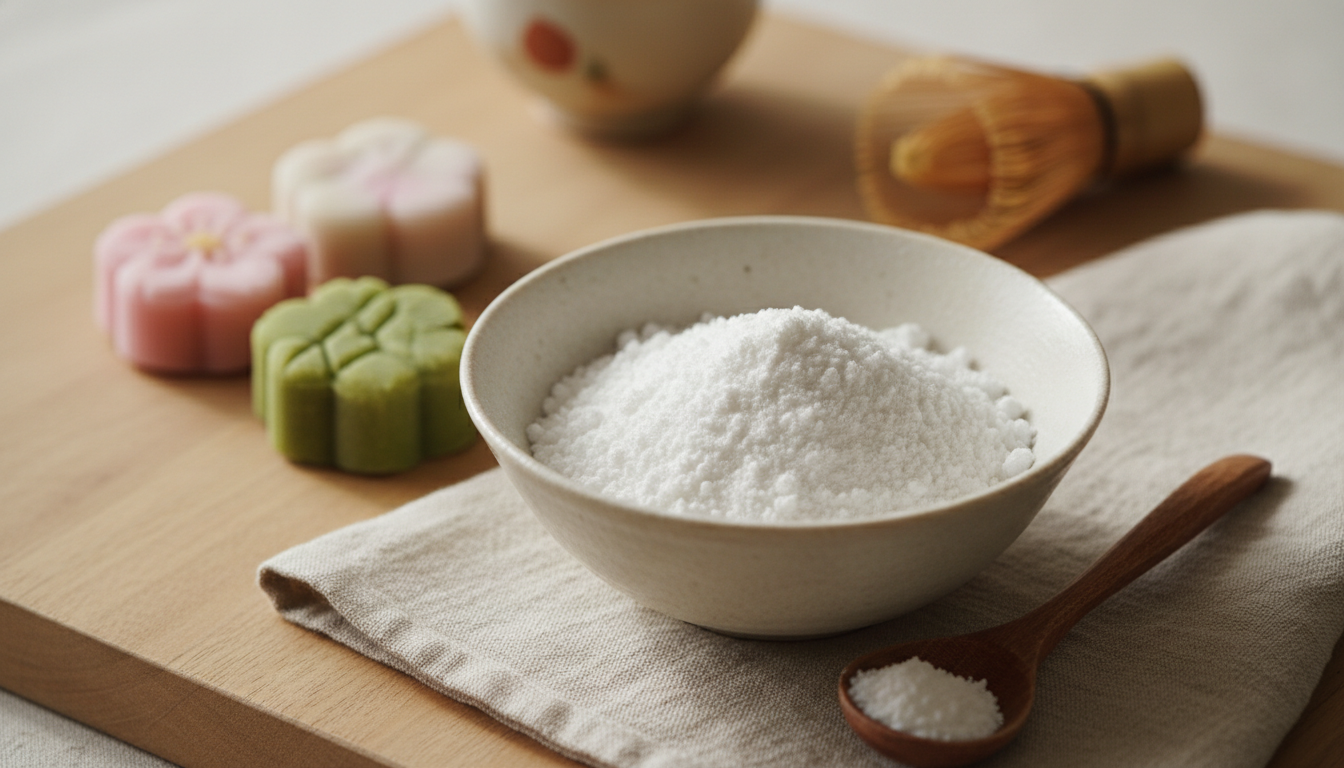
Kuzu powder is essential to making wagashi. Its appeal lies in a beautifully translucent finish and a distinctive springy texture. Yet when you look at the packages of kuzu powder lined up in the supermarket, prices range widely from a few hundred to several thousand yen—leaving you unsure which to choose.
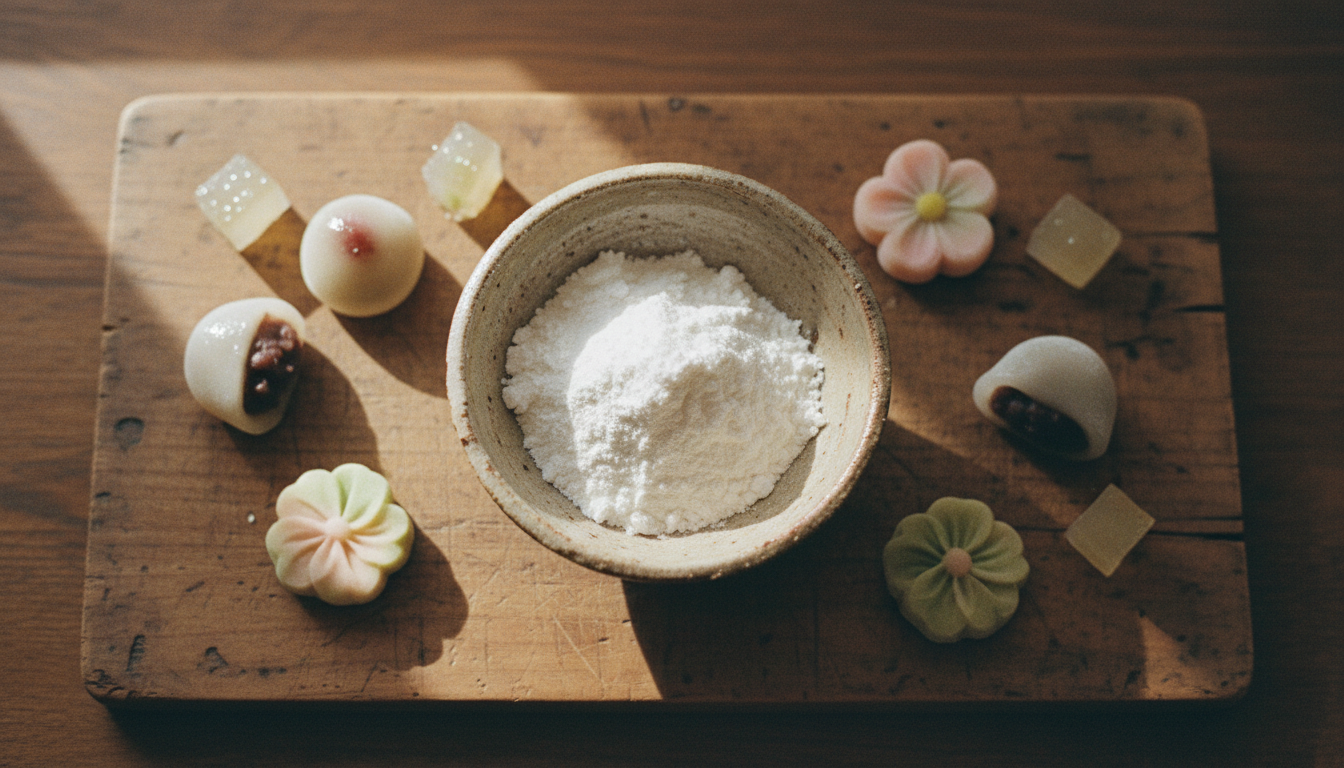
Potato starch is a starch extracted from potatoes, commonly known as "katakuriko." In the world of wagashi, it has long been prized as a valuable ingredient that produces a beautifully translucent finish and a distinctive chewy texture.
コンスターチは、トウモロコシから抽出されたでんぷんです。 和菓子製造では、打ち粉やとろみ付けに使われます。
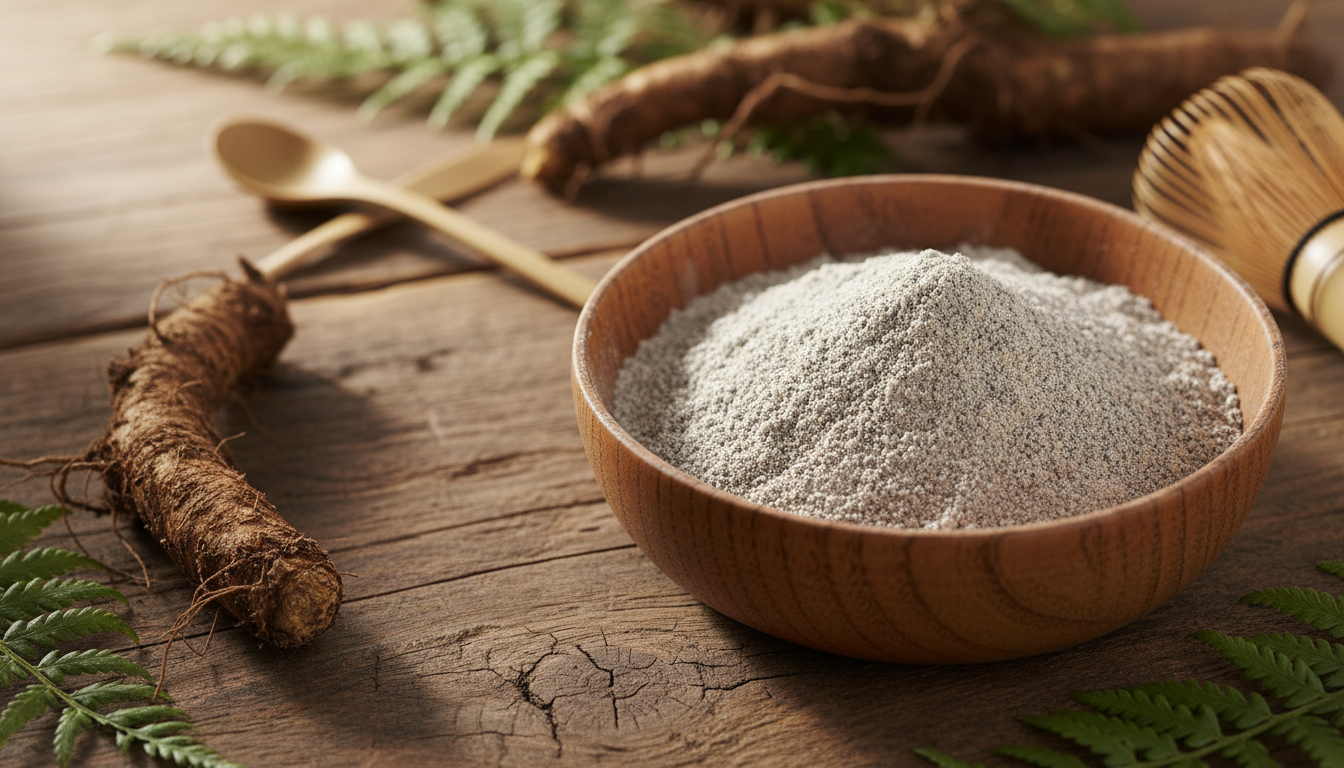
Did you know that the powders used to make warabi mochi actually differ greatly? Hon-warabi-ko is a natural starch extracted from bracken roots—a precious raw material of which only very small quantities can be obtained.
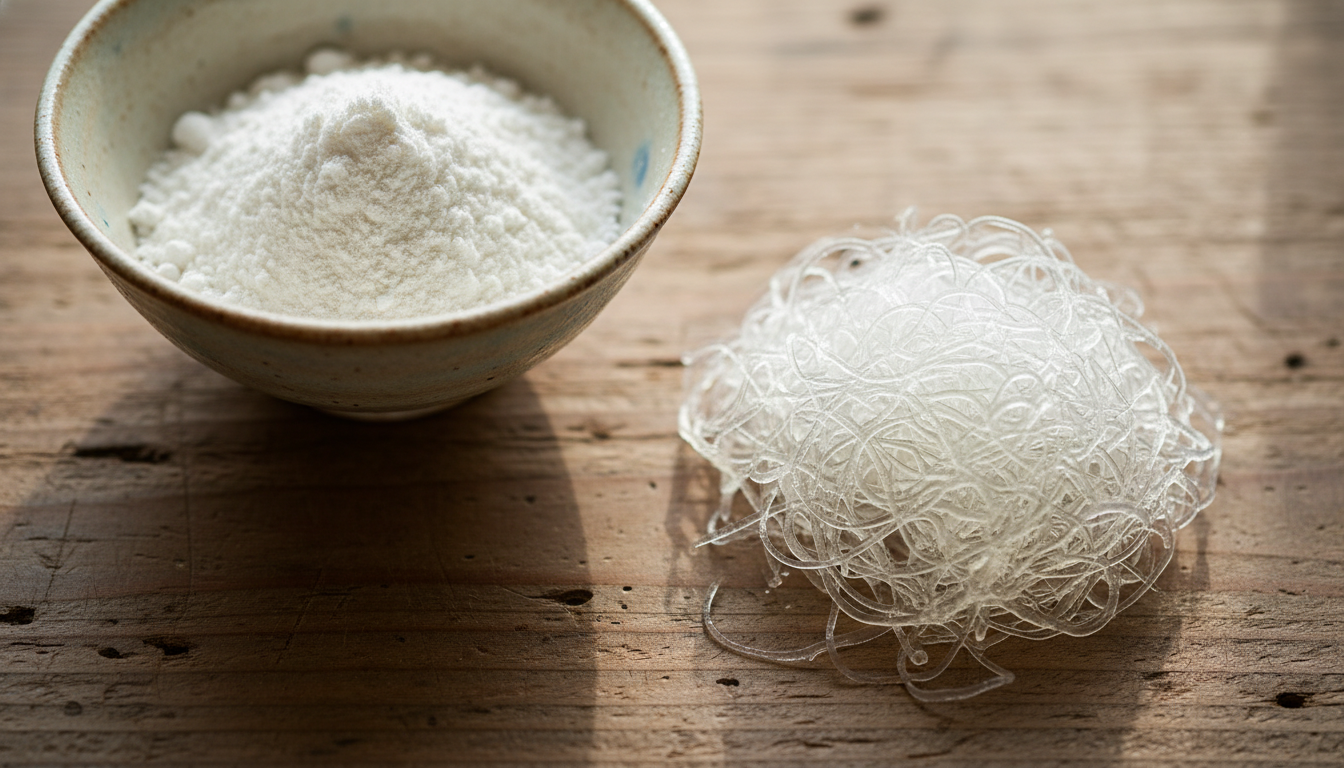
水羊羹の固さが日によって違う。同じ配合なのに離水する。この2つは、同じ原因から起きていることがあります。 寒天が溶けきっていない、という原因です。そして溶けきったかどうかが見えるかどうかは、寒天の形状で変わります。
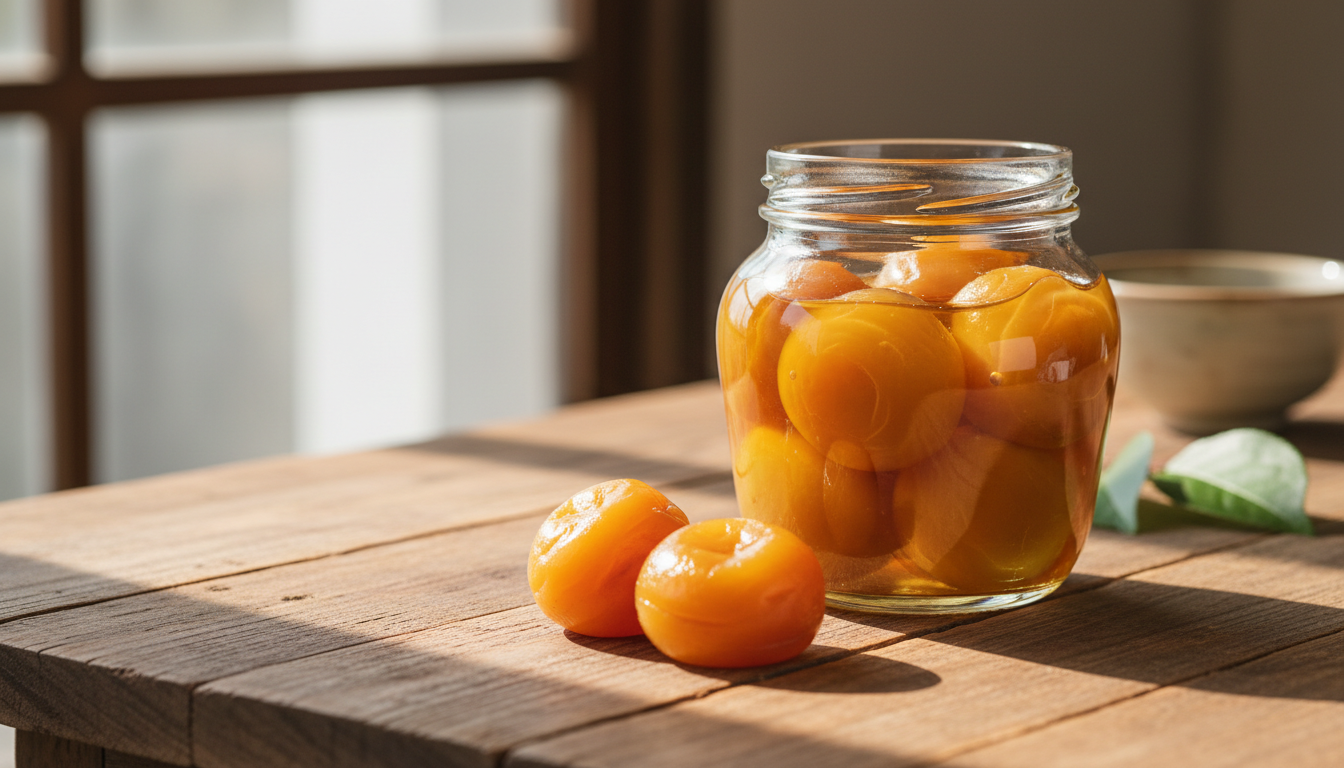
和菓子店や飲食店で梅甘露煮を導入する際、どこから手をつければいいのか迷っていませんか? 業務用梅甘露煮は、品種・サイズ・糖度・加工方法によって味わいも用途も大きく変わります。選定を誤ると仕上がりの品質やコストにそのまま響くため、最初の品種・規格選びで結果が決まります。
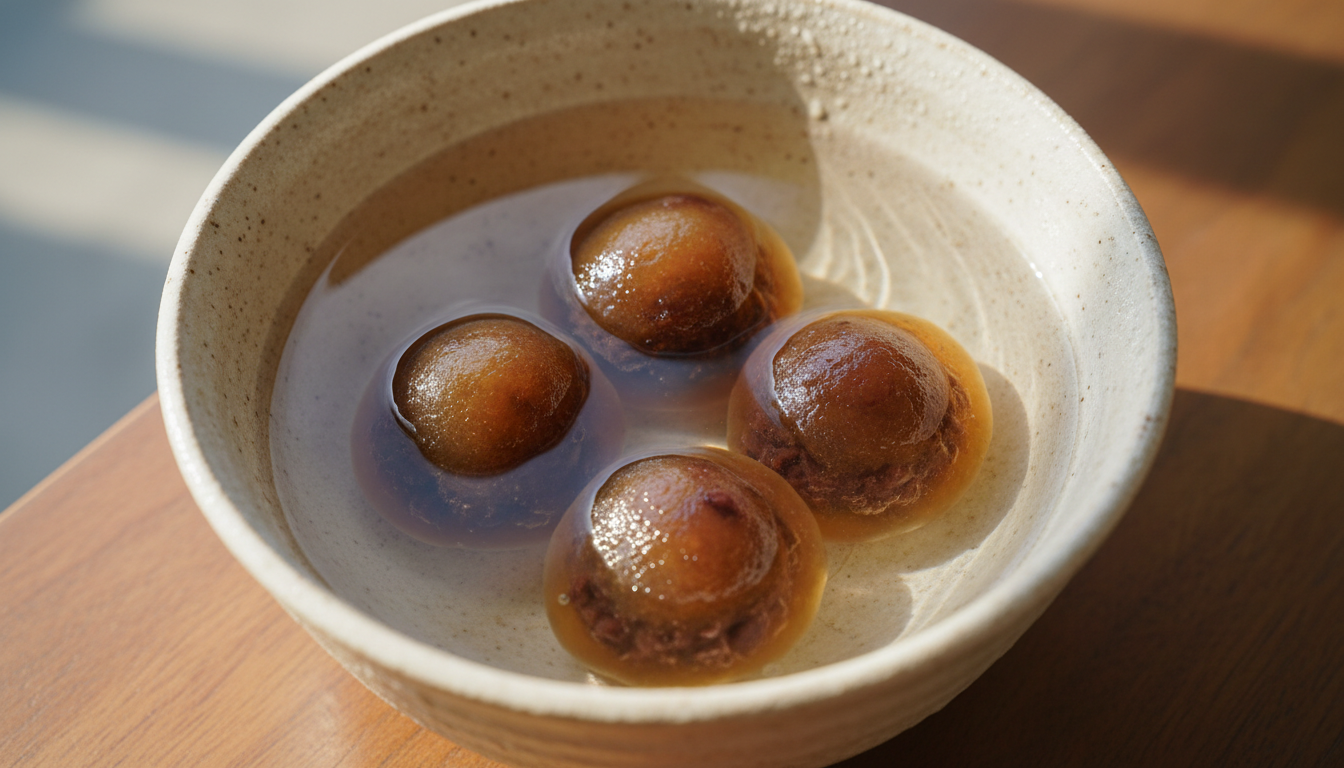
Warabi manju is a cool wagashi in which an is wrapped in a translucent dough. Made with genuine warabi starch or kuzu starch, its appeal lies in a chewy texture and beautiful appearance. As a summer tradition, it is loved at many wagashi shops.
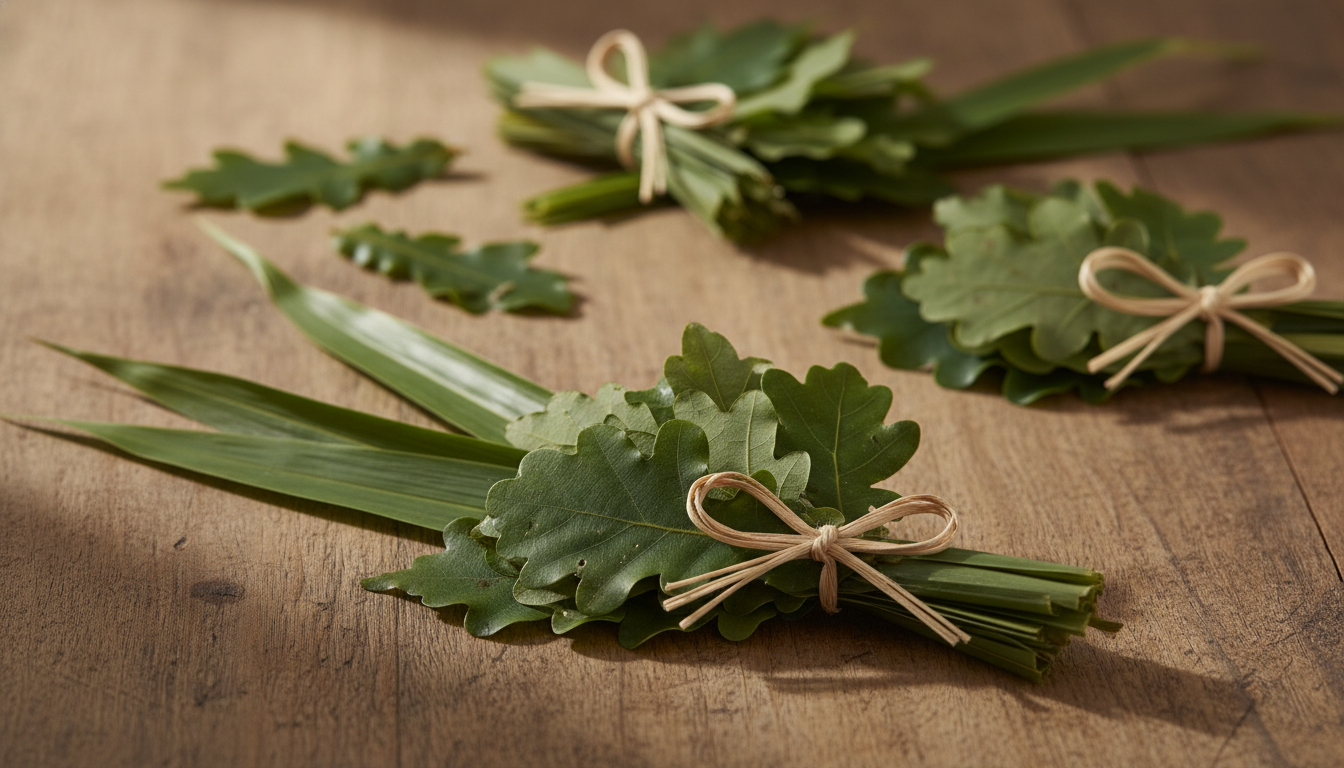
和菓子作りに欠かせない柏葉や笹などの葉物原料。これらは「束」という独特の単位で取引されます。束単位とは、一定枚数の葉をまとめた販売規格のこと。例えば乾燥柏葉なら100枚×40束、青森の笹なら50枚×100束といった形で流通しています。
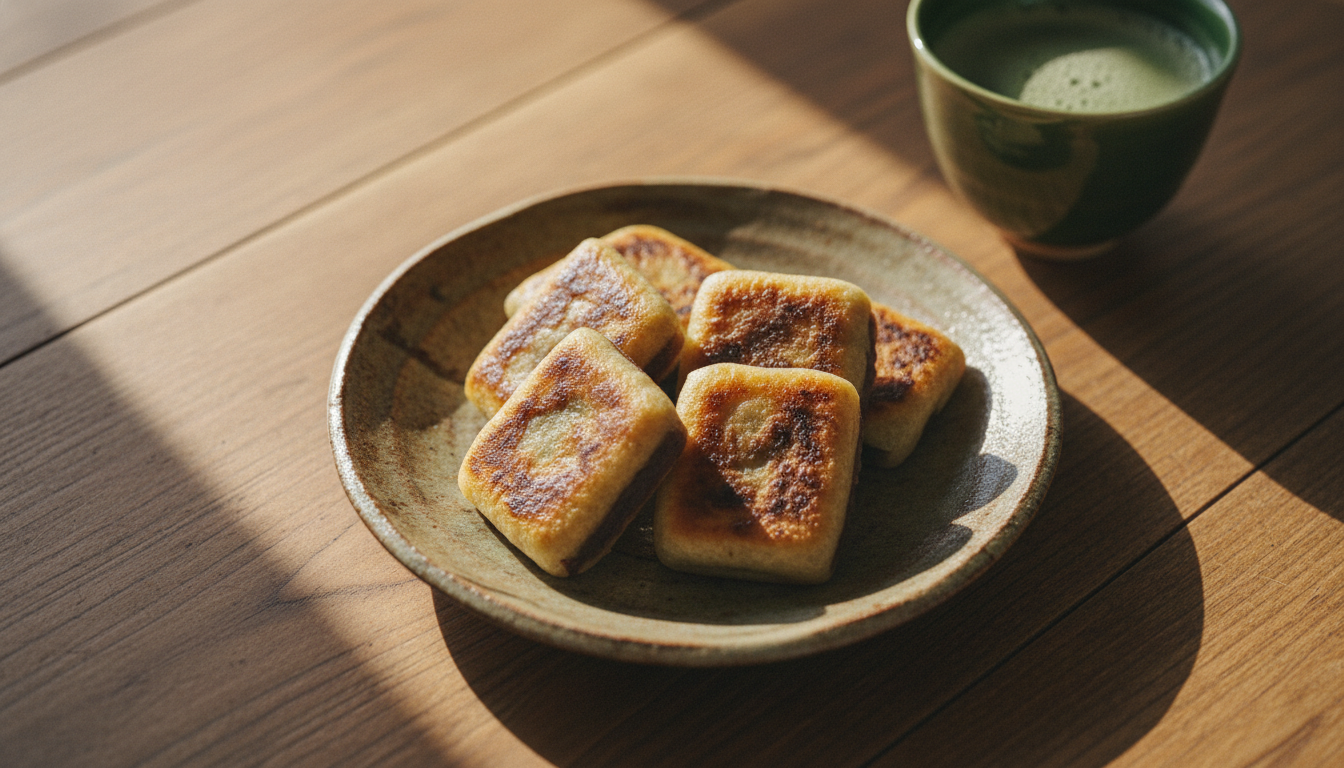
Kintsuba is a wagashi made by coating an with a batter of flour dissolved in water and grilling all sides to finish. The square shape is standard, but in some regions there are round ones as well. Its history is long: it is said to originate from a confection called "gintsuba" made in Kyoto during the Edo period.
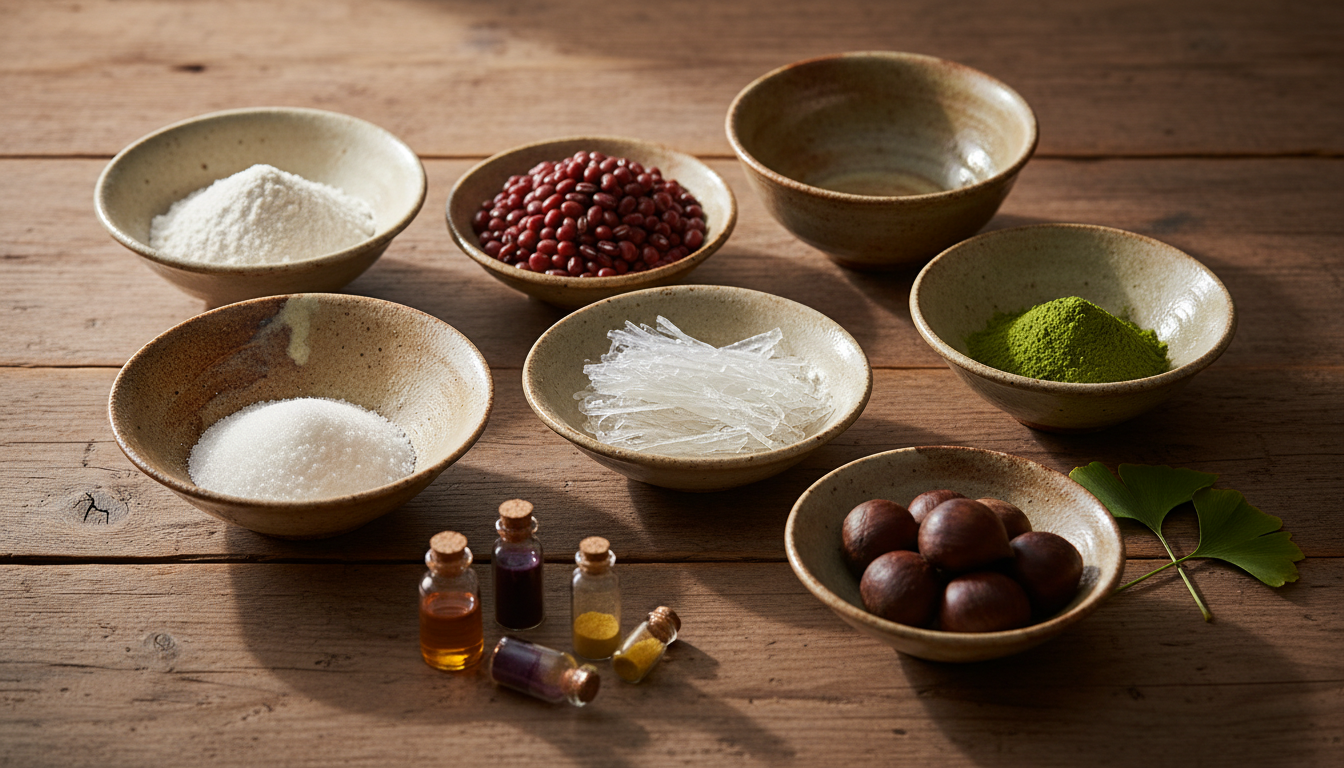
和菓子作りに欠かせない原料。その種類は実に多彩です。 本記事では、和菓子原料を穀物粉類、豆類、甘味料、凝固剤、風味素材、着色料、その他副材料の7つに分けて整理します。
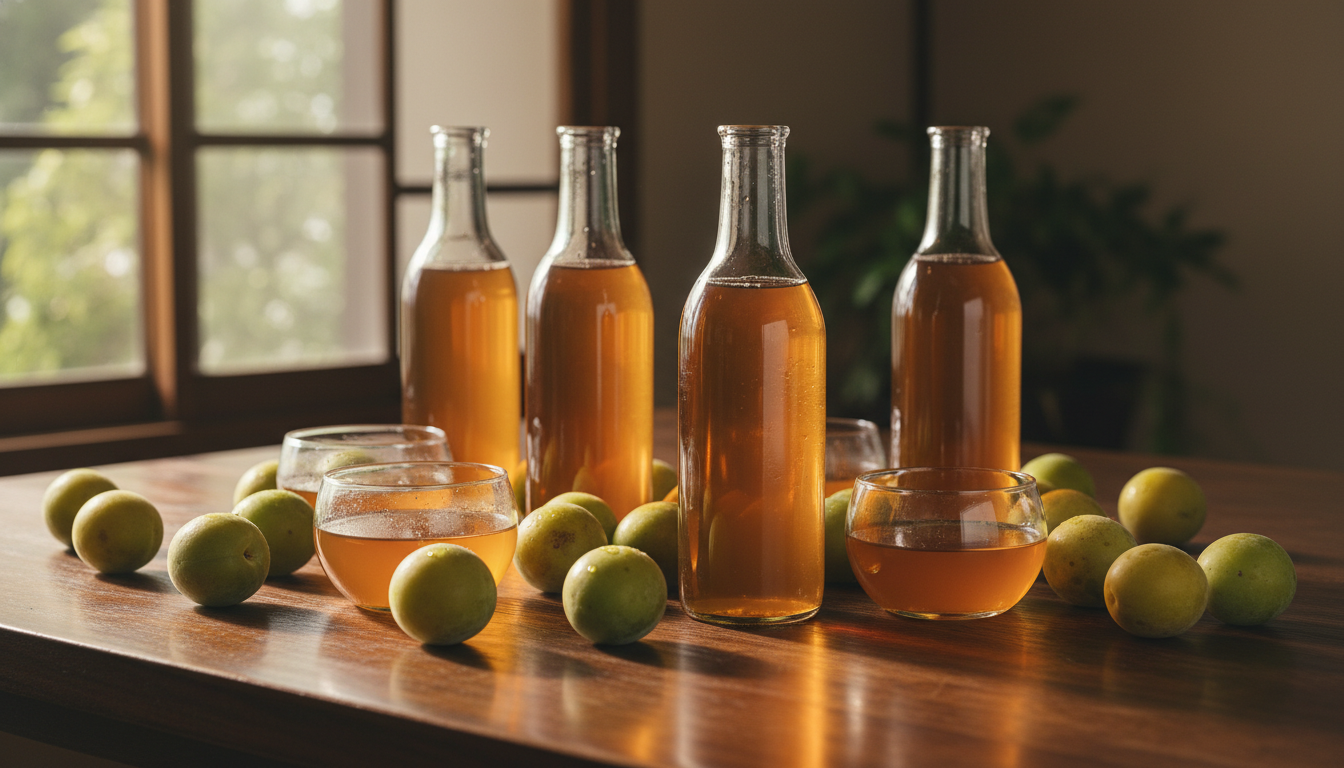
梅の液体原料を発注するとき、「梅果汁」という言葉だけでは中身が決まりません。 美濃与には梅果汁と梅糖抽出梅果汁の2つがあり、作り方も味の出方も別物です。同じ名前が付いているぶん、取り違えると味の設計からやり直しになります。
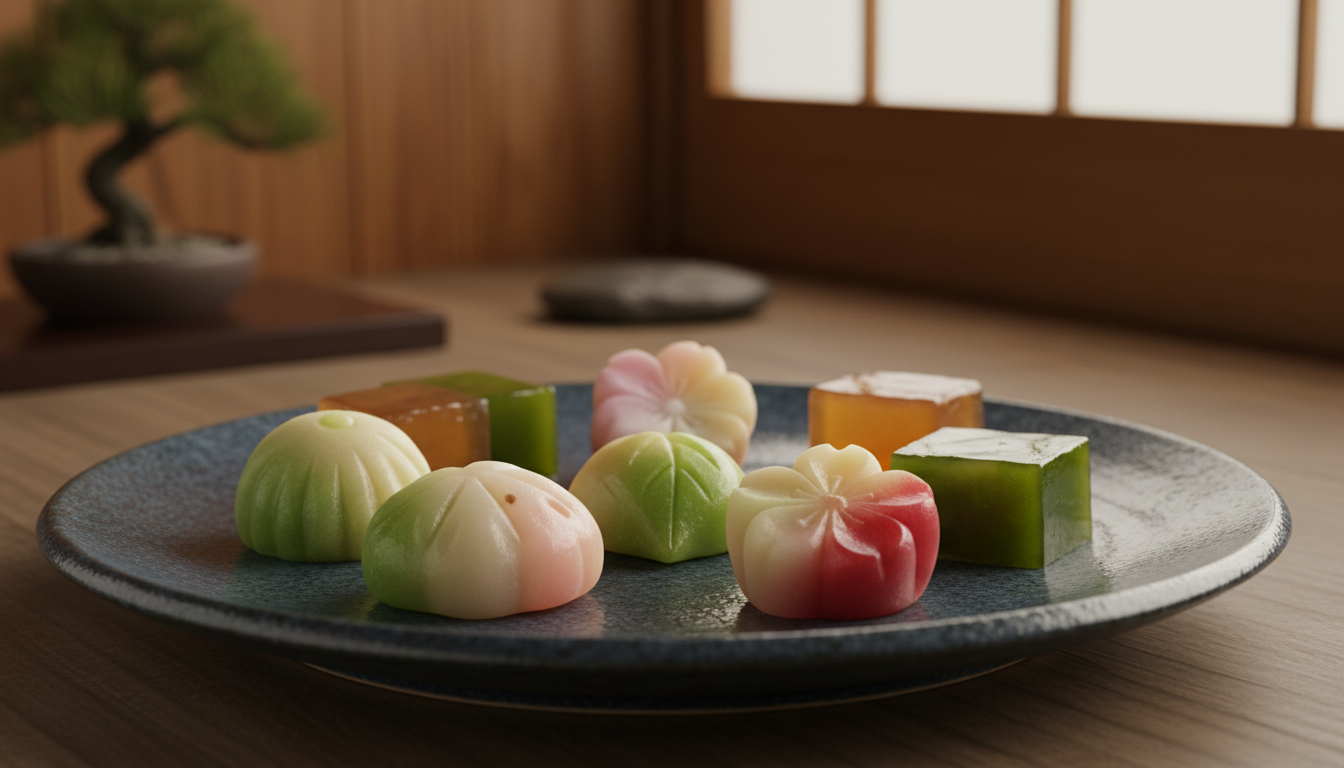
和菓子のツヤは、水飴・寒天・葛粉などの原料選びと、塗る温度やタイミングで決まります。ツヤのある和菓子は、視覚的に食欲をそそり、高級感を演出します。さらに、乾燥を防ぎ、風味を閉じ込める役割も果たしているのです。
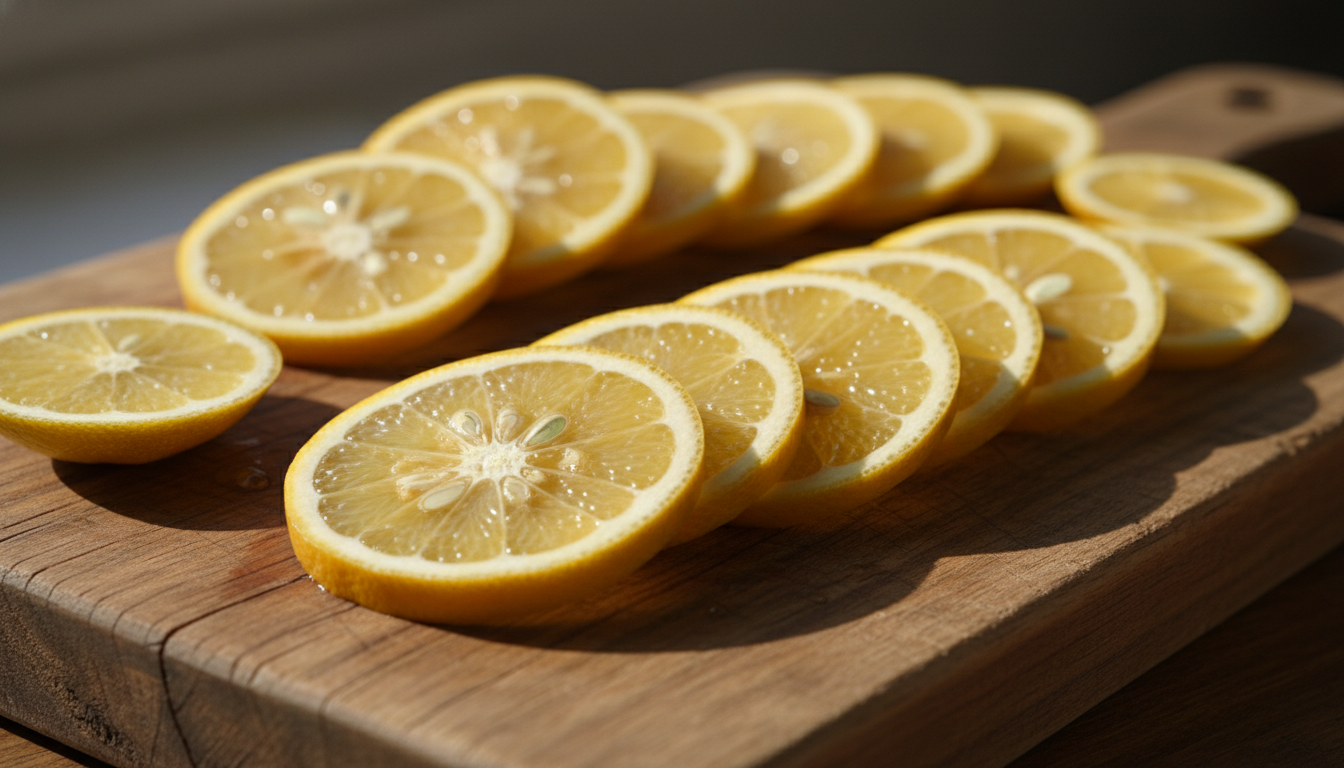
和菓子店や飲食店にとって、柚子スライスは季節感を演出する重要な素材です。 柚子スライスは、和菓子だけでなく洋菓子や飲料にも使われます。
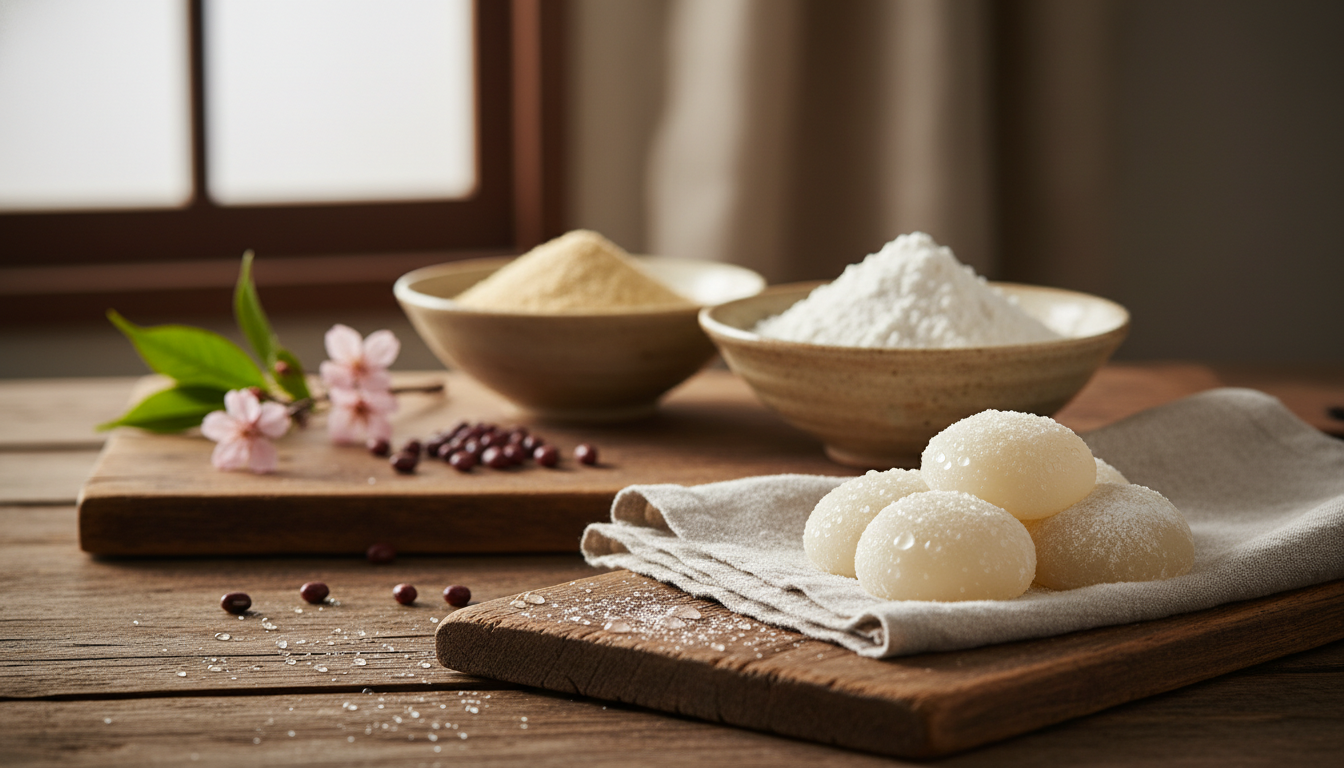
One of the elements that defines the appeal of wagashi is a "chewy" texture. This distinctive texture varies greatly depending on the type of raw materials used and the balance of proportions.
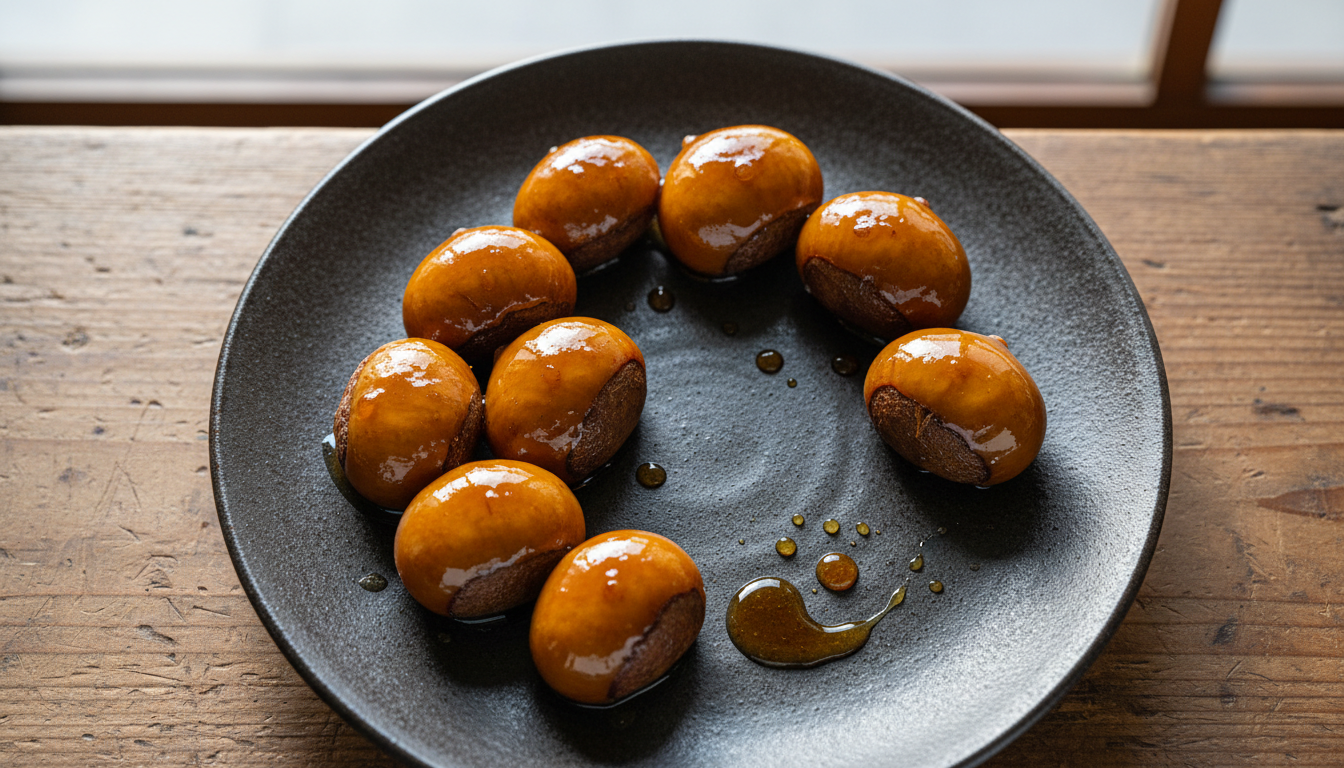
栗を使った菓子を製造する際、原料選びは仕上がりを左右する重要な要素です。 業務用栗甘露煮は、サイズや品質、渋皮の有無によって価格帯が大きく異なります。適切な選択をすることで、コストを抑えながら高品質な商品を提供できるのです。
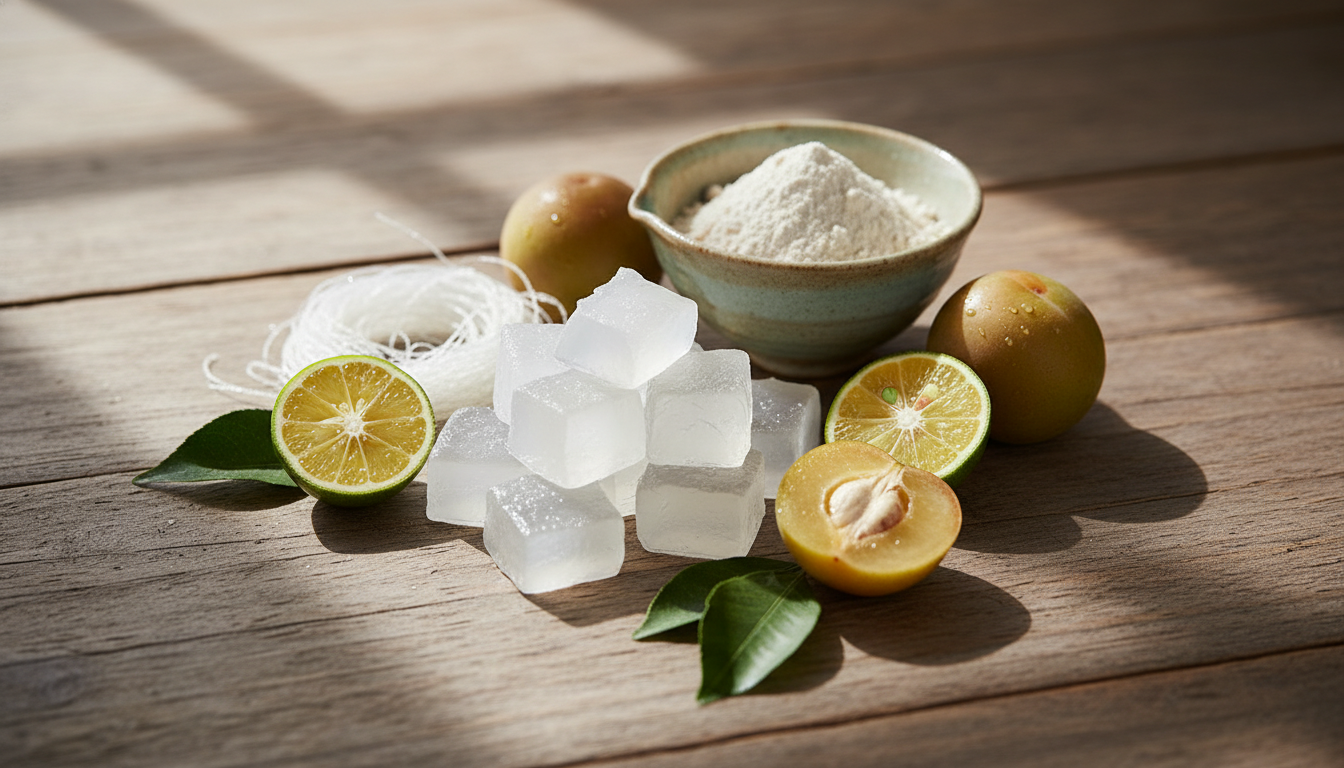
夏の和菓子では、見た目と食感で涼しさを出すことが求められます。透明感やみずみずしい食感をもつ素材を使うことで、視覚的にも味覚的にも爽やかさを表現できます。 特に注目すべきは、本蕨粉、本葛、寒天といった伝統的な素材たち。
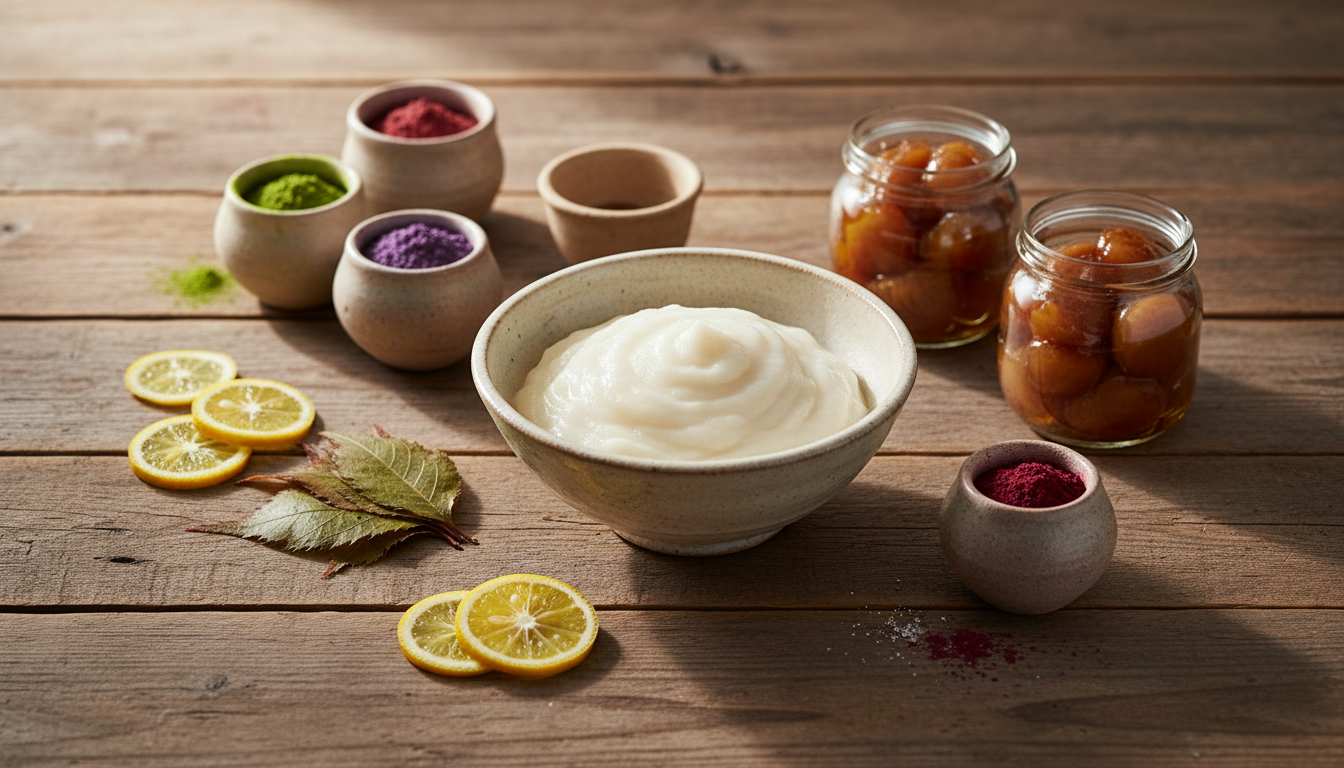
In running a wagashi shop, the quality of your ingredients determines the taste and reputation of your products. No matter how excellent your technique, without good ingredients, true deliciousness cannot be born. That is why meeting a reliable ingredient wholesaler is a crucial choice that shapes a wagashi shop's future.
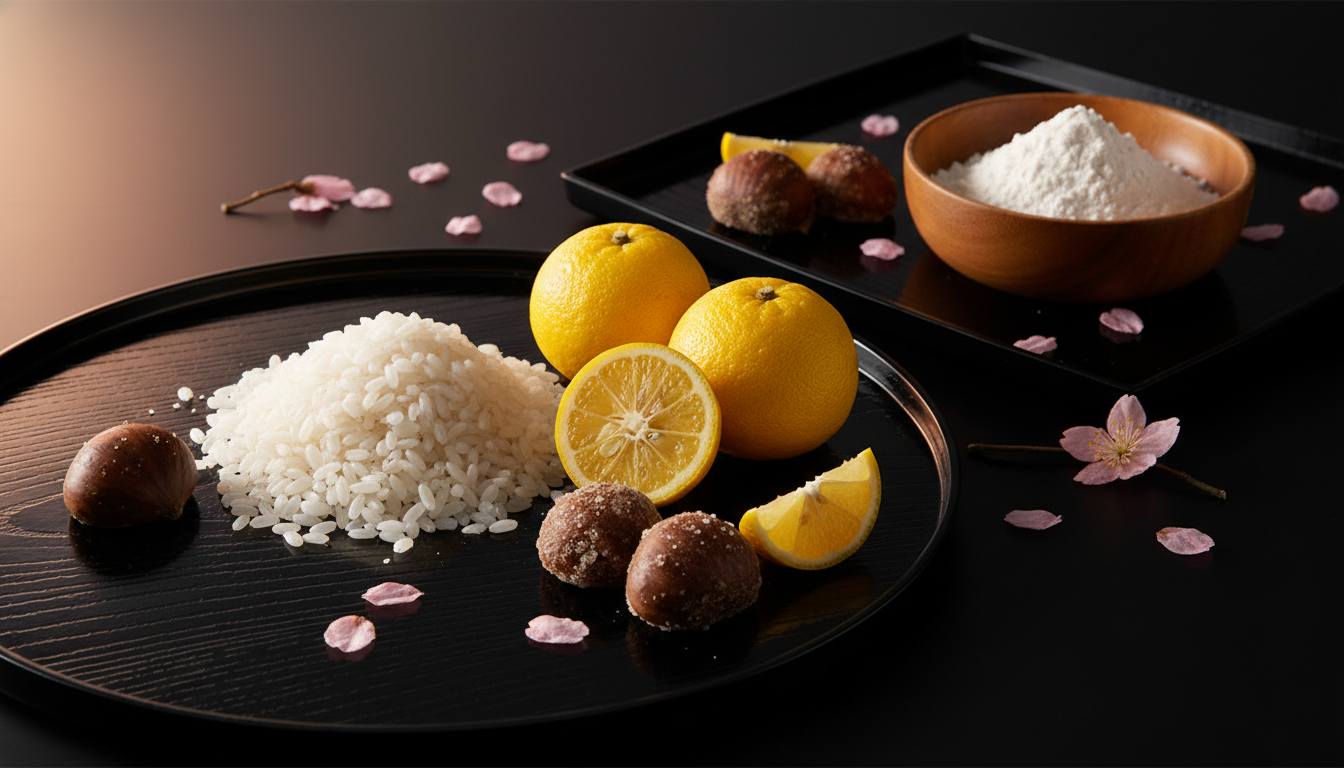
The wagashi that color the New Year are a concentration of Japanese tradition and artisan skill. Red-and-white gyuhi, glossy chestnut kinton, chewy mochi confections—these celebratory sweets are supported by carefully selected ingredients and sure production methods.
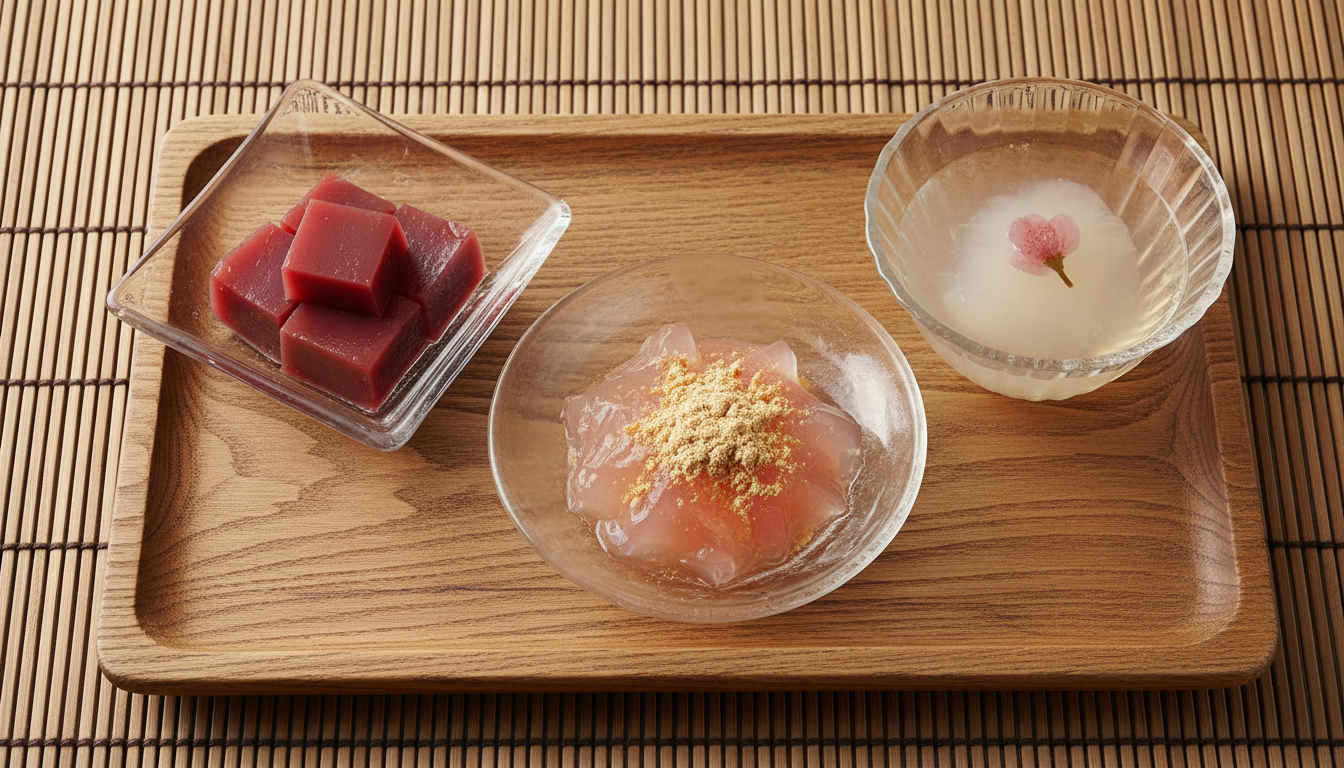
和菓子のゼリーは、凝固剤に何を選ぶかで仕上がりが変わります。 寒天、ゼラチン、アガー。それぞれに個性があり、選び方ひとつで食感も透明感も、まるで別物に変わります。
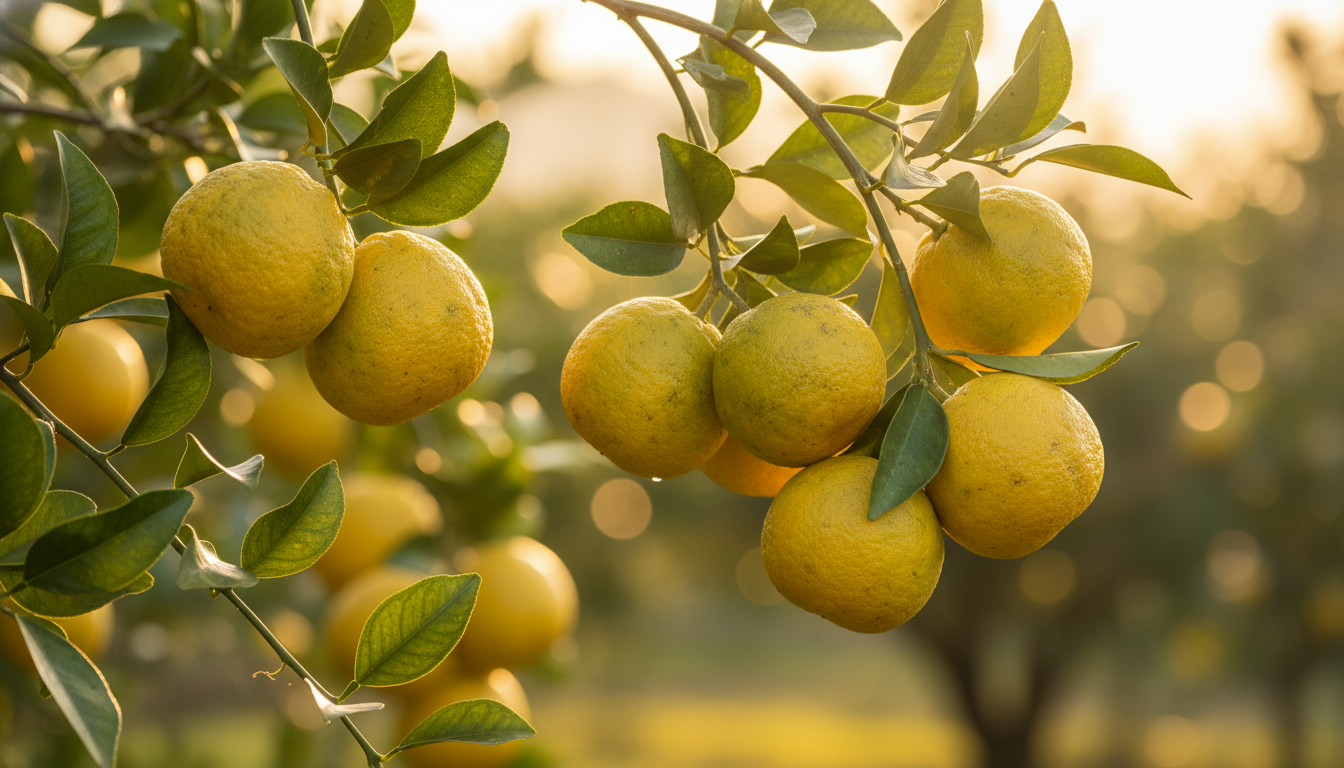
菓子メーカーの開発・購買担当にとって、柚子加工品の選定は商品の品質を左右する重要な決断です。 産地によって風味が異なり、加工形態によって使い勝手も変わる。品質の見極め方を知らなければ、コストばかりかさんで満足のいく商品が作れません。
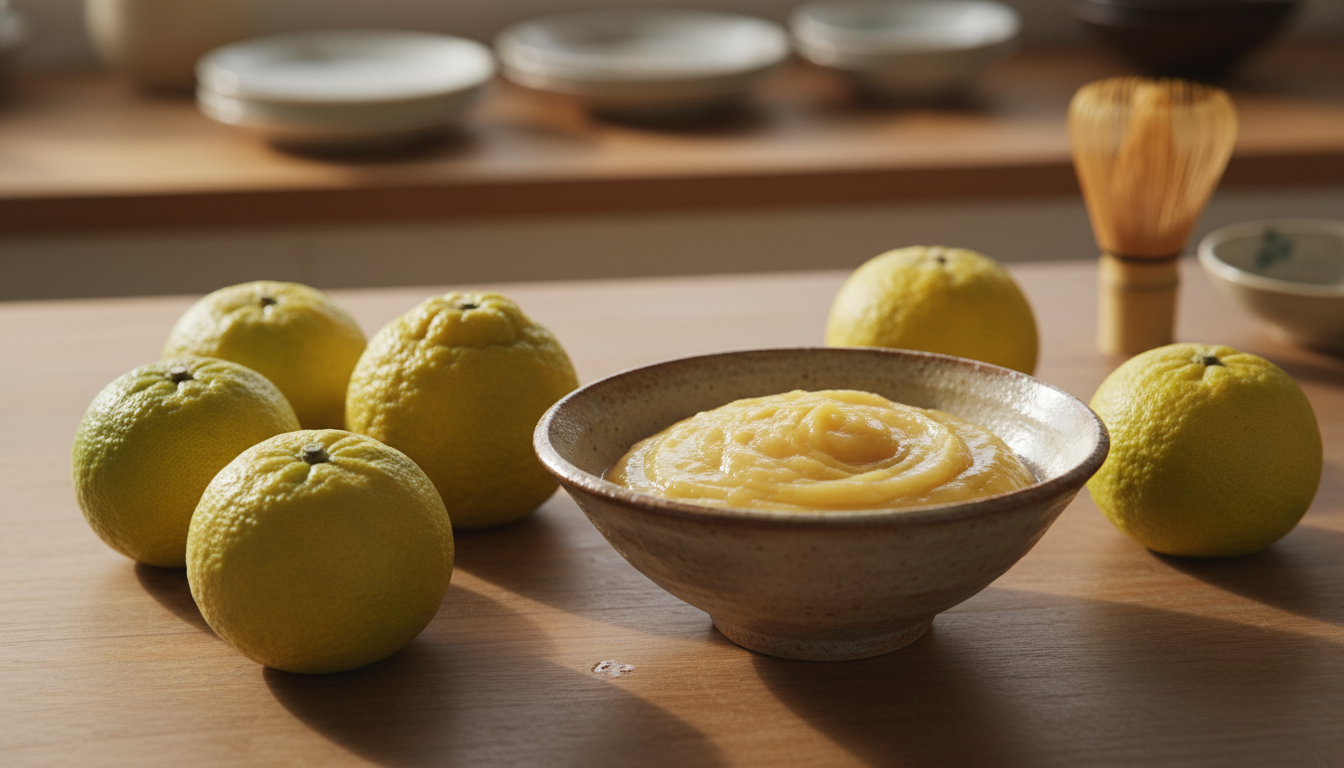
柚子ペーストは、和菓子や洋菓子に柚子の風味を加えるときに使う原料です。 柚子の香りと酸味、ほのかな苦味を少量で加えられる素材です。
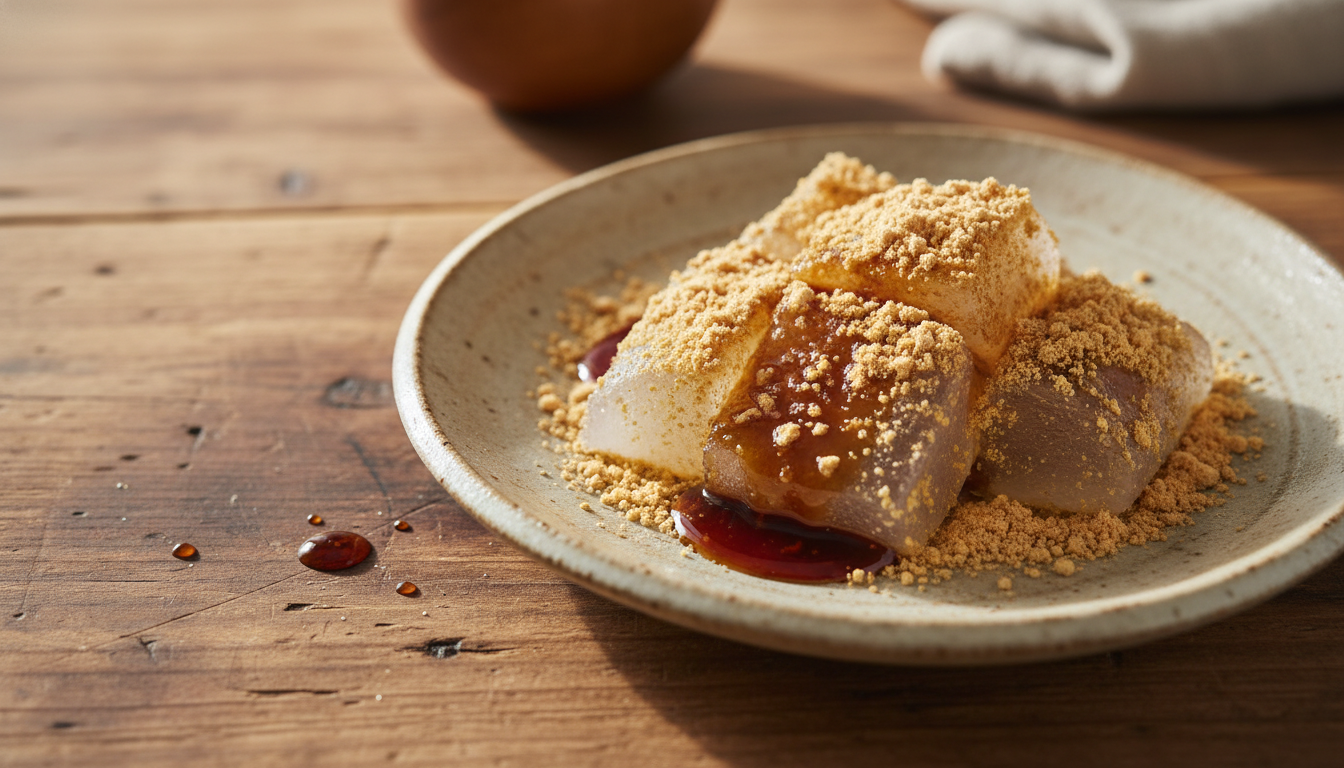
If you are going to make warabi mochi, start with choosing your ingredients. The ingredients needed for authentic warabi mochi are actually very simple. Just three—warabi starch, sugar, and water—create that translucent, chewy texture. However, the selection and balance of these three ingredients greatly affect the finished result.
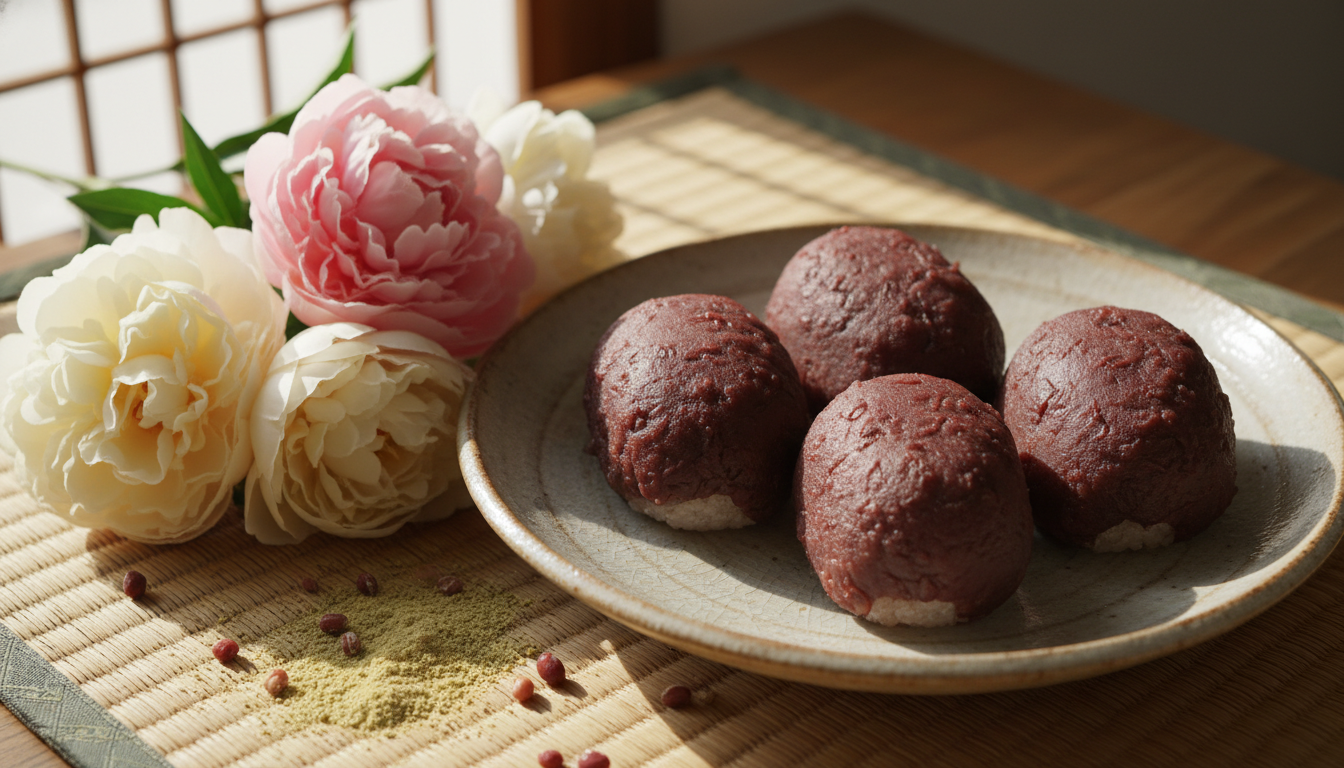
Botamochi is a traditional Japanese wagashi essential to the spring equinox (higan). Named after the botan (peony) flower, this wagashi is made by coating a mochi-rice dough with adzuki-bean an.
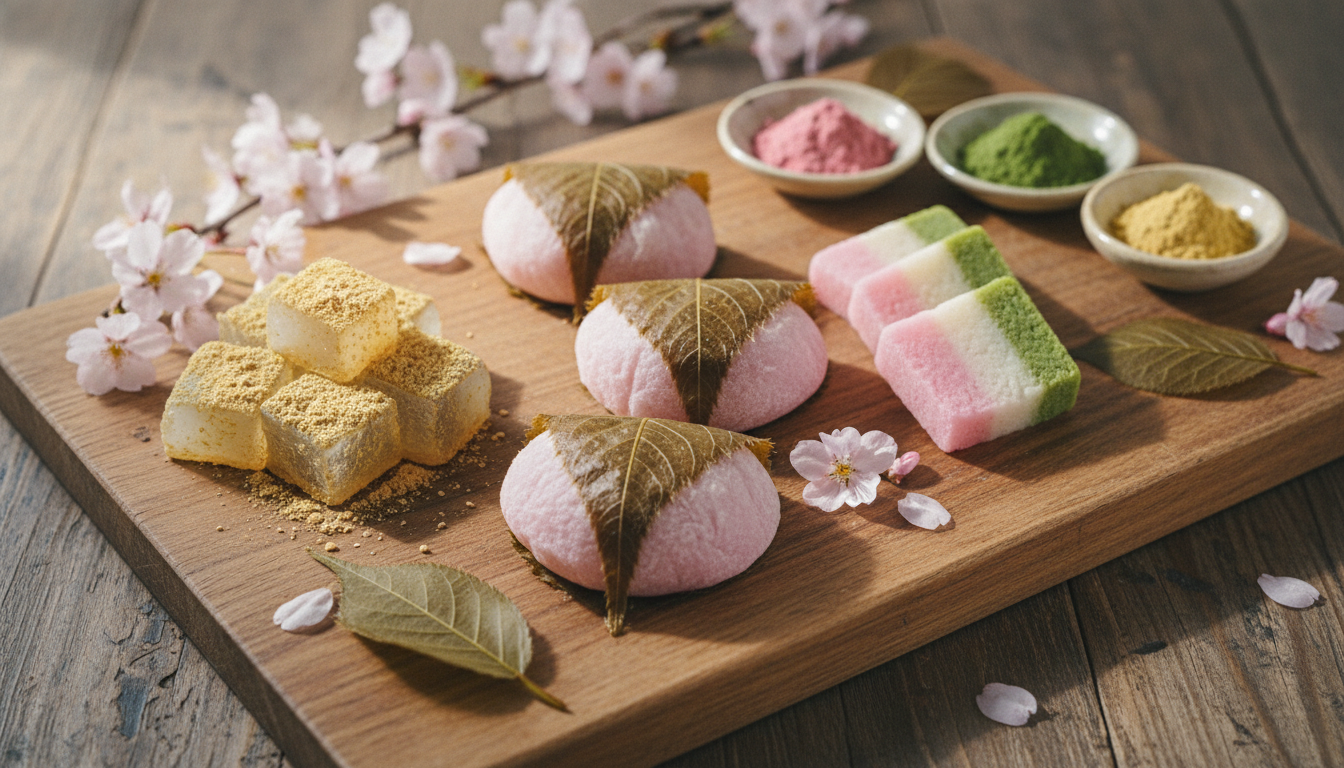
On this day, which wishes for the healthy growth of girls, gorgeous wagashi are essential. The three colors of hishi mochi, the pale peach of sakura mochi, the gentle sweetness of shirozake—these wagashi make the Hinamatsuri table special not only through visual beauty but also through flavors and fragrances that herald the arrival of spring.
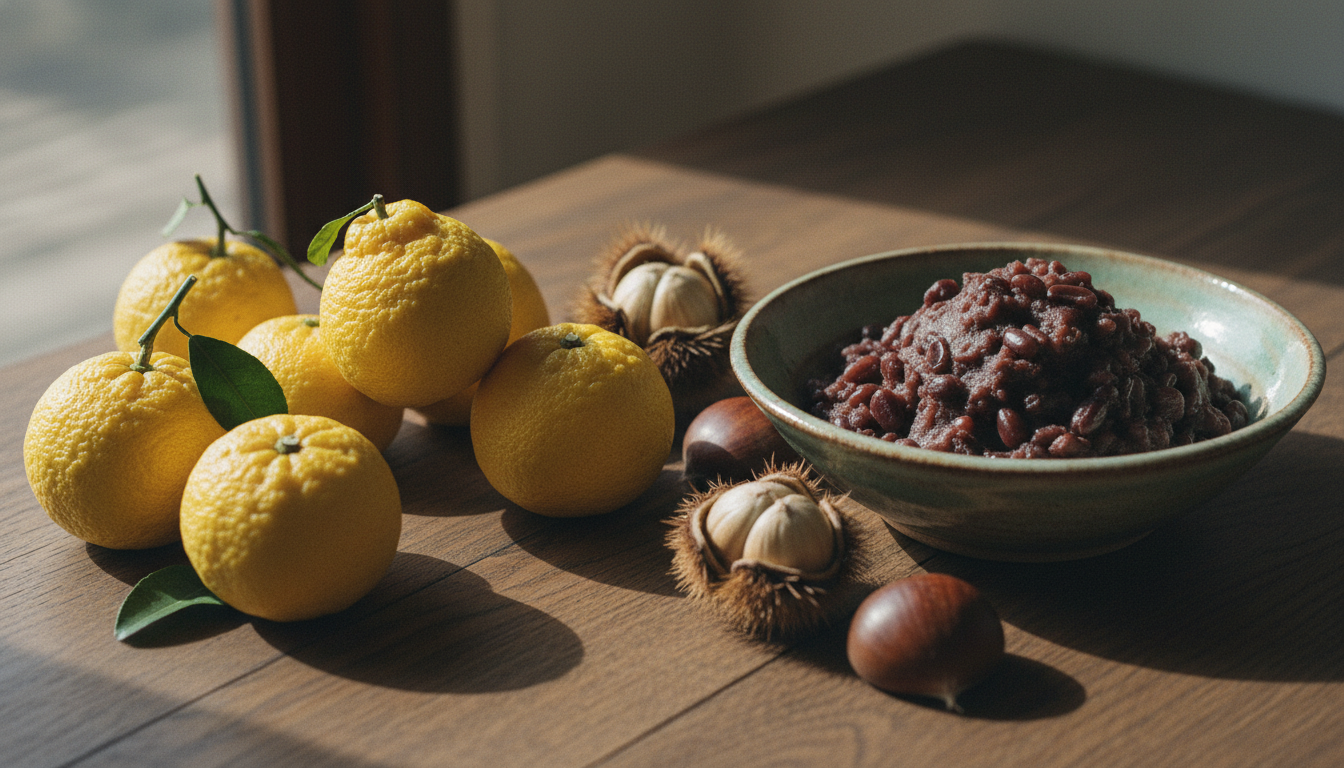
Making winter wagashi calls for materials unique to the season. The refreshing aroma of yuzu, the refined sweetness of adzuki beans, the mealy texture of chestnuts—these winter materials offer flavors that shine precisely because of the cold season.
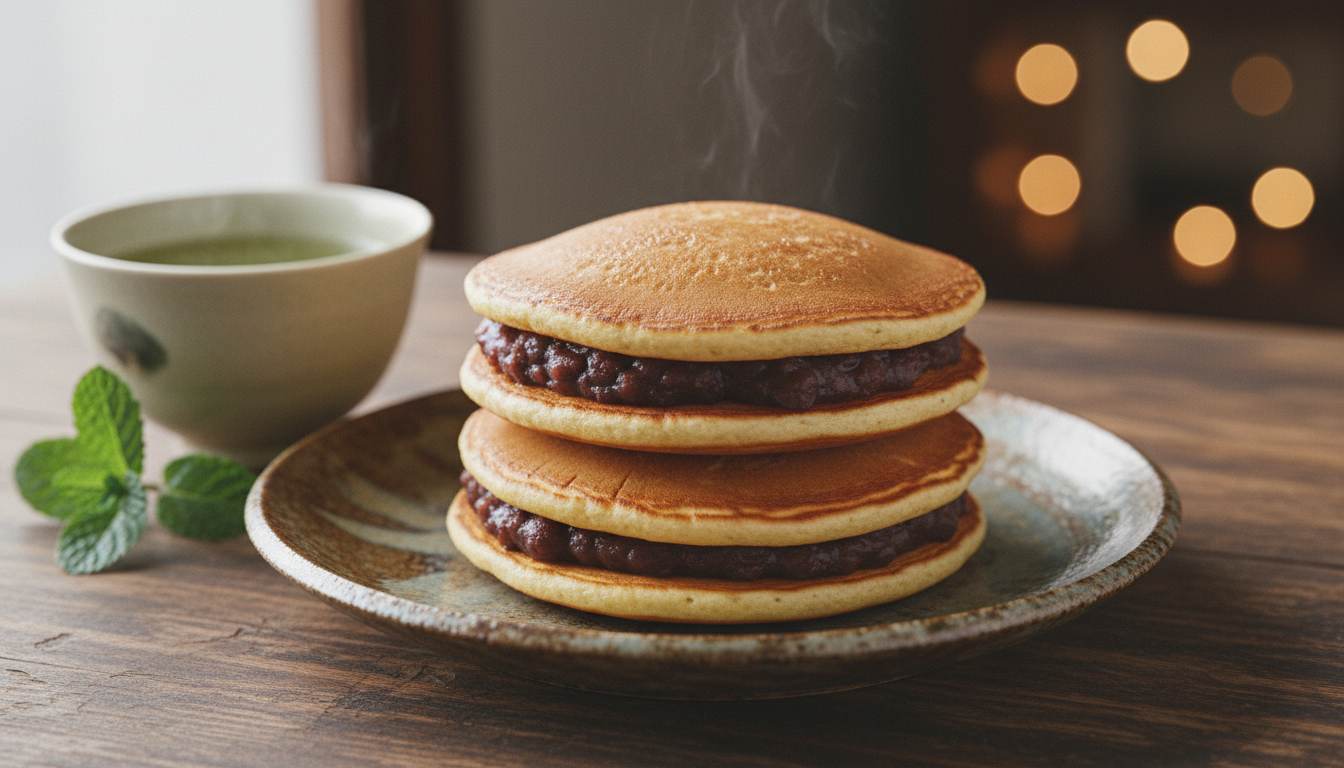
Dorayaki has long been loved as a standard Japanese wagashi. The secret to its deliciousness lies in raw materials combined in a simple yet exquisite balance. The base ingredients are three: egg, sugar, and flour.
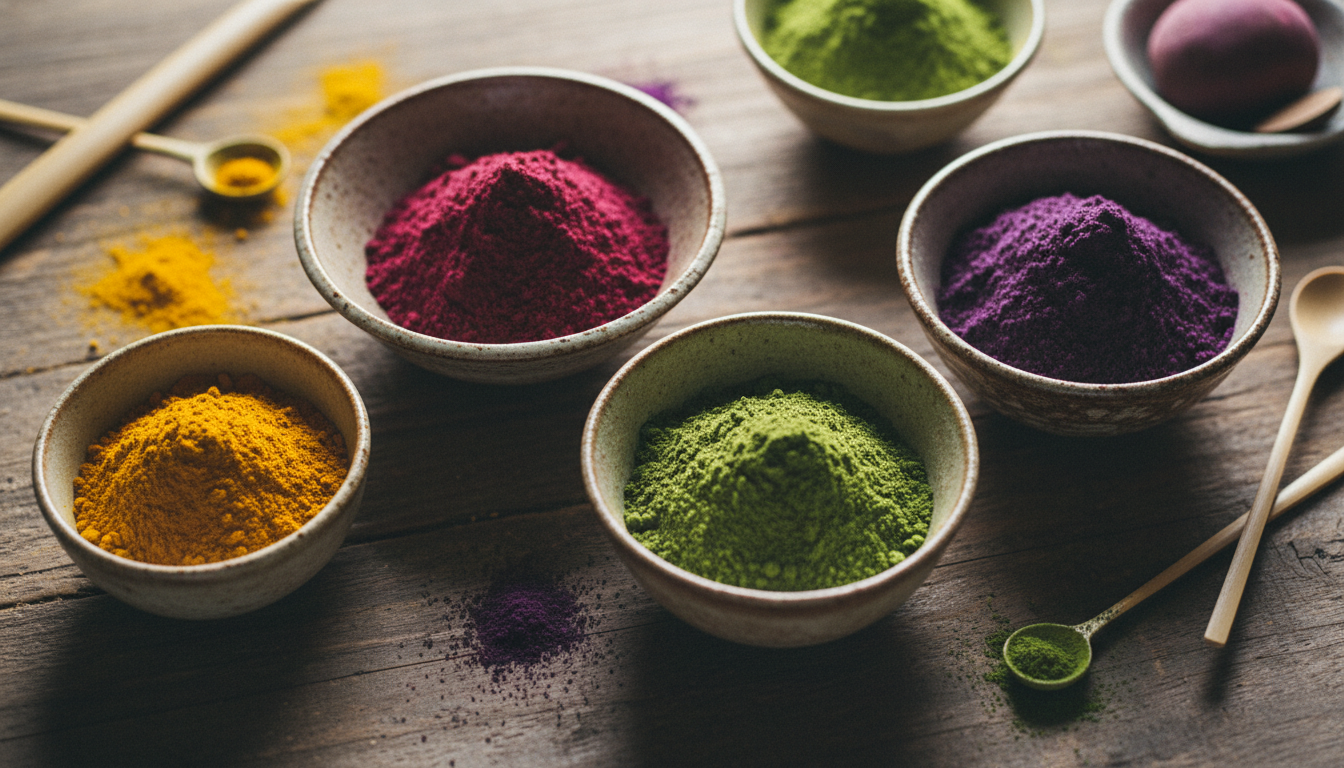
和菓子の美しさは、その繊細な色合いにあります。 春の桜餅のピンク、夏の水菓子の涼やかな青、秋の栗きんとんの黄金色。こうした色には、天然着色料も合成着色料も使われています。
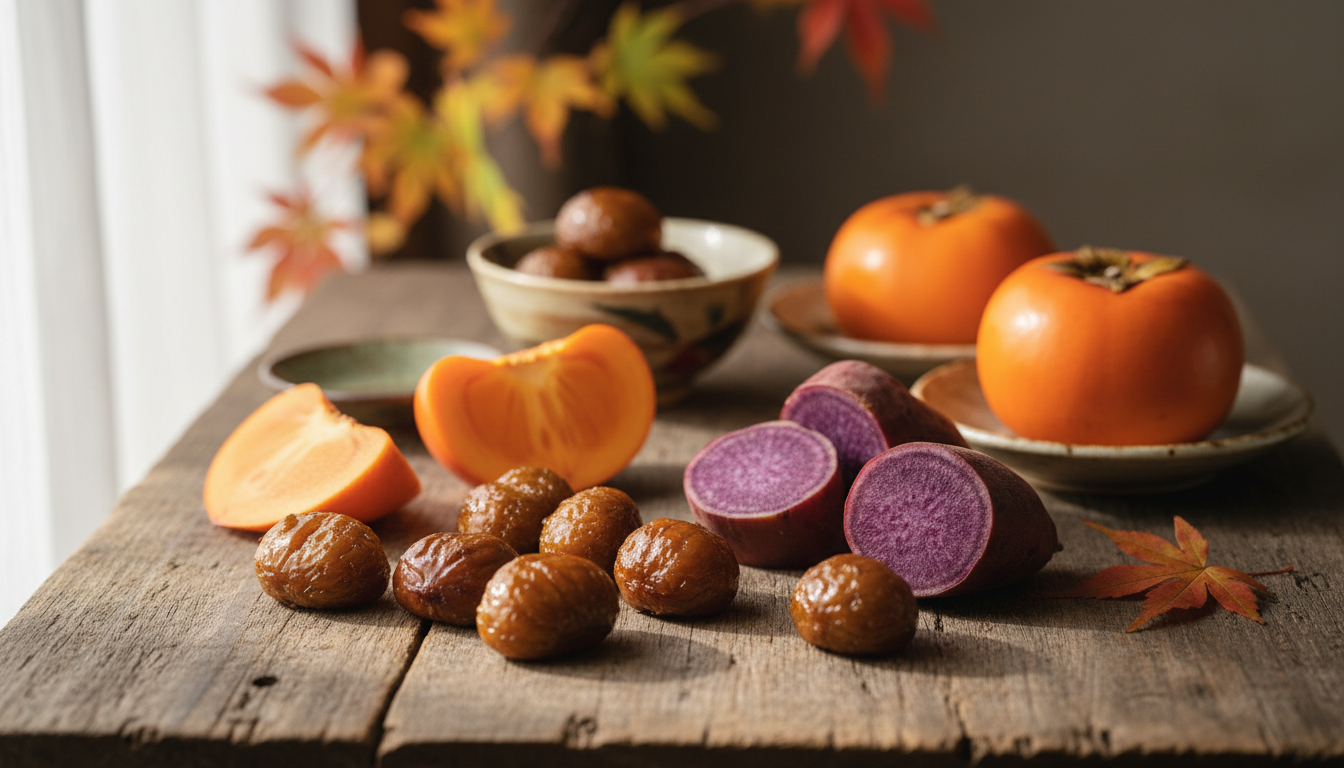
For wagashi artisans, autumn is the season that most stirs the creative spirit. When autumn's flavors—chestnuts, sweet potatoes, persimmons—begin to appear at storefronts, anticipation grows for making wagashi with them.
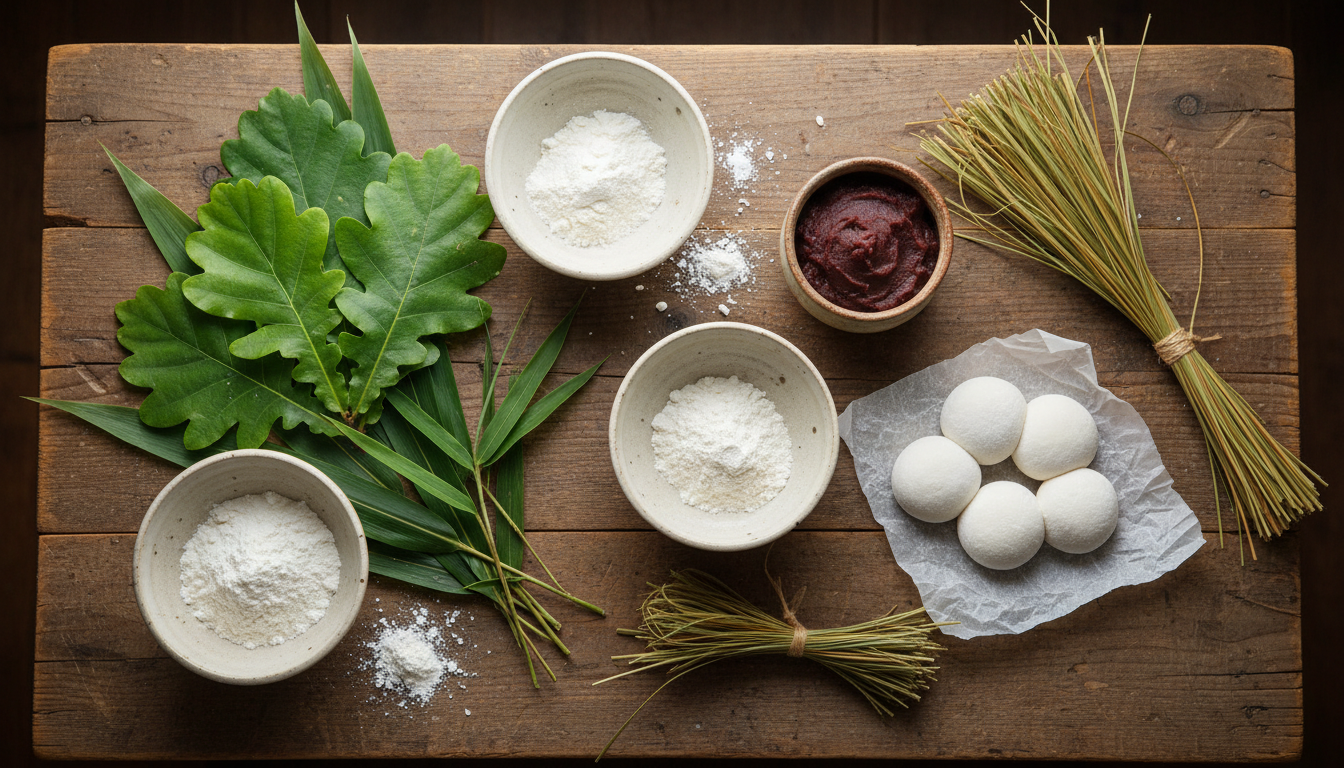
端午の節句に欠かせない和菓子といえば、柏餅とちまきです。 柏餅とちまきでは、使う粉や葉が異なります。柏餅には上新粉や白玉粉、餡、そして柏の葉が必要です。ちまきには上新粉やもち粉、砂糖、笹の葉が欠かせません。


