
How to Avoid Mistakes When Choosing Domestic Yuzu Processed Products
菓子メーカーの開発・購買担当にとって、柚子加工品の選定は商品の品質を左右する重要な決断です。
Flavor differs by producing region, and usability changes by processing form. Without knowing how to assess quality, costs mount while you fail to produce a satisfying product.
国産柚子加工品の選び方を理解すれば、お客様に喜ばれる商品開発が可能になります。産地ごとの特徴、加工形態の違い、品質の見方、発注の組み方を順に整理します。
See Minoyo's Product List Here
Yuzu Flavor Characteristics That Change by Producing Region
国産柚子には複数の産地があります。以下では高知県北川村と大分県日田市の例を取り上げます。
高知県北川村の柚子
高知県は日本最大の柚子産地として知られています。特に北川村の柚子は品質が高く評価されています。
北川村では実生のゆずと接ぎ木のゆずが栽培されており、実生のゆず酢は風味や香りが接ぎ木より強いとされます。
Yuzu from Hita City, Oita Prefecture
日田市では日田柚子部会が品質管理を徹底しています。青果と加工品の出荷基準が明確に定められており、生産者が品質を守るため出荷基準を入念に確認しながら生産しています。
A distinctive feature is a shipping plan that responds to seasonal demand, such as yuzu for the winter solstice.
Characteristics of Each Processing Form and How to Use Them Selectively
柚子加工品はスライス・ジャム・ペースト・果汁の形で流通しており、工程と保管条件で使い分けます。
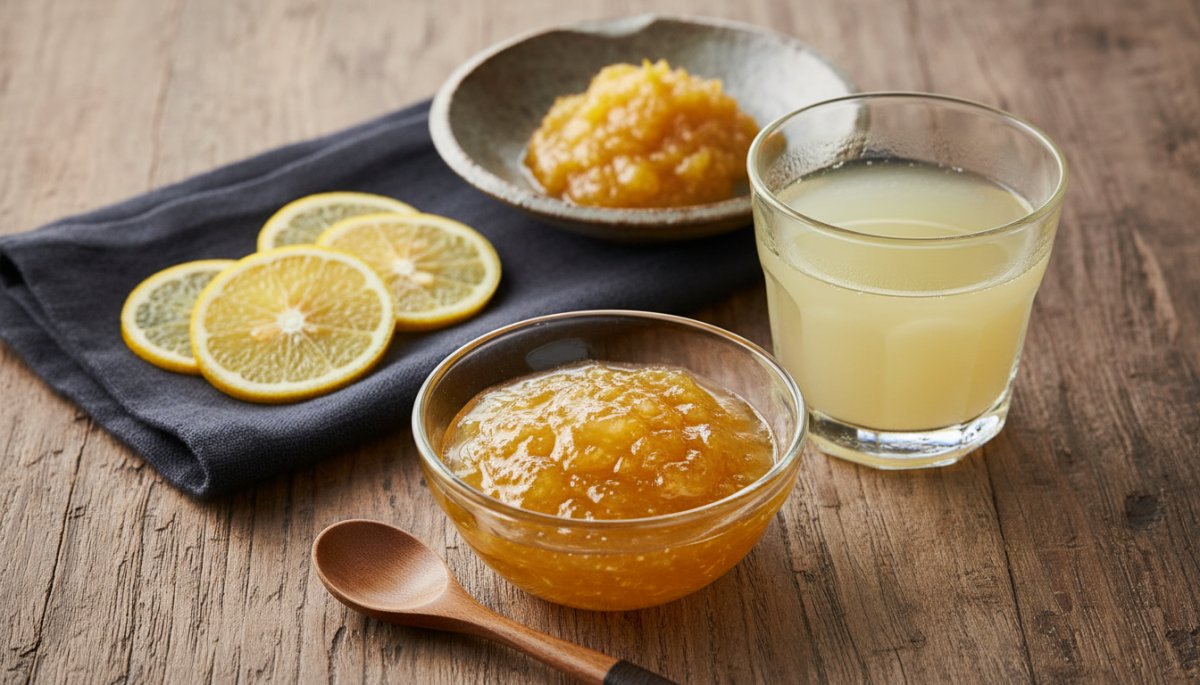
Yuzu Slices
Yuzu slices are made from thinly sliced yuzu. Ideal for topping habutae mochi and fresh confections, they are characterized by the refreshing aroma and pleasant tartness of yuzu. They require refrigerated storage, and the standard spec is generally 11kg units.
Yuzu Jam / Yuzu Paste
柚子ジャムは果肉と果汁を煮詰めたもので、濃厚な柚子の風味が楽しめます。餡に混ぜ込んだり、クリームと合わせたりと幅広い用途に使用できます。規格は2kgと20kgです。
生柚子ペーストは柚子をペースト状にした原料で、要冷蔵の11kg規格です。
Yuzu Juice
Yuzu juice preserves its fresh flavor through frozen storage. You can enjoy the fresh flavor of yuzu anytime, adding yuzu's tartness and aroma to wagashi and desserts. The standard spec is 2kg×6 bottles.
柚子加工品の品質は何で見るか
To assess the quality of domestic yuzu processed products, specific criteria are needed.
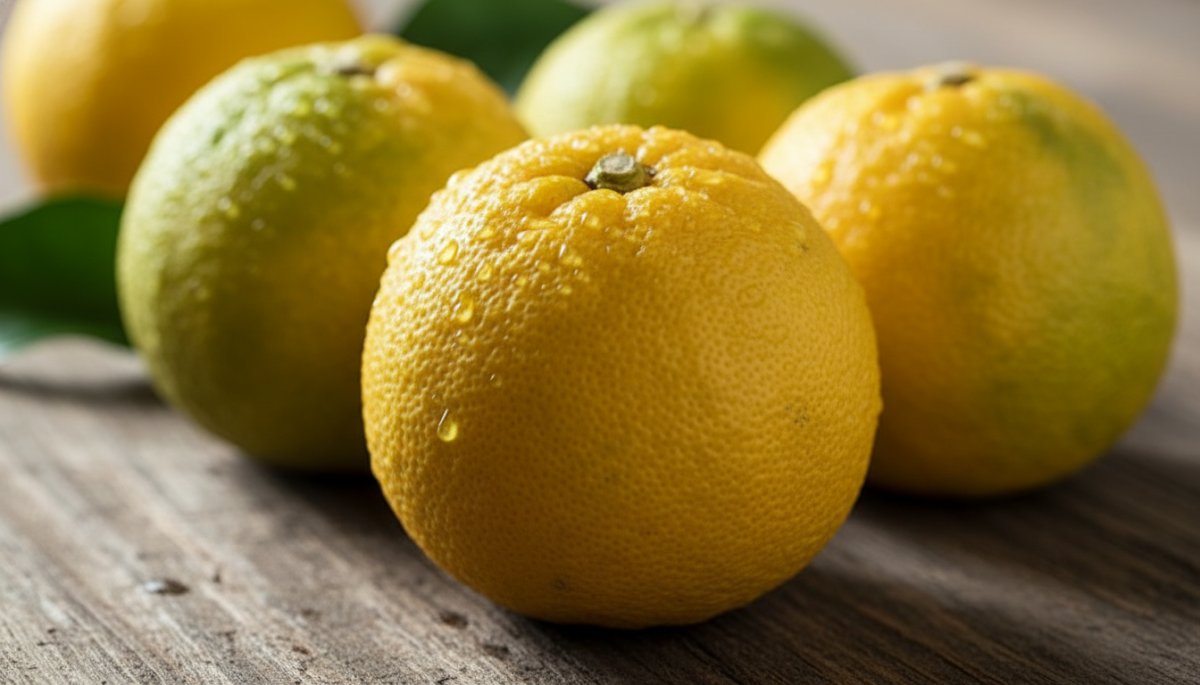
1. Strength and Quality of Aroma
The aroma of yuzu is the single most important factor in judging quality. Choose products whose refined, refreshing aroma lasts. It has been reported that seedling-grown yuzu contains more aromatic compounds than the grafted variety.
2. Balance of Tartness
Kitagawa Village yuzu is rated as having a "moderately mellow tartness." A tartness that is not too strong but has mellowness is the mark of high quality.
3. Condition of the Peel
Peel that is plump and has a delicate flavor is a sign of good quality. Check the thickness and color of the peel as well.
4. Verifying the Cultivation Method
産地や栽培方法の情報は、仕入れ先の規格書や産地資料で確認しましょう。
5. Storage Condition and Freshness
Check whether refrigerated or frozen storage is being carried out appropriately. The storage method directly affects quality maintenance.
Practical Techniques for Cost Management and Ordering
Striking a balance between quality and cost is the key to management.
Making Use of Commercial-Use Specs
使用量と保存期間に合わせて規格を選ぶと、コストを抑えやすくなります。
The standard specs are 11kg for yuzu slices, 2kg or 20kg for yuzu jam, 11kg for fresh yuzu paste, and 2kg×6 bottles for yuzu juice.
Responding to Seasonal Demand
冬至向けの柚子など、季節需要を見越して早めに発注量を決めておきます。裏年と表年のサイクルを理解し、出荷量の変動に備えましょう。
Using Multiple Producing Regions Selectively
商品特性に応じて産地を使い分けることで、コストと品質の最適化が図れます。
Practical Techniques Professionals Use
Do you know how to make the most of yuzu processed products?

How to Use Yuzu Slices
Using them as a topping for habutae mochi adds visual gorgeousness and the aroma of yuzu. They are also ideal as a garnish for fresh confections, adding a sense of the season.
Applications for Yuzu Jam
餡に混ぜ込むことで、柚子風味の餡が簡単に作れます。クリームと合わせて洋風アレンジも可能です。
How to Use Yuzu Juice
和菓子やデザートに柚子の酸味と香りを加える用途に使えます。
Summary: Achieve Differentiation with Domestic Yuzu Processed Products
Once you master how to choose domestic yuzu processed products, you can achieve both improved product quality and cost management.
Understand the flavor characteristics of each producing region, use processing forms selectively, and assess quality against clear standards. These three steps are the professional's art of selection.
高知県北川村、大分県日田市など、産地ごとの特徴を踏まえて選んでください。柚子スライス、柚子ジャム、生柚子ペースト、柚子果汁それぞれの特性を理解し、用途に応じて最適な形態を選びましょう。
By making use of commercial-use specs, responding to seasonal demand, and using multiple producing regions selectively, you can optimize the balance between cost and quality.
Make use of these selection points, which you can put into practice starting today, to achieve product development your customers will love.
See Minoyo's Product List Here
Please feel free to consult us about commercial procurement and sample requests
美濃与は京都に拠点を置く京菓子原材料の専門商社です。本記事で取り上げた原料の業務用調達や、お試しサンプル、ロット・規格のご相談など、和菓子製造の現場に寄り添った提案を行っています。
For Minoyo's business and strengths, please see Our Business & Why We Are Chosen . For the actual flow of doing business, see Ordering Process & How to Order; for questions, we have compiled them at Frequently Asked Questions . For individual consultations, please use Contact or material download to get in touch.


