
同じ粉でも仕上がりが違う?米粉は製粉方法で変わる
同じ名前の粉を仕入れたのに、前と同じ配合で作ると生地の状態が違う。粉を切り替えたら水の入り方が変わった。こうした経験は、和菓子の製造現場では珍しくありません。 農林水産省の資料には、上新粉・白玉粉・もち粉といった米粉には小麦粉のような規格や定義がなく、地域によって製粉方法がさまざまであると記されてい
同じ名前の粉を仕入れたのに、前と同じ配合で作ると生地の状態が違う。粉を切り替えたら水の入り方が変わった。こうした経験は、和菓子の製造現場では珍しくありません。 農林水産省の資料には、上新粉・白玉粉・もち粉といった米粉には小麦粉のような規格や定義がなく、地域によって製粉方法がさまざまであると記されてい
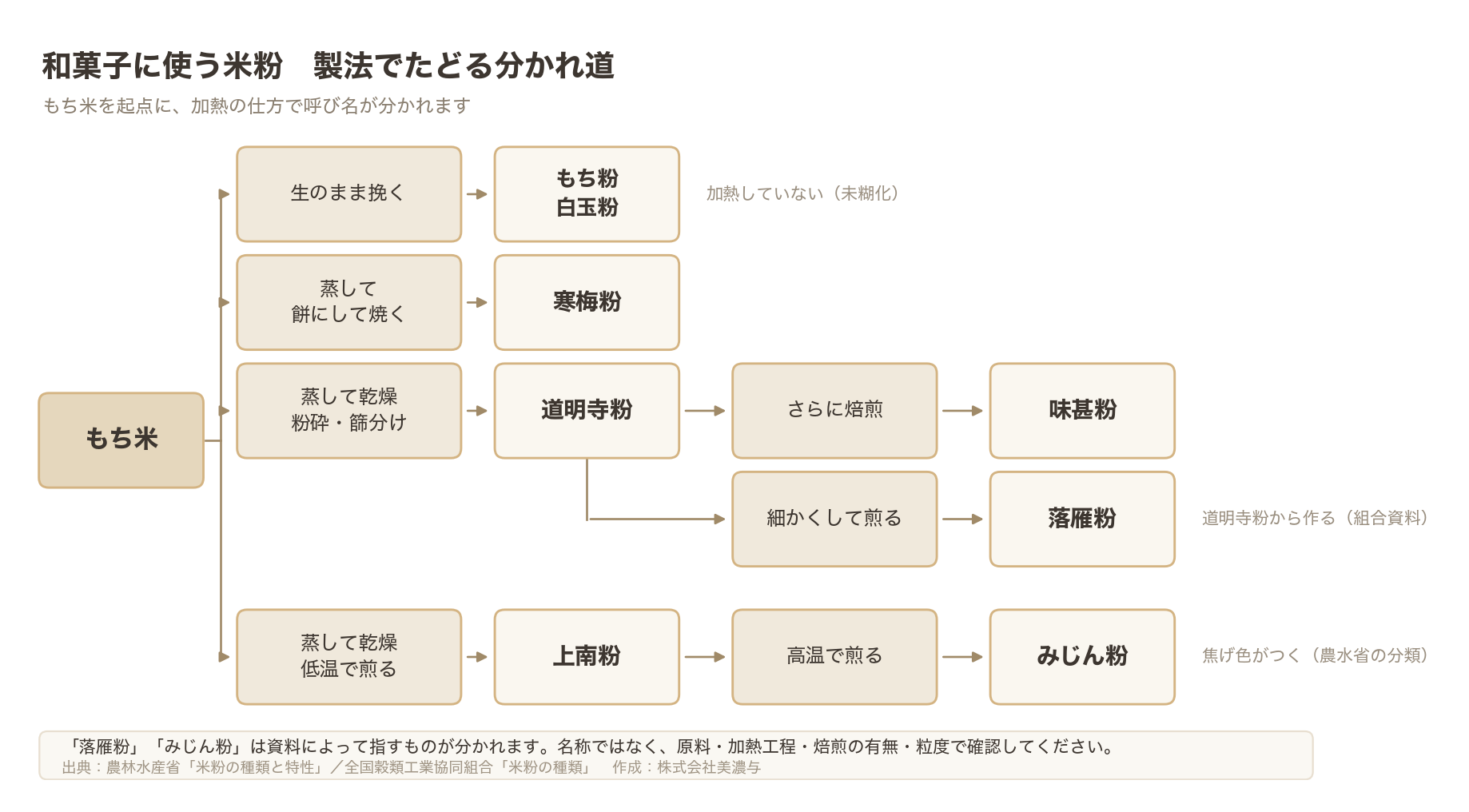
落雁や打ち物の材料を探すと、「寒梅粉」「上南粉」「落雁粉」「味甚粉」「みじん粉」と、似た粉の名前がいくつも出てきます。どれも米が原料で見た目も近いため、レシピにある名前と手元の在庫が一致せず、代用してよいのか判断に迷う場面があります。 混乱の原因は、名前が製法と一対一で対応していないことにあります。
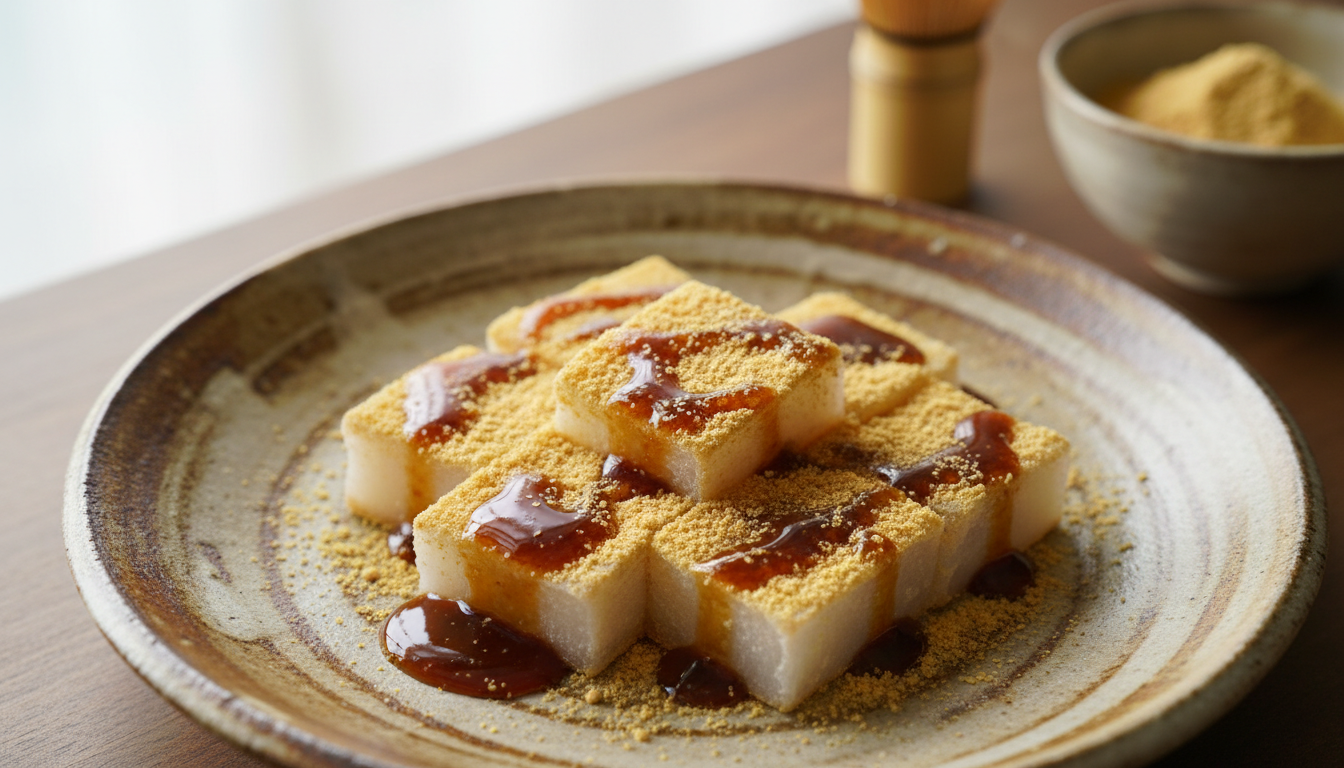
夏の和菓子といえば、透明感あふれる葛餅。 ぷるんとした食感と、ひんやりとした口当たりが夏の暑さを忘れさせてくれます。葛餅のなめらかさと透明感は、本葛粉の選び方、練り方、加熱中の温度管理で決まります。
薯蕷饅頭のふくらみと肌は、山芋の粘りで決まります。 問題は、その粘りをどこから取るかです。粉だけで組むのか、生の芋を併用するのか。ここで工程も、仕込みの安定性も、原材料表示も変わります。
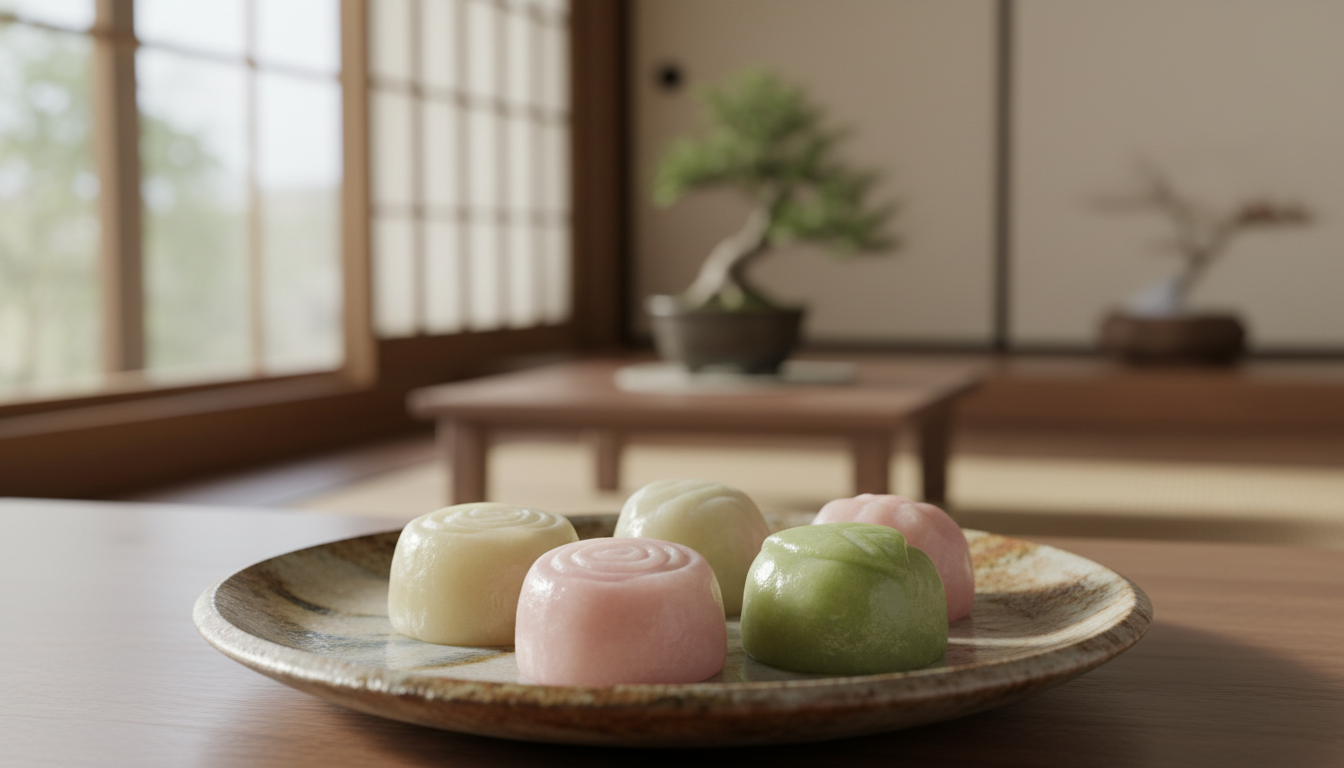
米粉を使った和菓子は、独特のもちもち食感と優しい甘さが特徴です。グルテンフリー需要の高まりとともに、米粉を活用した和菓子が注目を集めています。
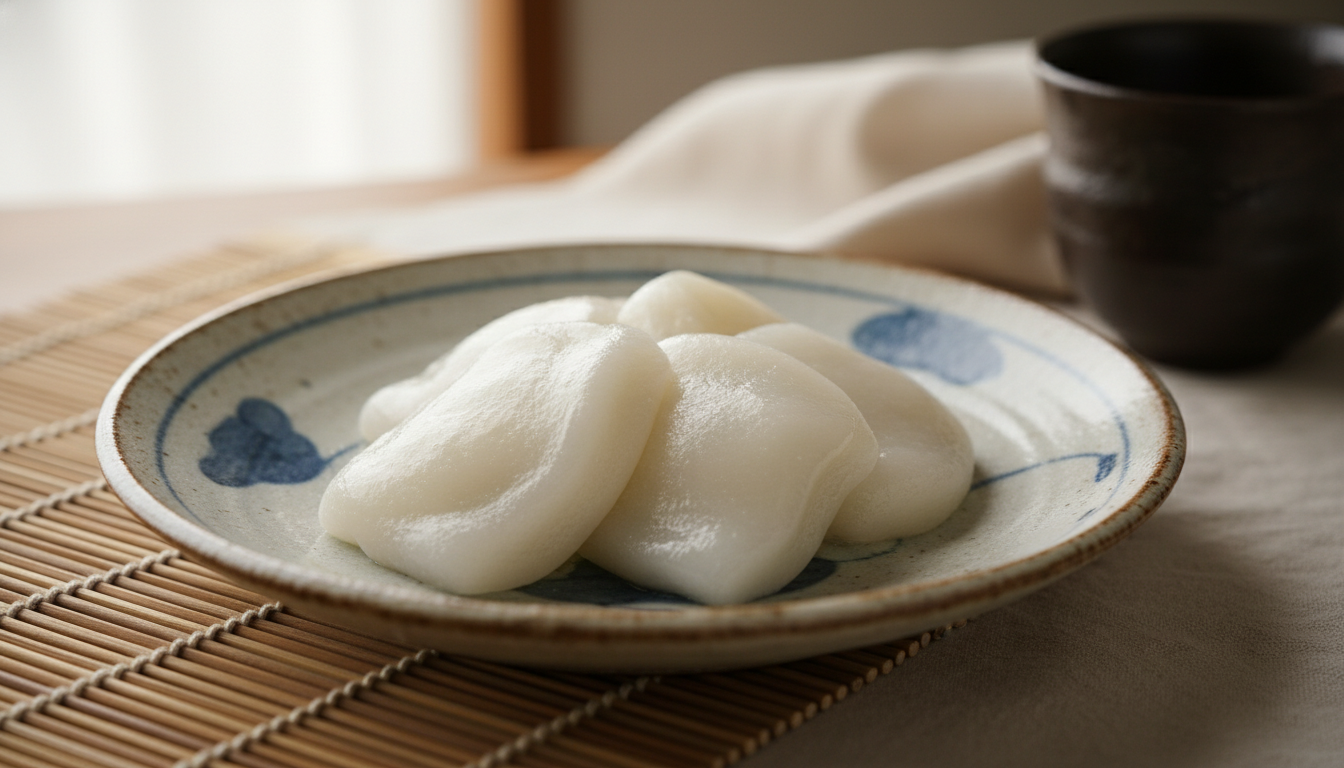
Habutae mochi is known nationwide as a signature confection of Fukui Prefecture. Its name comes from habutae weaving, a silk textile that is a Fukui specialty. Habutae is a premium silk fabric characterized by a soft, supple, and resilient feel, like a feather.
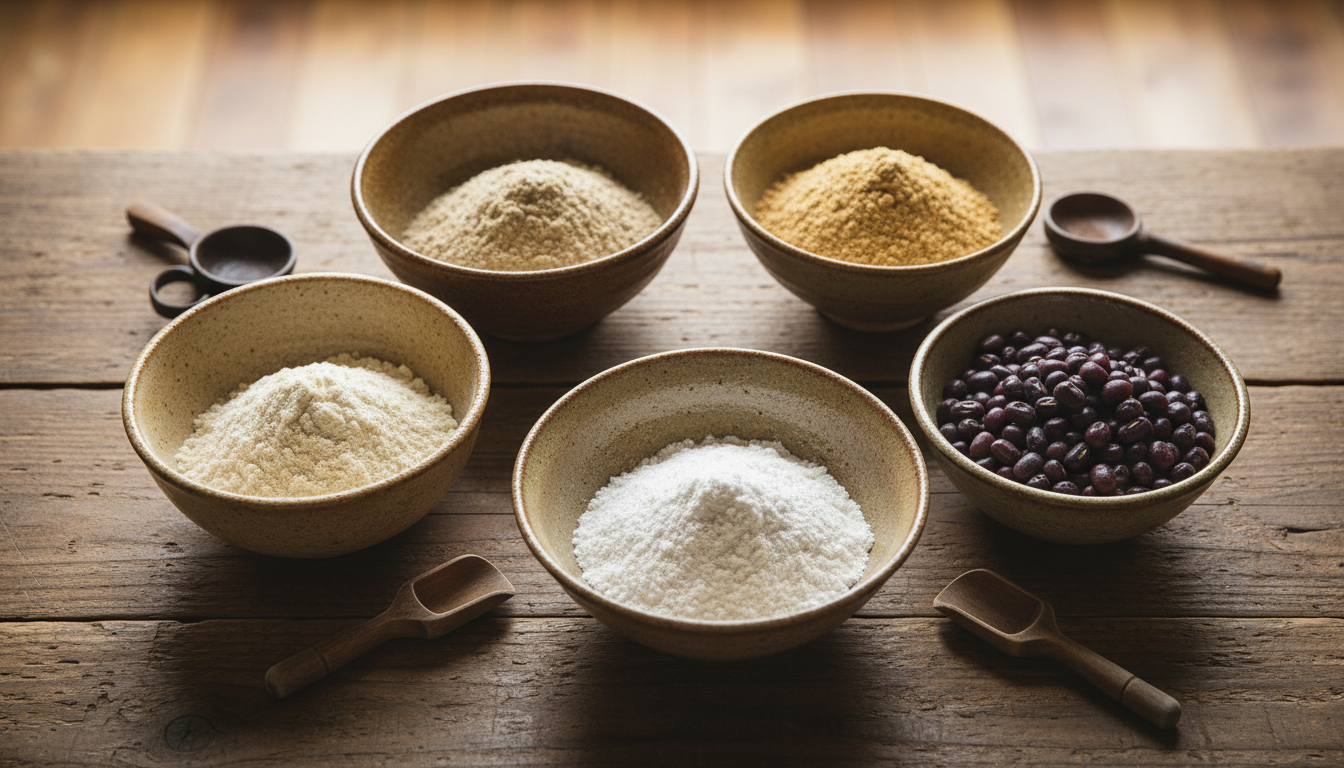
Kyoto confectionery is loved around the world for its delicate flavor and beautiful designs. But did you know that behind this beauty lie carefully selected raw materials and the sure skill of artisans?
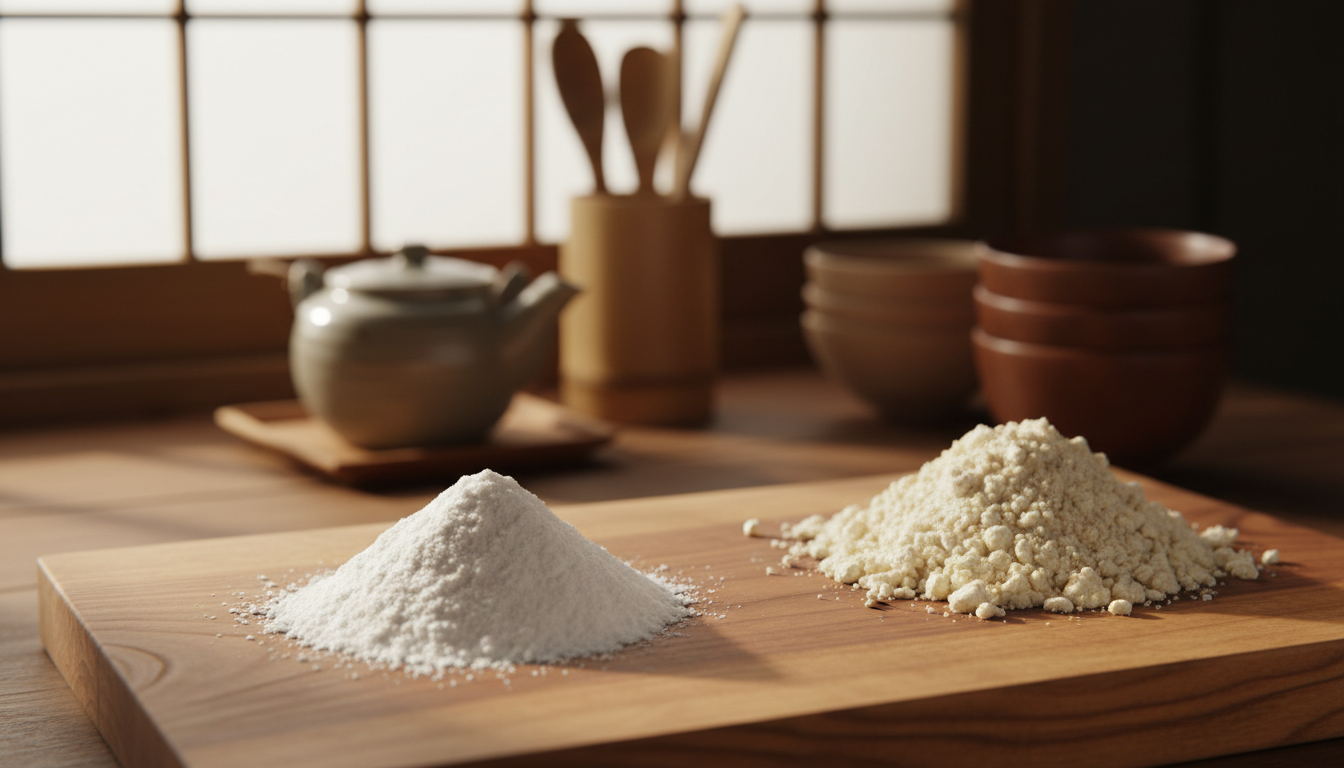
白玉粉・もち粉・上新粉はいずれも米の粉ですが、原料がもち米かうるち米か、製法が水挽きか乾式かで性質が変わります。あられ粉との違いも含めて、和菓子での使い分けを整理します。
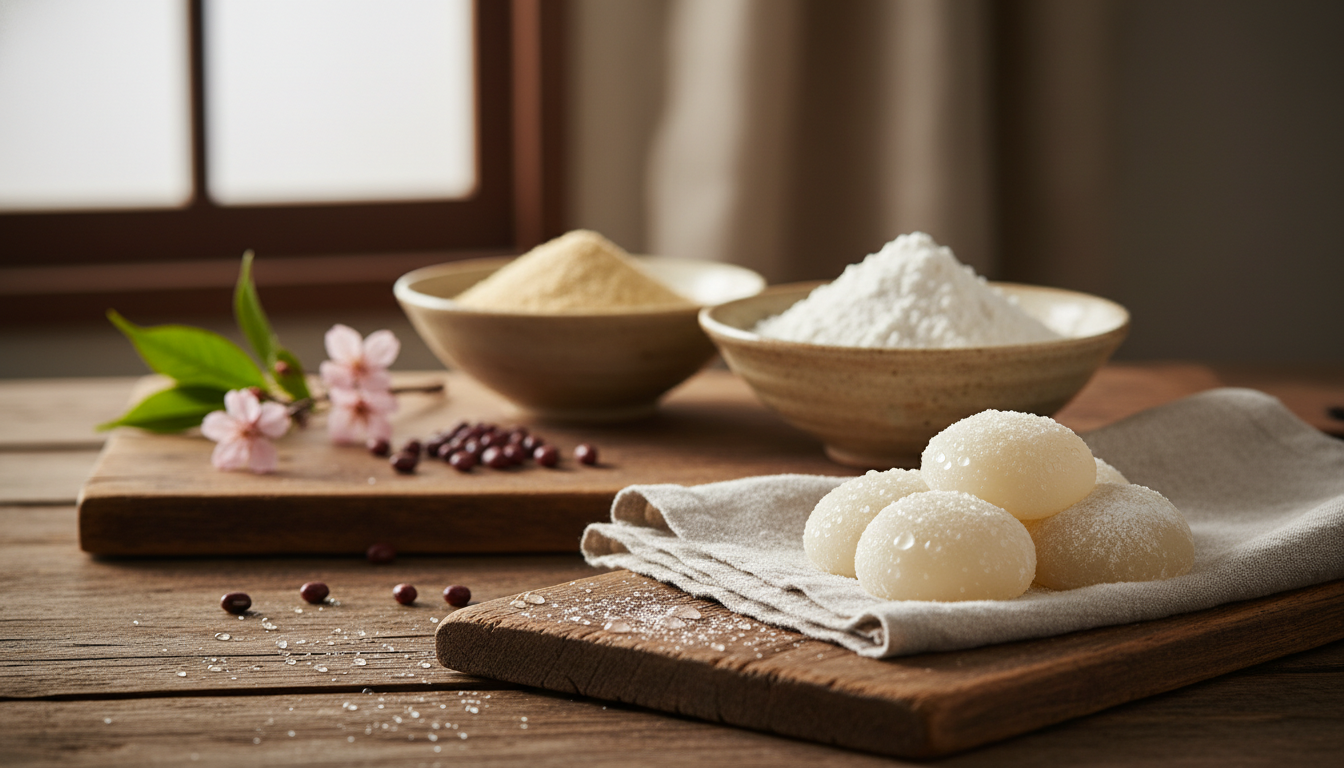
One of the elements that defines the appeal of wagashi is a "chewy" texture. This distinctive texture varies greatly depending on the type of raw materials used and the balance of proportions.
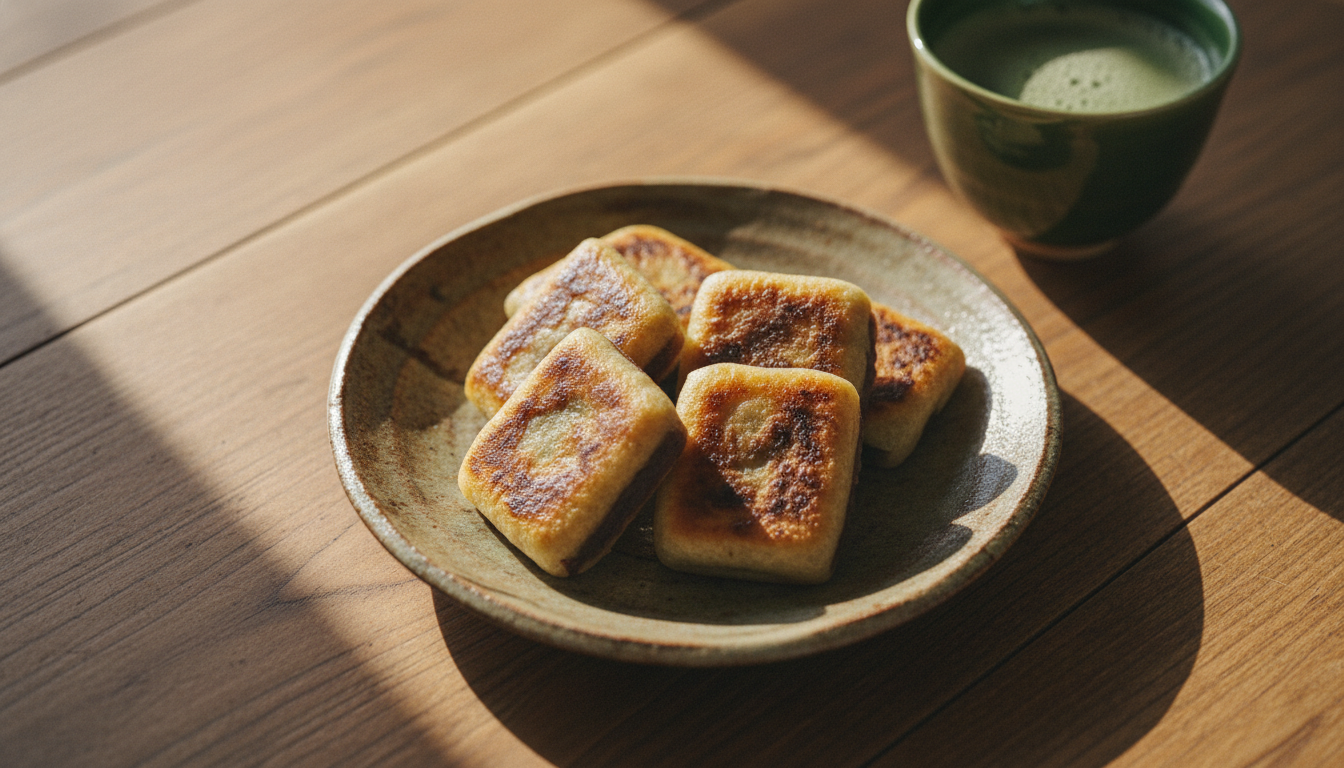
Kintsuba is a wagashi made by coating an with a batter of flour dissolved in water and grilling all sides to finish. The square shape is standard, but in some regions there are round ones as well. Its history is long: it is said to originate from a confection called "gintsuba" made in Kyoto during the Edo period.
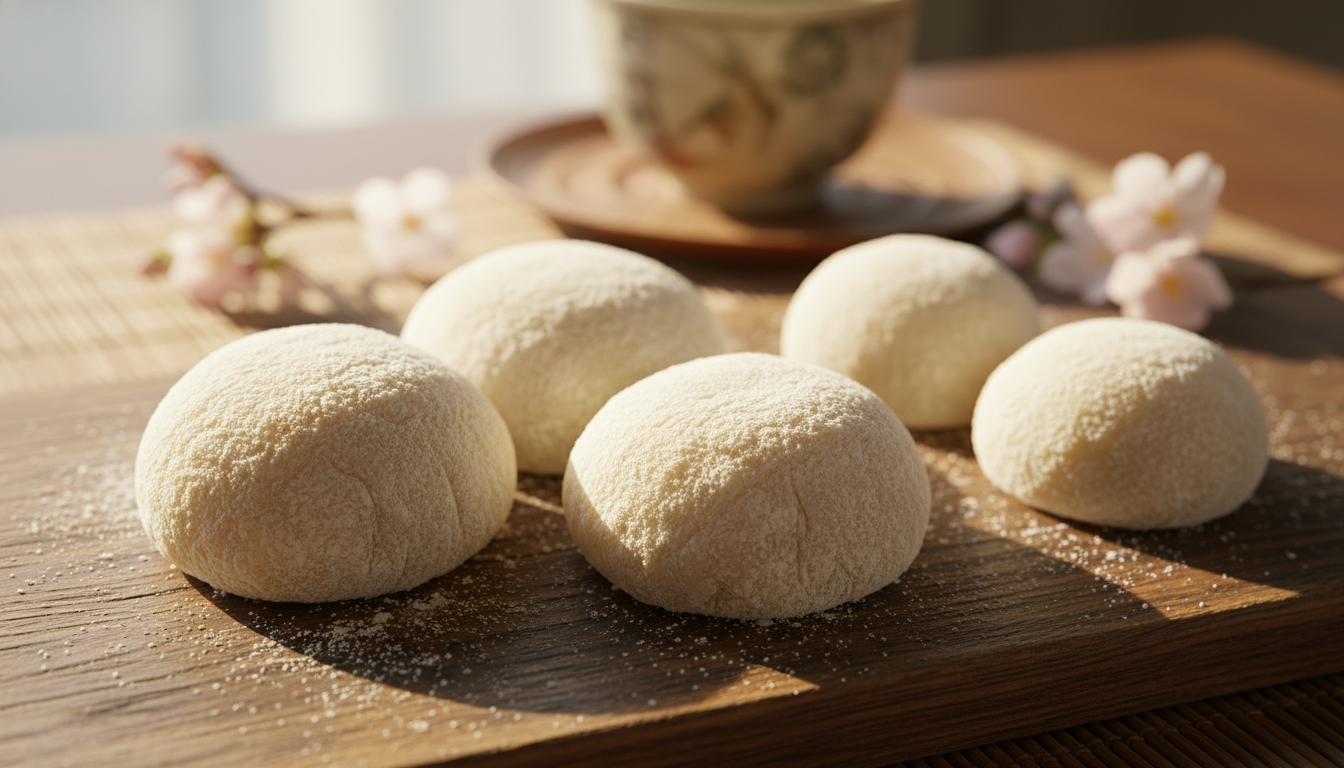
大福の出来は、まず材料選びで決まります。 もちもち食感を生み出す求肥の生地には、白玉粉またはもち粉が使われます。白玉粉はもち米を水洗いして粉砕し、水に晒して乾燥させた粉で、粒子が細かく、水に溶けやすいのが特徴です。
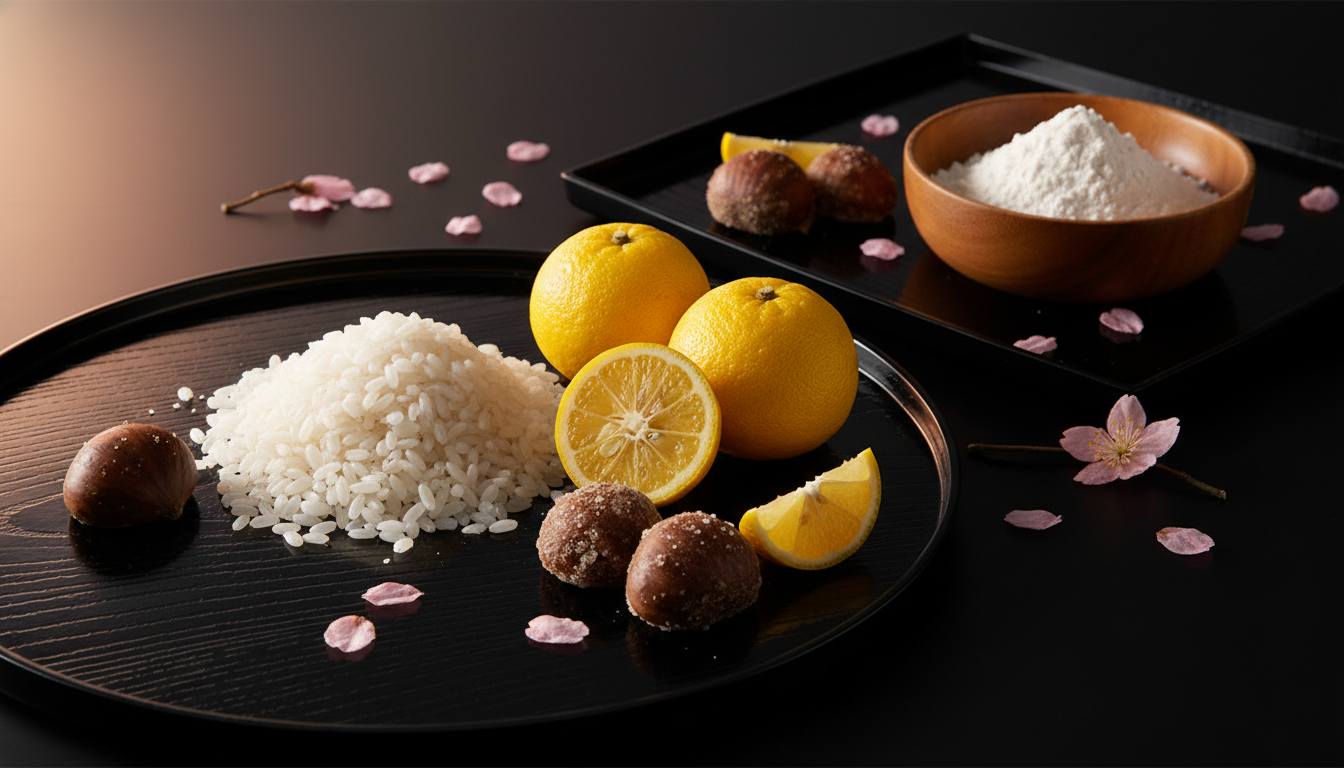
The wagashi that color the New Year are a concentration of Japanese tradition and artisan skill. Red-and-white gyuhi, glossy chestnut kinton, chewy mochi confections—these celebratory sweets are supported by carefully selected ingredients and sure production methods.
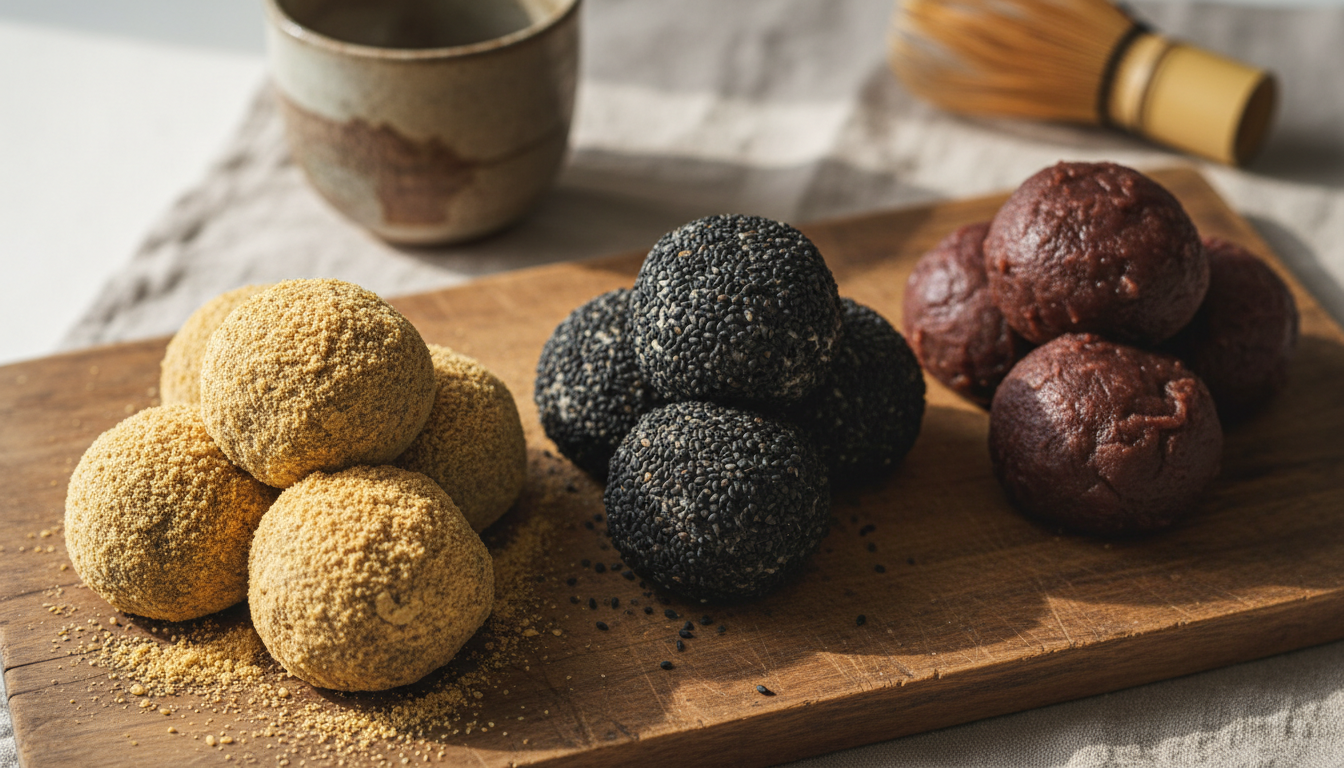
おはぎ作りに必要な材料は、実はとてもシンプルです。 もち米、あんこ、きな粉、黒ごま、そして塩。この5つでおはぎは作れます。ただし、材料選びと配合比率で仕上がりが大きく変わるため、それぞれの特性を押さえておきます。
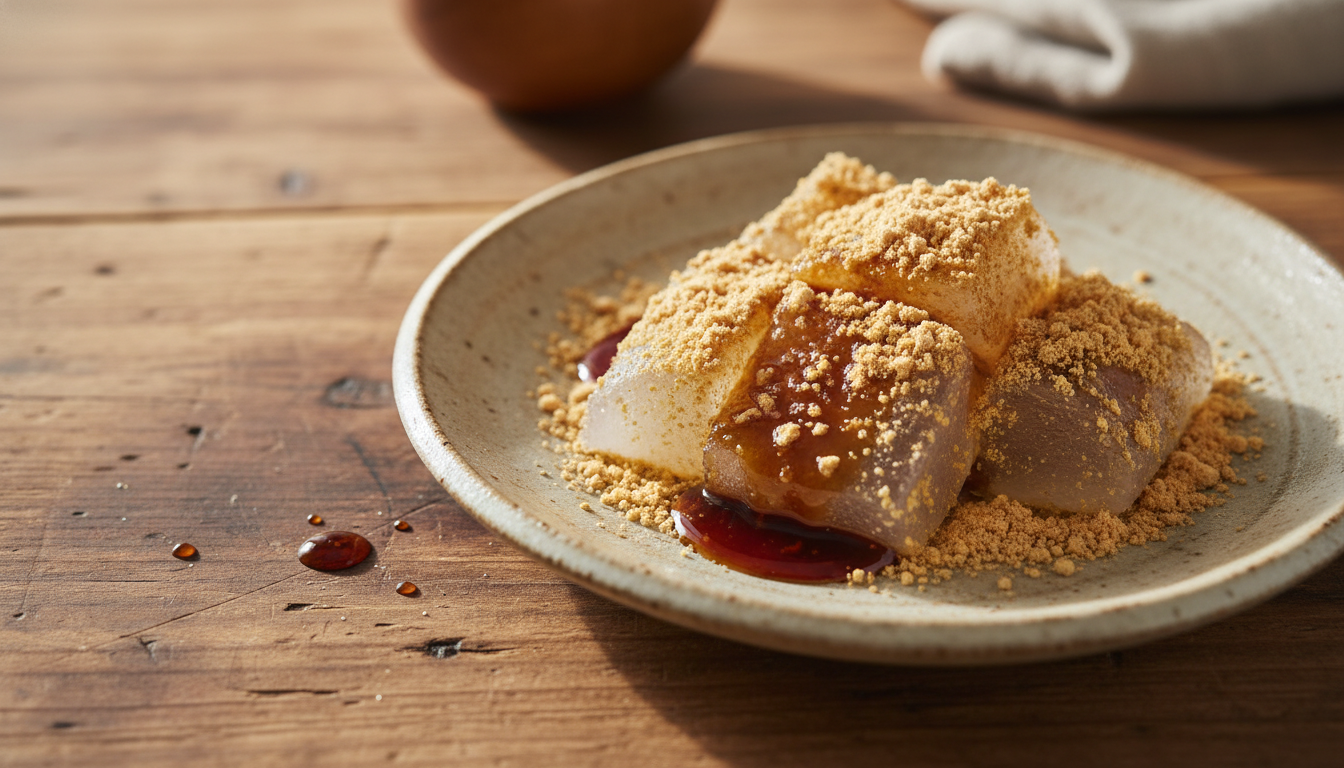
If you are going to make warabi mochi, start with choosing your ingredients. The ingredients needed for authentic warabi mochi are actually very simple. Just three—warabi starch, sugar, and water—create that translucent, chewy texture. However, the selection and balance of these three ingredients greatly affect the finished result.
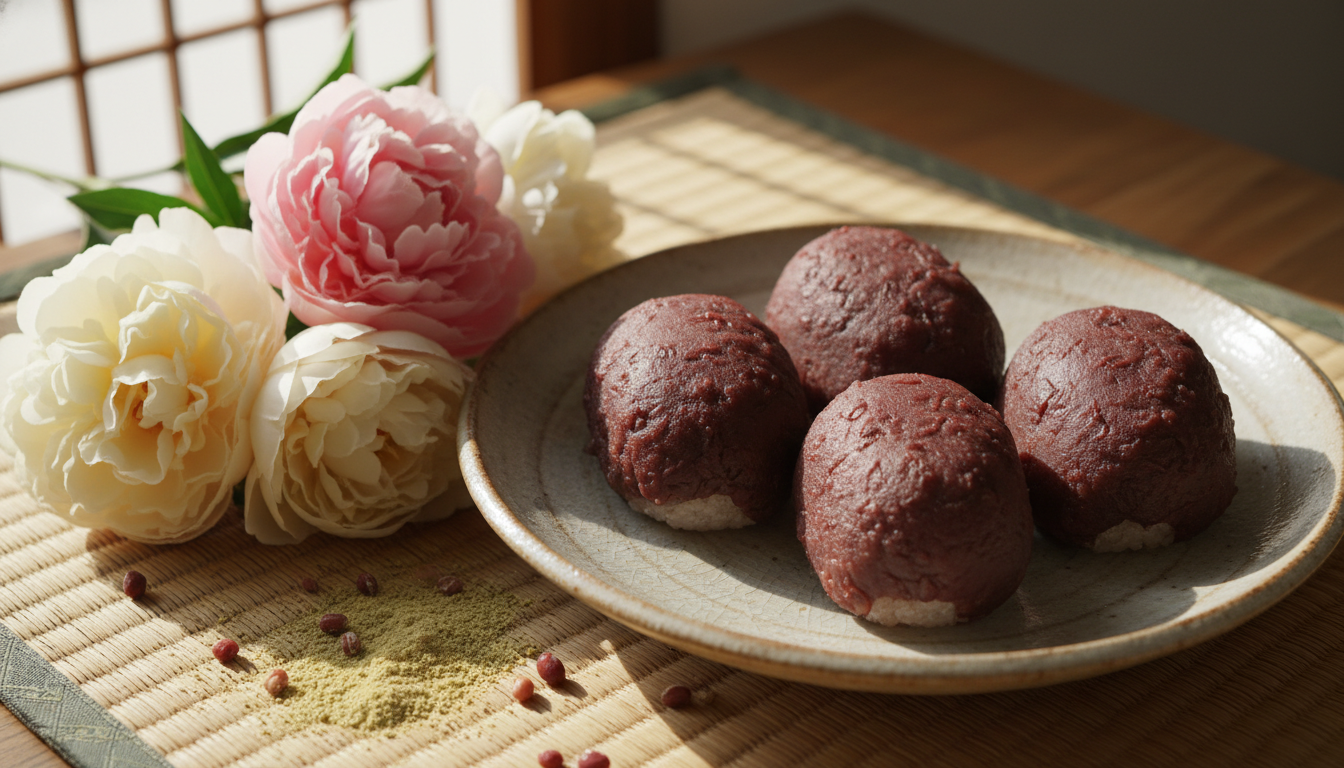
Botamochi is a traditional Japanese wagashi essential to the spring equinox (higan). Named after the botan (peony) flower, this wagashi is made by coating a mochi-rice dough with adzuki-bean an.
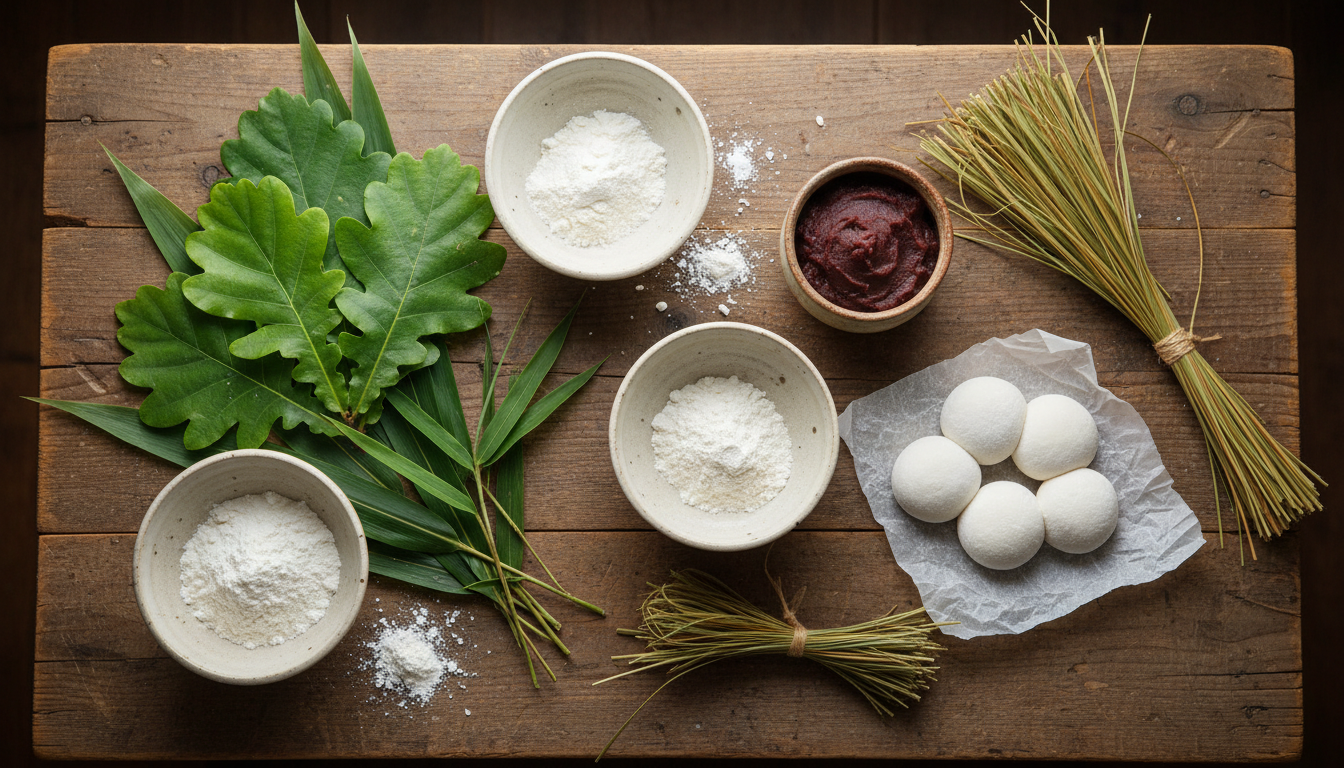
端午の節句に欠かせない和菓子といえば、柏餅とちまきです。 柏餅とちまきでは、使う粉や葉が異なります。柏餅には上新粉や白玉粉、餡、そして柏の葉が必要です。ちまきには上新粉やもち粉、砂糖、笹の葉が欠かせません。
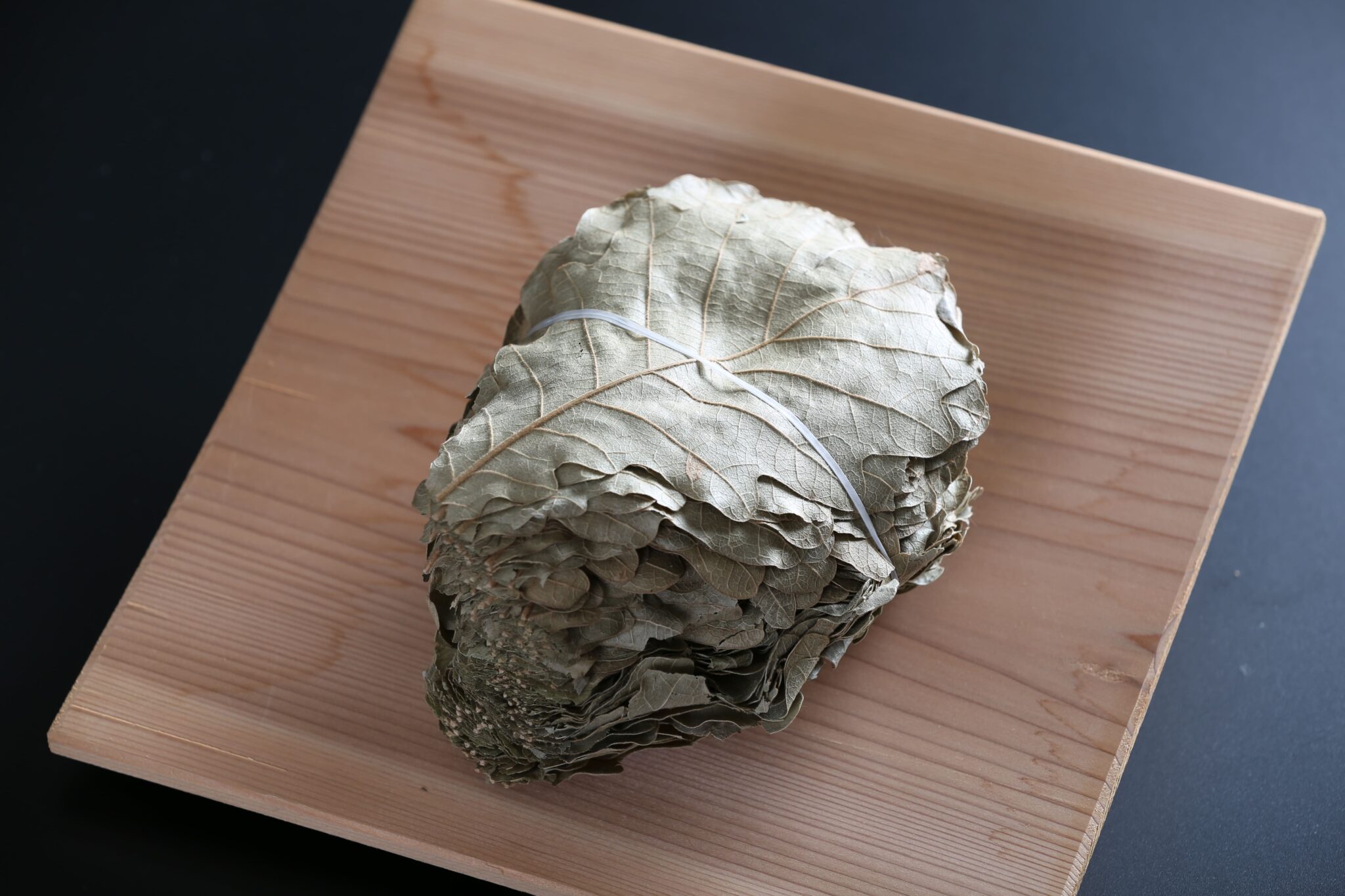
柏餅の葉を食べるかどうかの答え方から、カシワとサルトリイバラの違い、業務用柏葉の保存管理までを整理しました。端午の節句に向けた仕入れや作業効率化のヒントを、老舗・美濃与がお届けします。
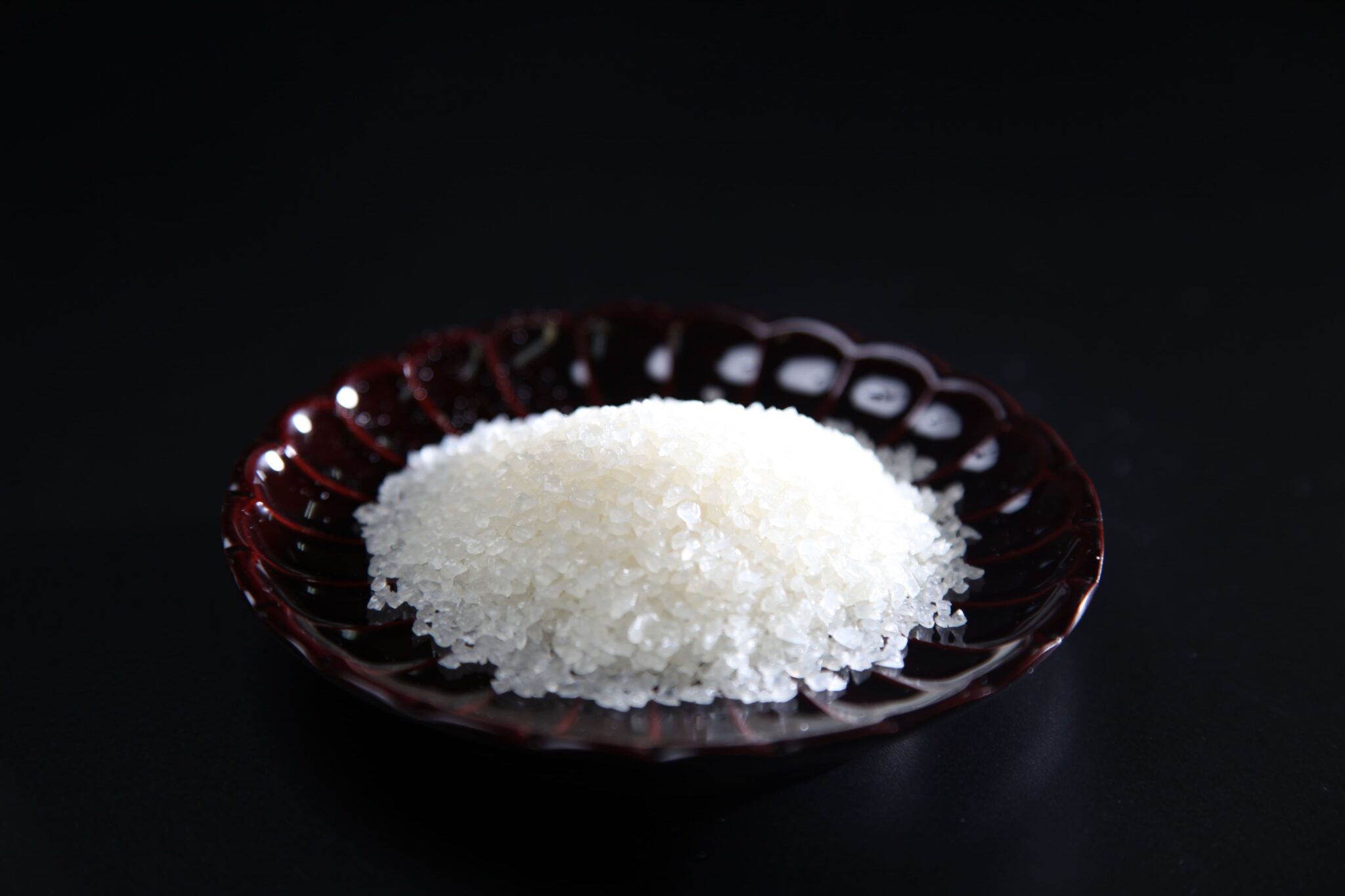
Domyoji-ko is a commercial processed-rice ingredient used in wagashi such as sakura mochi. It has an excellent balance of grain texture and stickiness, and tends to keep a stable texture even when cooled. Grades such as fine domyoji, medium-coarse, whole grain, and roasted domyoji are available, allowing you to use them according to purpose and desired finish.
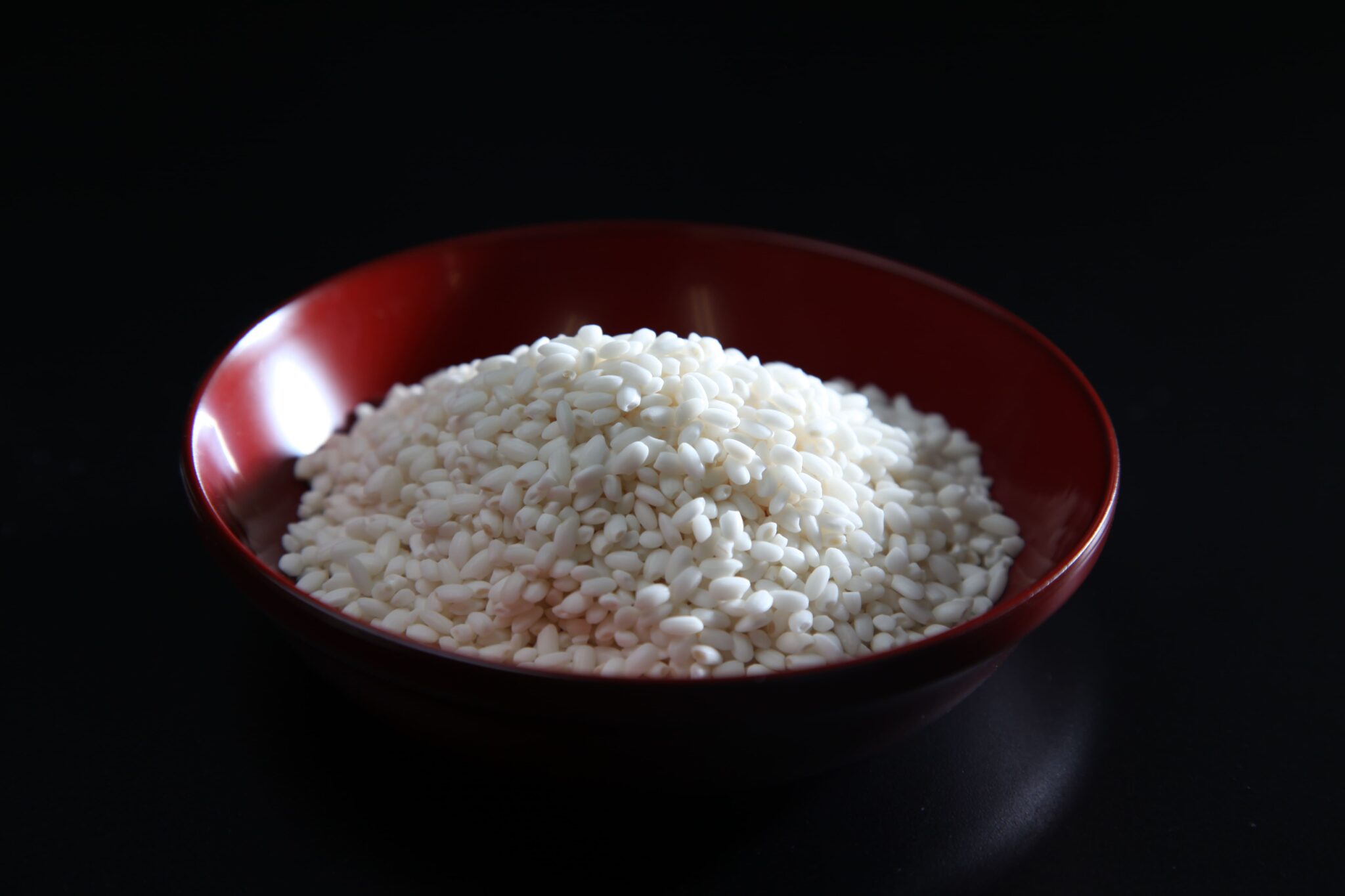
滋賀羽二重糯(精白)は、和菓子や餅菓子に使いやすい業務用もち米原料です。白さと食感が安定し、大福などの餅菓子や行事菓子に使えます。


