


Why Commercial-Use Yuzu Slices Are Drawing Attention
For wagashi shops and restaurants, yuzu slices are an important ingredient for evoking a sense of season.
柚子スライスは、和菓子だけでなく洋菓子や飲料にも使われます。トッピングとしての視覚的効果も高く、少量でも料理や菓子に印象的なアクセントを加えられるため、コストパフォーマンスにも優れています。
In the confectionery and dessert field especially, they are used in cakes, baked goods, and jellies, and are valued for the effect of the yuzu aroma tightening up the sweetness. They are also growing in popularity as an ingredient for yuzu tea, syrup preserves, and drinks, and yuzu slices—which make use of both peel and pulp—are an excellent processed ingredient that can add aroma and acidity at the same time.
Basic Specifications and Quality Standards for Yuzu Slices
How to Choose Thickness Spec and Shape
When choosing commercial-use yuzu slices, the first things to check are thickness and shape.
柚子スライスの厚みや果皮・果肉の比率は商品ごとに異なるため、規格書で確認します。
Uniformity of thickness directly affects the beauty of the finished product. If the slice thickness is consistent, heating time and how well the flavor soaks in also become uniform, leading to stable quality. The ratio of peel to pulp is also important: too much peel makes the bitterness strong, while too much pulp weakens the yuzu-like aroma, so it is important to choose a well-balanced product.
Differences by Processing Method
The processing method of yuzu slices greatly affects the product's quality and use.
Products made by slicing raw yuzu peel and frozen-processed products differ in shelf life and usability. Raw slices have a strong aroma and let you enjoy a fresh flavor, but because of their short shelf life, planned use is necessary. Frozen slices, on the other hand, allow long-term storage and offer the convenience of thawing only as much as you need.
Temperature management during processing also affects quality. Products made with rapid-freezing technology suffer less damage to cell structure and tend to retain texture and aroma even after thawing. The processing method after slicing also changes the vividness of color and the persistence of aroma.
保存形態と開封後の取り扱い
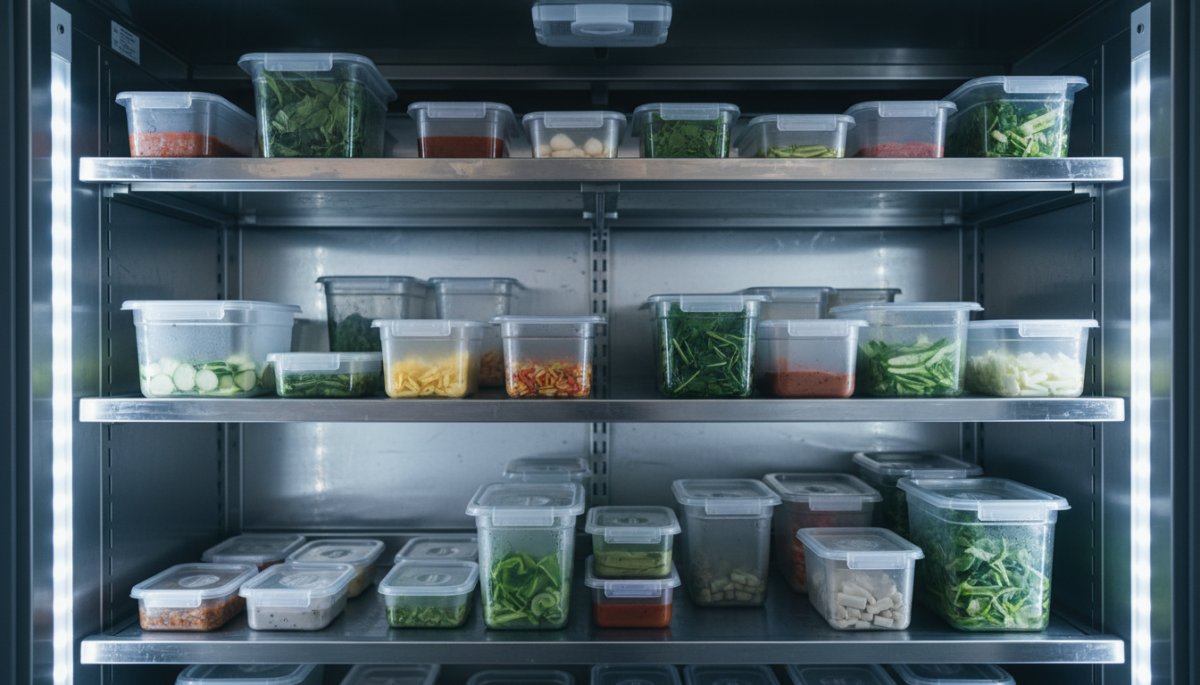
Characteristics of Refrigerated and Frozen Products
The choice of storage form directly affects usage frequency and inventory management.
要冷蔵タイプの柚子スライスは、11kg規格などの大容量パッケージで提供されることが多く、開封後は速やかに使用する必要があります。冷蔵保存では鮮度を保ちやすく、香りや色合いが良好な状態を維持できますが、保存期間には限りがあるため、使用計画を立てておきます。
冷凍タイプは長期保存ができるため、使用時期に合わせて在庫を持てます。ただし、解凍方法によっては水分が出やすくなるため、適切な解凍技術が求められます。なお、美濃与の柚子スライスは要冷蔵の11kg規格です。
Quality Management After Opening
Handling after opening determines how well product quality is maintained.
For refrigerated products, transferring them to an airtight container and refrigerating after opening prevents drying and oxidation. Minimizing the time exposed to air suppresses the volatilization of aroma and also prevents color change. When using them, it is important to use clean utensils to prevent the introduction of germs.
冷凍品は、一度解凍したものを再冷凍すると品質が著しく低下するため、使う分だけ解凍してください。解凍は冷蔵庫内でゆっくり行うことで、ドリップを最小限に抑え、食感と香りを保つことができます。
和菓子・洋菓子での使い方

Uses in Wagashi
Yuzu slices are an important ingredient that adds a sense of season and an elegant aroma to wagashi.
When used as a topping for yokan or fresh confections, the thickness and placement of the slices determine the beauty of the finish. Thin slices have translucency, and kneading them into yokan spreads the yuzu aroma throughout. Thick slices have presence, serving as a visual accent when used as a topping.
In yuzu manju and yuzu mochi, finely chopping the yuzu slices and mixing them into the an spreads the yuzu flavor throughout the mouth with every bite. When using them as a monaka filling, lightly simmering them in syrup first improves the balance of sweetness and acidity.
Application to Western Confectionery and Beverages
Yuzu slices can be used widely in Western confectionery and drinks as well.
In cakes and baked goods, they can be used not only kneaded into the batter but also as decoration. They pair well with chocolate, too—the acidity of the yuzu tightens the sweetness of the chocolate to create a deep flavor. When used in jelly or mousse, the aroma and acidity of yuzu add refreshment, making them popular as a summer dessert.
飲料分野では、柚子茶やシロップ漬けの素材として重宝されています。果皮と果肉の両方が使えるため、香りと酸味を同時に加えることができ、ホットドリンクにもアイスドリンクにも対応できます。
受け入れ時に確認すること

How to Check Color and Aroma
Good-quality yuzu slices can be distinguished by color and aroma.
Fresh yuzu slices retain a vivid yellow with a sheen on the surface of the peel. If the color has faded or turned brown, oxidation may be progressing. Also, when the pulp loses its translucency and turns cloudy white, it is a sign that freshness has declined.
受け入れ時は、開封したときの香りの強さを確認します。柚子特有の爽やかで強い香りがあり、開封時に香りが広がるものが良品です。香りが弱い、または異臭がする場合は、保存状態が悪かった可能性があります。定期的に香りをチェックし、品質の変化を早期に察知することが大切です。
Uniformity of Size and Shape
Uniformity of size and shape affects usability and the beauty of the finish.
Yuzu slices that are excellent for commercial use are uniform in thickness and neat in shape. The less variation in the diameter and thickness of the slices, the higher the work efficiency during processing and the more stable the finish. Especially when used as a topping, having consistent sizes creates a sense of visual unity.
The balance of peel and pulp is also a point to check. Too thick a peel makes the bitterness strong, while too thin makes the aroma weak. Having an appropriate amount of pulp as well improves the balance of juiciness and texture. By requesting samples and actually using them, you can find the product best suited to your shop's uses.
Summary: For Choosing the Optimal Yuzu Slices
How to choose commercial-use yuzu slices comes down to understanding quality standards and making a selection suited to your purpose.
厚さ規格、加工方法、保存形態の違いを把握し、自店の使用頻度や在庫管理体制に合わせて選びます。要冷蔵品は鮮度と香りに優れ、冷凍品は長期保存と計画的な使用に適しています。開封後の保存条件と使用期限は規格書に従い、使用時に色・香り・異臭の有無を確認してください。
For wagashi shops to evoke a sense of season, for Western confectionery shops to create new flavors, and for restaurants as an accent for dishes and drinks, yuzu slices can be used in a wide range of ways. By checking color and aroma as well as uniformity of size and shape, and by procuring consistently high-quality products from a reliable supplier, you can achieve product-making that delights your customers.
こうした使い方を参考にしながら、自店ならではの柚子スライスの使い方を開発していくことで、他店との差別化にもつながります。品質基準を理解し、適切な選択と管理を行うことで、柚子スライスの持つ可能性を最大限に引き出しましょう。
Please feel free to consult us about commercial procurement and sample requests
美濃与は京都に拠点を置く京菓子原材料の専門商社です。本記事で取り上げた原料の業務用調達や、お試しサンプル、ロット・規格のご相談など、和菓子製造の現場に寄り添った提案を行っています。
For Minoyo's business and strengths, please see Our Business & Why We Are Chosen . For the actual flow of doing business, see Ordering Process & How to Order; for questions, we have compiled them at Frequently Asked Questions . For individual consultations, please use Contact or material download to get in touch.


