
Essential Basics to Know Before Choosing Commercial Candied Plums (Ume Kanroni)
When introducing candied plums (ume kanroni) at a wagashi shop or restaurant, are you unsure where to begin?
業務用梅甘露煮は、品種・サイズ・糖度・加工方法によって味わいも用途も大きく変わります。選定を誤ると仕上がりの品質やコストにそのまま響くため、最初の品種・規格選びで結果が決まります。
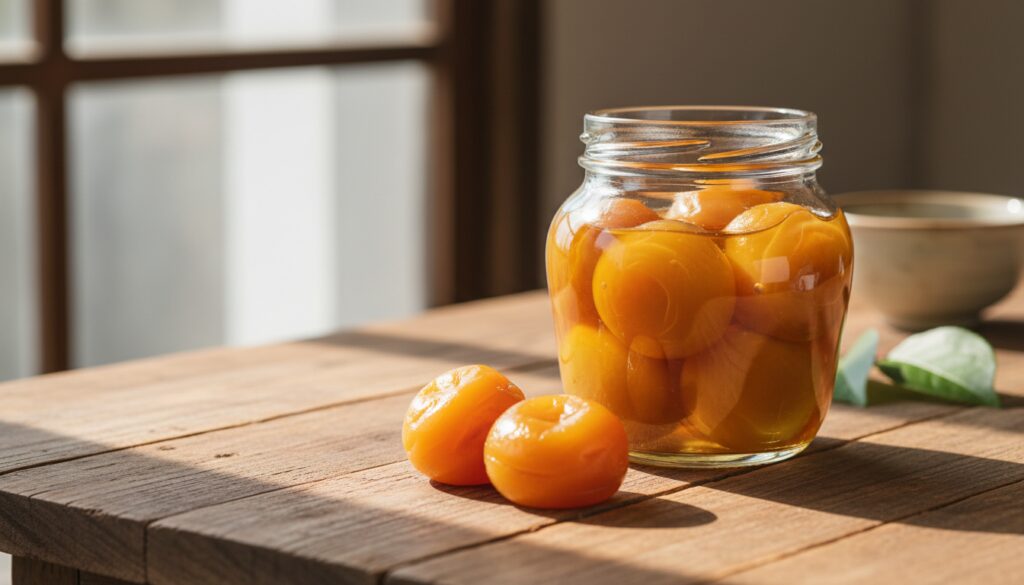
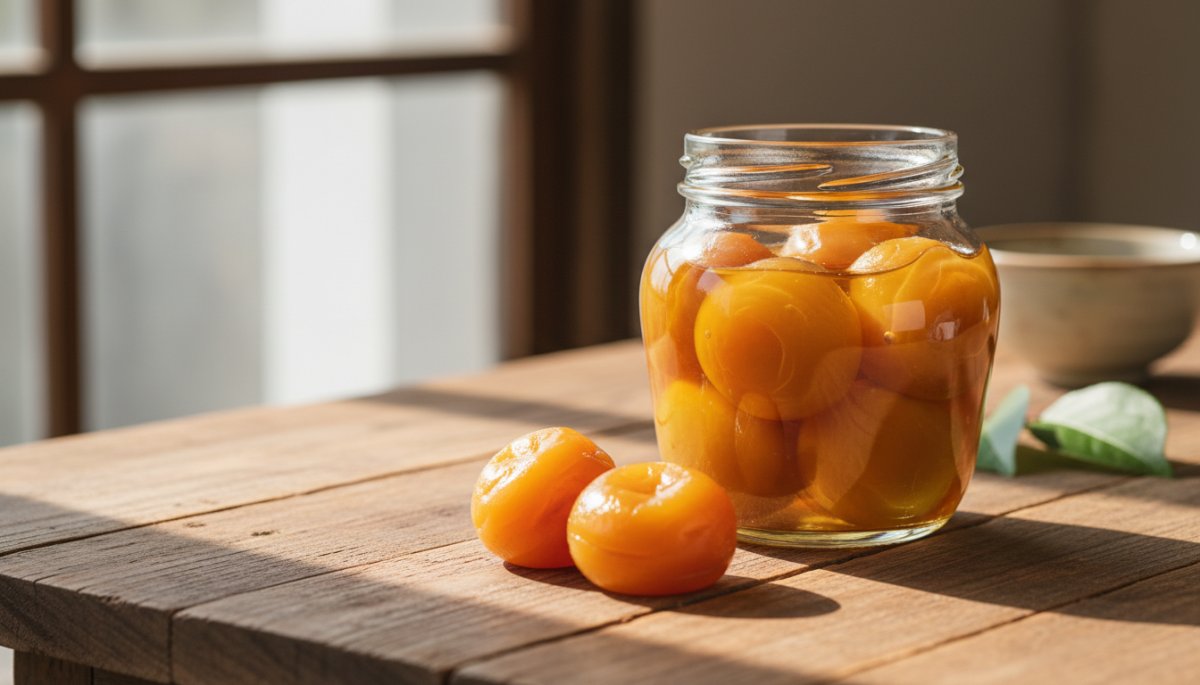
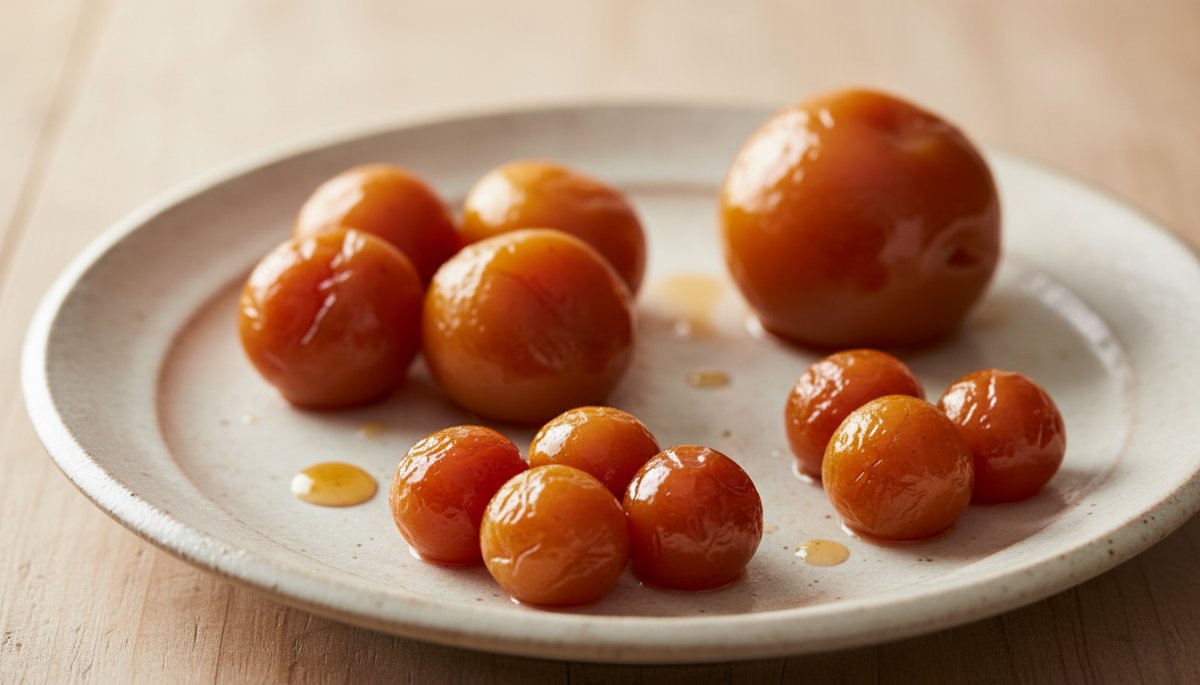
Candied plums are made by selecting near-ripe plums, carefully preparing them so the flesh keeps its shape, and then slowly simmering them in syrup. They are characterized by a good balance of sweetness and acidity and by the way the plum's natural flavor comes through. The flesh resists breaking down even after heating, and the syrup retains its aroma and richness, making them a material that is easy to use across a wide range of applications—confectionery, wagashi, desserts, and more.
Flavor Differences by Variety and Selection Criteria
The single biggest factor determining the quality of candied plums is the variety.
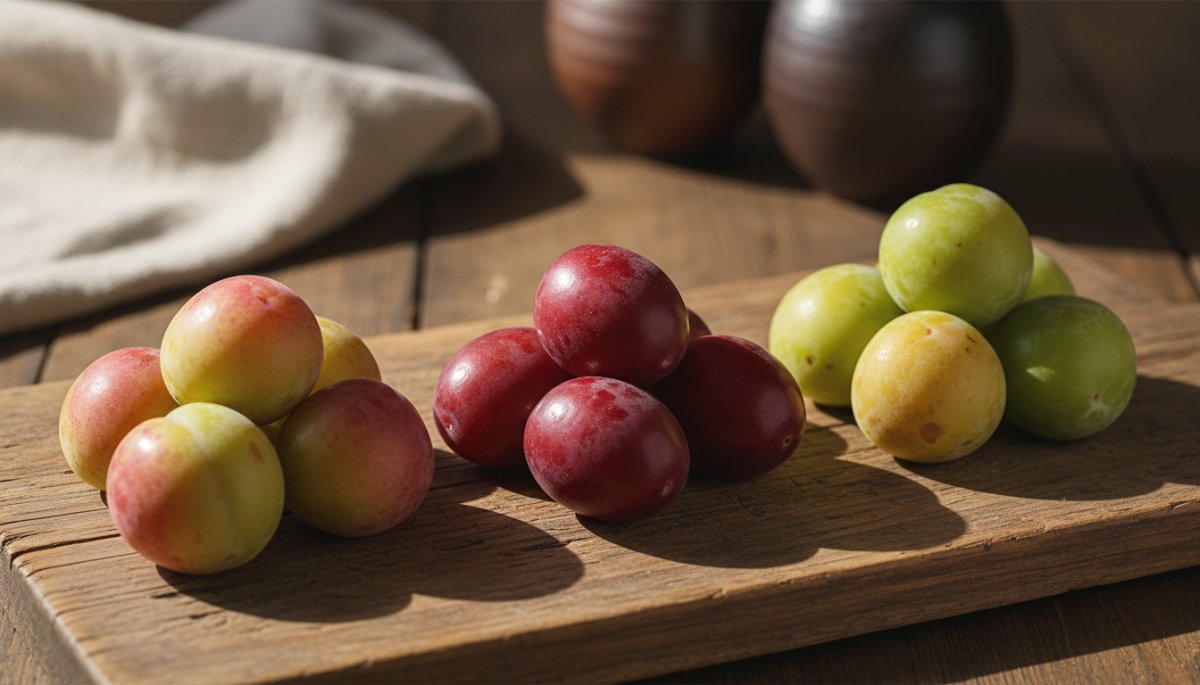
日本最大の梅産地である和歌山県では、全国の収穫量の約6割を占めるほどの生産量を誇ります。中でも「南高梅」は、皮が薄くて果肉はやわらかく、口に入れた瞬間ジューシーでとろけるような食感を味わうことができる、梅のトップブランドとして知られています。実の大きさに比べて種が小さく、果肉が厚いのが特徴です。
Characteristics of Nanko-ume and Its Commercial Uses
Nanko-ume is characterized by large, thick-fleshed fruit with a soft texture. When used in manju, yokan, daifuku, monaka, and the like, wrapping a large whole plum in bean paste creates a striking presence in the cross-section, adding an accent to both appearance and flavor. It is also well suited to product development that expresses a sense of the season.
Characteristics and Applications of Kojiro-ume
Kojiro-ume, nicknamed the "blue diamond," has firmer, tighter flesh than Nanko and offers the fresh aroma unique to green plums. When made into plum wine or plum syrup, it produces a beautiful, crystal-clear finish. However, it is a rare variety whose production has been declining year by year.
The Versatility of Shirokaga-ume
Shirokaga-ume, grown mainly in eastern Japan around Gunma Prefecture, has large, beautifully shaped fruit with dense flesh, making it a versatile variety suited to both umeboshi and plum wine. As an option that balances cost and quality, it is used in many commercial applications.
粒の大きさと糖度で何が変わるか
When choosing commercial candied plums, size grade and sugar content are important indicators that directly relate to the intended use.
How to Judge Size Grades
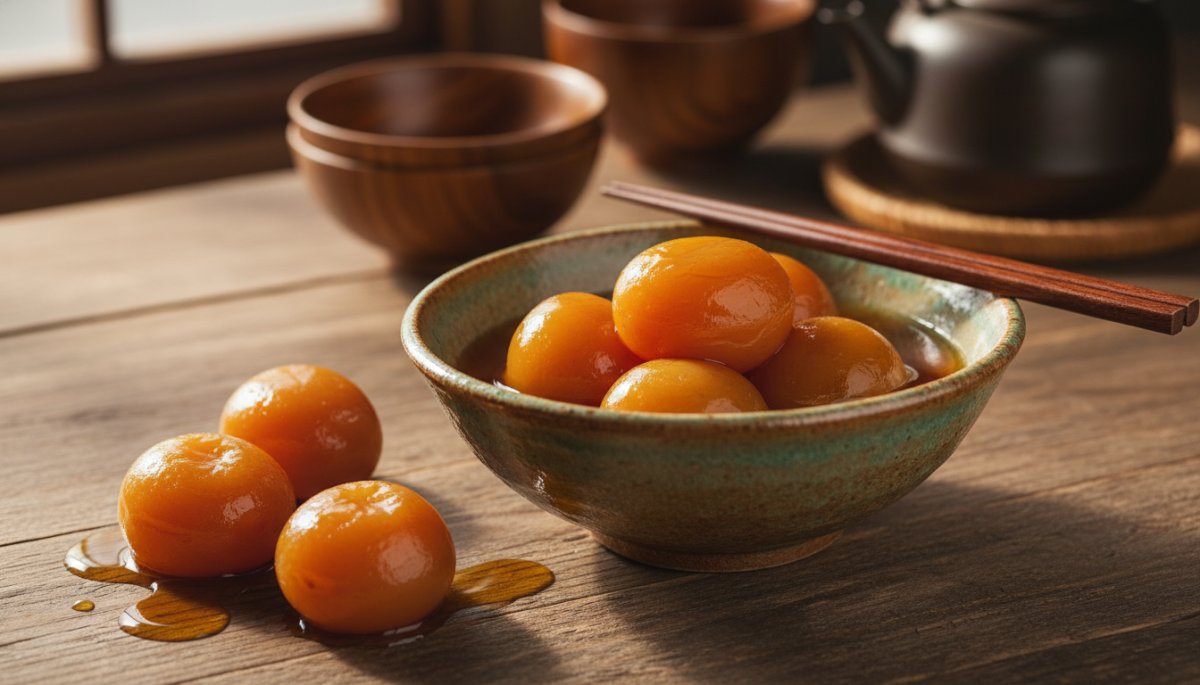
美濃与の梅甘露煮は9Lサイズの大粒で、存在感があり、丸ごと使用してもカットしても美しい仕上がりになります。和菓子の中心に据える場合は大粒、トッピングや飾りとして使う場合は中粒から小粒が適しています。
Because the flesh is firm, the fruit holds its shape well even after cutting and yields a clean cross-section. It can also be used in cooked applications, and the syrup can be used as well, making it compatible with a wide range of preparation methods.
Sugar Content Management and Shelf Stability
梅甘露煮の糖度は、保存性と味わいのバランスを決める要素です。糖度が高いほど保存性は向上しますが、甘すぎると梅本来の酸味が損なわれる可能性があります。業務用では、用途に合わせて糖度を調整した製品を選んでください。
Since some products require refrigeration or freezing, selection should take into account your storage environment and frequency of use.
Source
Minoyo "Candied Plums 9L"
adapted from
規格と仕入れ先でコストはどう変わるか
The cost of commercial candied plums varies greatly depending on the supplier and the grade selected.
使用量に合わせて発注量を決める
梅甘露煮の使用量が多い場合は、まとめて仕入れると手配の手間を減らせますが、開封後の保存期間と使用量のバランスを考えて発注量を決めてください。
How to Identify a Reliable Supplier
和菓子原料を専門に取り扱う事業者は、品質管理と供給安定性の両面で優れています。美濃与のような専門業者は、穀粉類、豆類、澱粉類、栗・梅類、葉類、着色料などのカテゴリーで、和菓子製造に必要な原料を幅広く提供しています。
For chestnut and plum products, we offer marron kanroni extra-soft grade,marron kanroni first grade、渋皮栗甘露煮などの栗加工品と、梅甘露煮、紀州練梅、梅果肉、梅果汁などの梅加工品を提供しており、荷姿は500g、900g×10P、2kg、18L、22kgなどがあります。
The advantage of choosing a specialist supplier lies not only in stable quality but also in the ability to receive expert knowledge and advice on confectionery and wagashi production.
See Minoyo's Product List Here
Techniques for Using Candied Plums That the Professionals Practice
The true value of candied plums is determined by how they are used.
Applications in Wagashi
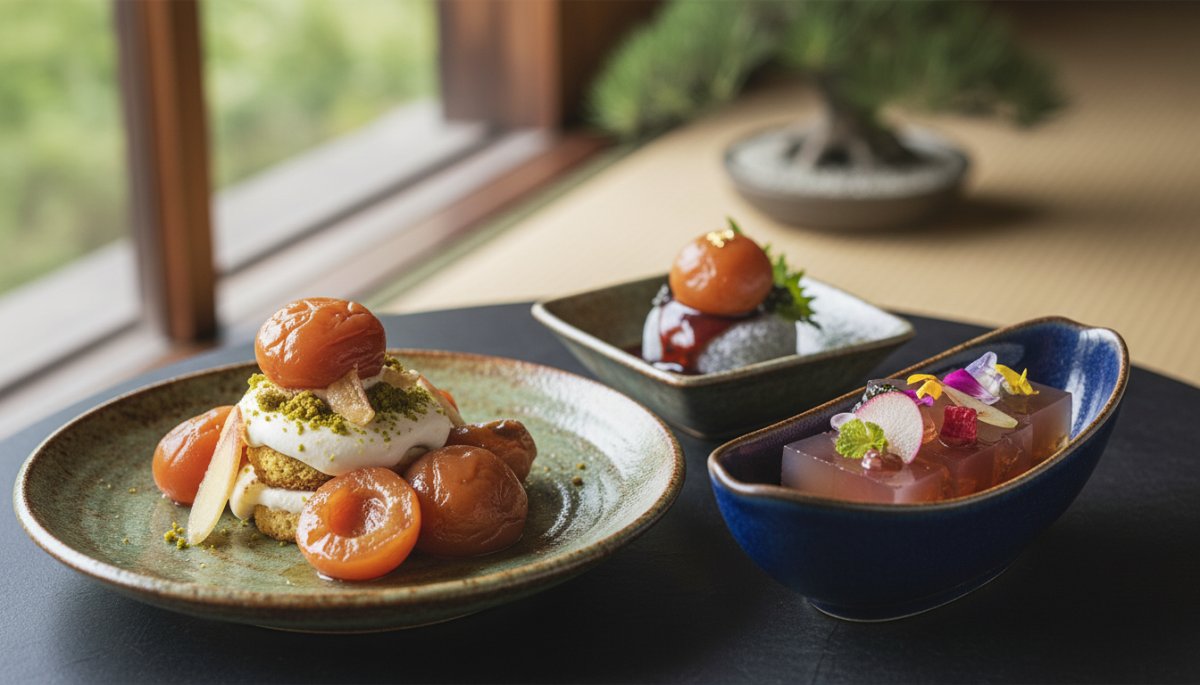
When using them in manju, yokan, daifuku, monaka, and the like, wrapping a large whole plum in bean paste creates a striking presence in the cross-section. The plum's acidity tightens the sweetness of the bean paste and adds depth to the flavor. To evoke a sense of the season, incorporating them into product development for early spring or the rainy season is effective.
Extending to Western Confectionery and Desserts
When used in cakes, tarts, jellies, mousses, and the like, the texture of the flesh and the sweet-and-sour flavor tighten the overall impression of the dessert. The syrup can also be used for adding aroma or retaining moisture, and served chilled, it makes for a refreshing flavor perfect for the hot season.
Applications in Restaurant Menus
They can be used for plating desserts, as a sweet course, or as an accent to appetizers. The visual appeal unique to large fruit means that even a small amount can compose a memorable dish. It is also possible to serve the syrup mixed with soda water as a drink.
まとめ:品種・サイズ・糖度・仕入れ先で選ぶ
Success in selecting commercial candied plums hinges on comprehensively judging four factors: variety, size, sugar content, and supplier.
Nanko-ume is suited to premium wagashi, Shirokaga-ume to applications that prioritize a balance of cost and quality, and Kojiro-ume to special product development that leverages its rarity. Use different sizes according to the application, and select sugar content based on the balance between shelf stability and flavor.
Sourcing from a reliable specialist supplier lets you obtain both stable quality and expert support. A wagashi raw materials specialist like Minoyo handles not only candied plums but also chestnut products and various wagashi raw materials, helping to streamline your overall ingredient procurement.
最終的には、自社の商品コンセプトと顧客層に合わせて選んでください。
See Minoyo's Product List Here
📦 Related Minoyo Products
Please feel free to consult us about commercial procurement and sample requests
美濃与は京都に拠点を置く京菓子原材料の専門商社です。本記事で取り上げた原料の業務用調達や、お試しサンプル、ロット・規格のご相談など、和菓子製造の現場に寄り添った提案を行っています。
For Minoyo's business and strengths, please see Our Business & Why We Are Chosen . For the actual flow of doing business, see Ordering Process & How to Order; for questions, we have compiled them at Frequently Asked Questions . For individual consultations, please use Contact or material download to get in touch.


