和菓子はもちろん、洋菓子やドリンク、健康食品の分野でも需要が高まり続けている「きな粉」。特に業務用きな粉は、その品質や特性が最終製品の味を大きく左右するため、素材選びで仕上がりが変わります。
Minoyo Co., Ltd., which has handled confectionery raw materials in Kyoto for many years, explains in detail the characteristics and nutritional value of commercial kinako, how to choose it without failure, and even utilization recipes unique to professionals. If you are considering developing a new product, or are a purchasing manager looking for higher-quality kinako, please use this as a reference.
Characteristics and Advantages of Commercial Kinako
What differences are there between the kinako used in ordinary households and the kinako distributed for commercial use? First, we explain its definition and the reasons professionals should choose it.
What Is Commercial Kinako?
Unlike the small-bag kinako generally sold at supermarkets and the like, commercial kinako refers to large-capacity products (from 1kg and up) supplied mainly to confectionery shops, bakeries, restaurants, and processed-food manufacturers. However, it is not simply a matter of larger quantity. The greatest characteristic of commercial kinako lies in **"optimization of particle size and roasting level to suit the application"**andand **"stable supply."** On the professional front line, selecting kinako with the optimal specifications to match the product you want to make—such as deep-roasted for warabi-mochi or finely milled for kneading into cream—becomes the deciding factor for taste.
Differences from Ordinary Kinako (No Added Sugar, Quality Retention)
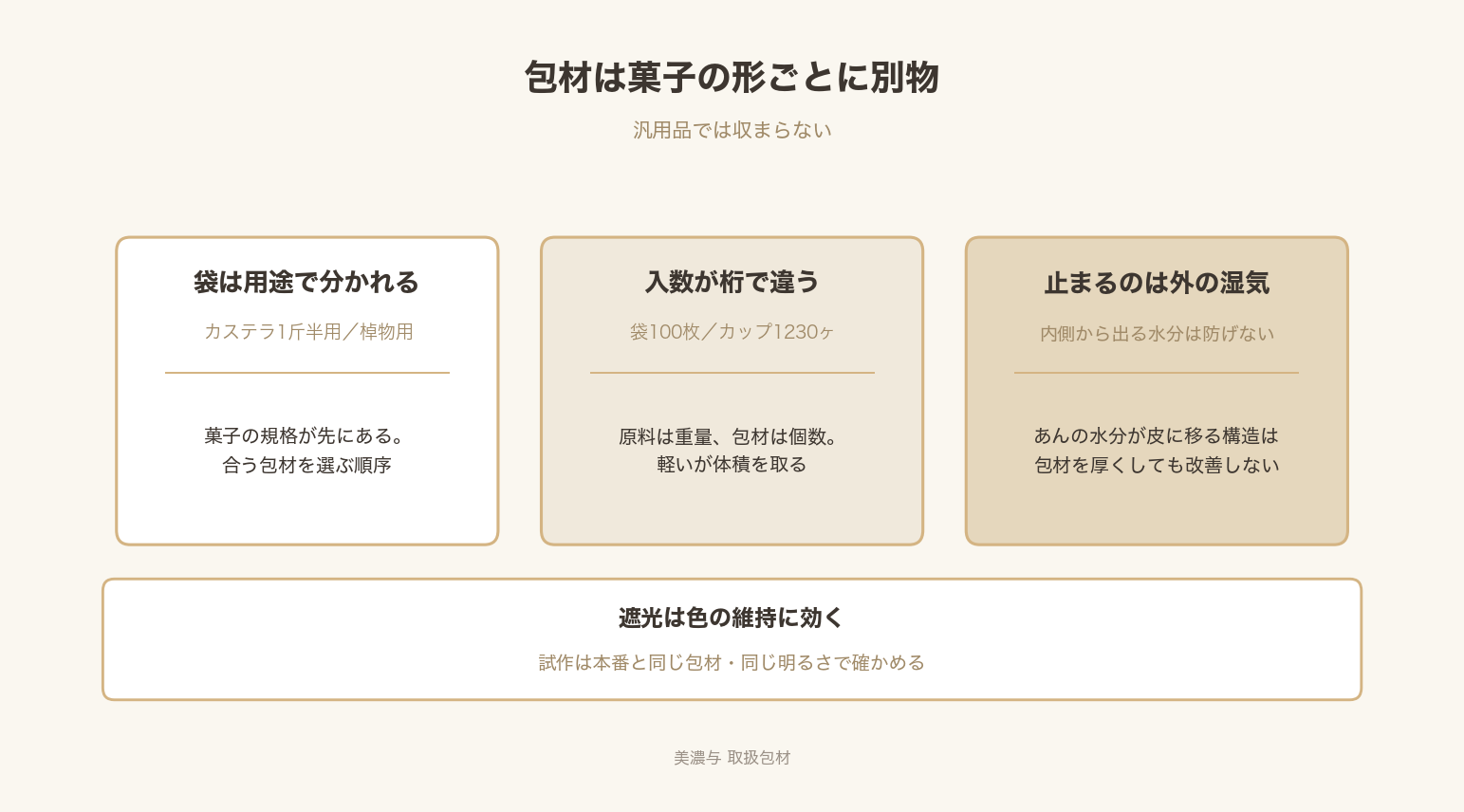
Many household kinako products are "pre-sweetened kinako" with sugar already mixed in, but most commercial products are unsweetened types that make the most of the material's own flavor. This is so that each shop can freely adjust the sweetness. Also, to prevent quality degradation after opening, commercial products often adopt packaging with high light-blocking and barrier properties, incorporating features that let you use them up in an aromatic state to the very end.

業務用きな粉の成分と表示
ここでは、きな粉に含まれる主な成分と、原料表示で確認しておきたい点を整理します。
きな粉に含まれる主な成分
きな粉はsoybeansを丸ごと焙煎・粉砕した粉で、大豆の成分をそのまま含みます。
- Plant protein: 大豆由来のたんぱく質を含みます。
- Dietary fiber: 大豆由来の食物繊維を含みます。
- Soy isoflavones: 大豆に含まれる成分です。
- Minerals: カルシウムや鉄などを含みます。
黒豆きな粉と原料産地の表示
One thing to note in particular isblack soybeansを使用した「黒豆きな粉」です。黒豆の皮にはポリフェノール(アントシアニン)が含まれ、きな粉の色にも出ます。健康志向の売り場でも扱われる素材です。 また、食品のlabelingを確かめてから買う消費者も少なくありません。アレルゲン表示はもちろんのこと、原料の産地(国産・北海道産など)が明確な業務用きな粉を使用することは、消費者への「安心・安全」の提供に直結し、商品のブランド価値を高めます。
Uses and Applications of Commercial Kinako
Kinako has a strong image of being for wagashi, but its uses are limitless. Here, we introduce specific application scenes and proposals from Minoyo.
A Wide Range of Commercial Application Scenes
- Wagashi: Toppings and kneading-in for warabi-mochi, ohagi, dango, and yokan.
- Western confectionery: Roll cake cream, cookies, financiers, macaron batter, and kneading into chocolate.
- Bakery: Kinako fried bread, kinako cream buns, and addition to bread dough.
- Drinks: As a flavor for kinako lattes, smoothies, and protein.

Cooking and Confectionery Examples and Recipe Proposals
If yousearchonline, many recipes will come up, but asusagetechniques unique to commercial products, we would like tosharethe following ideas.
- Emulsification with Fats (Praline Style): Because kinako contains the oil content of soybeans, it pairs extremely well with fats such as chocolate and butter. Turning it into a paste like praline and mixing it into ganache creates a rich, nut-like depth.
- Use as a Spice: Adding a small amount as a secret ingredient in curry or miso soup adds depth to the flavor. Also, mixing it with salt to make "kinako salt" and serving it with tempura or french fries is recommended.
業務用きな粉を選ぶときに確認する4項目
Among the many types of commercial kinako available, how can you choose the one that best matches your own product? Here we explain the professional selection criteria (evaluation points) that catalog specs alone cannot reveal.
1. Origin and Variety of the Raw Material
The first thing to check is the raw material. "Domestic" is a major added value, but products that further specify a concrete origin such as "Hokkaido-produced" or "Kyoto-produced" have traceability secured and provide a sense of reassurance. Also, since sugar content and protein amount differ by variety, it is important to choose according to the product you want to make.
2. Checking the Grind (Particle Size)
The particle size (mesh) of kinako affects the texture.
- Fine-powder type: It has a good melt-in-the-mouth quality and is suited to drinks, kneading into cream, and high-end wagashi.
- Coarse-ground type: The presence of the soybeans remains, letting you enjoy a crunchy texture. It is suited to cookies and toppings.
3. Depth of Roasting (Roast)
- Light roast: The color is bright (with a strong yellow tint), and the soybeans' natural sweetness and flavor come through gently. It is suited when you do not want to interfere with the color or flavor of other ingredients.
- Deep roast: The color is dark (with a strong brown tint), and a savory aroma rises strongly. In Kyoto wagashi (such as warabi-mochi), this deep-roast type (such as kurosu kinako) is preferred.
4. Packaging and Size
使用頻度に合わせて、使い切れるサイズを選んでください。酸化して風味が落ちてしまっては元も子もありません。美濃与では、使いやすい1kgWe tailor our proposals to your usage volume, primarily by package size.
Price Ranges and Cost-Effectiveness of Commercial-Grade Kinako
Finally, let us look at the cost considerations that many buyers are concerned about.
Market Price Ranges
The price of commercial-grade kinako varies considerably depending on the raw soybeans used (imported or domestic, and whether they are a branded variety).
- Made with imported soybeans: Relatively inexpensive and well suited to cost-focused, mass-produced items.
- Made with domestic soybeans: Compared with imported soybeans, the price tends to beHighhigher, but the superior flavor and the ability to brand a product as "domestically produced" make it well suited to high-value-added products.
キロ単価だけで比べてよいか
単純なキロ単価だけでなく、「歩留まり」や「吸水率」、「風味の持続性」を考慮してコストパフォーマンスを計算する必要があります。 使用量、吸湿性、経時変化は製品規格と実際の配合・保存試験で確認してください。
Choosing a Supplier
業務用きな粉は、製菓材料店や業務スーパーでも購入できますが、品質にこだわるなら専門メーカーからの直接仕入れや、信頼できる卸業者を通じての購入をおすすめします。 美濃与では、商品のDetailsや規格書についてお問い合わせを承っています。
Conclusion: Elevate Your Products with Carefully Selected Commercial-Grade Kinako
Commercial-grade kinako is far more than a mere supporting player. The right choice has the power to significantly improve your product's flavor, texture, and ultimately your customers' satisfaction.
- Clarify the intended use (for mixing into a recipe or for topping)
- Choose based on the raw material (origin and variety) and the degree of roasting
- Source from a trustworthy manufacturer (with solid quality control and supply capacity)
これらを確認したうえで、自社の商品に合うきな粉を選んでください。
株式会社美濃与では、京都・伏見の大豆焙煎所で生の国産大豆を焙煎・製粉した「美濃与きなこ」と「深煎りきな粉」をご用意しています。「どちらのきな粉が合うかわからない」といった場合は、サンプルをご請求のうえ比較してください。貴社のこだわりの商品づくりを、香ばしいきな粉の香りとともにサポートいたします。
Please feel free to consult us about commercial procurement and sample requests
美濃与は京都に拠点を置く京菓子原材料の専門商社です。本記事で取り上げた原料の業務用調達や、お試しサンプル、ロット・規格のご相談など、和菓子製造の現場に寄り添った提案を行っています。
For Minoyo's business and strengths, please see Our Business & Why We Are Chosen . For the actual flow of doing business, see Ordering Process & How to Order; for questions, we have compiled them at Frequently Asked Questions . For individual consultations, please use Contact or material download to get in touch.