Do You Know the Different Types of Kuzu Powder and How They Differ?
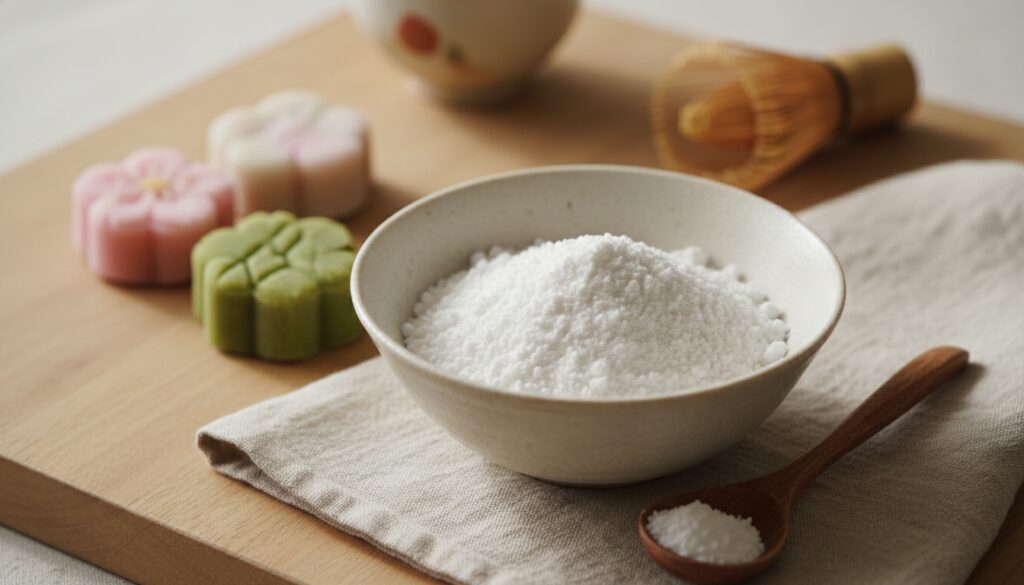
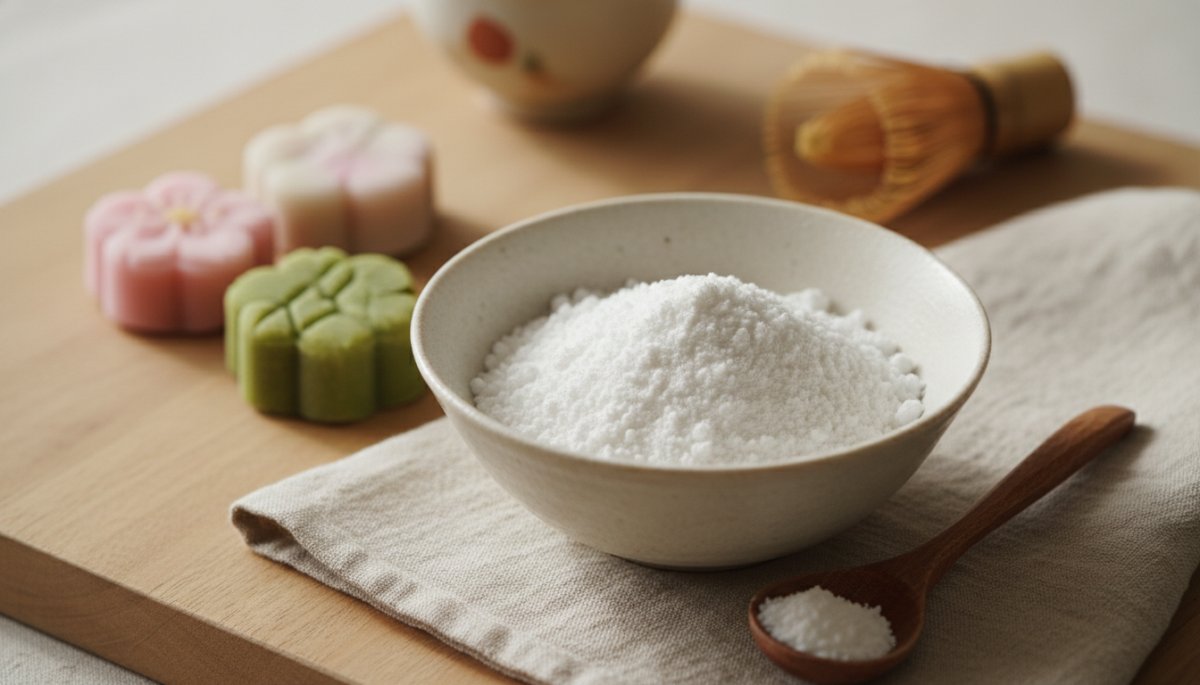
Kuzu powder is indispensable to making wagashi. Its appeal lies in a beautiful, translucent finish and a distinctive chewy texture.
ただし仕入先から届く見積を並べると、同じ「葛粉」でも価格帯が大きく分かれます。実は、葛粉には「本葛」と「加工葛」という大きな違いがあり、原料や製法、用途が全く異なります。
本記事では、葛粉を本葛と加工葛の2つに分けて、原料、製法、価格、食感の違い、用途別の最適な選び方まで詳しく解説します。
See Minoyo's Product List Here
本葛とは?葛根100%の葛粉
本葛は、葛の根から採取したでんぷん100%で作られる葛粉です。
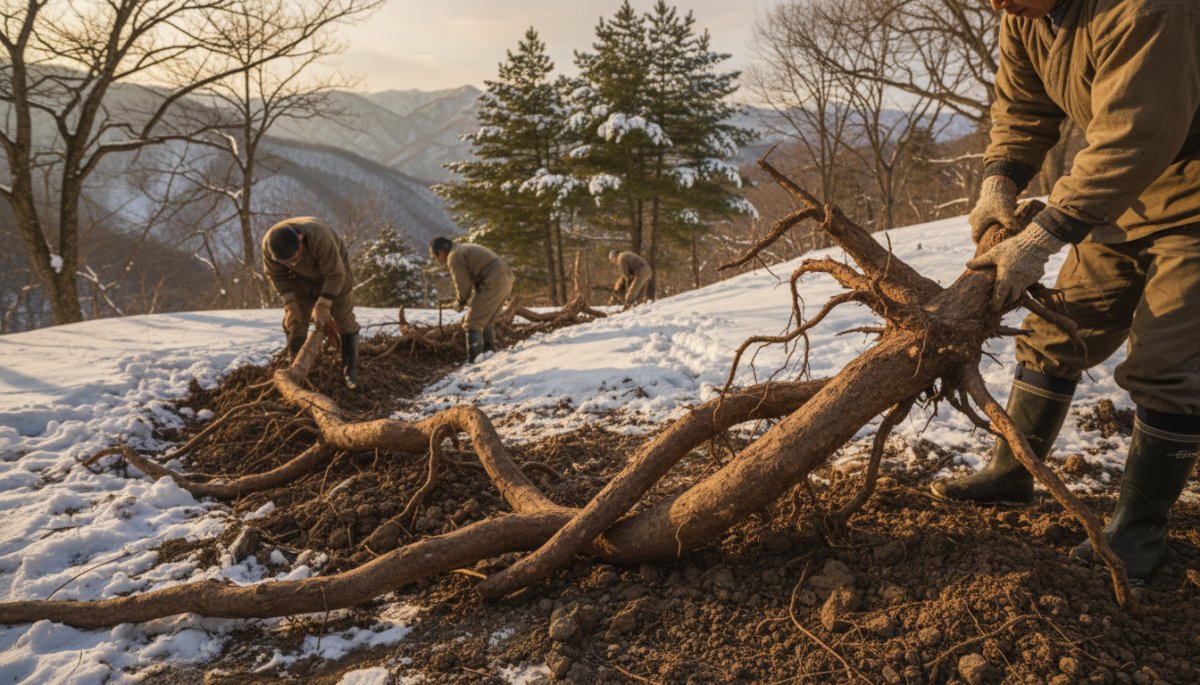
葛はマメ科のつる草で、夏の間に光合成で養分を蓄え、秋から冬にかけて根にでんぷんを貯めます。冬の山で掘り出された葛の根は、粉砕・水晒し・沈殿という伝統的な「吉野晒」の製法で精製されます。この製法では、撹拌・沈殿・水の入れ替えを繰り返し、あくや苦みを取り除きます。
本葛の特徴は、透明感のある美しい仕上がりと、なめらかで上品な食感です。他の澱粉と比べて粘りは弱い一方で、なめらかさが際立ち、扱いやすいという利点があります。葛餅や葛きりなどの高級和菓子に使用され、独特の透明度と弾力性を生み出します。
ただしHon-Kuzuは葛の収穫量が少なく、精製にも手間がかかるため非常に高価です。そのため、外国産の粗製葛(未精製の葛澱粉)を原料にする場合もあります。
What Is Processed Kuzu? Kuzu Powder Blended with Other Starches
Processed kuzu is a product in which kuzu starch is blended with other starches.
After the war, some producers in Kyushu began selling sweet potato starch as kuzu powder. While wild kudzu roots dug and gathered from the mountains yield only about 10% starch, sweet potatoes can be cultivated and have a high starch content, making it possible to produce them cheaply and in large quantities.
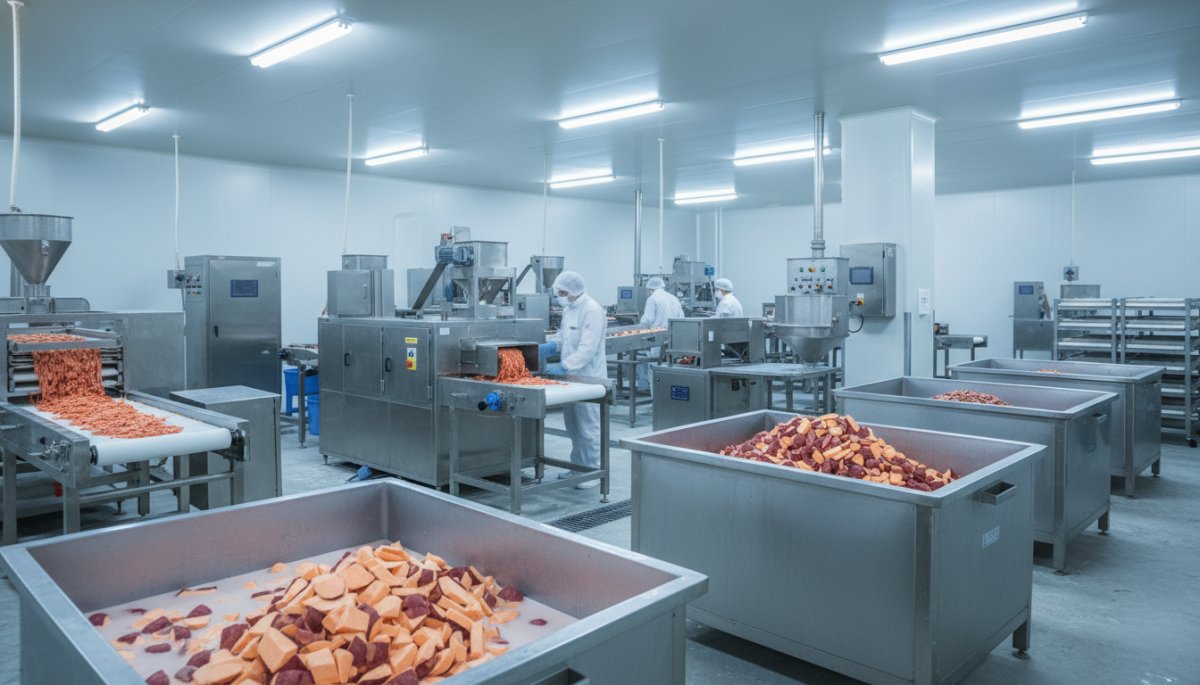
現在、一般的に「葛粉」として販売されているものの多くは、葛澱粉に他の澱粉を混ぜたものです。天極堂は、土産物屋や量販店で売られる「吉野葛」の一括表示には「葛澱粉、澱粉」あるいは「葛澱粉、甘藷澱粉」などの記載がある、としています。これらは本葛より弾力が強く出る傾向があります。
加工葛は本葛に比べて価格が安く、日常的な和菓子作りに適しています。ただし、透明感や滑らかさは本葛に劣ります。購入時は原材料表示で何のでん粉が入っているかを確認し、配合比は規格書で押さえてください。原材料表示は重量順の列挙で、含有率までは書かれません。
SourceTenkyudo, "About the Origin of the Kudzu Root Used as Raw Material for Yoshino Hon-kuzu"adapted from
How to Distinguish Between Hon-kuzu and Processed Kuzu
There are three points for telling them apart.
1. Checking the Ingredient Labeling
本葛は原材料が葛澱粉のみです。加工葛は原材料に「甘藷澱粉」「馬鈴薯澱粉」など葛以外のでん粉が併記されます。
2. The Difference in Price
本葛と加工葛では価格帯が大きく離れます。極端に安いものは他のでん粉を混ぜた製品だと考えて、原材料表示を確認してください。
3. The Translucency of the Finish
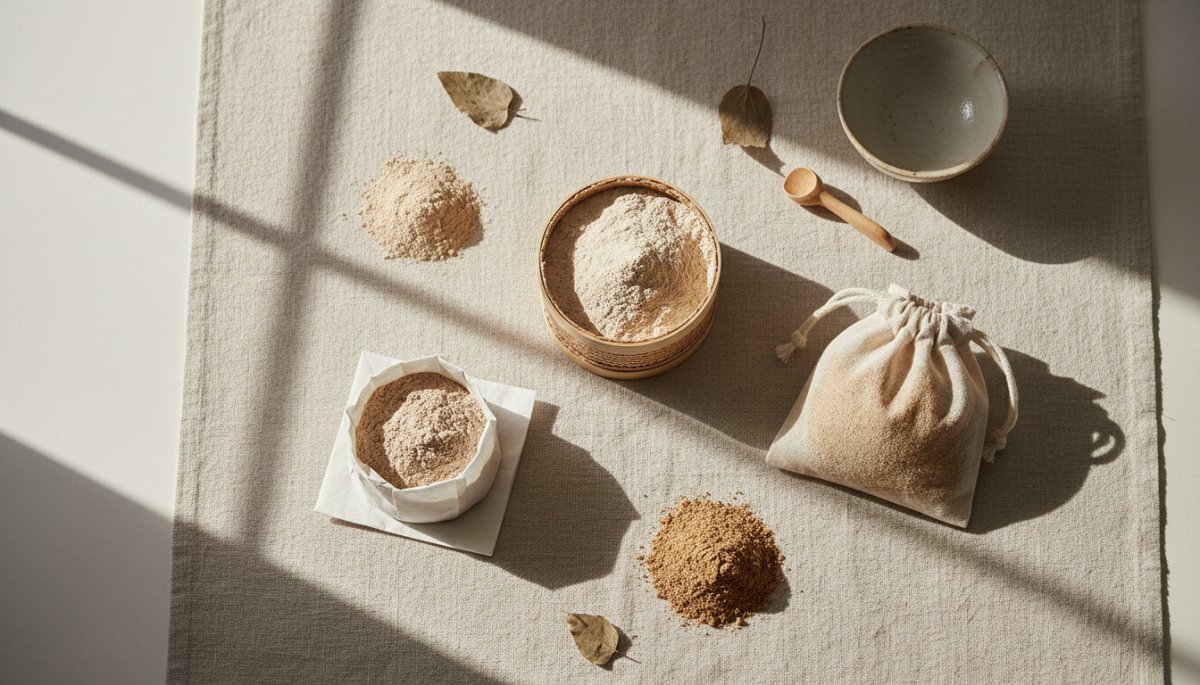
本葛で作った葛餅は黄色っぽく透明感があります。加工葛は混ぜたでん粉の種類で色や透明感が変わります。
また、時間が経つと白く濁ってくる度合いにも差が出ます。どの程度で変わるかは実際に試して確かめてください。
How to Choose Kuzu Powder by Use
How should you use them selectively?
看板商品・贈答向け
Choose hon-kuzu (Yoshino hon-kuzu). It is characterized by a beautiful, translucent finish and a smooth, refined texture. It is ideal for wagashi that let you enjoy the true flavor of kuzu, such as kuzu mochi, kuzukiri, and kuzu manju.
For Everyday Wagashi Making
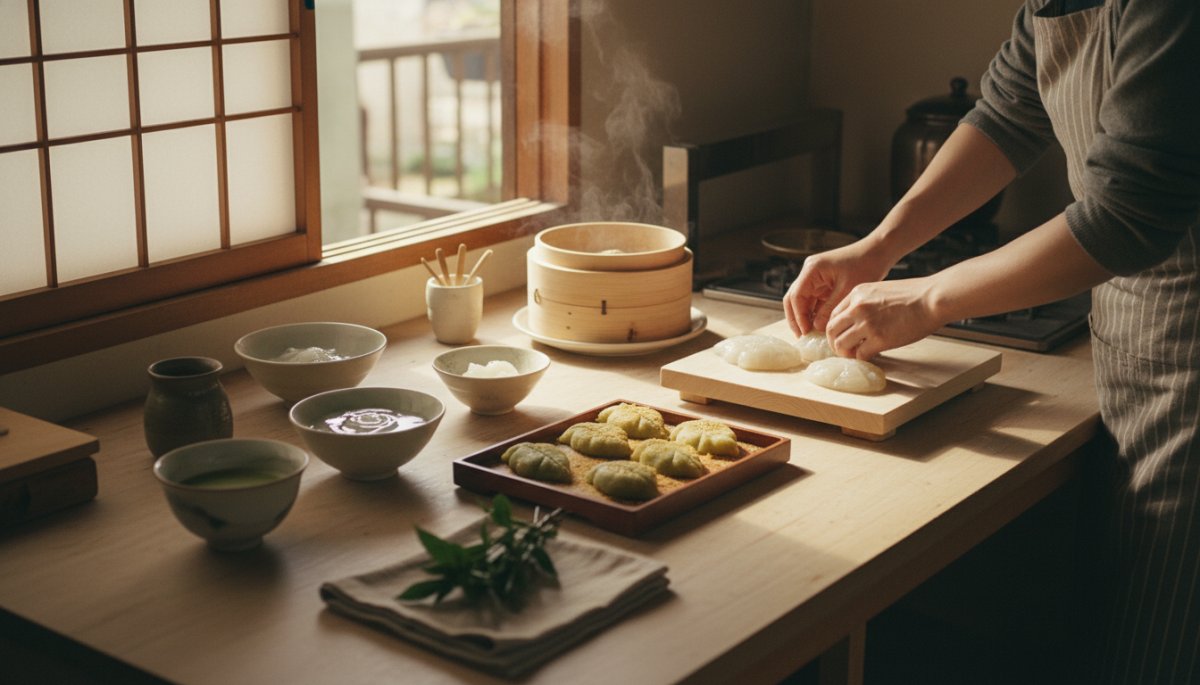
加工葛(葛澱粉に他のでん粉を混ぜた製品)が適しています。本葛より弾力が出やすく、価格も手頃です。わらび餅風の菓子や水まんじゅうなど、量を作る定番商品に向いています。
For Thickening in Cooking
馬鈴薯澱粉(片栗粉)で十分です。葛粉は高価なため、料理用には代用品を使うのが一般的です。ただし、葛湯など葛の風味を活かしたい場合は本葛を使いましょう。
When Convenience Is a Priority
美濃与の「葛菓子の友」「新葛もちの友」などのオリジナル商品もあります。これらはミックス粉で、水と砂糖を加えて加熱すれば生地ができます。アレンジにも使えます。
When choosing, it is important to consider the balance among the type of wagashi you want to make, your budget, and the quality you seek.
業務用では「全部を本葛にするか」で考えない
価格差が大きい原料なので、業務用ではどこに使うかを絞るのが現実的な進め方になります。全商品を本葛に切り替えるのではなく、本葛の良さが見える商品にだけ使うという考え方です。
透明感が売り物になる商品かどうか
本葛の特徴は透明感となめらかさです。これが客に見える商品かどうかが判断の軸になります。葛切りや葛饅頭のように、透明度そのものが商品の見どころになるものなら差が出ます。一方、餡を包んで色が乗る菓子や、他の素材と混ぜて食感を作る菓子では、差が伝わりにくくなります。
価格差を乗せられる商品と、乗せられない商品を分ける。そのうえで、乗せられない側には加工葛や他のでん粉を使う。この形なら、原価全体を押し上げずに看板商品を立てられます。
表示の書き分けを先に決める
見落とされやすいのが原材料欄です。本葛を使うのか、他のでん粉を混ぜた製品を使うのかで、書く内容が変わります。混合品なら、混ざっているでん粉もそれぞれ原材料欄に出ます。
商品によって使う粉を変えるなら、商品ごとに原材料欄が変わるということです。パッケージを共通化している場合はここで詰まります。どの商品にどの粉を使うかを決めてから、表示とパッケージの設計に入ってください。順番を逆にすると刷り直しになります。
仕入れる粉が何なのかは規格書で確認する
「葛粉」という名前で流通しているものの中身は一通りではありません。製品名や通称ではなく、規格書に書かれた原料で判断してください。この考え方は専用粉の記事でも扱っています。名前から中身を推測して表示を作らないでください。
でん粉の表示については、加工でん粉に当たる場合に添加物として扱われることがあります。アルファ化でん粉の記事で整理しています。
Conclusion: Choosing Kuzu Powder Is About Balancing Use and Quality
We have explained the types of kuzu powder and how they differ.
本葛は葛根100%の製品で、透明感のある美しい仕上がりと上品な食感が特徴です。一方、加工葛は他の澱粉を混ぜた製品で、価格が手頃で日常使いに適しています。見分け方は原材料表示、価格、仕上がりの透明感の3つのポイントで判断できます。
用途に応じて使い分けることが、美味しい和菓子作りの秘訣です。高級和菓子や贈答には本葛を、日常的な和菓子作りには加工葛を選びましょう。美濃与では、本葛、Zuiichi Hon-kuzuなどの葛粉から、馬鈴薯澱粉、小麦澱粉まで、幅広い澱粉類を取り揃えています。
See Minoyo's Product List Here
📦 Related Minoyo Products
Please feel free to consult us about commercial procurement and sample requests
美濃与は京都に拠点を置く京菓子原材料の専門商社です。本記事で取り上げた原料の業務用調達や、お試しサンプル、ロット・規格のご相談など、和菓子製造の現場に寄り添った提案を行っています。
For Minoyo's business and strengths, please see Our Business & Why We Are Chosen . For the actual flow of doing business, see Ordering Process & How to Order; for questions, we have compiled them at Frequently Asked Questions . For individual consultations, please use Contact or material download to get in touch.


