おはぎとぼたもちの違いと原料
During the Higan season, more wagashi shops and households make ohagi and botamochi by hand. But did you know that choosing the wrong ingredients can greatly change the texture and flavor?
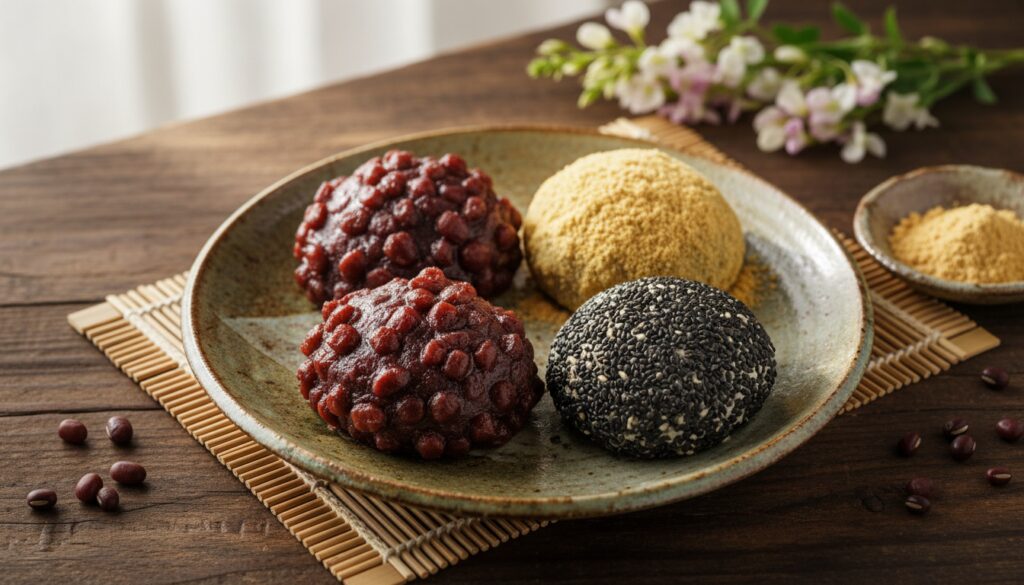
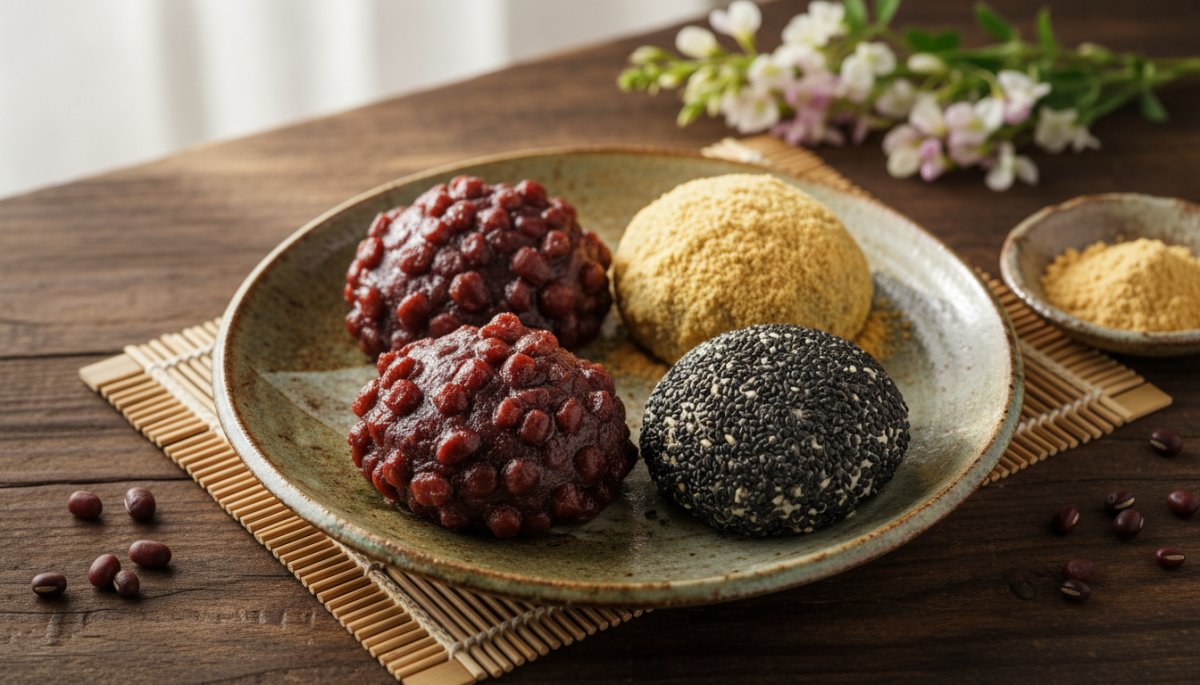
This wagashi—called "botamochi" during spring Ohigan and "ohagi" during autumn Ohigan—is actually the same thing. The difference in name comes from the flowers that bloom in each season, named after the peony (botan) in spring and the bush clover (hagi) in autumn.
この記事では、お彼岸向けのおはぎ・ぼたもちに使う材料を整理します。もち米とうるち米の割合による食感の違い、小豆餡の選び方、きな粉やごまなどのまぶし材料の特徴を順に見ていきます。
See Minoyo's Product List Here
もち米とうるち米の割合で変わる食感
配合で変わる粘りと歯切れ
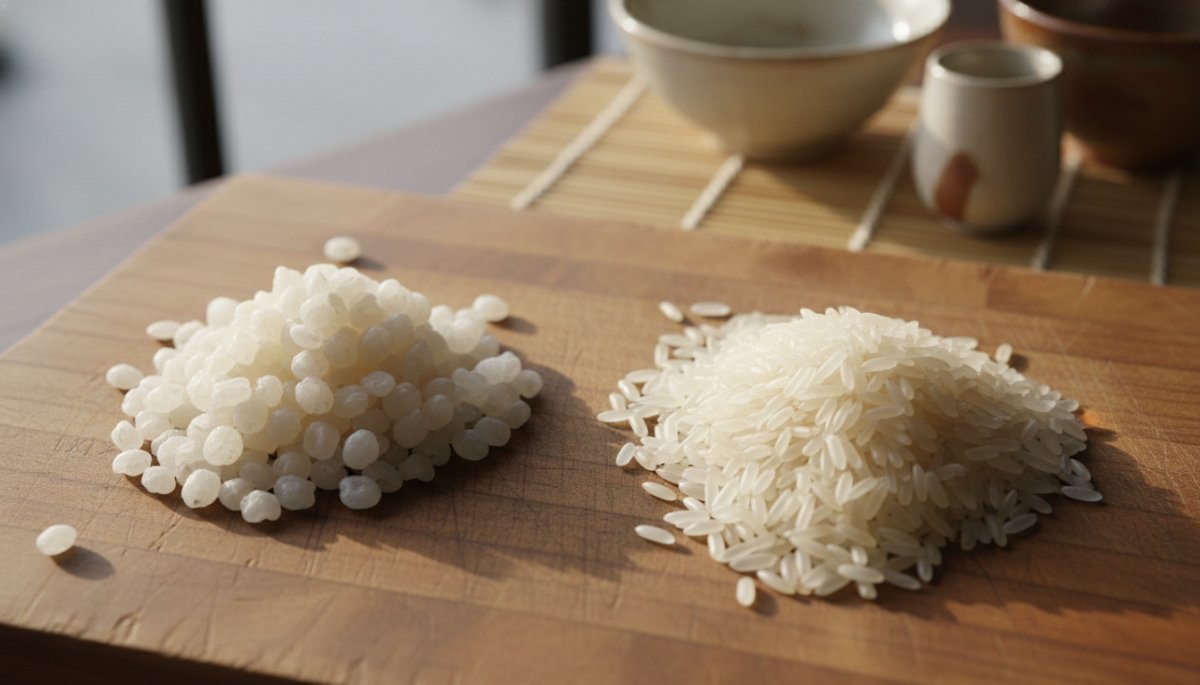
おはぎ・ぼたもちの食感は、もち米とうるち米の割合で変わります。
もち米はもちもちとした食感を生み、うるち米を加えると食べやすさが増します。
もち米とうるち米の配合は、求める粘りや歯切れ、製法に応じて決めます。
How to Choose Rice by Season
New autumn rice has high moisture content and gives a plump, fluffy finish. Because rice in early spring has become drier, you'll need to allow a longer soaking time.
Texture also changes depending on the rice variety. Choosing sticky varieties such as Koshihikari and Akitakomachi gives a more cohesive finish.
How to Choose Adzuki An and Use It Differently by Season
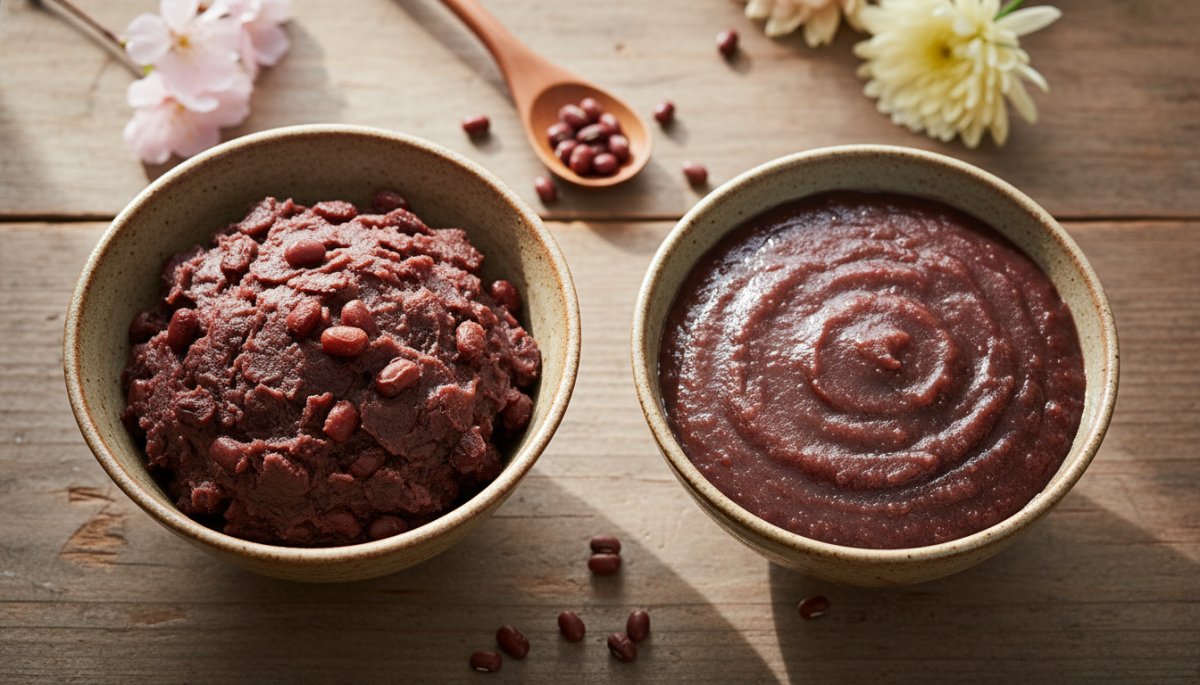
The Tradition of Koshian in Spring and Tsubuan in Autumn
There is a tradition of using koshian for spring botamochi and tsubuan for autumn ohagi.
This has practical reasons based on the harvest timing and storage state of adzuki beans. Adzuki beans just harvested in autumn have soft skins, so tsubuan, which lets you enjoy their flavor and texture as is, is ideal. In spring, on the other hand, you use adzuki beans harvested the previous autumn that have overwintered, so the skins have dried and hardened with the passage of time. It therefore makes sense to remove the skins and strain them into a smooth koshian.
Because there was no refrigerated storage in those days, cooking methods suited to the seasonal state of the ingredients were the wisdom that has been passed down over time.
Minoyo's Sarashi-an Series
美濃与では、特一号晒餡・冨士印晒餡・白晒餡を各12kg規格で取り扱っています。形態や使用方法は規格書で確認してください。
The Characteristics of Coating Materials Such as Kinako and Sesame
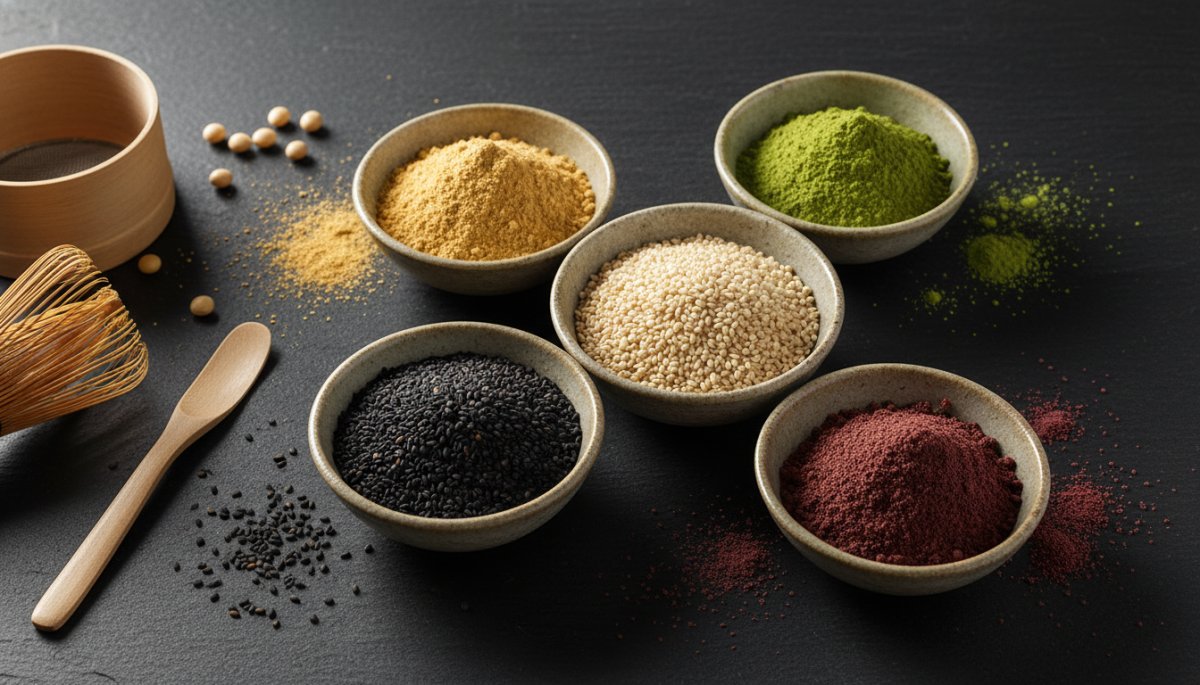
きな粉の香ばしさと色
きな粉は大豆を炒って粉にしたもので、香ばしい風味が魅力です。
きな粉をまぶしたおはぎは、あんこの甘さときな粉の香ばしさが絶妙にマッチします。
選ぶ際は、色が鮮やかで香りが強いものを選びましょう。開封後は湿気と香りの劣化を避けるため、密封して保管し、早めに使い切ります。
Using Black Sesame and White Sesame Differently
Black sesame has a strong flavor and a high-end look. White sesame has a gentle flavor and is characterized by pairing well with any an.
When coating with sesame, lightly roasting it before use brings out the aroma. Grinding it into surigoma (ground sesame) gives a better mouthfeel and makes it easier to eat.
美濃与では、和菓子の着色に使う色素も取り扱っています。煉本紅、煉黄色、煉青色、煉挽茶色などの練りタイプと、赤色3号、桜花紅、青色1号、黄色4号、新小豆色、挽茶色、特製草青色、特製チョコレート色、Bamboo Charcoal Powder,among other powder types.
おはぎ・ぼたもちの米の蒸し方
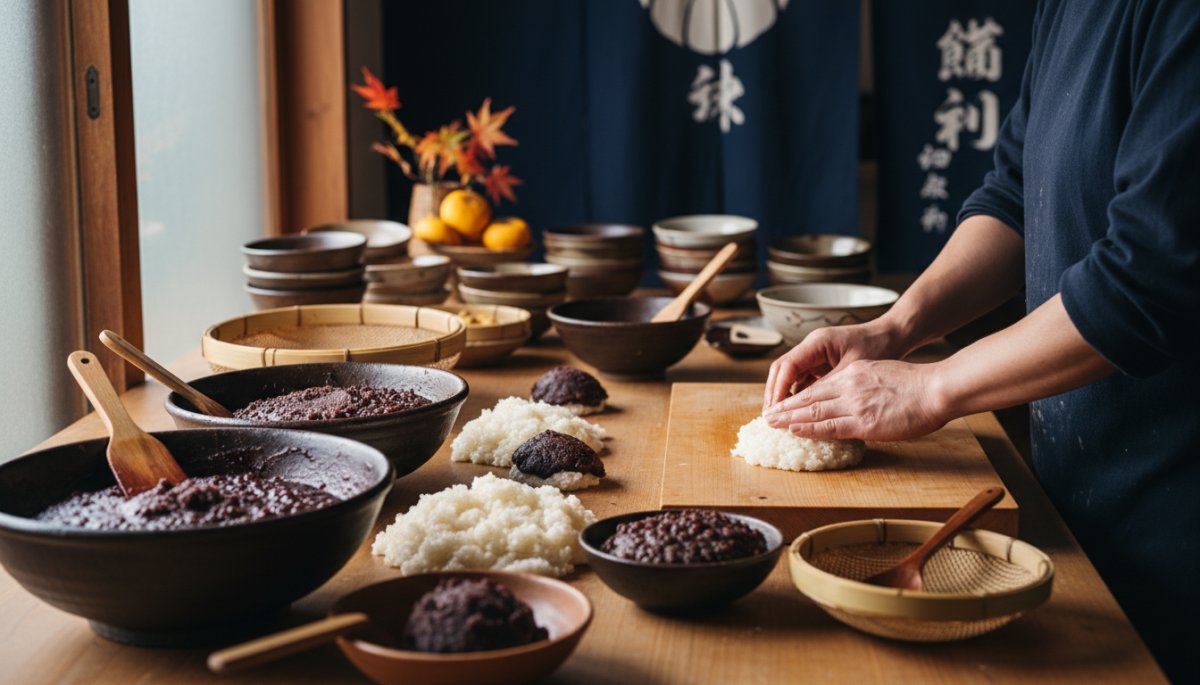
As a rule, glutinous rice and non-glutinous rice are washed and soaked separately. Soak the glutinous rice for at least 3 hours and the non-glutinous rice for about 30 minutes.
蒸し器で蒸す場合は、強火で約40分蒸し上げます。
Once steamed, pound with a pestle until about half of the grains remain whole. Over-pounding turns it into mochi, while under-pounding keeps it from holding together. This "half-mashed" (hangoroshi) degree of pounding determines the texture of ohagi and botamochi.
Summary: Choosing the Right Ingredients for Successful Higan Wagashi
お彼岸のおはぎ・ぼたもちは、米の配合と餡、まぶし材料で仕上がりが変わります。
米の配合を製法に合わせて決め、季節に応じて粒あんとこしあんを使い分けることで、伝統的な味わいを再現できます。きな粉やごまなどのまぶし材料を変えることで、風味と見た目のバリエーションが広がります。
美濃与では、穀粉・澱粉・豆類・晒餡・果実加工品・葉類・色素など、京菓子の原材料を業務用規格で取り扱っています。
See Minoyo's Product List Here
📦 Related Minoyo Products
Please feel free to consult us about commercial procurement and sample requests
美濃与は京都に拠点を置く京菓子原材料の専門商社です。本記事で取り上げた原料の業務用調達や、お試しサンプル、ロット・規格のご相談など、和菓子製造の現場に寄り添った提案を行っています。
For Minoyo's business and strengths, please see Our Business & Why We Are Chosen . For the actual flow of doing business, see Ordering Process & How to Order; for questions, we have compiled them at Frequently Asked Questions . For individual consultations, please use Contact or material download to get in touch.


