Raw Materials Guide

The Complete Guide to Choosing Hon-Warabi-ko (True Bracken Starch): How to Judge Quality and Professional Uses

March 10, 2026

Table of Contents

<a href=Genuine warabi starch: The Complete Selection Guide | How to Judge Quality and Professional Ways to Use It” style=”width: 100%;height: auto;margin-bottom: 20px; max-width: 100% !important; height: auto !important; display: block; margin: 0 auto 20px;” />

What Is Hon-warabiko? Its Rarity and Appeal

Did you know that the powder used to make warabi mochi actually comes in significantly different types?

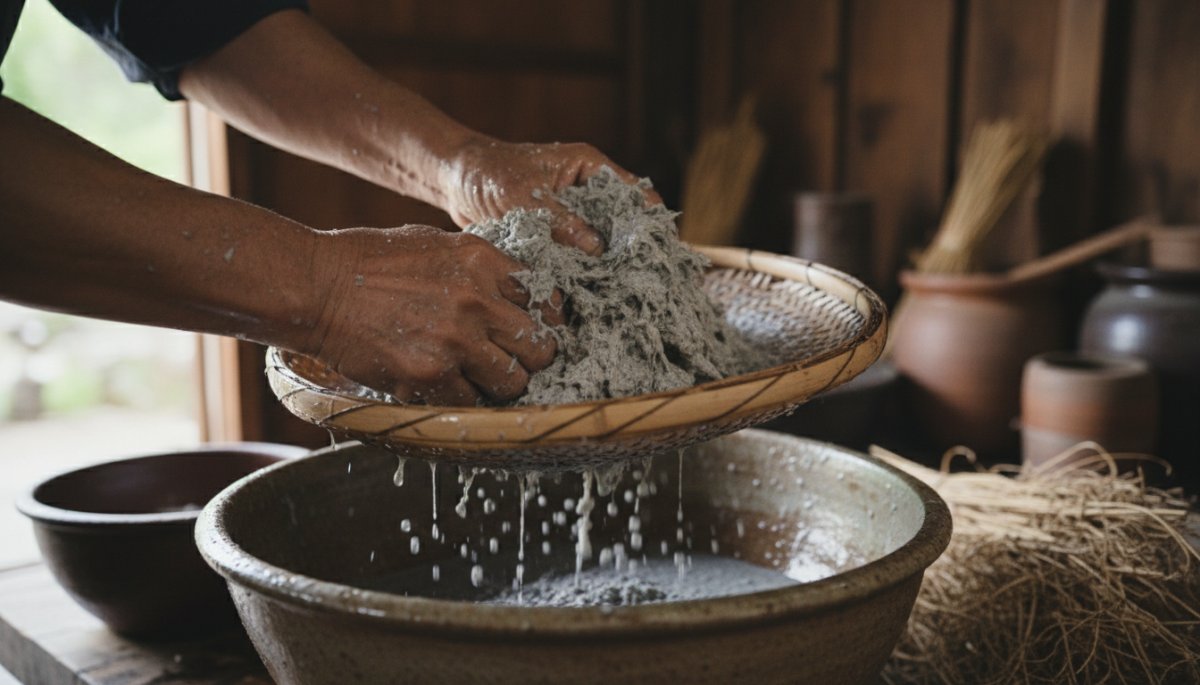
Hon-warabiko is a natural starch extracted from the roots of the bracken plant, a precious raw material that can only be obtained in very small quantities. This starch, refined from bracken roots, produces a distinctive transparency and an elastic, springy texture, making it indispensable for authentic warabi mochi. Many of the products sold as "warabi mochi" use starches such as sweet potato starch as their main ingredient, and products made from 100% pure bracken starch are extremely rare.

本蕨粉 わらび根 澱粉 和菓子原料

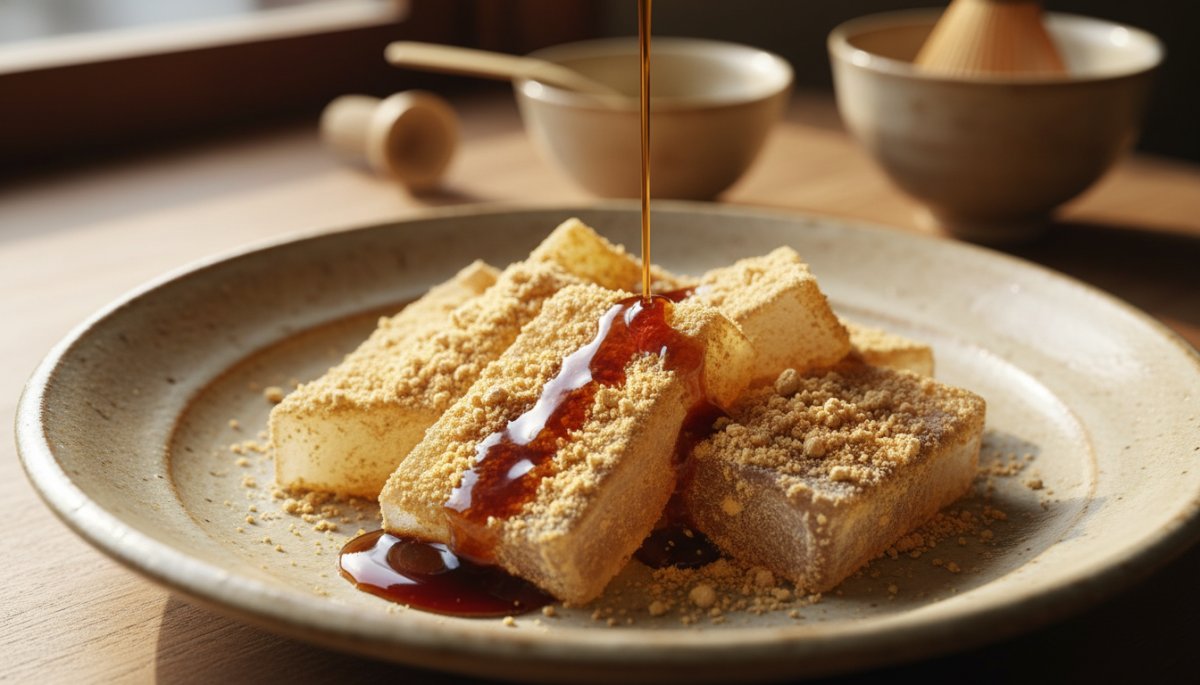
Warabi mochi made with hon-warabiko takes on a distinctive deep, dark color rather than the usual whitish translucency. This is precisely the mark of the real thing.

The distinctive texture that melts in the mouth is a hallmark unique to authentic warabi mochi—a luxurious experience that can only be enjoyed freshly made. Eating it within 30 minutes of preparation, in particular, lets you enjoy the finest melt-in-the-mouth quality and texture.

See Minoyo's Product List Here


Three Points for Judging the Purity of Hon-warabiko

When choosing hon-warabiko, checking its purity is the most important thing.

How to Judge by Color and Texture

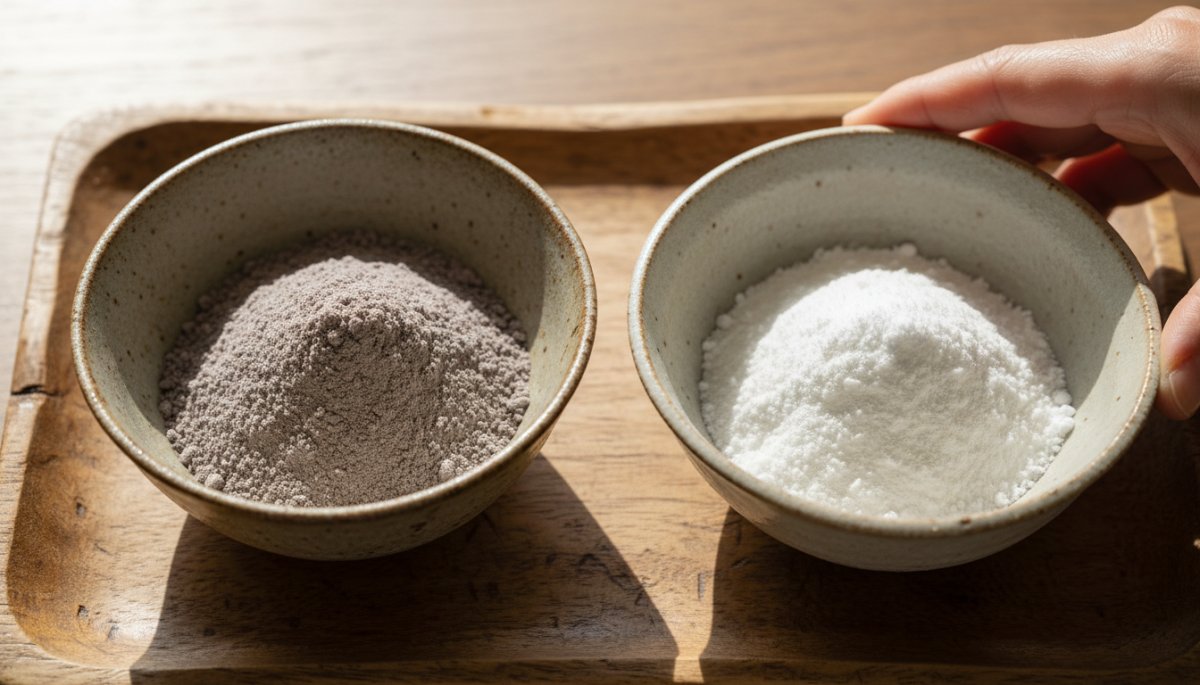
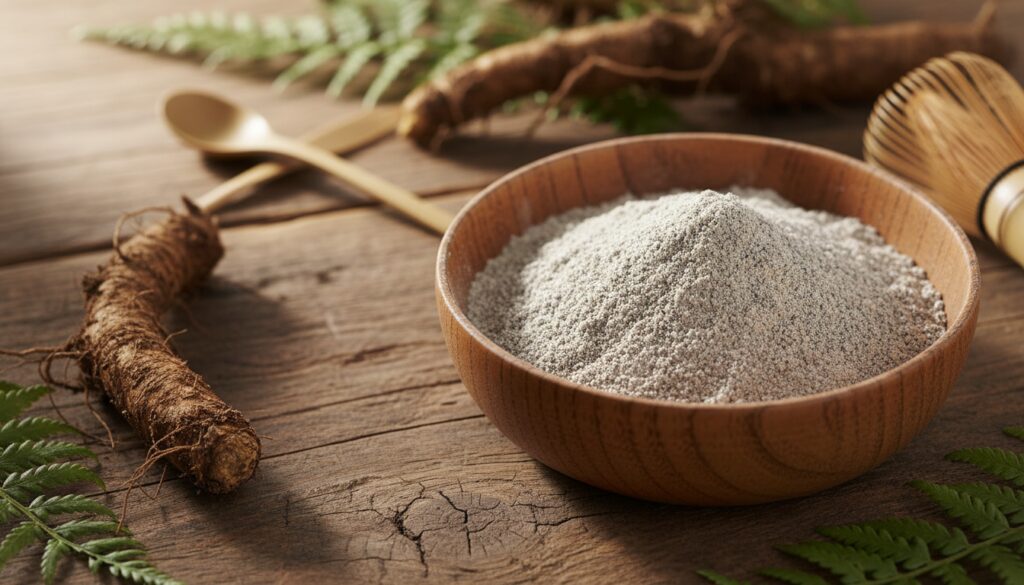
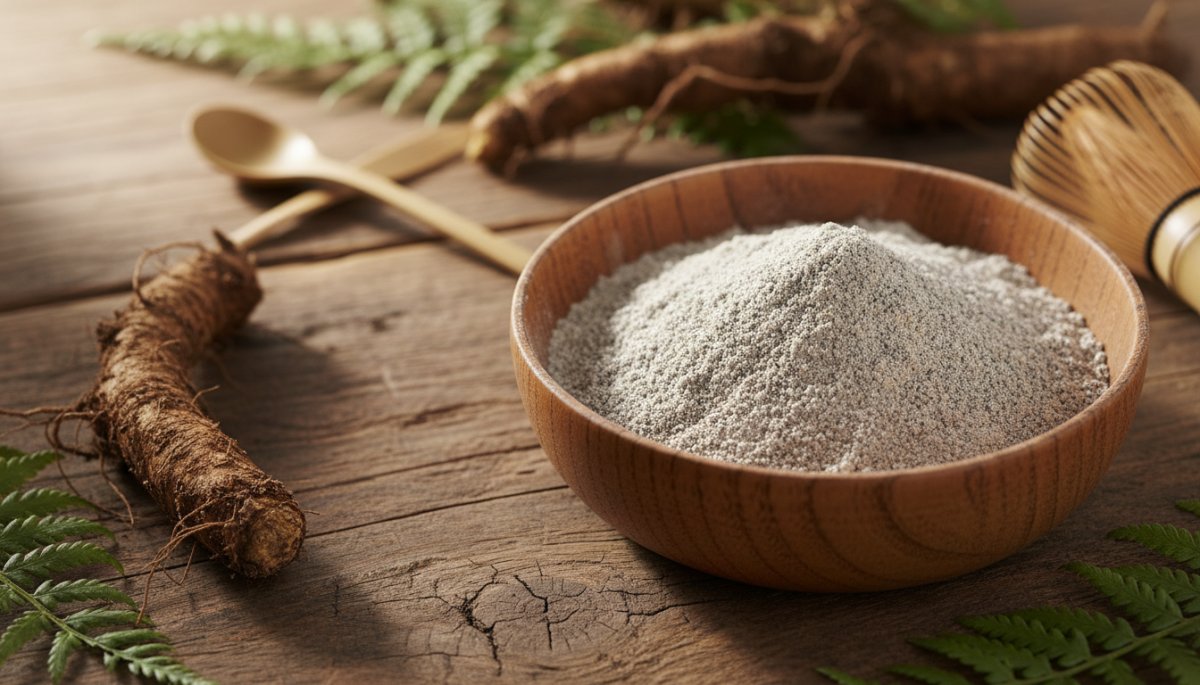
Genuine hon-warabiko has a distinctive grayish color. While ordinary bracken powder is white, hon-warabiko is characterized by a gray to blackish hue. The powder has a smooth, dry texture, and ideally it should be fine enough that when you gently squeeze it between your fingers it forms a small clump that quickly crumbles apart.

本蕨粉 純度 品質 色 質感

How to Check the Ingredient Label

Always check the ingredient label on the product package. Products clearly marked "100% bracken starch" or "hon-warabiko" are pure hon-warabiko. If they contain "processed starch" or "potato starch" and the like, they are blended products. Some blended products are of good quality, but if you want an authentic flavor, choose one with high purity.

Judging Quality by Price Range

Because hon-warabiko is extremely precious, it is priced on the higher side. A general market price is 1,500 yen or more per 100g, and products that are too cheap are highly likely to contain other starches. Since price and quality tend to correlate, we recommend purchasing from a reliable specialty store.


Differences and Characteristics of Hon-warabiko by Region of Origin

Hon-warabiko is primarily divided into domestic and Chinese origins.

Domestic hon-warabiko is refined from bracken roots harvested within Japan and is treated as the highest-grade product. Those produced in the Kyushu region in particular are made carefully using traditional methods and excel in transparency and elasticity. However, production is extremely limited, making them hard to obtain and very expensive.

Chinese hon-warabiko is easier to obtain than domestic products and is relatively affordable. Its quality is also more than sufficient, and many wagashi artisans actually use it. Even Chinese products, if they are "100% bracken starch," can be used to make authentic warabi mochi.

本蕨粉 産地 国産 中国産 品質比較

When choosing the region of origin, it is important to decide according to your intended use and budget. For enjoying it at home, Chinese hon-warabiko can make plenty delicious warabi mochi. On the other hand, for gifts or confections for special occasions, choosing the highest-grade domestic product is also a fine option.


How Professionals Store Hon-warabiko

Hon-warabiko is extremely sensitive to moisture.

After opening, the basic rule is to transfer it to an airtight container and store it away from high temperatures and humidity. Avoid placing it in direct sunlight or near strongly scented items. Because it can absorb odors, storage in the refrigerator also requires caution.

While unopened, the best-before date is generally around 2 to 3 years from the date of manufacture. However, once opened, the quality deteriorates easily, so we recommend using it up as soon as possible. In particular, if it absorbs moisture it will clump, spoiling its original texture.

For storage containers, choose highly airtight glass or plastic ones. Placing a desiccant such as silica gel inside helps maintain quality for a longer period. When using it, take out only the amount you need and close the lid immediately to prevent moisture from getting in.


Tips for Making Authentic Warabi Mochi with Hon-warabiko

Making warabi mochi with hon-warabiko is surprisingly simple.

The basic ingredients are just three: 50g of hon-warabiko, 250ml of water, and 100g of granulated sugar. Put the hon-warabiko in a bowl and, adding the water little by little, crush the clumps of powder with your fingers to dissolve them. The key is to dissolve it thoroughly until it reaches a smooth state like potato starch dissolved in water.

本蕨粉 わらび餅 作り方 レシピ 和菓子

Next, strain it through a sieve into a pot, and before placing it over heat, add the granulated sugar and dissolve it. Once over medium heat, it is important to keep stirring vigorously with a wooden spatula. It starts as a smooth liquid, but the viscosity increases in no time, so keep stirring without stopping.

When the dough becomes translucent and develops strong stickiness, it is the sign that it is done. Transfer it to a tray dusted with kinako (roasted soybean flour), and coat it evenly with kinako on top and bottom. It is best to tear it into bite-sized pieces while still warm and eat it as soon as the residual heat has subsided. Even if chilling it in the refrigerator, keep it to within 30 minutes. Since the melt-in-the-mouth quality worsens over time, it is important not to miss the deliciousness of it freshly made.


Conclusion: Choosing Hon-warabiko Changes the Quality of Your Wagashi

How you choose hon-warabiko greatly influences the flavor of warabi mochi.

By choosing high-purity hon-warabiko, you can make warabi mochi with authentic transparency and distinctive elasticity. By keeping in mind the three points—color and texture, ingredient labeling, and price range—you will be able to identify good-quality hon-warabiko. It is wise to also understand the differences by region of origin and choose between domestic and Chinese products according to your intended use.

By also paying attention to storage—keeping it airtight and away from moisture—you can maintain the quality of hon-warabiko for a long time. And above all, by savoring freshly made warabi mochi within 30 minutes, you can enjoy the finest texture that only hon-warabiko can offer.

In making wagashi, the quality of the raw materials directly affects the finished result. By choosing hon-warabiko correctly and handling it appropriately, you can enjoy authentic warabi mochi worthy of a professional even at home.

See Minoyo's Product List Here

📦 Related Minoyo Products

Please feel free to consult us about commercial procurement and sample requests

Minoyo is a specialty store for Kyoto confectionery raw materials based in Kyoto. For the raw materials covered in this article, we offer proposals close to the realities of wagashi production, including commercial procurement, trial samples, and consultation on lots and specifications.

For Minoyo's business and strengths, please see Our Business & Why We Are Chosen . For the actual flow of doing business, see Ordering Process & How to Order; for questions, we have compiled them at Frequently Asked Questions . For individual consultations, please use Contact or material download to get in touch.

Related Articles

What Is Cacao Allergy? A Guide to the Three Types of Causes and How to Choose Alternative Ingredients

We explain the main causes of cacao allergy (the cacao bean itself, sub-ingredients, and cross-contamination) and how to choose alternative ingredients. From flavor-profile comparisons of carob, soy cacao, and Japanese ingredients to allergen management in product development and OEM, we organize it all from the perspective of Minoyo, which has handled Kyoto confectionery raw materials for 120 years.

Halal Chocolate Ingredients and Certification | A Business-Focused Guide Including Cacao Alternatives

We comprehensively explain the ingredient design and certification points for halal chocolate, covering emulsifiers, dairy, sweeteners, and cacao alternatives. From the appropriate use of certification bodies such as JHA, JAKIM, and BPJPH to the decision criteria for OEM consultations with export channels in mind, we organize it all from the perspective of Minoyo, which has handled Kyoto confectionery raw materials for 120 years.

Latest Articles

Categories

Tags

Request Materials & Contact​

Please feel free to reach out with any questions about raw materials or products, or to request materials.
Our dedicated staff will respond with care.