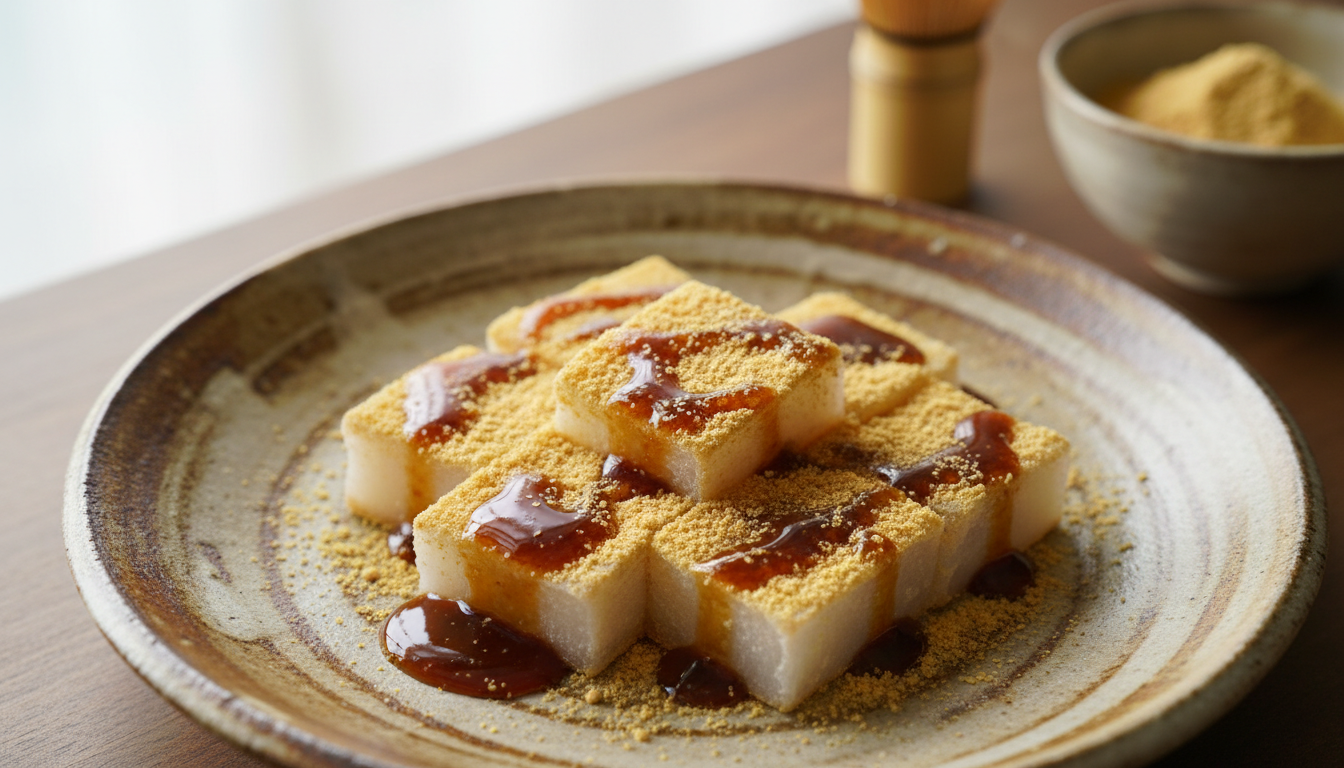
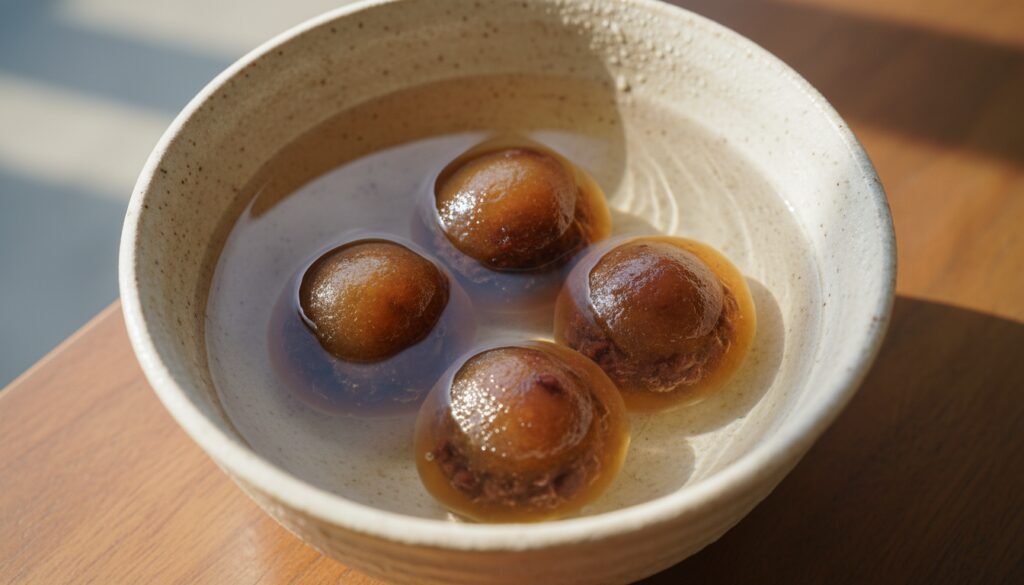
What Is Warabi Manju? A Cool Summer Wagashi with Transparency
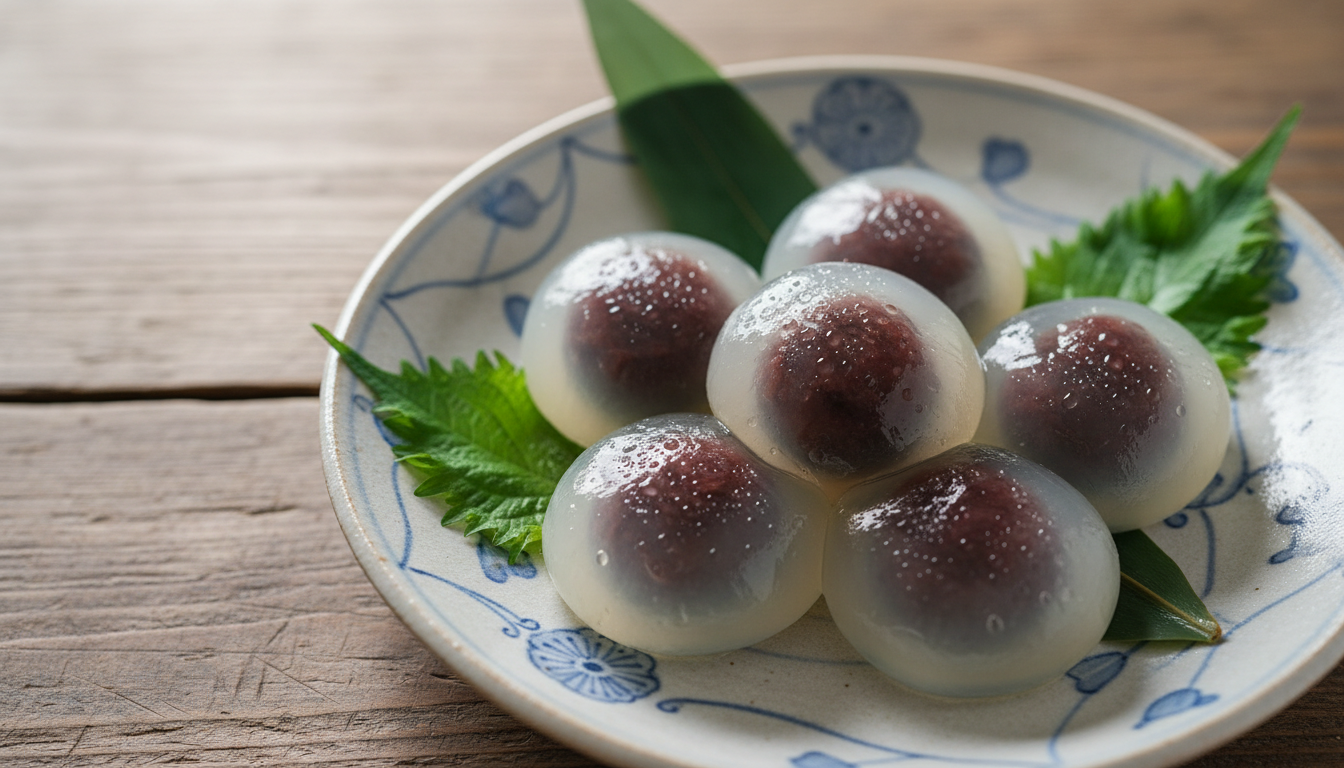
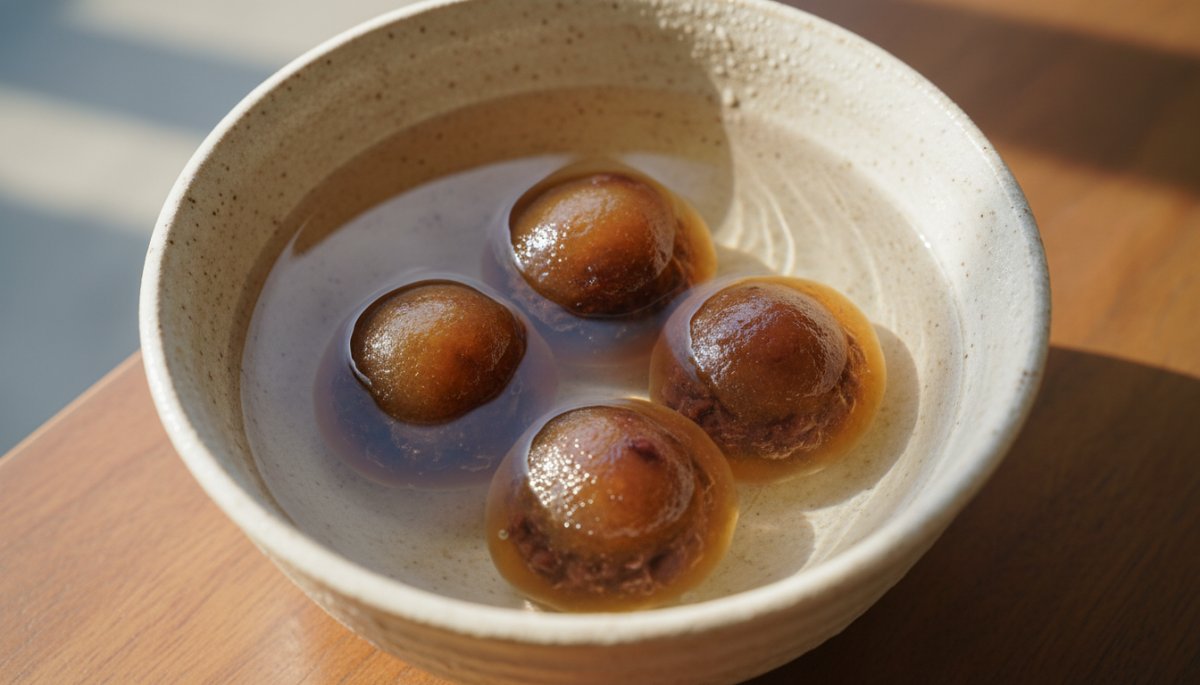
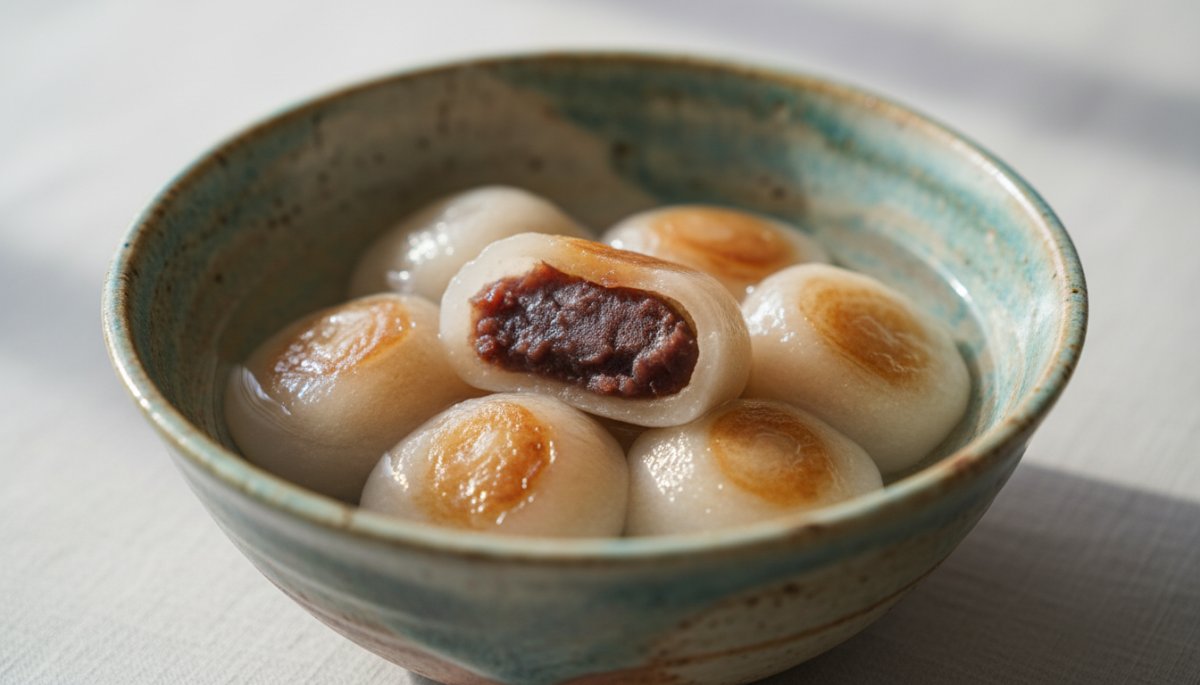
Warabi manju is a refreshing wagashi that wraps anko in a translucent dough.
Made with hon-warabiko or kudzu powder, its appeal lies in its chewy texture and beautiful appearance. As a seasonal feature of summer, it is beloved at many wagashi shops.
Its texture is close to that of mizu manju, but the elasticity and transparency unique to bracken powder are distinctive. Floating it in ice water to chill gives an even more refreshing impression.
See Minoyo's Product List HereFrom here, you can check high-quality ingredients such as the hon-warabiko and kudzu powder needed to make warabi manju.
Basic Ingredients for Warabi Manju and How to Choose Them
How to Choose Hon-warabiko and Its Characteristics
The star of warabi manju is hon-warabiko.
Products made from 100% domestic bracken starch are characterized by a distinctive transparency and an elastic, springy texture. Because the harvest yield is low and production is labor-intensive, it is a very precious raw material.
本わらび粉の生地は無色透明ではなく、褐色がかった半透明に仕上がります。
代替として、甘藷(さつまいも)澱粉を主原料にした「わらび餅粉」も流通しています。
The Role of Kudzu Powder and the Blend Balance
Kudzu powder is an important ingredient for enhancing transparency.
Using Yoshino hon-kuzu (kudzu starch) results in a finish with excellent transparency and elasticity, creating a smooth, refined texture.
The blend balance of bracken powder and kudzu powder determines the texture. With bracken powder alone the elasticity is too strong, while with kudzu powder alone it is too soft, so a precise blend is required.
The Blend Ratio of Sugar and Water
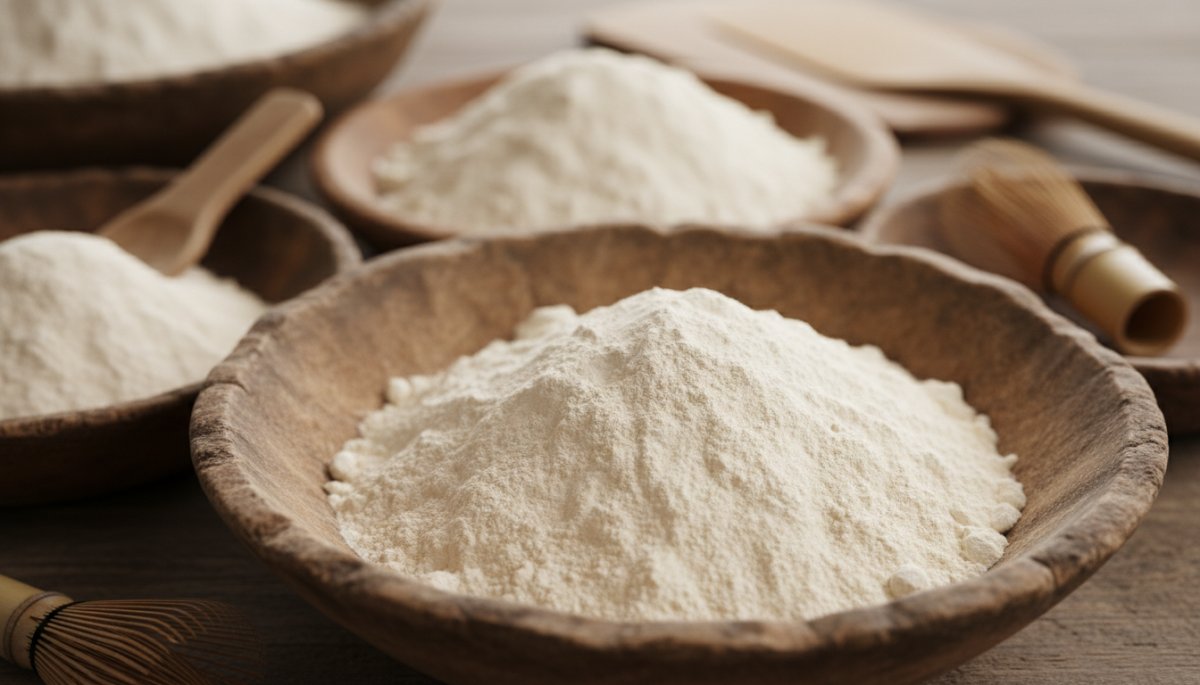
配合は、本わらび粉1に対して水5(重量比)前後を起点に、求める硬さで調整します。
砂糖の量は甘さだけでなく、生地の食感や保存中の硬さの変わり方にも関わります。使う澱粉と保存条件をそろえて試作で確かめ、あんこの甘さとのバランスを取ります。
水の量が多すぎると生地がゆるくなり、少なすぎると固くなります。試作で決めた配合と加熱時間は工程書に残し、毎回そろえます。
わらび饅頭を炊いて包み、冷やすまでの手順
Temperature Control in Making the Dough
生地の仕上がりを左右するのは、加熱時の温度管理です。
鍋では中火でかき混ぜながら加熱します。水分が飛んで粘りが出てきたら弱火にし、さらに2分ほど練ります。
Overheating makes it hard, while underheating fails to bring out the transparency. Judging the state of the dough is important.
Techniques for Wrapping the Anko
Roll the anko into portions of about 25g in advance.
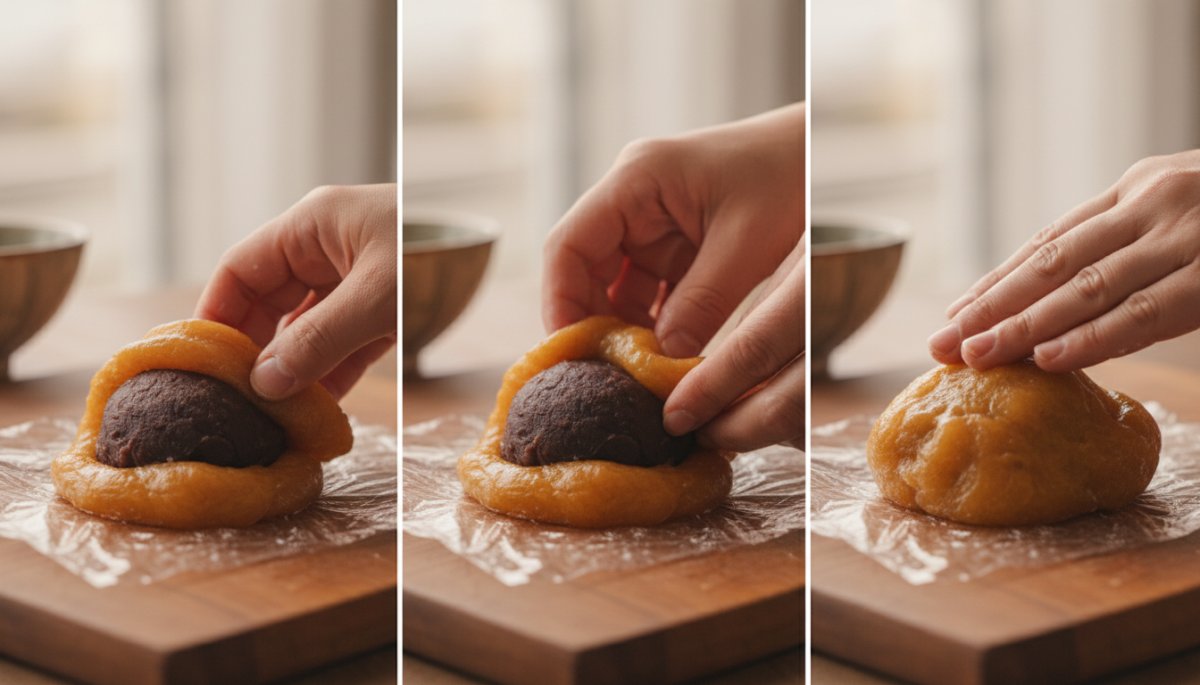
The key is to work quickly while the dough is still soft. Place a spoonful of dough on plastic wrap, set the anko on top, then cover it with more dough.
There is also a method of gathering the wrap and closing it with a rubber band, which gives a cute, rounded shape.
Because the dough becomes difficult to handle once it cools, wrapping quickly is the key to success.
包んだ後の冷やし方と保存方法
Once you have finished wrapping, immediately soak it in ice water to remove the residual heat.
Cooling it rapidly preserves the transparency and improves the texture. Once it has cooled sufficiently, store it in the refrigerator.
Keeping it chilled until just before eating makes it even more delicious. However, since chilling too much makes it hard, we recommend taking it out of the refrigerator 30 minutes before eating.
Minoyo's High-Quality Wagashi Raw Materials
A Lineup of Hon-warabiko and Kudzu Powder
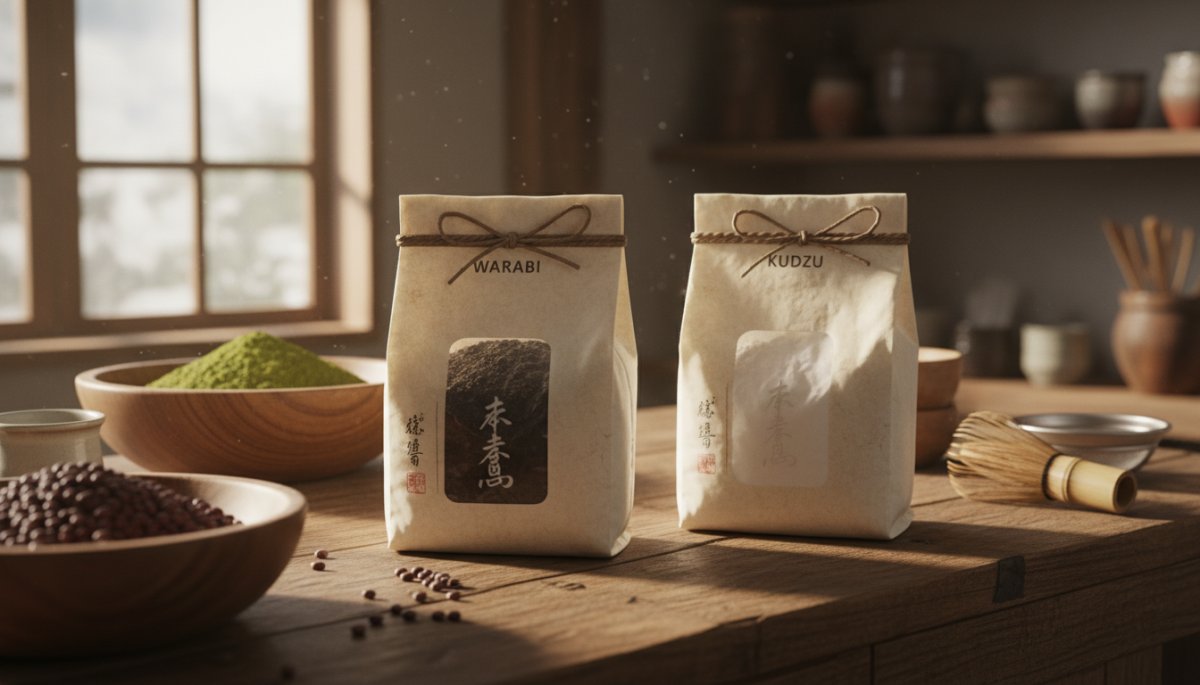
At Minoyo, we carry the ideal ingredients for making warabi manju,Genuine warabi starchand hon-kuzu (kudzu starch).
本蕨粉は10kg規格で、本葛は5kg×4規格など、業務用の大容量パッケージでの提供。本葛・随一本葛から、馬鈴薯澱粉、小麦澱粉まで揃えています。
We deliver the starches essential for making transparent wagashi at professional-grade quality.
「友」シリーズ
美濃与では、蕨菓子の友・葛菓子の友など、水と砂糖を加えて加熱すると生地ができるミックス粉の「友」シリーズを1kg・10kgの規格で扱っています。
A Full Range of Other Wagashi Ingredients as Well
At Minoyo, we carry an abundant range of wagashi ingredients besides those for warabi manju.
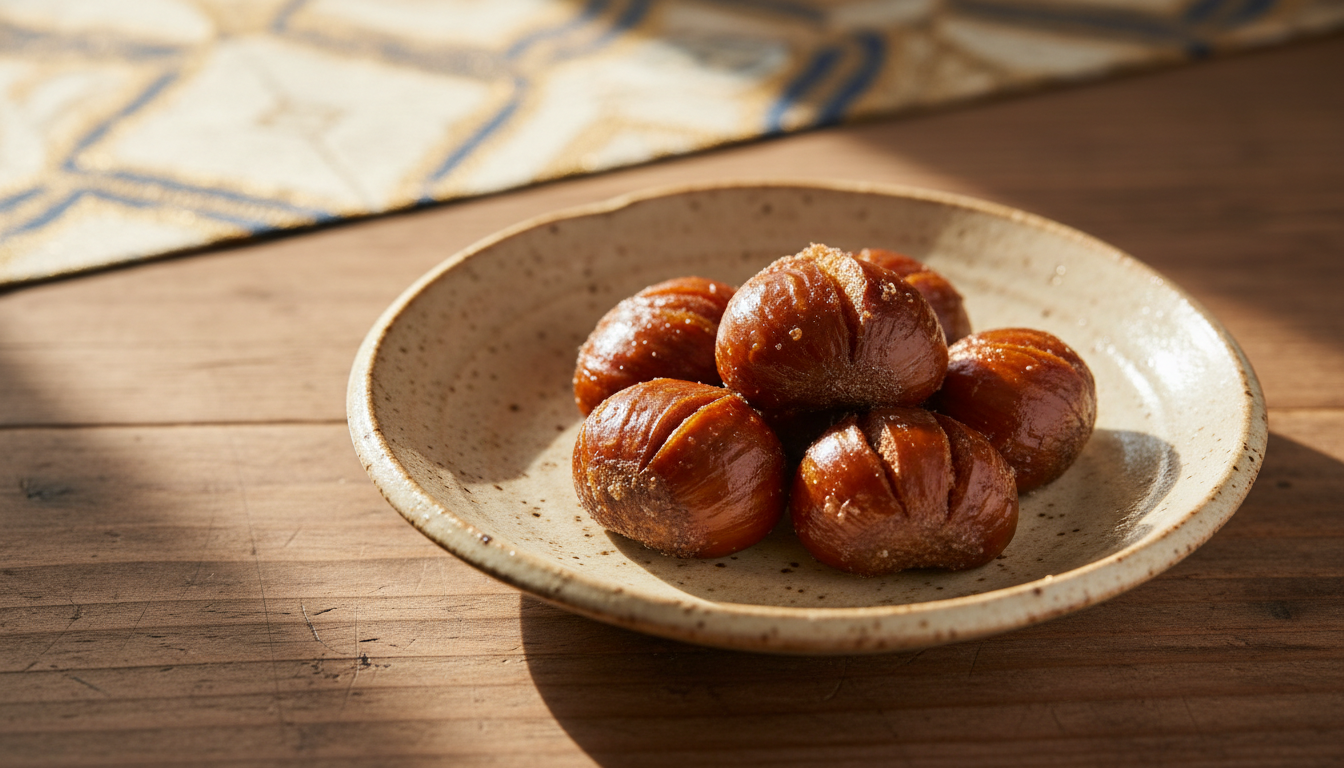
特一号晒餡・冨士印晒餡などの晒餡、柚子加工品、乾燥柏葉や桜青葉などの葉類、Chestnut Kanroniや梅加工品など、和菓子製造に使う原料を扱っています。晒餡の形態や使用方法は規格書でご確認ください。
Sales center on large-volume commercial packages, meeting the needs of professional wagashi artisans.
Conclusion: Ingredient Selection Determines the Deliciousness
The deliciousness of warabi manju is determined by ingredient selection.
本わらび粉や本葛など、高品質な澱粉を使うことで、透明感ともちもち食感が生まれます。砂糖と水の配合バランス、温度管理、包み方でも仕上がりが変わります。
美濃与では、わらび饅頭作りに必要な本蕨粉、本葛など、プロ仕様の高品質な材料を幅広く取り揃えています。業務用大容量パッケージで、安定した品質をお届けします。
See Minoyo's Product List HereFrom here, please check the details of our wagashi raw materials and try your hand at making authentic warabi manju.
📦 Related Minoyo Products
Please feel free to consult us about commercial procurement and sample requests
美濃与は京都に拠点を置く京菓子原材料の専門商社です。本記事で取り上げた原料の業務用調達や、お試しサンプル、ロット・規格のご相談など、和菓子製造の現場に寄り添った提案を行っています。
For Minoyo's business and strengths, please see Our Business & Why We Are Chosen . For the actual flow of doing business, see Ordering Process & How to Order; for questions, we have compiled them at Frequently Asked Questions . For individual consultations, please use Contact or material download to get in touch.