Recipes

A Thorough Guide to Habutae Mochi Ingredients and Proportions | A Pro's Tips on How to Make It

March 10, 2026

Table of Contents

羽二重餅の材料と配合を徹底解説|プロが教える作り方のコツ

What Is Habutae Mochi? The Appeal of Fukui's Signature Confection

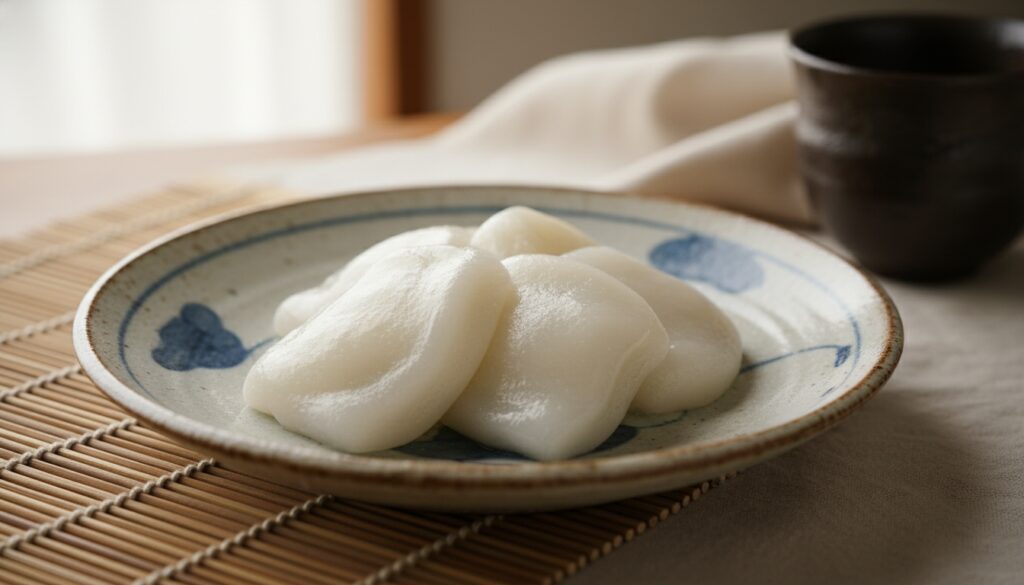
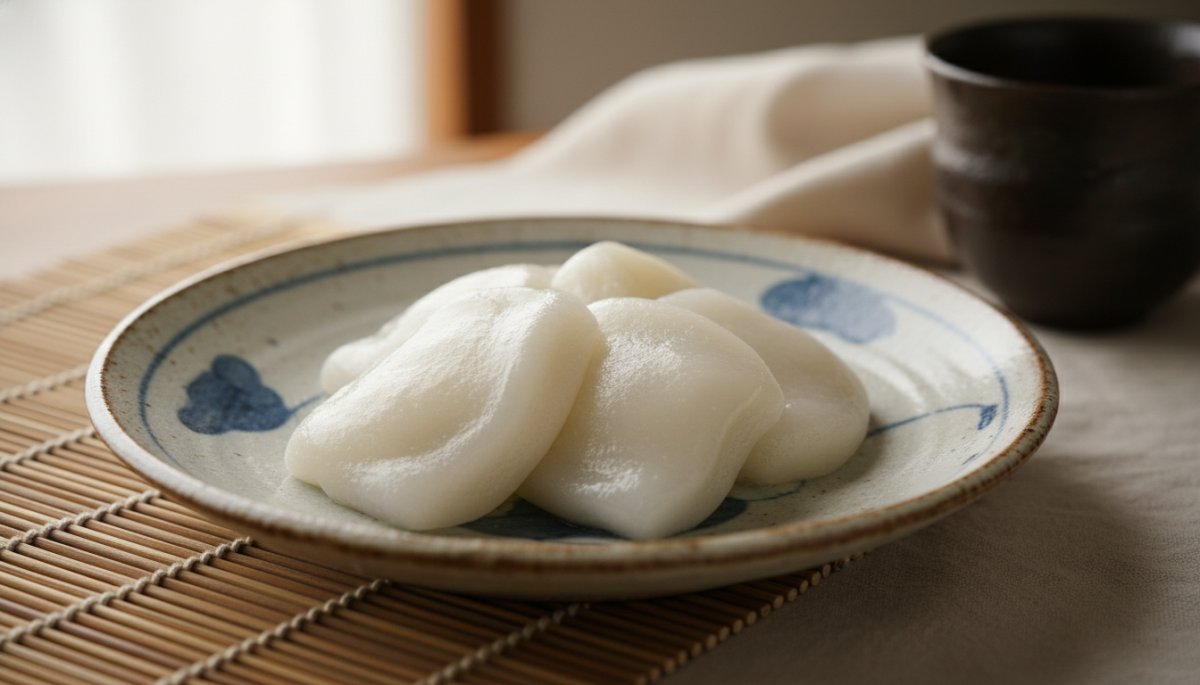
Habutae mochi is known nationwide as a confection that represents Fukui Prefecture.

Its name comes from habutae-ori, a silk textile that is one of Fukui's celebrated products. Habutae-ori is a premium silk fabric known for a texture that is soft as feathers, supple, and resilient. In an effort to express the grace of this habutae-ori through wagashi (traditional Japanese confectionery), habutae mochi was first created and sold by Matsuoka-ken in 1905 (Meiji 38).

The moment it enters the mouth, it melts with a distinctive, airy texture. A gentle, subtle sweetness of glutinous rice spreads across the palate. Made with simple ingredients and no additives or preservatives, habutae mochi can truly be called the crystallization of artisan skill.

Its smooth texture and delicate sweetness embody the very grace of habutae-ori. Now a signature confection of Fukui, the secret to the deliciousness of habutae mochi lies in its ingredients and their proportions.

See Minoyo's Product List Here


The Basic Ingredients of Habutae Mochi | Simple, Yet Profound
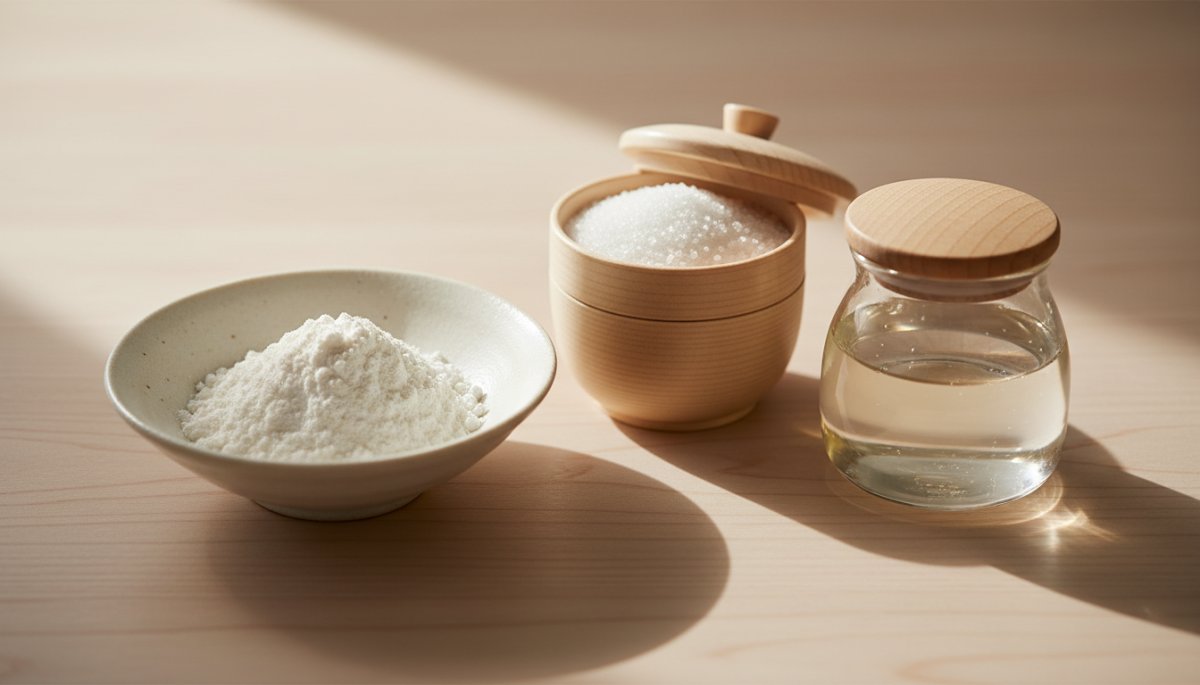
羽二重餅の材料となるもち粉と砂糖と水飴

Mochi-ko (glutinous rice flour) | The Star That Forms the Base

The main ingredient of habutae mochi is mochi-ko (glutinous rice flour).

Mochi-ko is glutinous rice that has been milled into a powder. Ordinary mochi is made by steaming and pounding glutinous rice itself, but habutae mochi uses mochi-ko. This difference is what creates the smoothness distinctive to habutae mochi.

The quality of the mochi-ko greatly influences the texture of habutae mochi. Using a fine-grained, high-quality "habutae-ko" produces a smoother, more refined result. Among well-known varieties of glutinous rice are Habutae mochigome (Shiga Prefecture), Kogane mochigome (Niigata), and Hiyoku mochigome (Kumamoto), each with a different texture.

Glutinous rice from Kameoka in Tamba, Kyoto, is grown in an environment with sharp day-to-night temperature swings, giving it a robust, resilient character. Blending it with mochi-ko from Fukui Prefecture creates the distinctive, delicate texture of habutae mochi.

Sugar | Balancing Sweetness and Softness

Sugar brings a refined sweetness and softness to habutae mochi.

If there is too much or too little sugar, you cannot achieve the shadowed whiteness and smooth texture that recall a silk textile. The exquisite proportion devised by the founder is what makes the "light, supple texture" possible.

Using high-quality sugar such as beet granulated sugar yields a gentle sweetness free of any off-notes. In keeping with modern tastes, the sweetness has apparently been made a little more restrained.

Mizuame (starch syrup) | The Secret to Smoothness and Moisture Retention

Mizuame (starch syrup) is a key ingredient that enhances the smoothness and moisture retention of habutae mochi.

Adding mizuame keeps the mochi from hardening and makes its moist texture last longer. The secret behind habutae mochi staying moist and soft even after two days can be said to lie in this mizuame.

The ingredients are simply mochi-ko, sugar, and mizuame. Yet it is the balance among these three ingredients that determines the deliciousness of habutae mochi.


Blending Tips the Pros Practice | Seeking the Golden Ratio

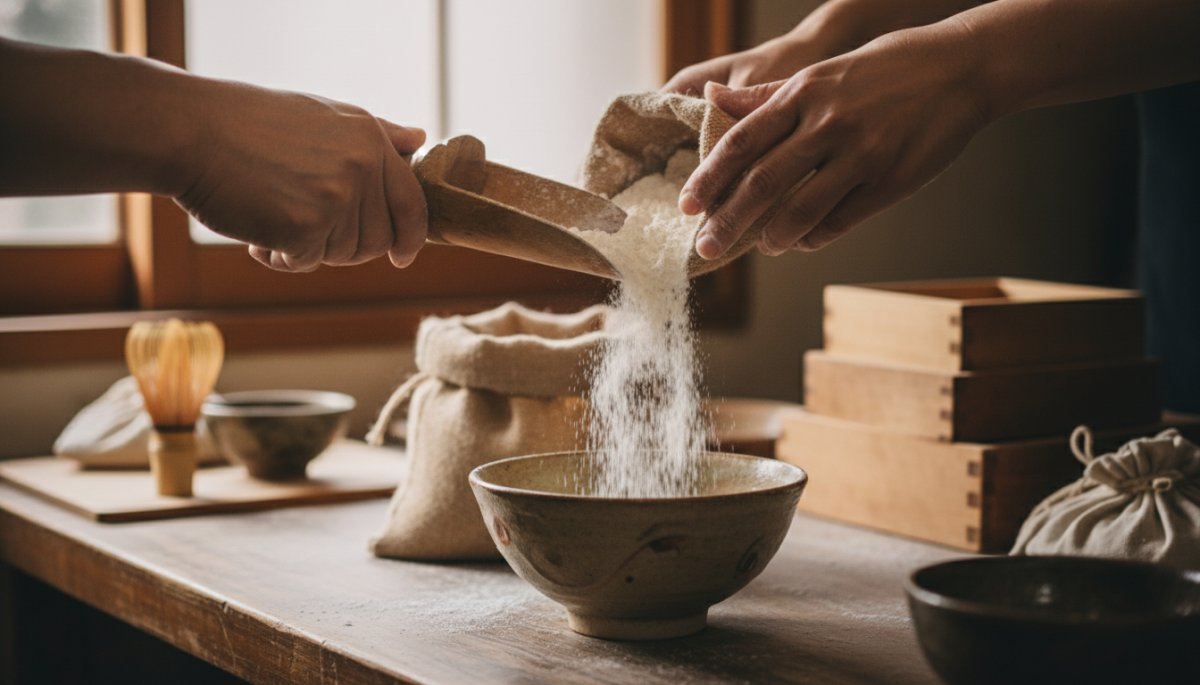
羽二重餅の配合を測る職人の手元

The Thinking Behind the Basic Blend

The basic blend of habutae mochi hinges on the balance of mochi-ko, sugar, and mizuame.

When making it at home, a good rule of thumb is 50g of shiratama-ko (glutinous rice flour) to 10g of sugar (if using Pal Sweet) or 30g (if using ordinary sugar), plus 80cc of water. That said, this is only a basic ratio; professional wagashi shops each have their own proprietary blends.

There are long-established shops that still stubbornly protect a blend they were strictly ordered never to change. The secret of this blend is what produces the "light, supple texture" unique to the original.

Adjusting for Season and Humidity

Even with the same ingredients, the moisture content varies subtly depending on the season and humidity.

Mochi tends to stick more on humid days, but adding more dusting flour to prevent this affects the flavor. Delicate mochi confections require fine adjustments throughout the process. What is indispensable there is "the artisan's hand."

The artisan checks the softness of the mochi by hand and finely adjusts the moisture content. This deft touch is what creates the "light, supple texture" of habutae mochi.

How to Choose Mochi-ko and the Blend Ratio

How you choose your mochi-ko is the single most important point that determines the quality of habutae mochi.

The mochi used for habutae mochi at wagashi shops is basically often wrapped in gyuhi, which contains a large amount of sugar. That is why it has a soft, stretchy texture. It requires the use of naturally delicious glutinous rice to begin with, so the character of the glutinous rice comes through directly.

By making a proprietary blend of glutinous rice from Kameoka in Tamba, Kyoto, and rice flour from Fukui Prefecture, you complete a habutae mochi with a refined rice aroma and sweetness. Habutae mochi, created through carefully selected ingredients and artisan skill, offers a gentle, melting texture in the mouth along with the aroma and sweetness of rice.


Key Points of the Method That Produces a Smooth Texture

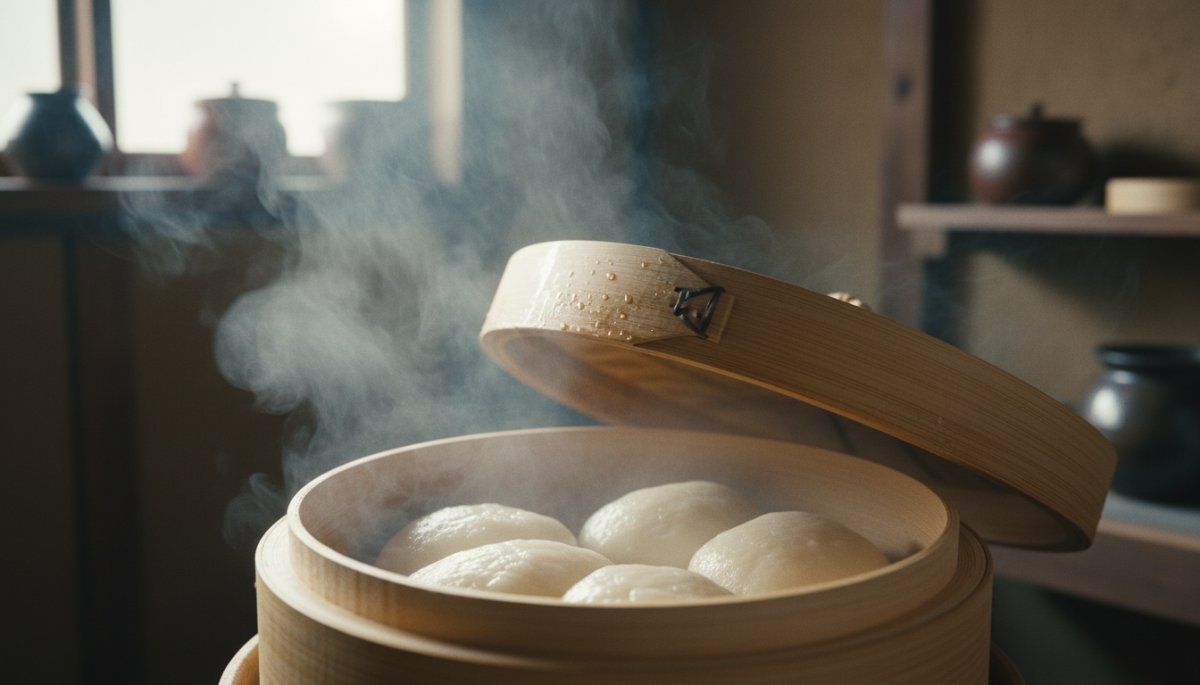
蒸し器で蒸されている羽二重餅の生地

The Way It's Steamed Determines the Taste

Making habutae mochi begins by mixing mochi-ko with water and steaming it through at high heat all at once.

The process of carefully kneading the dough so it doesn't form lumps and then steaming it is said to be the most important step in making habutae mochi. A microwave won't produce good results, because when making mochi, steaming with heat + moisture = steam is what makes it most delicious.

Steaming with steam allows moisture to spread evenly through the mochi flour, producing a smooth, delicious mochi. A microwave only applies heat without adding moisture, so it isn't delicious.

Tips for Kneading

Once steamed, sugar and mizuame are mixed in, and the mixture is kneaded slowly over low heat.

This kneading process greatly affects the texture of habutae mochi. Even when using a bread machine or food processor, you need to pound it until it becomes a smooth mochi, for 7 to 8 minutes. With a food processor, pound for 30 seconds, then use a spatula dipped in water to gather the rice grains stuck around the sides, pound another 30 seconds, gather again, and repeat, pounding for a total of 1 minute 30 seconds to 2 minutes.

Using high-quality ingredients and taking the time to knead thoroughly produces a distinctive suppleness and a smooth, resilient body.

Shaping and Finishing

Roll out the kneaded dough thinly, cut it into rectangles, and the habutae mochi is complete.

Turn it out onto a tray dusted with potato starch and gently press and stretch it with your palm or a rolling pin. Let it rest for 3 hours to overnight until it firms up enough to cut easily. Brush off the excess potato starch, cut it into pieces, and stack two mochi together to finish.

The process itself is simple, but the proportions of the ingredients greatly affect the finished product, leading to each maker's own distinctive flavor and texture.


The Difference Between Habutae Mochi and Gyuhi | Same Ingredients, Different Things

Same Ingredients, Different Uses

The ingredients of both habutae mochi and gyuhi are mochi-ko, sugar, and mizuame.

The finished dough looks almost identical as well. However, because gyuhi stretches well and stays soft even when rolled thin, it is used in a wide variety of wagashi. It is used mainly as an "ingredient" in confections—wrapping an (sweet bean paste) and fruit like in strawberry daifuku, being mixed in as a binder for nerikiri, or serving as the paste in castella dough.

Habutae mochi, on the other hand, is a wagashi most often enjoyed on its own. You might say that habutae mochi is gyuhi polished finely and refined into a beautiful, complete wagashi.

The Particular Care Unique to Habutae Mochi

Many wagashi manufacturers that produce habutae mochi are meticulous even about the raw materials, using "habutae-ko"—an especially fine-grained, high-quality type of mochi-ko—for their habutae mochi.

The mochi-ko is a proprietary blend of rice flour from Kameoka in Tamba, Kyoto, and from Fukui Prefecture. Some long-established shops have never changed their suppliers of Hokkaido granulated sugar, mizuame, and the like since their founding. Because they use no preservatives at all out of concern for health, they cannot make batches in advance or mass-produce, and even today they check the order status and carefully handcraft the mochi every day in the workshop at the back of the shop.

That is precisely why habutae mochi has a flavor that resembles others yet is truly its own, captivating fans who can't get enough of it.


Make Authentic Habutae Mochi with Minoyo's Wagashi Ingredients

Making habutae mochi calls for choosing high-quality ingredients.

Minoyo specializes in wagashi ingredients and offers a wide range of the ingredients needed to make habutae mochi. From the finest white an (sweet bean paste), such as Tokuichigo Sarashi-an and Fujijirushi Sarashi-an, toGenuine warabi starch, hon-kuzu (kudzu starch), and Zuiichi hon-kuzu—top-grade starches—we carry the high-quality raw materials used by professional wagashi artisans.

Across seven categories—ingredients for shiruko and toppings, fruits, leaves and other plant materials, various starches, chestnuts and plums, original products, and colorings—we offer a wide range of the raw materials needed for wagashi production. Sales center on large-volume commercial packaging, supporting authentic wagashi making.

With habutae mochi, precisely because the ingredients are simple, the quality of the materials determines the taste. Using Minoyo's high-quality ingredients will bring you closer to a professional flavor.

See Minoyo's Product List Here


Summary | Habutae Mochi Is the Crystallization of Ingredients, Proportions, and Artisan Skill

The deliciousness of habutae mochi is created through simple ingredients, an exquisite blend, and the artisan's skill.

Just three ingredients: mochi-ko, sugar, and mizuame. Yet their proportions and the method achieve a supple, refined texture like that of habutae-ori. Steaming with steam and taking the time to knead thoroughly are labor-intensive steps, but that very effort is the secret to the deliciousness.

Fine adjustments for season and humidity, how the mochi-ko is chosen, tips for kneading—all of these determine the quality of habutae mochi. Made from the same ingredients as gyuhi, habutae mochi is nonetheless a wagashi complete in its own right, continuing to be loved by many.

If you'd like to try your hand at authentic habutae mochi making, please make use of Minoyo's high-quality wagashi ingredients. It will be your first step toward a professional flavor.

Please feel free to consult us about commercial procurement and sample requests

Minoyo is a specialty store for Kyoto confectionery raw materials based in Kyoto. For the raw materials covered in this article, we offer proposals close to the realities of wagashi production, including commercial procurement, trial samples, and consultation on lots and specifications.

For Minoyo's business and strengths, please see Our Business & Why We Are Chosen . For the actual flow of doing business, see Ordering Process & How to Order; for questions, we have compiled them at Frequently Asked Questions . For individual consultations, please use Contact or material download to get in touch.
Related Articles

Latest Articles

Categories

Tags

Request Materials & Contact​

Please feel free to reach out with any questions about raw materials or products, or to request materials.
Our dedicated staff will respond with care.