
The World of Essential Ingredients for New Year's Wagashi Making
The wagashi that adorn the New Year embody Japanese tradition and artisan craftsmanship.
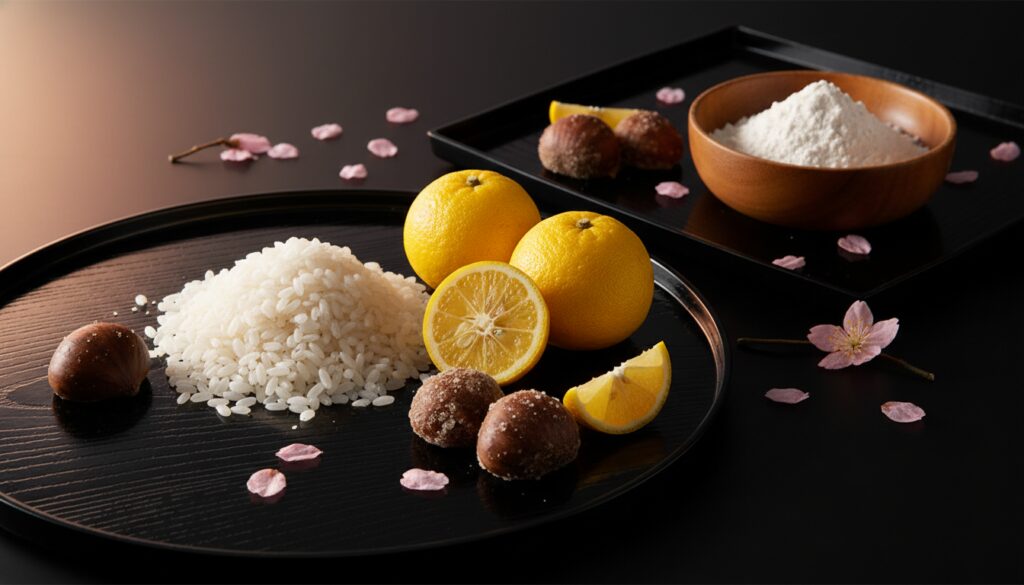
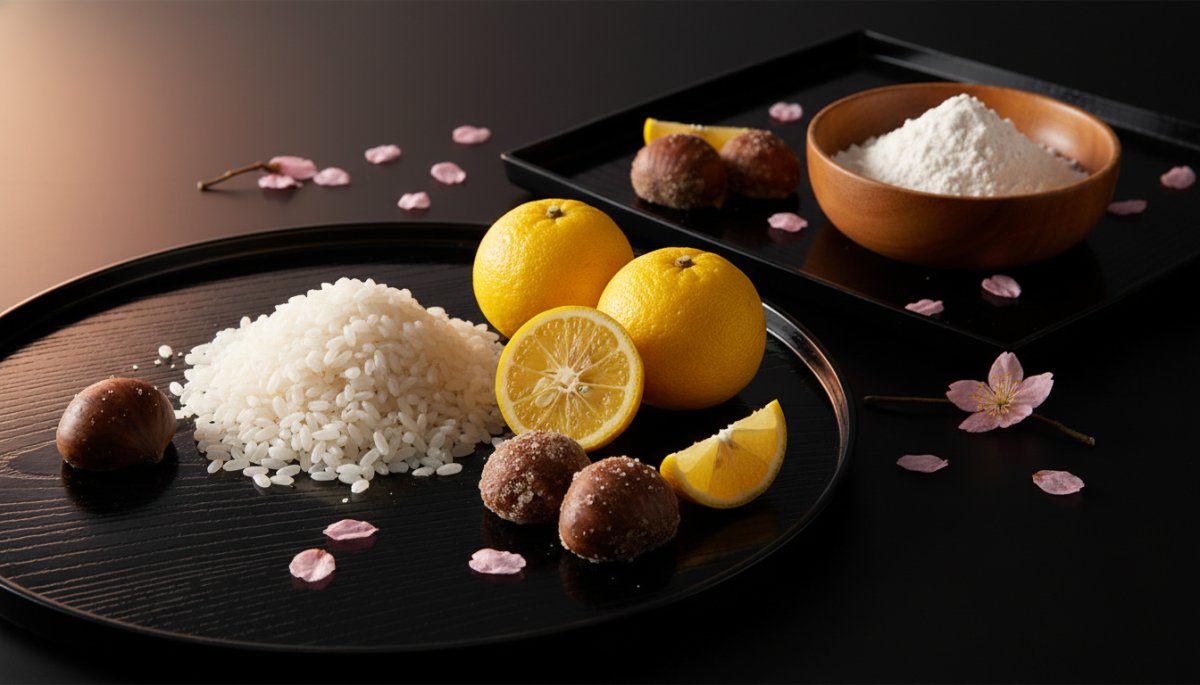
Red-and-white gyuhi, glossy kuri-kinton, chewy mochi confections—these celebratory sweets are supported by carefully selected raw materials and reliable production methods. New Year's wagashi making calls for diverse raw materials, from basic ingredients such as glutinous rice and joshin-ko to auspicious ingredients such as yuzu and chestnuts.
本記事では、和菓子原料の専門家である美濃与が取り扱う材料を中心に、正月向け和菓子の原料選びと保管の注意点を整理します。
See Minoyo's Product List Here
Basic Ingredients for Mochi Confections | How to Choose Glutinous Rice and Joshin-ko
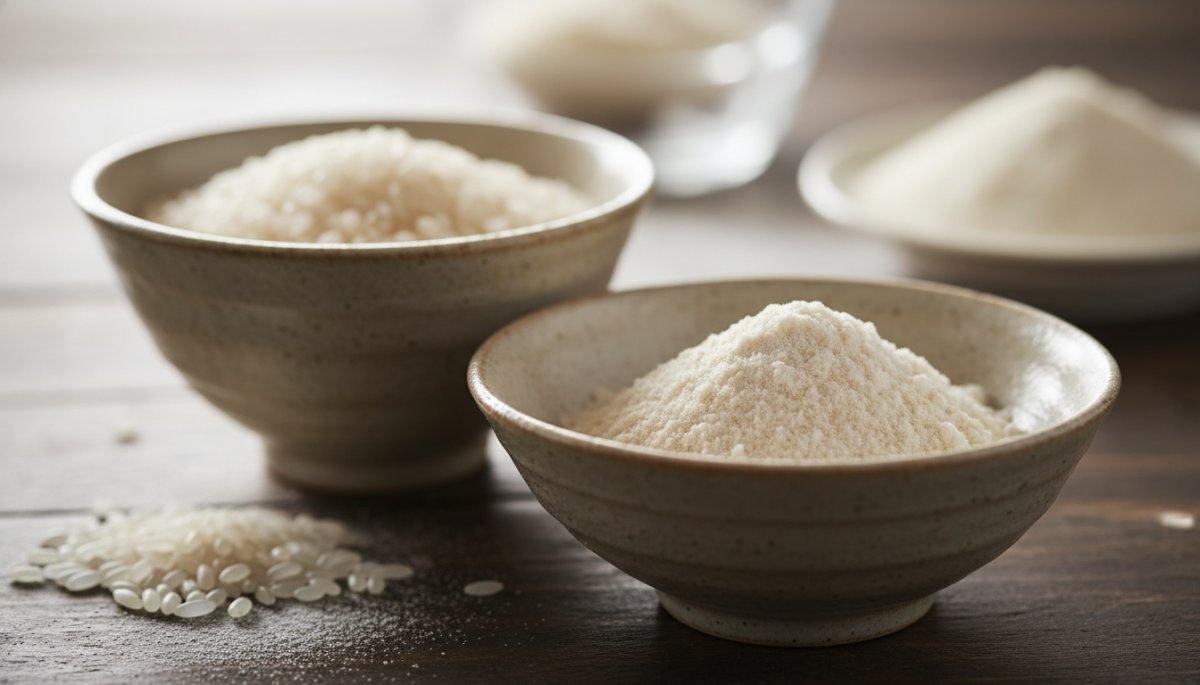
The foundation of New Year's mochi confection making is glutinous rice and joshin-ko.
もち米は粘りが強く、餅や求肥の原料として不可欠。品種によって粘度や風味が異なるため、用途に合わせて選びます。一方、上新粉はうるち米を粉砕したもので、柏餅や草餅などの外皮に使用されます。
美濃与では、しるこ用材料及び種物のカテゴリーで、特一号晒餡・冨士印晒餡・白晒餡(各12kg)を扱っています。形態や使用方法、風味上の特性は規格書で確認してください。
もち米は産地・精米度合いで選び、冷暗所で保存する
もち米選びでは、産地と精米度合いに注目しましょう。美濃与では滋賀羽二重糯(精白)30kgを扱っています。
保存は密閉容器に入れ、冷暗所で管理するのが基本です。高温多湿を避けることで、品質を長期間維持できます。開封後の使用期限は規格書の賞味期限と保管条件で決めてください。
The Characteristics and Uses of Joshin-ko
Joshin-ko's texture changes depending on the particle size!
細かく挽いたものほど、なめらかな仕上がりになります。美濃与では上米の粉・特選米の粉・気流粉砕の米の粉を扱っています。水分量の調整次第で、柔らかさも自在にコントロールできるのが上新粉の魅力です。
The Key to Making Gyuhi | How to Use Shiratama-ko and Starches
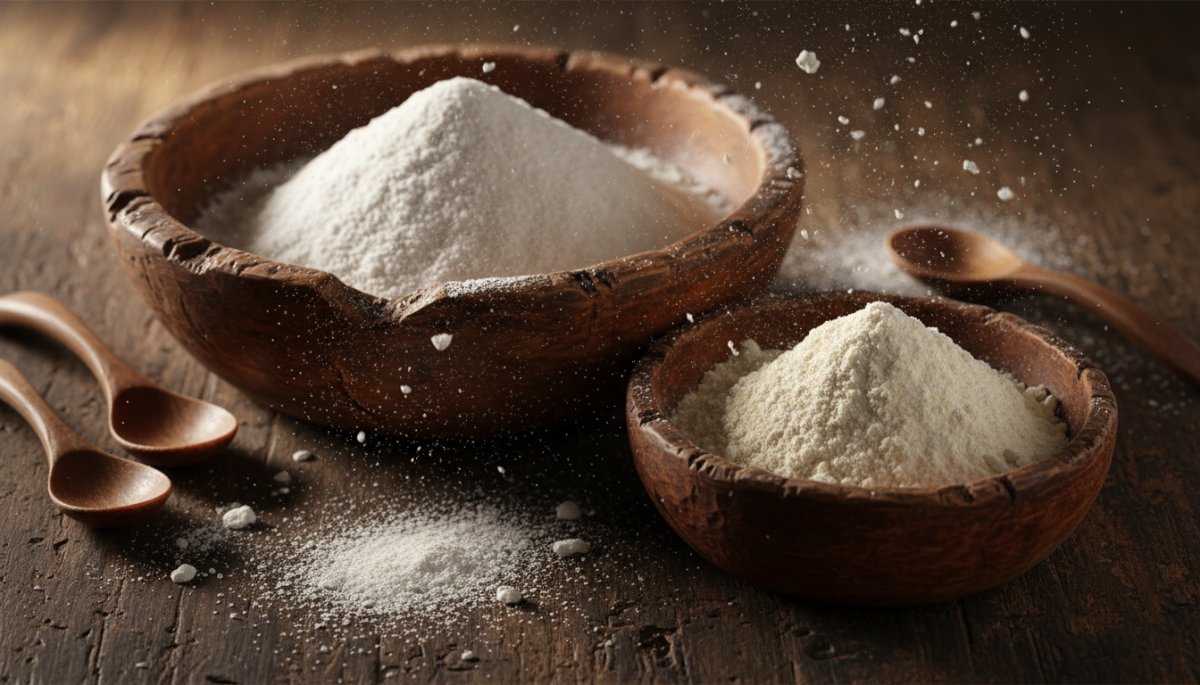
Red-and-white gyuhi is a New Year's standard wagashi. What creates its smooth texture is shiratama-ko.
白玉粉はもち米を水に浸して挽き、沈殿させて乾燥させた粉で、求肥特有のもちもち感を実現します。美濃与では白玉粉 20kgを扱っています。
わらび餅や葛餅には澱粉類を使います。美濃与では本蕨粉10kgを扱っています。本葛粉は、なめらかで上品な食感が魅力で、葛餅や葛きりなどの和菓子に使われます。
白玉粉で求肥を作るときの水加減
求肥の仕上がりは、白玉粉に対する砂糖と水の量で変わります。
More moisture gives a softer finish, while less gives a firmer one. Fine adjustment is needed depending on the season and humidity; in winter, making the moisture slightly higher makes it easier to handle. When kneading, the trick is to add the water little by little so it doesn't clump.
澱粉の種類で食感と粘りはどう変わるか
澱粉の種類によって、和菓子の食感と粘りが変わります。本葛は口どけのよさで選ばれます。馬鈴薯澱粉は糊化温度が低く、短い加熱で強い粘りが出ます。
小麦澱粉(浮粉)は、生地の食感を調整する目的で使われます。美濃与では、これらの澱粉を5kg×3、5kg×4、10kg、20kg、25kgなどの規格で提供しており、業務用の大容量パッケージで安定した品質を確保できます。
柚子・栗・梅の加工品の選び方
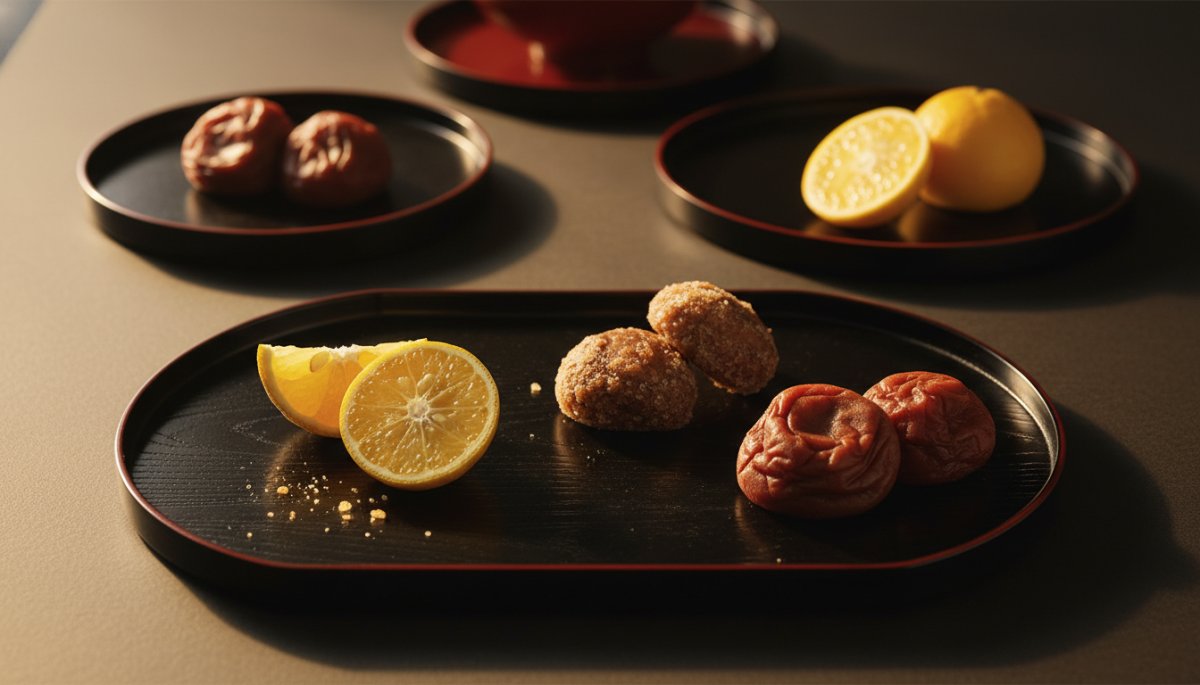
Indispensable to New Year's wagashi are seasonal auspicious ingredients.
柚子の爽やかな香り、栗の上品な甘み、梅の華やかな酸味――これらの素材が、新年の祝い菓子に彩りと風味を添えます。美濃与では柚子スライス、柚子ジャム、生柚子ペースト、柚子果汁を扱っています。産地は各商品の規格書で確認してください。
Types of Yuzu Ingredients and Their Uses
Yuzu slices are offered in 11kg specifications and are ideal as a topping for yokan and nama-gashi. Characterized by yuzu's refreshing aroma and moderate tartness, they keep their freshness under refrigerated storage.
柚子ジャムは2kgと20kgの規格があり、濃厚な柚子の風味が楽しめます。餡に混ぜ込んだり、クリームと合わせたりと幅広い用途に使用可能です。生柚子ペーストは11kg規格で、柚子の果皮と果汁をペースト状にした原料。皮の香りと果汁の酸味が絶妙にバランスし、本格的な柚子の風味を和菓子に加えることができます。
Choosing Chestnut and Plum Products
For chestnut and plum products, we offer marron kanroni extra-soft grade,marron kanroni first grade, Shibukawa-guri Kanro-ni, and other processed chestnut products. Marron Kanro-ni Extra-Soft Grade is candied chestnuts simmered carefully until tender, characterized by a texture that crumbles gently in the mouth and an elegant sweetness.
梅甘露煮は完熟梅を丁寧に煮込んだもので、梅本来の酸味と甘みのバランスが絶妙。和菓子のアクセントとして使用されます。梅甘露煮は9Lサイズの大粒です。栗・梅加工品の荷姿は商品ごとに異なるため、各商品ページで確認してください。
Colorings and Natural Materials That Add Color

The beauty of wagashi lies in its delicate expression of color.
美濃与の着色料カテゴリーでは、煉本紅、煉黄色、煉青色、煉挽茶色などの練りタイプと、赤色3号、桜花紅、青色1号、黄色4号、新小豆色、挽茶色、特製草青色、特製チョコレート色、竹炭末などの粉末タイプを揃えています。赤色3号・青色1号・黄色4号は合成着色料(タール色素)で、天然由来ではありません。規格は50g、150g、200g、500g、600g、1kgなどです。
In leaves and other plant materials, we offer natural materials for wrapping wagashi or adding aroma, such as dried oak leaves, Tokusen Kashiwa Ao-ba, Aomori bamboo leaves, sakura green leaves, and salt-pickled cherry blossoms. Salt-pickled cherry blossoms come in 1kg×10 specifications; they are used after desalting in water and are indispensable as a decoration for sakura-mochi and spring nama-gashi.
How to Choose Colorings and Usage Amounts
Paste-type colorings produce vivid coloring in small amounts. Neri Hon-beni is available in 150g and 600g specifications and is used for the red portions of red-and-white mochi and gyuhi.
粉末タイプは水に溶かして使用し、濃度調整が容易です。挽茶色は抹茶に近い緑色を出すための着色料です。使用量は求める色の濃さに応じて、少量ずつ加えて決めてください。
Evoke Aroma and Atmosphere with Natural Materials
Kashiwa (oak) leaves are a traditional material used for kashiwa-mochi, offered in specifications of 100 sheets × 40 bundles. Rehydrating them in water before use revives the fresh aroma of oak.
Aomori bamboo leaves come in specifications of 50 sheets × 100 bundles, used for wrapping sasa dango and sasa-mochi; the refreshing aroma unique to bamboo leaf transfers to the wagashi. These natural materials give wagashi not only visual beauty but also the added value of aroma.
冬場の配合調整と原料の保管
What determines success or failure in wagashi making is the blending of materials and storage management.
美濃与では「友」シリーズも扱っています。蕨菓子の友・葛菓子の友などは水と砂糖を加えて加熱すれば生地ができるミックス粉で、蒸しようかんの友はこし餡・寒天と併用する配合用原料です。いずれも1kgと10kgの規格です。
Adjusting Blends According to the Season
The New Year period in winter has low temperatures and low humidity. In this environment, adjusting the moisture content slightly higher makes it easier to retain softness.
Because gyuhi and mochi confections tend to harden when the room temperature is low, raising the sugar blending ratio helps maintain flexibility. Conversely, when working in a heated room, the standard blend is fine. Fine adjustments mindful of temperature and humidity are what achieve a professional finish.
Proper Storage Management of Raw Materials
Flours dislike moisture. Place them in an airtight container and store them in a cool, dark place along with a desiccant.
柚子ペーストなど要冷蔵品は冷蔵で保管し、Chestnut Kanroniは商品ページの保管条件に従います。開封後は空気に触れないようラップで密閉し、早めに使い切ることが品質維持のポイントになります。着色料は直射日光を避け、密閉保存することで長期間使用可能です。適切な保存管理により、材料本来の風味と品質を保つことができます。
See Minoyo's Product List Here
Please feel free to consult us about commercial procurement and sample requests
美濃与は京都に拠点を置く京菓子原材料の専門商社です。本記事で取り上げた原料の業務用調達や、お試しサンプル、ロット・規格のご相談など、和菓子製造の現場に寄り添った提案を行っています。
For Minoyo's business and strengths, please see Our Business & Why We Are Chosen . For the actual flow of doing business, see Ordering Process & How to Order; for questions, we have compiled them at Frequently Asked Questions . For individual consultations, please use Contact or material download to get in touch.


