The Appeal of Seasonal Materials Essential to Making Autumn Wagashi
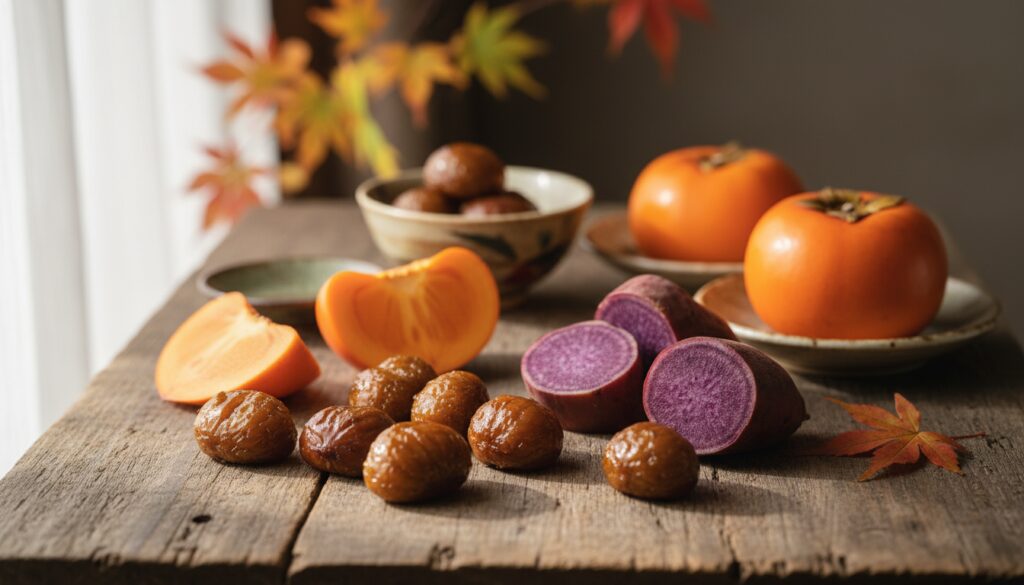
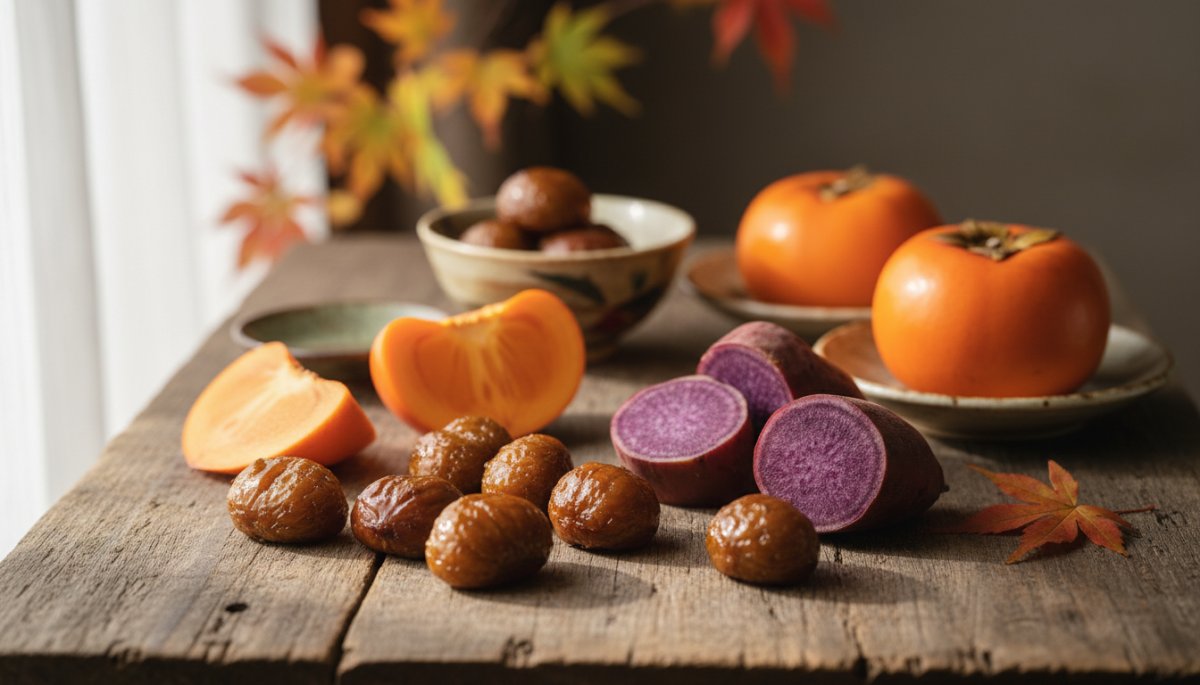
For wagashi artisans, autumn is the season that most stirs the creative spirit. When autumn's flavors—chestnuts, sweet potatoes, persimmons—begin to appear at storefronts, anticipation grows for making wagashi with them.
These materials are not merely seasonal ingredients. The distinctive flavor and texture each possesses bring depth and a sense of season to wagashi, becoming an important element that lets customers feel the arrival of autumn.
本記事では、お彼岸向けの和菓子から日常のお茶菓子まで使える秋素材の扱い方を整理します。
See Minoyo's Product List Here
栗甘露煮はグレードで選び、開封後の保存で品質を保つ
Quality Grades of Marron Kanroni
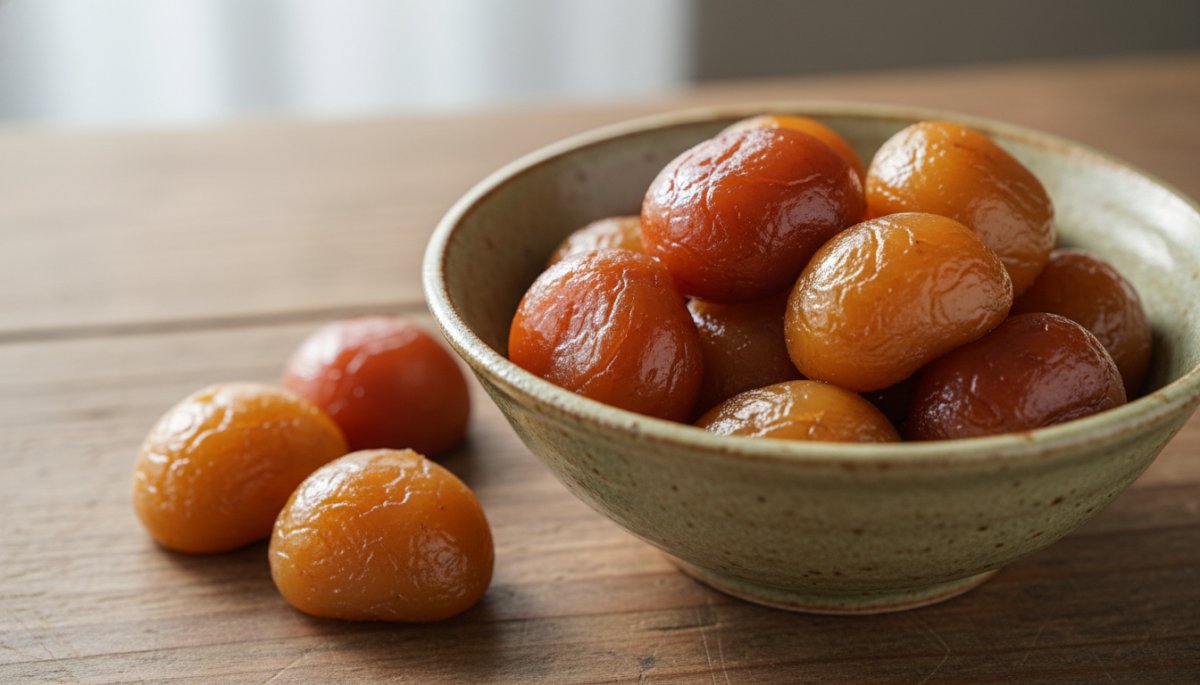
Chestnut kanroni comes in several grades depending on the intended use.
「マロン甘露煮特軟品」は、口の中でほろりと崩れる柔らかさが特徴です。栗羊羹や栗まんじゅうの具材として使用すると、上品な食感を実現できます。一方、「marron kanroni first grade" holds its beautiful shape well, making it ideal for wagashi where appearance matters.
Shibukawa (inner-skin) chestnut kanroni is a premium product that makes the most of the chestnut's natural flavor. The subtle bitterness of the inner skin creates a balance with the sweetness, adding depth to autumn wagashi.
Maintaining Quality With Proper Storage
Once opened, chestnut kanroni can maintain its quality for a long period with proper storage.
The basic approach is to transfer it to an airtight container and refrigerate. Storing it together with its syrup prevents the chestnuts from drying out and preserves their flavor. When using it, take it out with a clean spoon to prevent contamination by bacteria.
Formulation Techniques for Wagashi Using Sweet Potato
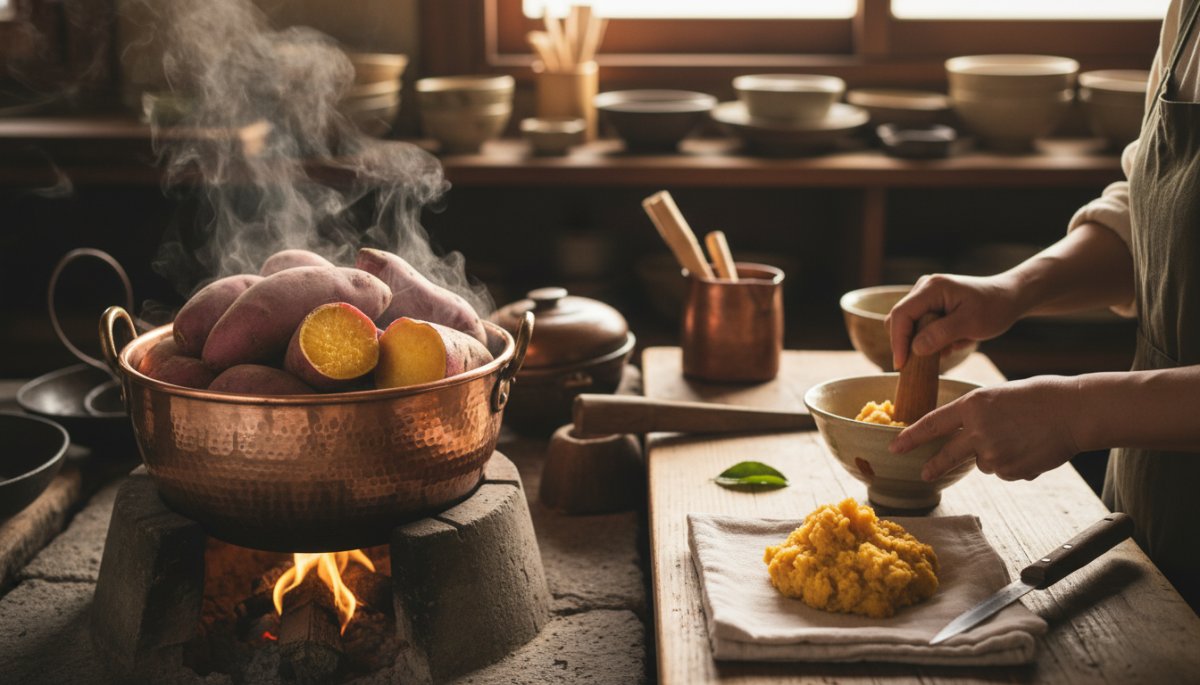
Using Beni-Haruka and Naruto Kintoki for Different Purposes
Choosing the sweet potato variety is an important point that shapes the finished wagashi.
Beni-haruka is characterized by a sticky texture and strong sweetness. It is well suited to yokan and paste-style wagashi, achieving ample sweetness even with reduced sugar. Naruto Kintoki, on the other hand, with its mealy texture and refined sweetness, is ideal for imo yokan and imo kinton.
皮ごと使うと、皮の色と風味が加わります。
Moisture Adjustment Is the Key to Success
Because the moisture content of sweet potatoes varies by variety and harvest time, adjustment during formulation is necessary.
蒸したさつまいもをペースト状にする際は、裏ごしの段階で水分量を確認しましょう。水分が多い場合は、弱火でゆっくり煮詰めることで、理想的な固さに調整できます。逆に水分が少ない場合は少量の水を加えて調整し、牛乳を使う場合は特定原材料である乳成分の表示を確認してください。
砂糖は水分調整後に加えると、均一な甘さと滑らかな食感を実現できます。
Autumn-Only Wagashi Recipes Using Persimmon
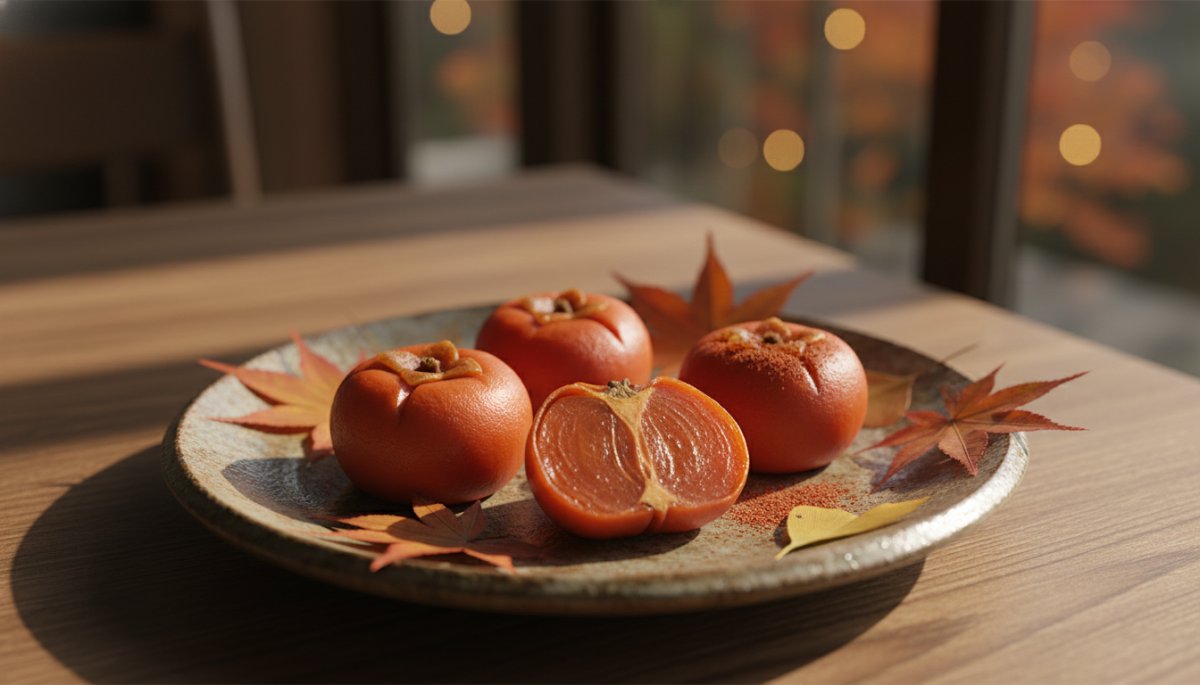
The Difference Between Persimmon Jam and Paste
美濃与の柿の原料は、柿ジャム・生柿ペースト・甘柿ピューレ(冷凍)の3品です。
Persimmon jam is made by simmering the flesh, letting you enjoy a rich persimmon flavor. It can be used in a wide range of ways, such as mixing into an (sweet bean paste) or combining with cream. Fresh persimmon paste, on the other hand, is made by pureeing fresh persimmons as they are, so the persimmon's natural flavor comes through more strongly.
Sweet persimmon puree is frozen, allowing you to incorporate the flavor of fresh persimmon into wagashi anytime. Using it up soon after thawing preserves the best quality.
柿の風味を活かす配合
柿を使う和菓子では、柿本来の風味をどう残すかで配合が変わります。
完全に熟した甘柿を使用する場合は、渋みはほとんど感じられません。柿本来の味を前面に出すには、砂糖の量を控えめにします。
By combining it with agar or gelatin, you can also make translucent wagashi that locks in the persimmon's flavor.
Using Autumn Materials in Wagashi for Higan
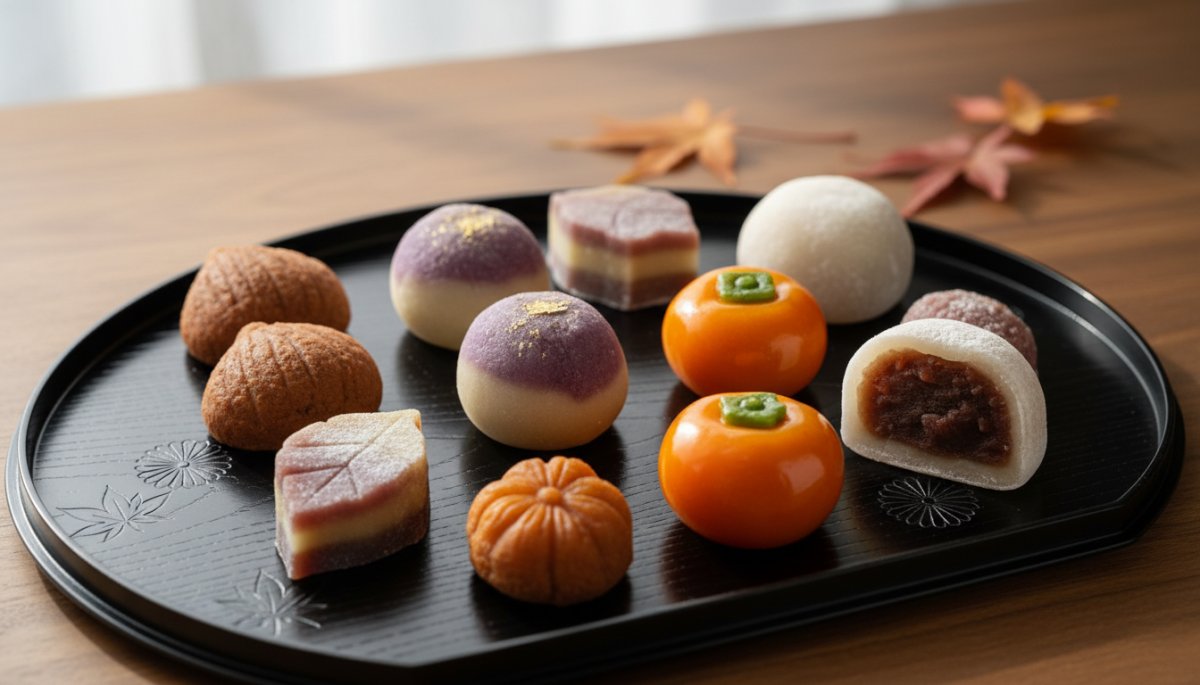
Incorporating Chestnut and Sweet Potato Into Ohagi
By combining autumn materials with ohagi, a Higan staple, you can complete wagashi brimming with a sense of season.
栗あんのおはぎは、小豆あんに刻んだ栗甘露煮を混ぜ込むだけで、贅沢な味わいに変わります。栗の食感がアクセントとなり、お客様に喜ばれる一品となるでしょう。さつまいもあんのおはぎは、芋の黄色が見た目の変化になります。
Combining it with kinako or sesame opens up even more variety.
Application to Seasonal Jonamagashi
By incorporating autumn materials into jonamagashi (fresh wagashi), you can create highly artistic wagashi.
Mixing chestnut paste into nerikiri produces autumn-like colors and flavors. By hiding persimmon jam inside a nerikiri shaped like a persimmon, you can express autumn in both appearance and taste. Finishing an imo yokan made with sweet potato in the shape of a maple leaf also has an elegant charm.
着色料を使用する際は、種類によって原材料欄の表示が変わるため、規格書と表示を確認してから選んでください。
Purchasing and Quality Control of Autumn Wagashi Ingredients
How to Choose a Reliable Ingredient Supplier
To make high-quality wagashi, building a relationship with a reliable ingredient supplier is essential.
Businesses that specialize in commercial wagashi ingredients maintain thorough quality control and can be expected to provide a stable supply. In particular, by choosing a supplier that handles a wide range—from basic materials such as sarashi-an and starches to seasonal materials such as chestnut kanroni and yuzu products—you can purchase everything in one place.
Purchasing in large-volume commercial packages also leads to cost savings. For frequently used ingredients—such as sarashi-an in 12kg specifications or starches in 20kg specifications—consider buying in large volumes.
果実類は要冷蔵・冷凍、澱粉類は湿気を避けて保存する
原料の品質は、保存環境と在庫の回し方で変わります。
Fruit-based items such as yuzu slices and persimmon jam require refrigeration or freezing. After opening, transfer them to an airtight container and clearly note the use-by date to prevent quality deterioration. Starches dislike moisture, so store them at room temperature in an airtight container and keep them out of direct sunlight.
先入れ先出しの原則を守り、古い原料から使用することで、廃棄ロスを最小限に抑えられます。定期的な在庫チェックを行い、使用頻度に応じて発注計画を立ててください。
See Minoyo's Product List Here
📦 Related Minoyo Products
Please feel free to consult us about commercial procurement and sample requests
美濃与は京都に拠点を置く京菓子原材料の専門商社です。本記事で取り上げた原料の業務用調達や、お試しサンプル、ロット・規格のご相談など、和菓子製造の現場に寄り添った提案を行っています。
For Minoyo's business and strengths, please see Our Business & Why We Are Chosen . For the actual flow of doing business, see Ordering Process & How to Order; for questions, we have compiled them at Frequently Asked Questions . For individual consultations, please use Contact or material download to get in touch.


