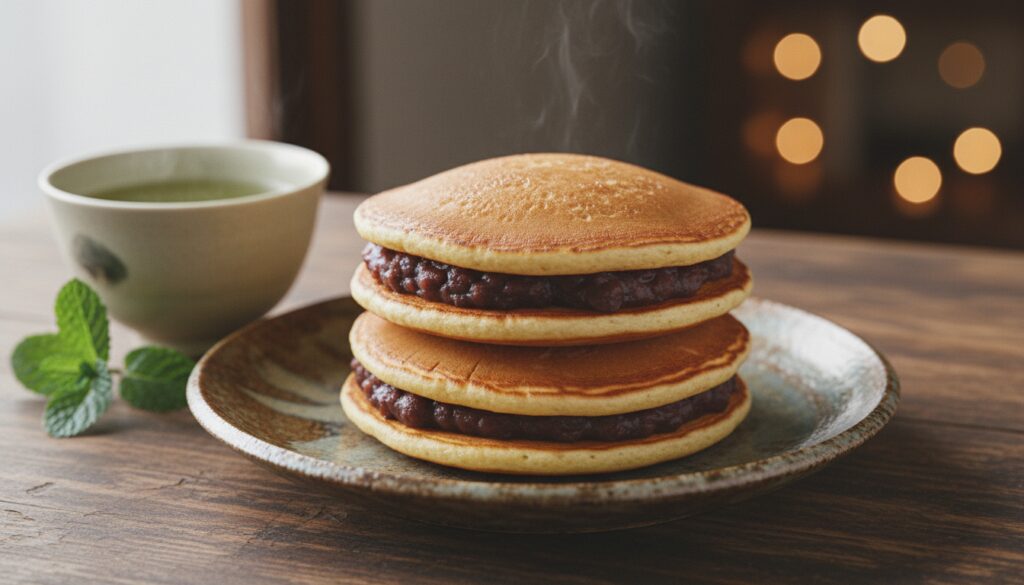
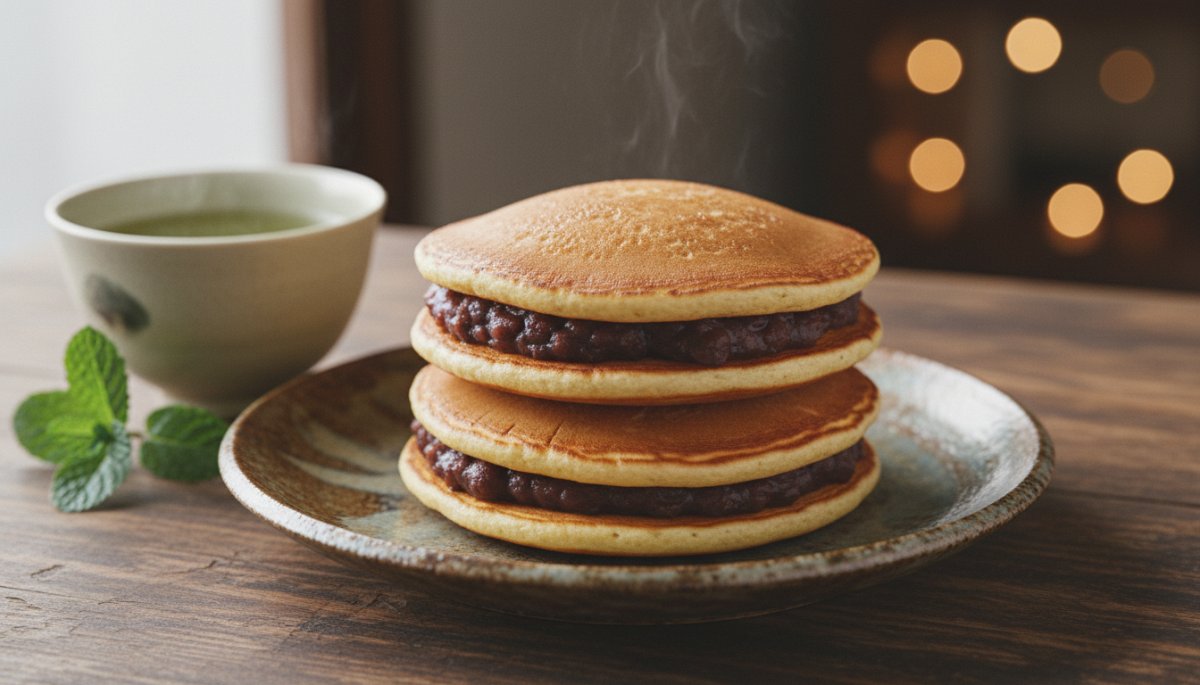
What Are the Basic Ingredients Needed to Make Dorayaki?
Dorayaki has long been loved as a staple of Japanese wagashi.
The secret to its deliciousness lies in ingredients blended in a simple yet exquisite balance. The basic ingredients are three: eggs, sugar, and flour. Adding honey or mirin to these produces the moist texture and fragrant flavor.
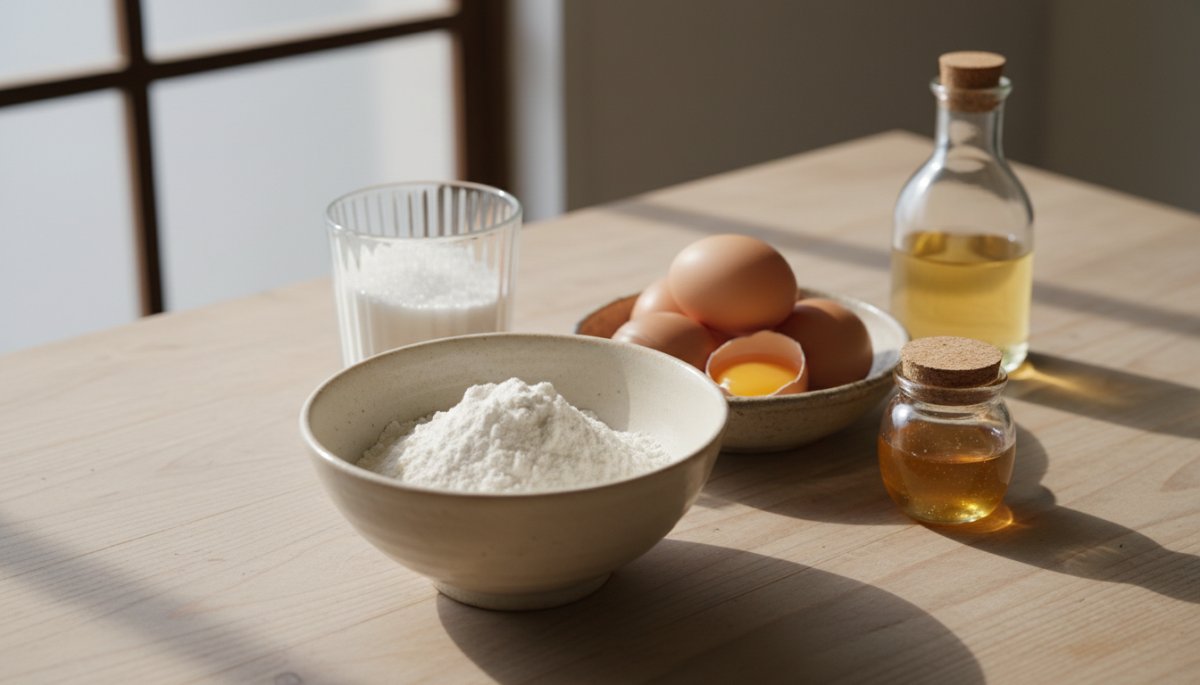
In the world of wagashi artisans, a blending ratio called "sandowari" is considered fundamental. This is a method of blending eggs, sugar, and flour in equal amounts, serving as a guideline for making dorayaki of consistent quality. In practice, however, each shop adds its own ingenuity to differentiate itself.
The Sandowari Blending Ratio and Applied Techniques
In the basic sandowari, the equal-amount blend of 100g egg, 100g superfine sugar, and 100g cake flour is fundamental.
この配合に、本みりん10g、はちみつ10g、重曹2g、水35gを加えることで、ふっくらとした生地が完成します。直径10cmの生地がおよそ6個分できる分量です。
卵と砂糖は、白くもったりするまで混ぜます。
After that, add the honey and mirin and mix further; once the whole becomes fluffy, add the cake flour and baking soda. What to watch for here is that you do not need to whip it until you can draw distinct lines like a sponge cake. Once you have mixed just until no dry flour remains, cover the bowl with plastic wrap and let it rest at room temperature for about 20 minutes, so the batter settles and finishes moist.
重曹はどのくらい入れるか
What is essential for making dorayaki batter rise fluffy is a leavening agent. Baking soda is generally used, but its amount and how it is used greatly affect the finish.
重曹は焼き色や風味にも影響し、入れすぎると苦味が出ます。配合量は生地の配合や求める膨らみ、焼き色、風味に応じて試作で確認してください。
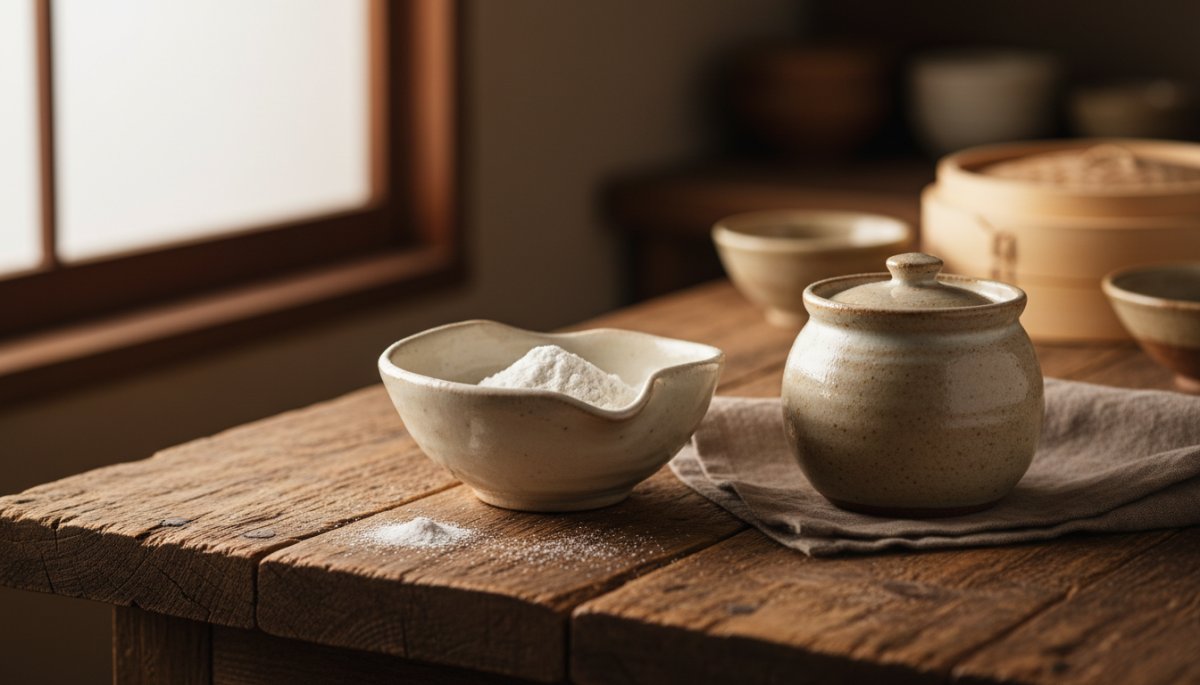
重曹を水で溶いてから生地に加えることで、均一に分散させることができます。また、生地を休ませてから焼くと、重曹が生地全体に馴染みます。
Types of an and how to choose
Another factor that determines the deliciousness of dorayaki is the an.
Generally, tsubu-an (chunky) and koshi-an (smooth) are used, each with its own appeal. Tsubu-an lets you enjoy the texture and flavor of adzuki beans, while koshi-an is characterized by its smooth mouthfeel and refined taste. Which to choose comes down to preference, but koshi-an is recommended if you prioritize unity with the batter, and tsubu-an if you want a textural accent.
美濃与では、特一号晒餡・冨士印晒餡・白晒餡を各12kg規格で扱っています。形態や使用方法、仕上がりの特徴は規格書とサンプルでご確認ください。
餡量は生地の直径・重量と商品仕様に合わせ、試作で決定してください。多すぎると生地とのバランスが崩れ、少なすぎると物足りなさを感じてしまうため、適切な量を見極めることが大切です。
See Minoyo's Product List Here
Temperature Control for Baking Up Fluffy
The most difficult part of making dorayaki is the baking step.
焼成条件は設備と生地量に合わせ、焼き面の実測温度と焼き色を見て設定します。焼き面が温まったら油を薄く塗ります。
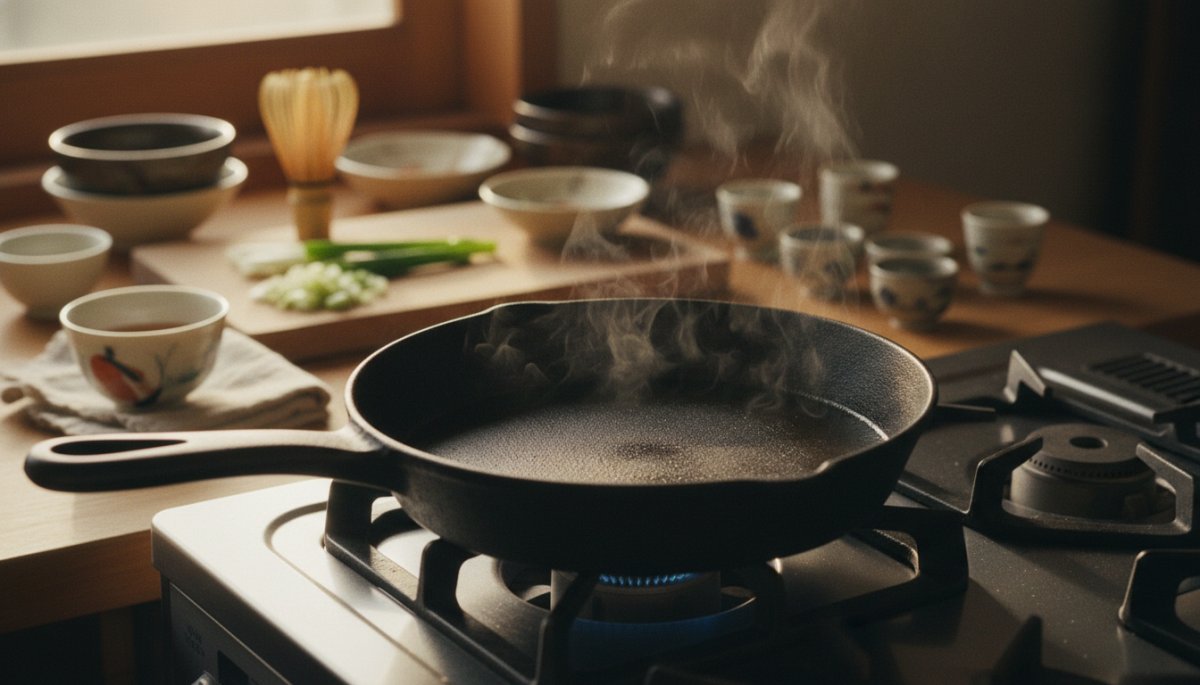
After coating with oil, the point is to lightly wipe it off with kitchen paper. If there is too much oil, spots form on the surface of the batter. This is the same principle as the spots that form on the surface when baking a hotcake; wiping off the oil droplets thoroughly lets you bake evenly.
When pouring in the batter, the tip for finishing in a beautiful round shape is to drop it at a single point without moving the spoon to try to make it round. Dropping it decisively all at once naturally produces a clean circle.
Choosing Tools to Finish the Browning Beautifully
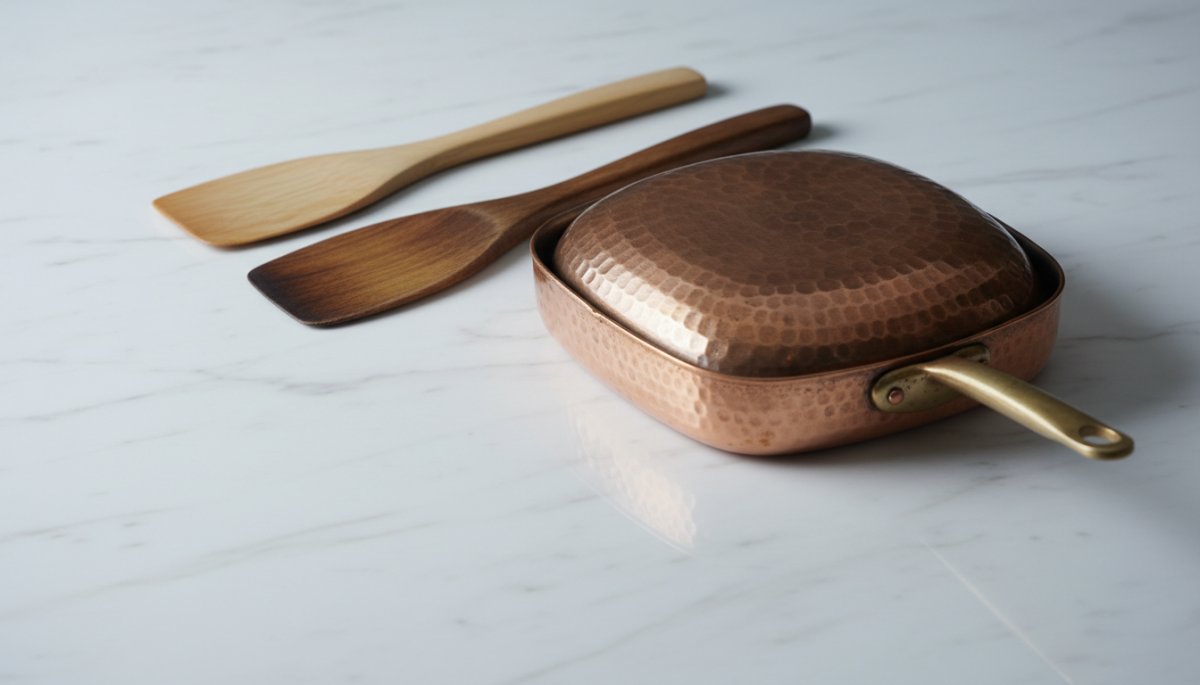
The beautiful golden-brown color of dorayaki baked at a shop can be achieved precisely because it is baked using a copper plate.
Also, to shape the batter into a clean round, the tip is to use a rounded spoon. A tablespoon you have at home is sufficient, but using a dedicated "dora-saji" produces an even more beautiful shape. If the frame of a frying pan or hotplate gets in the way and you cannot flip the batter well, using a frameless hotplate or a rimless crepe pan lets you flip the batter smoothly and without stress.
Timing and Technique for Flipping the Batter
The timing to flip the batter is when small bubbles begin to open on the surface.
このタイミングを逃すと、生地が乾燥しすぎて硬くなってしまいます。フライ返しでひっくり返す際は、生地の中央までしっかり差し込んでください。生地の手前だけにヘラを入れると安定せず崩れやすくなるため、返すときは手首のスナップで横向きに90度回転させましょう。右利きの方は左向きに、左利きの方は右向きに返すと成功しやすくなります。
The underside is fine in a short time. Lightly press the surface so it is of even thickness, and cover the baked batter with plastic wrap so it does not dry out. Since prolonged exposure to air causes the batter to dry out and become dry and crumbly, when letting it cool on a cake cooler, it is important to always cover it with a firmly wrung-out damp cloth.
まとめ:三同割の配合と返すタイミングで生地が決まる
Success in making dorayaki depends on both the ingredient blend and the baking.
三同割の基本配合を守りつつ、蜂蜜やみりんで風味を加え、重曹で適度な膨らみを持たせます。生地は休ませてから焼くと馴染みがよくなり、焼く際は温度管理と油の量に注意すると焼き色が揃います。
Choose the an from tsubu-an or koshi-an by preference, and sandwiching the right amount completes a delicious dorayaki with a good balance against the batter. It is delicious freshly made, but by the next day the moisture of the an transfers to the batter, letting you enjoy an even moister texture.
美濃与では、晒餡や各種澱粉、「友」シリーズなど、和菓子の原料を扱っています。
See Minoyo's Product List Here
📦 Related Minoyo Products
Please feel free to consult us about commercial procurement and sample requests
美濃与は京都に拠点を置く京菓子原材料の専門商社です。本記事で取り上げた原料の業務用調達や、お試しサンプル、ロット・規格のご相談など、和菓子製造の現場に寄り添った提案を行っています。
For Minoyo's business and strengths, please see Our Business & Why We Are Chosen . For the actual flow of doing business, see Ordering Process & How to Order; for questions, we have compiled them at Frequently Asked Questions . For individual consultations, please use Contact or material download to get in touch.