Raw Materials Guide

A Thorough Explanation of the Types and Differences of White An: Characteristics by Ingredient and Tips for Choosing

March 10, 2026

Table of Contents

白餡の種類と違いを徹底解説|原料別の特徴と使い分けのコツ

What Kinds of Beans Are Used as Raw Material for Shiro-an?

Although we speak of shiro-an (white sweet bean paste) in a single word, the flavor and texture actually differ greatly depending on the type of bean used as raw material.

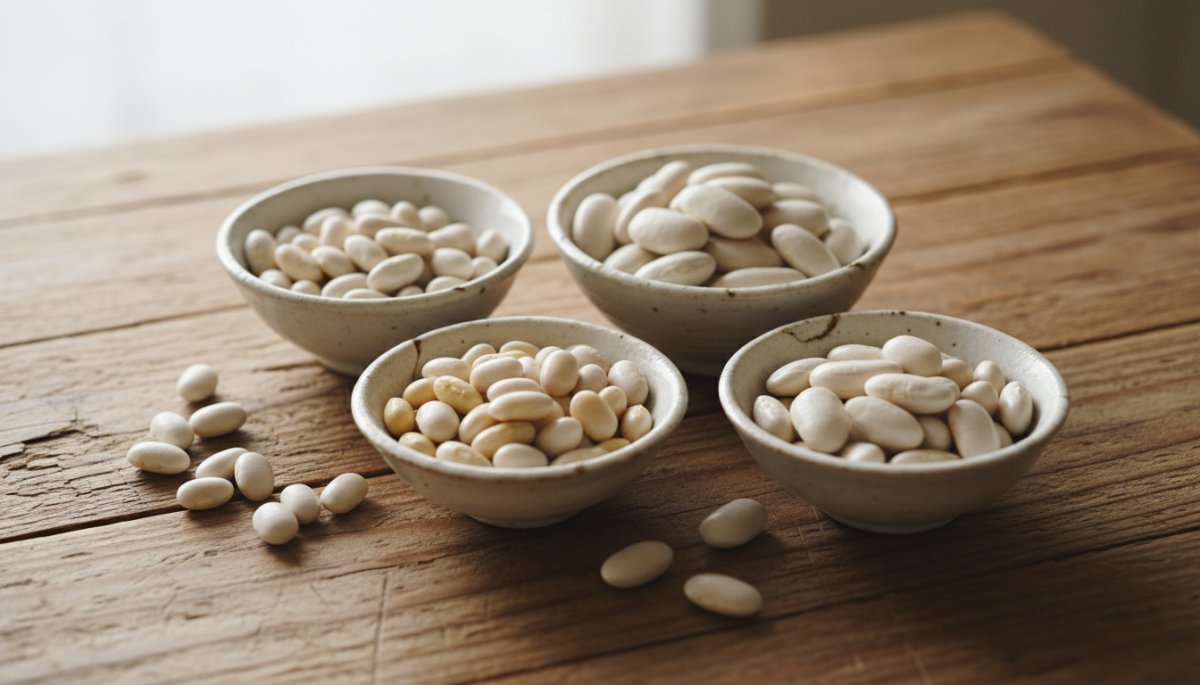
In the world of wagashi, there is the fact that any white bean can be made into shiro-an. Representative raw-material beans include tebo beans, daifuku beans, white adzuki beans, white runner beans, and fuku-shiro-kintoki beans, each of which has its own unique characteristics.

Tebo beans are a member of the white kidney bean family and are the beans most commonly used for shiro-an. The origin of the name comes from the fact that, being semi-vining, they "do not need the help of a stake (te-tasuke)". Currently, about 90% of domestic adzuki beans are from Hokkaido, and the majority of those are processed into wagashi an.

白餡の原料となる様々な白い豆の種類

White adzuki beans are a member of the adzuki family, with a somewhat ochre color. When made into an, the texture is that of adzuki itself, characterized by a light, crumbly texture. Being free of astringency, it takes on a crisp, clean flavor, making a delicious shiro-an that can be used in a wide range of wagashi.

Daifuku beans are somewhat large-grained white kidney beans, often used for amanatto and the like. When made into an they are characterized by a rich, sticky texture, and are said to have the strongest stickiness among the six white beans.


The Difference in Flavor and Texture by Raw Material

The characteristics of shiro-an change surprisingly depending on the bean used.

Shiro-an made with tebo beans is characterized by a somewhat rich, sticky texture. It has no off-putting flavor, the bean itself has sweetness, and it makes a delicious shiro-an. It pairs very well with egg, making it ideal for baked-manju-type wagashi.

White adzuki bean shiro-an is characterized by a flavor with little off-putting quality, and suits mochi confections, manju, and jonamagashi. It has a light, crumbly texture, and being free of astringency, offers a crisp, clean flavor.
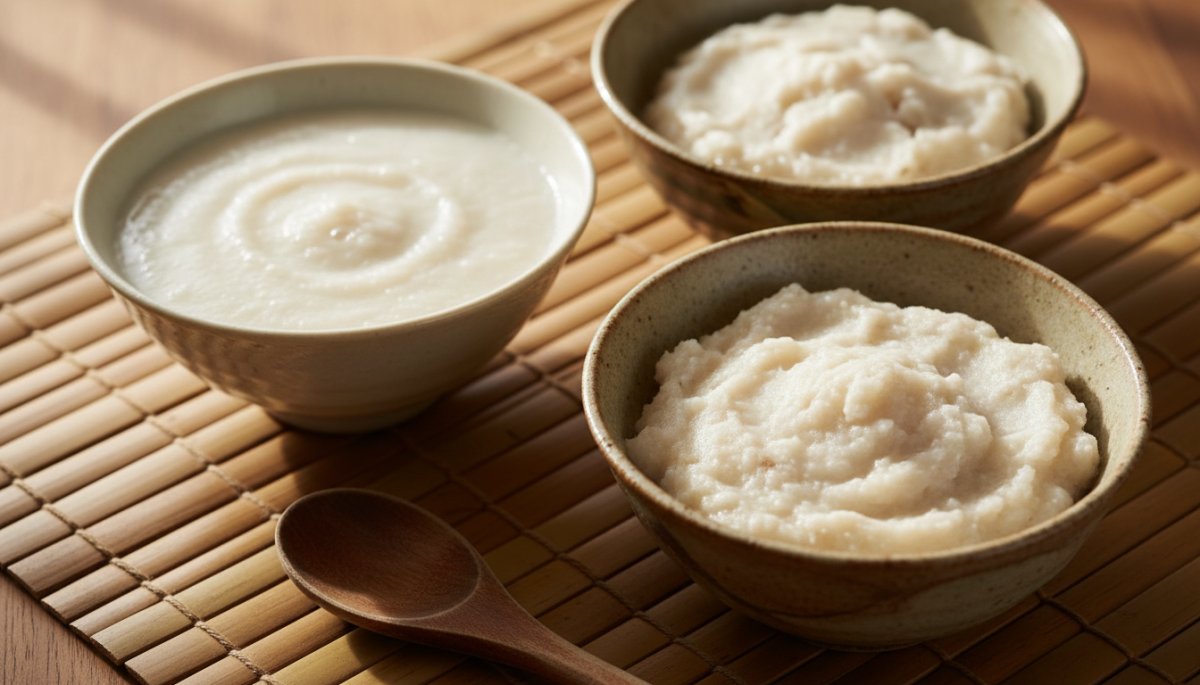
白餡の原料豆による食感と風味の違い

Daifuku beans and fuku-shiro-kintoki beans become strongly sticky when made into an. For this reason, it is recommended to use them as amani (sweet simmered beans) rather than as an. Fuku-shiro-kintoki beans have a texture rich in dietary fiber, finishing deliciously when made into simmered beans.

White runner beans are a member of the runner-bean kidney family, characterized by their large size. When made into an, they have a fluffy, mealy texture and make a very delicious paste. With a flavor that makes you want to eat the an on its own, they seem to suit daifuku and dorayaki.

The Characteristics and Uses of Sarashi-an

Sarashi-an is made by further heating nama-an to drive off moisture, then drying it into a powder.

Being in a dried state with the moisture driven off, it has the major benefit of being resistant to spoilage and having good shelf life. Minoyo offers top-grade sarashi-an such as "Tokuichigo Sarashi-an" and "Fujijirushi Sarashi-an" in a 12kg format, earning high praise from professional wagashi artisans.

Sarashi-an is a top-grade shiro-an made by carefully refining beans, characterized by the absence of off-flavors, a refined sweetness, and a smooth mouthfeel. Used as the an for oshiruko and high-end wagashi, it results in a pure-white, beautiful finish.


How to Choose the Optimal Shiro-an for Each Wagashi

The optimal raw material for shiro-an differs depending on the type of wagashi.

For mochi confections, manju, and jonamagashi, white adzuki bean shiro-an is optimal. Its flavor with little off-putting quality brings out the delicate flavor of these refined wagashi.
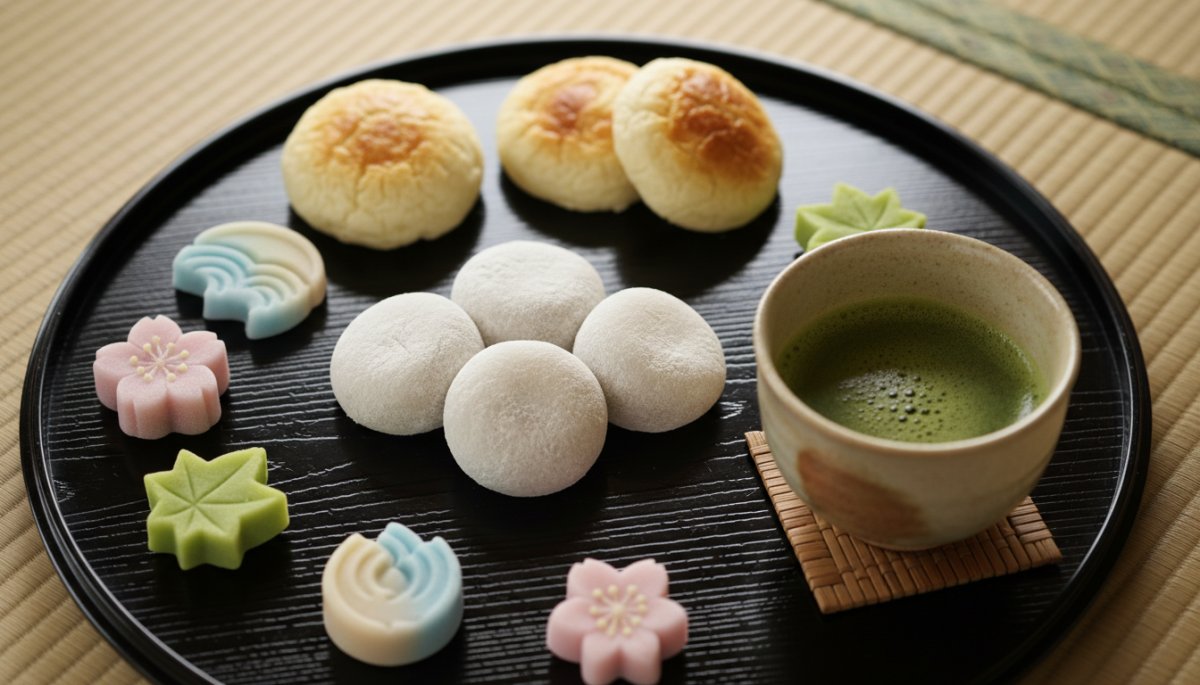
白餡を使った様々な和菓子の種類

For baked-manju-type wagashi, tebo bean shiro-an is recommended. It pairs very well with egg, and its rich, sticky texture suits baked confections well. Even in Western-influenced wagashi like Hakata Torimon, shiro-nama-an (kidney beans) is used, achieving a moist, refined sweetness.

For daifuku and dorayaki, the fluffy, mealy texture of white runner beans suits well. A deliciousness that makes you want to eat the an on its own elevates the flavor of the whole wagashi.

Tips for Choosing Between Them That Professionals Practice

Wagashi artisans know that making shiro-an with an understanding of the characteristics of the beans produces more delicious wagashi.

For example, white sarashi-an is optimal for making wagashi that leverage color. Pure-white an using white adzuki beans or white kidney beans is prized as a base for fruit an and colored wagashi.

In addition, strongly sticky beans like daifuku beans and fuku-shiro-kintoki beans can have their characteristics maximized by using them as amani rather than as an.

At Minoyo, we offerGenuine warabi starchWe offer a wide range from top-grade starches such as hon-kuzu and Zuiichi Hon-kuzu to potato starch and wheat starch, and by combining these with shiro-an, you can make beautifully translucent wagashi.


The Ingredients and Tools Needed for Making Shiro-an

Making delicious white an (sweet bean paste) requires the right ingredients and tools.

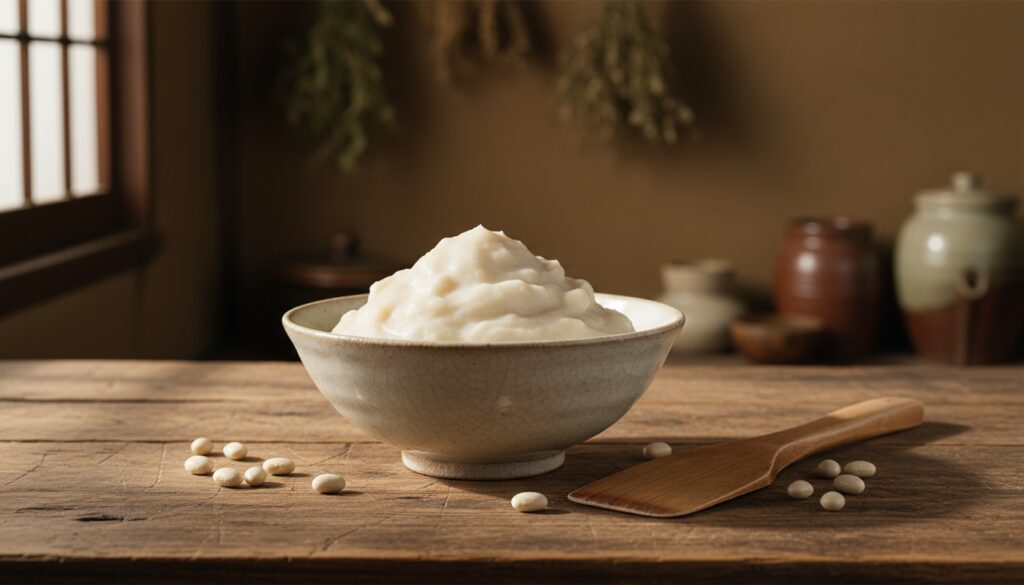
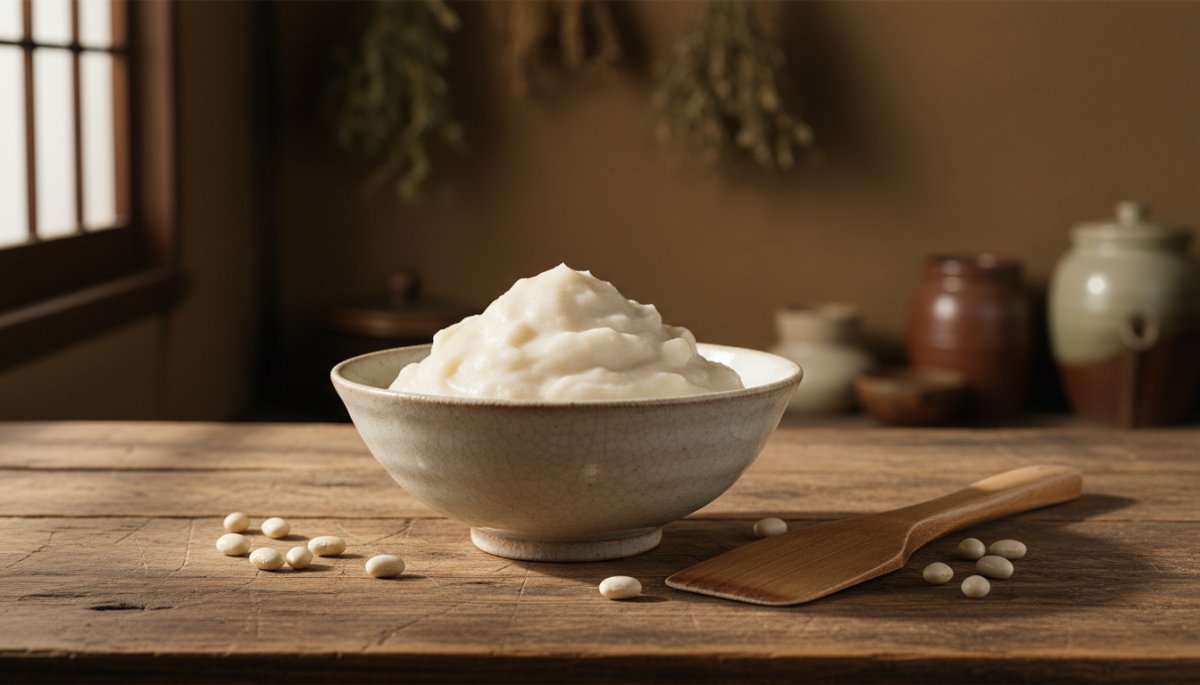
The basic ingredients are white beans (tebo beans, white adzuki beans, otafuku beans, etc.), sugar, and water. Since the type of bean greatly changes the finished texture and flavor, choose according to the wagashi (traditional Japanese confectionery) you want to make.
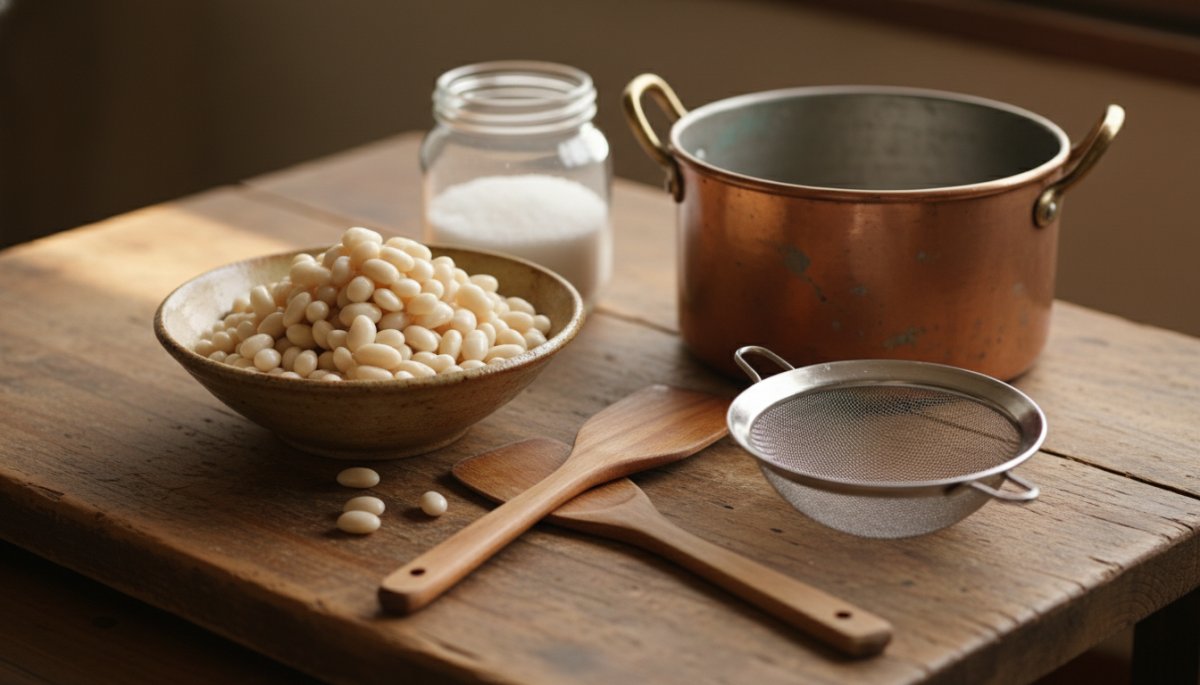
白餡作りに必要な材料と道具

As for tools, you will need a large pot, a wooden spatula, a fine-mesh sieve, and bowls. Professional wagashi artisans often use copper pots, which conduct heat evenly and produce delicious an.

Minoyo offers the Tomo Series, which simplifies wagashi production, including Warabi Confectionery Tomo, Kuzu Confectionery Tomo, Steamed Yokan Tomo, and Mizu Manju Tomo, so even beginners can easily enjoy making authentic wagashi.

We also offer natural-derived colorings in both paste and powder types, such as Neri Hon-beni (paste red) and liquid pink, which add beautiful color to white an.

See Minoyo's Product List Here

Summary: Understand the types of white an and enjoy making wagashi even more

The types of white an differ greatly in both flavor and texture depending on the beans used as the raw material.

Tebo beans have a smooth, sticky texture ideal for baked manju; white adzuki beans have a light, crumbly texture that suits mochi confections; and white runner beans have a fluffy texture well suited to daifuku and dorayaki. Otafuku beans and fuku-shirokintoki beans have strong stickiness, so they are best used as amani (sweet simmered beans).

Sarashi-an is an that has had its moisture removed and been reduced to a powder, offering the major advantage of a long shelf life. Minoyo offers top-grade sarashi-an such as Toku-Ichigo Sarashi-an and Fujijirushi Sarashi-an, which are highly rated by professional wagashi artisans.

Knowing the characteristics of the beans and making white an accordingly makes wagashi production much more enjoyable. By using the right type for each purpose—white sarashi-an for wagashi that showcase color, tebo beans for baked confections, and white adzuki beans for mochi confections—you can create even more delicious wagashi.

Minoyo offers wagashi raw materials in seven categories (shiruko ingredients and toppings, fruits, leaves and other plant materials, various starches, chestnut and plum products, original products, and colorings), sold mainly in commercial large-volume packages (4kg to 25kg).

See Minoyo's Product List Here

Please feel free to consult us about commercial procurement and sample requests

Minoyo is a specialty store for Kyoto confectionery raw materials based in Kyoto. For the raw materials covered in this article, we offer proposals close to the realities of wagashi production, including commercial procurement, trial samples, and consultation on lots and specifications.

For Minoyo's business and strengths, please see Our Business & Why We Are Chosen . For the actual flow of doing business, see Ordering Process & How to Order; for questions, we have compiled them at Frequently Asked Questions . For individual consultations, please use Contact or material download to get in touch.

Related Articles

What Is Cacao Allergy? A Guide to the Three Types of Causes and How to Choose Alternative Ingredients

We explain the main causes of cacao allergy (the cacao bean itself, sub-ingredients, and cross-contamination) and how to choose alternative ingredients. From flavor-profile comparisons of carob, soy cacao, and Japanese ingredients to allergen management in product development and OEM, we organize it all from the perspective of Minoyo, which has handled Kyoto confectionery raw materials for 120 years.

Halal Chocolate Ingredients and Certification | A Business-Focused Guide Including Cacao Alternatives

We comprehensively explain the ingredient design and certification points for halal chocolate, covering emulsifiers, dairy, sweeteners, and cacao alternatives. From the appropriate use of certification bodies such as JHA, JAKIM, and BPJPH to the decision criteria for OEM consultations with export channels in mind, we organize it all from the perspective of Minoyo, which has handled Kyoto confectionery raw materials for 120 years.

Latest Articles

Categories

Tags

Request Materials & Contact​

Please feel free to reach out with any questions about raw materials or products, or to request materials.
Our dedicated staff will respond with care.