Column

How to Use Mix Powders for Wagashi Production: Tips for Balancing Efficiency and Quality

March 10, 2026

Table of Contents

和菓子製造用ミックス粉の活用法|作業効率と品質を両立させるコツ

The Challenges Faced on the Wagashi Production Floor and the Potential of Mix Powders

On the wagashi production floor, labor shortages and rising material costs have become serious problems.

Traditional handmade production has been supported by the skill and experience of artisans. However, as skilled artisans age, passing on their techniques is becoming difficult. In addition, rising raw material prices are making management of production costs increasingly severe.

For these challenges, wagashi production mix powders can be an effective solution.

Mix powders have the necessary raw materials pre-blended, greatly simplifying the production process. Products that make it easy to produce warabi-mochi, mizu-manju, kuzu-mochi, and the like have also appeared, achieving both shorter work times and stabilized quality at the same time.
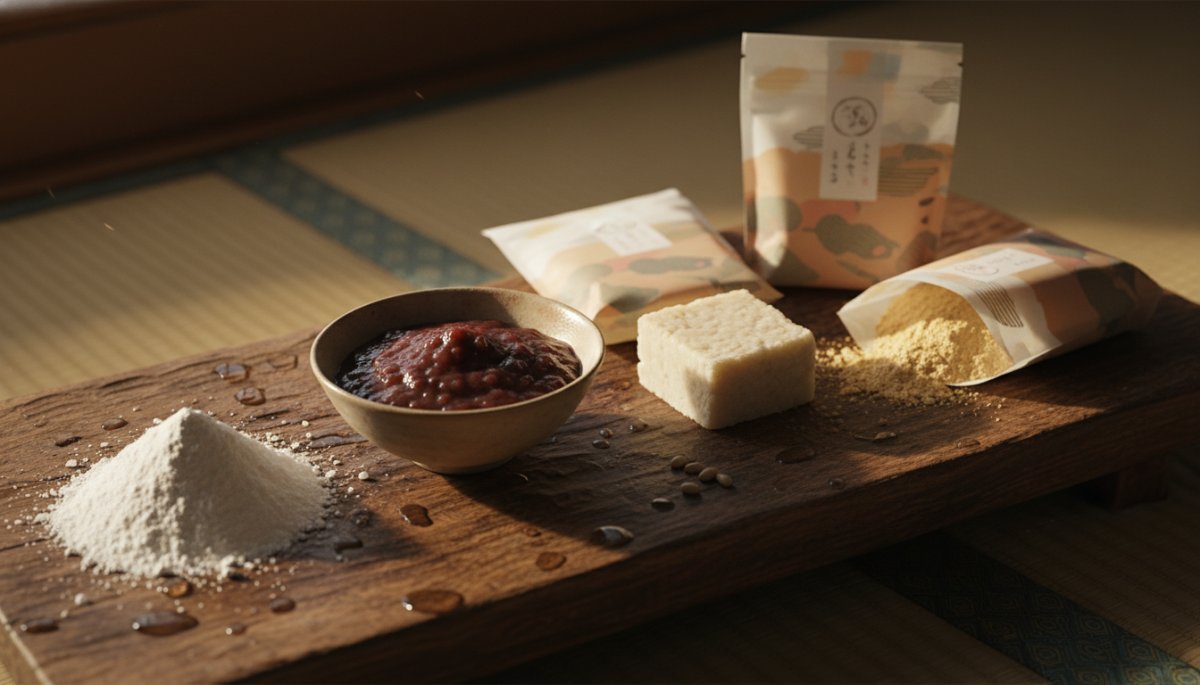
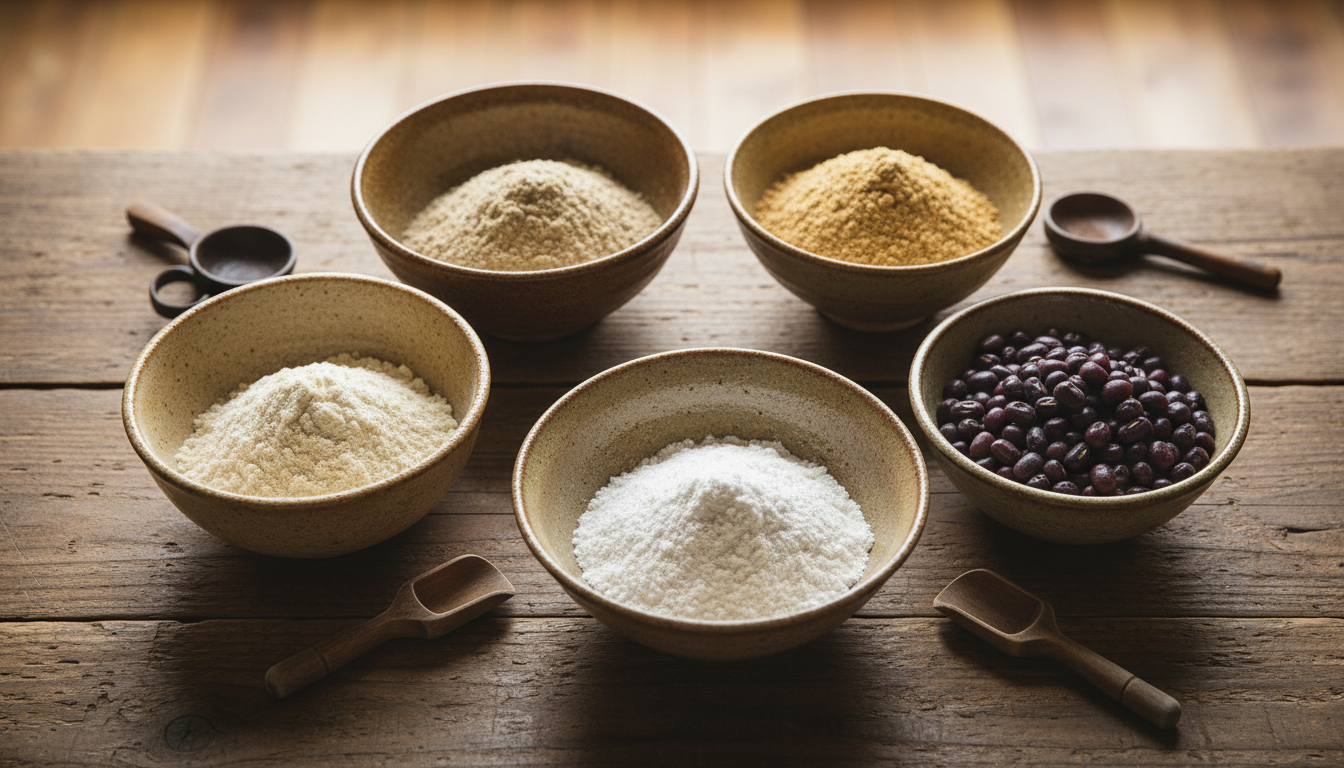
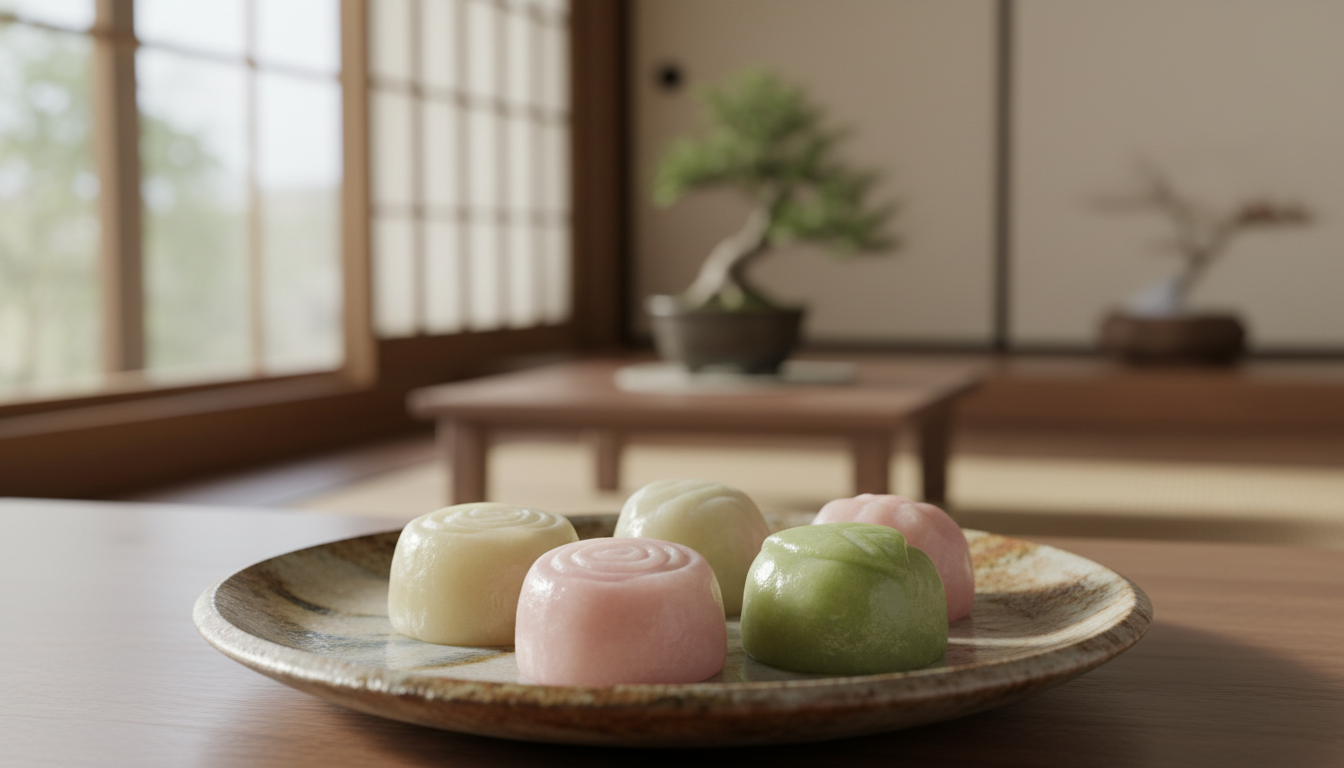
和菓子製造用ミックス粉と伝統的な和菓子の原材料


Three Concrete Benefits of Introducing Mix Powders

Major Reduction in Work Time and Improved Productivity

The greatest benefit of mix powders is the simplification of the production process.

In the conventional method, it was necessary to weigh multiple raw materials and blend them in the proper order. This process alone required considerable time, and weighing errors could lead to variation in quality. With mix powders, simply take out the required amount and add water or milk to complete the dough.

Combining them with production machinery such as an-wrapping machines and filling machines enables further efficiency. Mechanization automates the process of wrapping bean paste in skins and the work of filling, allowing mass production of products with uniform quality.

Achieving Uniform Quality and Stable Supply

In handmade production, product quality can vary depending on the artisan's skill, physical condition, and working environment.

Because the blending ratio of raw materials in mix powders is strictly controlled at the factory, anyone can make a product of the same quality. Combining them with production machinery that can precisely control conditions such as temperature, humidity, and pressure makes product quality even more uniform, delivering a stable, consistent taste.

Choosing mix powders produced in factories that have obtained international food safety certifications such as FSSC 22000 and ISO 22000 also provides peace of mind in terms of hygiene management.
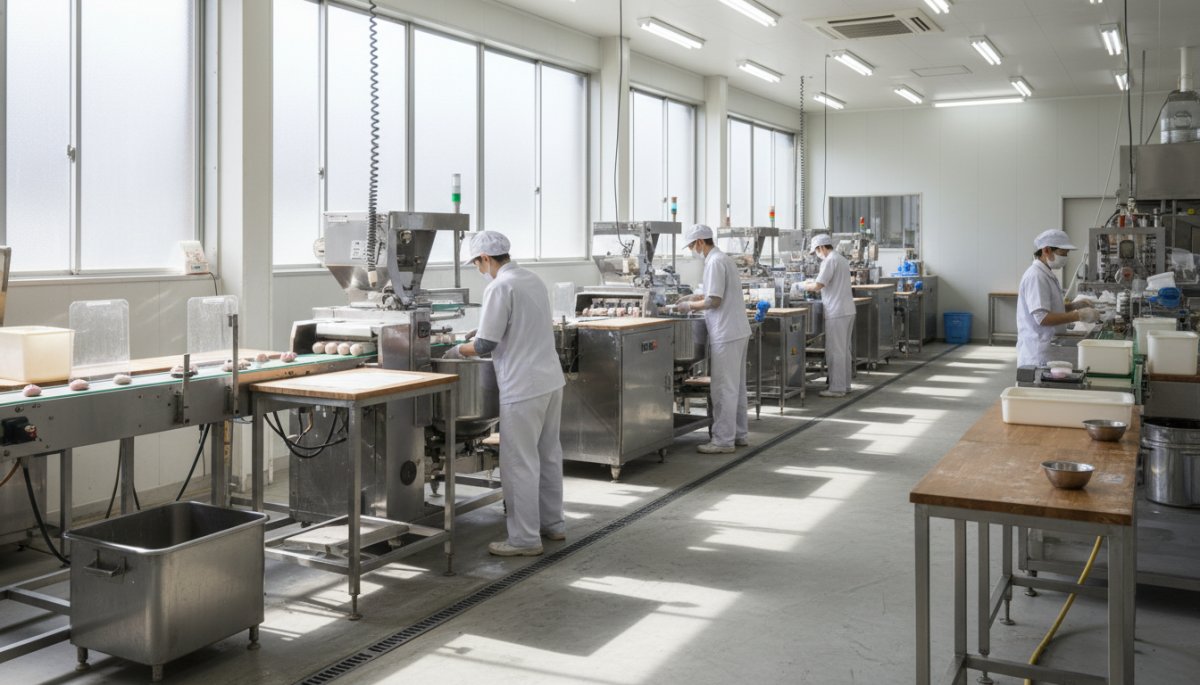
和菓子製造における品質管理と衛生的な製造環境

Optimizing Cost Management and Reducing Waste Loss

Compared to purchasing raw materials individually, mix powders make inventory management easier.

There is no longer a need to store multiple raw materials separately, which also helps reduce storage space. Also, because you can use only the required amount, you can keep raw material waste loss to a minimum. Managing best-before dates is also centralized, contributing to improved inventory turnover.

The effect of reducing labor costs is also not to be overlooked. Simplifying the production process reduces the number of personnel needed, achieving greater efficiency in production costs.


How to Choose Mix Powders by Application and Points for Use

Choosing the Best According to the Type of Wagashi

Mix powders come in various types according to the type of wagashi being made.

Joshin-ko mix is suited to rice-flour-based wagashi such as dango and kashiwamochi, while daifuku mix lets you easily make soft-textured daifuku. Shiratama mix is characterized by a chewy texture, and kuzu mix and warabi powder mix are ideal for making translucent cooling confections. Using fu-manju mix, you can also easily make fu-manju with its distinctive texture.

It is important to understand the characteristics of the wagashi you are making and choose a mix powder to match the texture and flavor you seek.

Strategic Use of Anti-Staling Agent Mixes

Mochi and dango harden over time. This is caused by the "retrogradation" of starch.

Using a mix powder blended with an anti-staling agent lets you maintain the freshly made, soft texture for a long time. Because the softness persists, extending the best-before date becomes possible, contributing to waste reduction. It is an especially effective option for mail-order businesses with long delivery times or wholesaling to retail stores with long display times.

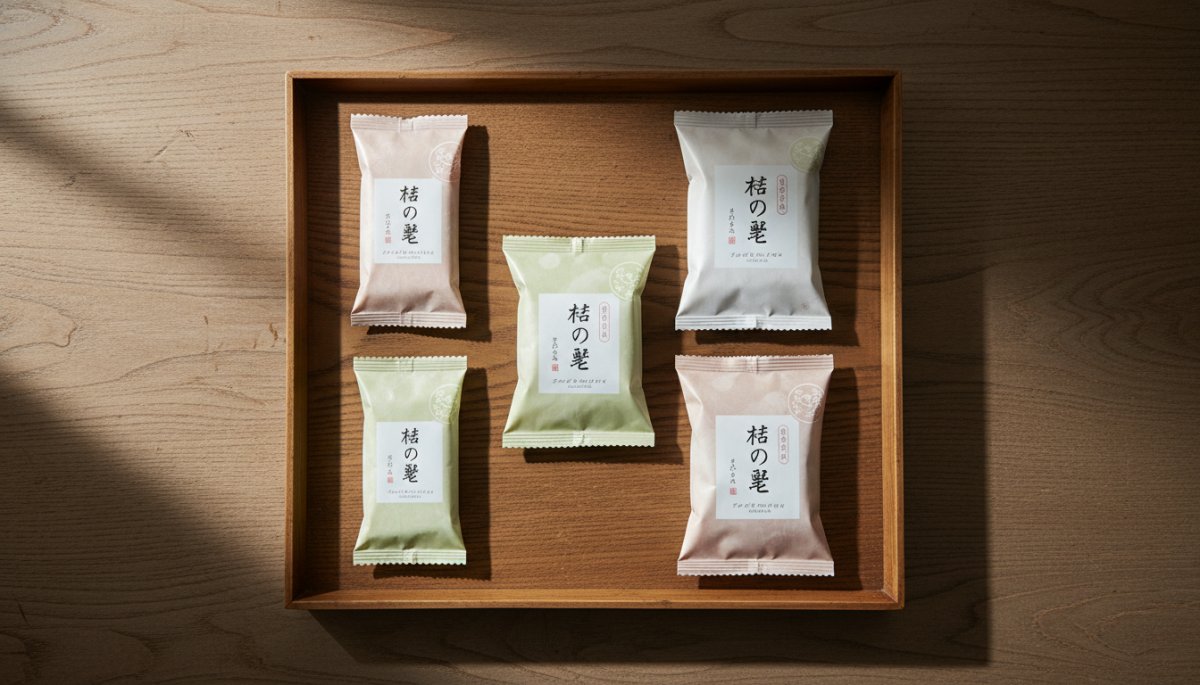
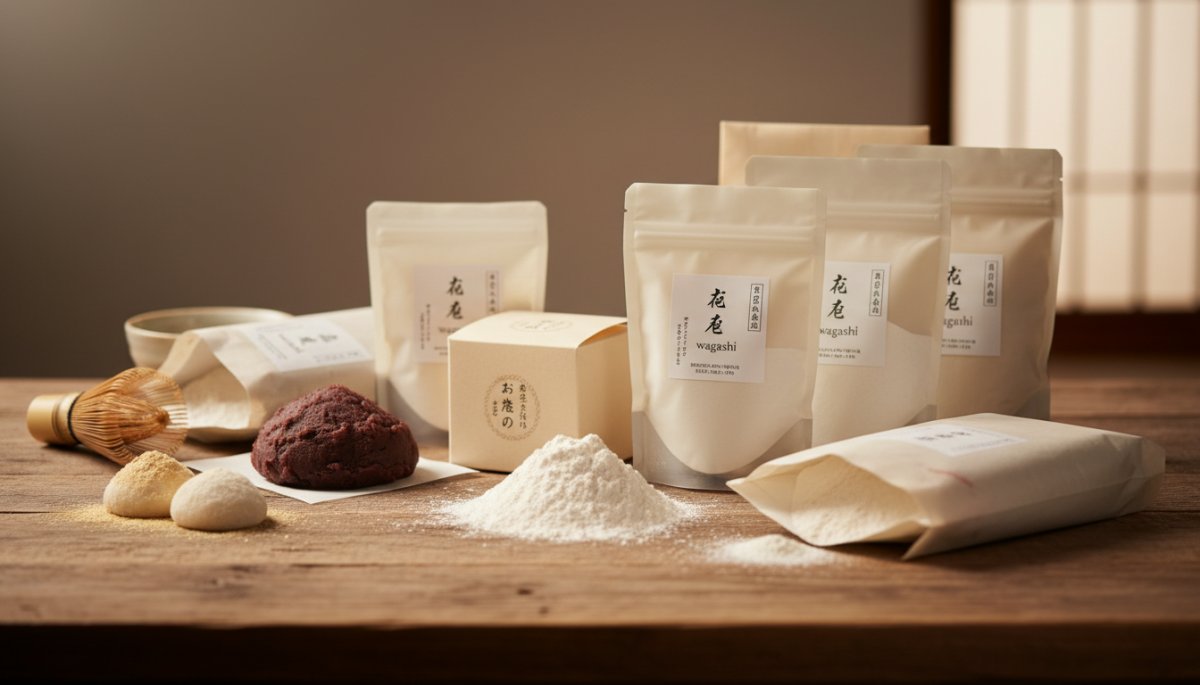
様々な種類の和菓子製造用ミックス粉のパッケージ

Combining Texture Improvers and Finishing Products

There are also dedicated mixes that improve the texture of manju and dorayaki.

You can choose according to the texture you aim for, such as products that achieve a moist texture or products that impart a crisp texture. Using an improver that dusts a thin layer of dusting flour on daifuku lets you achieve a beautiful finish while suppressing stickiness. Using a sauce base lets you easily make sauces such as those for mitarashi dango, further improving work efficiency.

Combining multiple products enables more advanced quality control.


Blending Arrangement Techniques for Keeping Originality

Adding Your Own Ingredients to a Base Mix

Even when using mix powders, there is no need to lose originality.

By adding your own unique ingredients to a base mix powder, you can differentiate yourself from other shops. Adding kinako (roasted soybean flour) made by roasting domestic soybeans in-house increases the savory aroma and flavor. Mixing in locally produced chestnut paste or kanro-ni lets you develop products with a regional character.

Adding the right amount of flavor ingredients such as matcha, black sesame, and yuzu lets you build a product lineup with a sense of season.

Adjusting Texture Through Water Content and Temperature Control

The basic method of using mix powders is set, but by finely adjusting the water content you can change the texture.

Using less water produces a firmer texture, while more water gives a soft, moist texture. Temperature control during mixing is also important: higher temperatures create stronger stickiness, while lower temperatures yield a lighter finish. When using a steam-kneading machine, you can finely control the quality of the dough by adjusting the steaming time, temperature, and humidity.

It is important to repeat trial batches many times until you find the texture your company considers ideal.
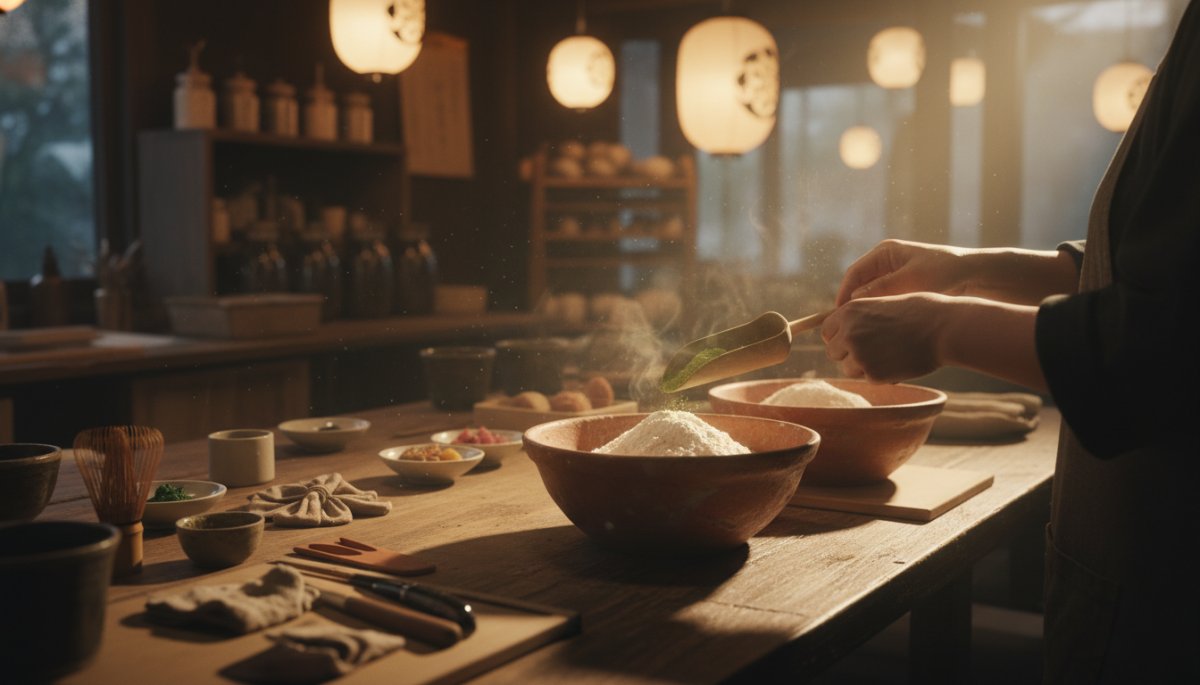
Advanced Techniques: Blending Multiple Mix Powders

By combining different types of mix powders, you can create new textures and flavors.

Blending joshin-ko (rice flour) mix with shiratama-ko (glutinous rice flour) mix produces a dough that balances a chewy quality with firmness. Adding a small amount of bracken starch mix to kudzu mix makes it possible to achieve both transparency and elasticity. By varying the blend ratios, you can create an endless range of variations.

和菓子職人による配合調整と試作の様子


Effective Combinations with Manufacturing Machinery

Compatibility Between Encrusting Machines and Mix Powders

An encrusting machine automates the process of wrapping an (sweet bean paste) in an outer layer of dough.

Dough made with mix powder has uniform viscosity and softness, making it highly compatible with encrusting machines. Mechanizing a process that would otherwise require time and skill by hand dramatically improves productivity. It becomes possible to efficiently mass-produce products of uniform quality, allowing stable responses to peak-season demand.

Because the machine also handles portioning the an and shaping the product, the finished items look beautiful as well.

An Efficient Production Flow Using Filling Machines

A filling machine injects fillings such as anko or cream into the dough.

Because it can fill precise, uniform amounts, it prevents the unevenness common with manual work. Mechanizing tasks such as adjusting the fill volume, setting the filling position, and sealing after filling can significantly improve work efficiency. Dough made with mix powder is easy to handle, and combined with a filling machine, it allows high-quality products to be manufactured in a short time.

Stabilizing Quality with Baking Machines

When producing baked confections such as senbei or monaka, using a baking machine is effective.

A baking machine can precisely control the baking temperature setting and manage the baking time, making it possible to bake the entire product evenly. Because mix powder keeps dough quality stable, combining it with a baking machine allows even higher-quality products to be manufactured consistently. By precisely managing temperature and time, you can achieve a beautiful finish with no uneven baking.


The Importance of Hygiene Management and Quality Assurance

The Benefits of Choosing Products from FSSC 22000-Certified Factories

FSSC 22000, an international standard for food safety management systems, is one of the most rigorous certifications in the food industry.

Mix powders manufactured at FSSC 22000-certified factories undergo thorough hygiene management at every stage, from receiving raw materials to production and shipment. As a measure against foreign matter contamination, production lines are designed to minimize human contact, and the rooms for roasting, filling, and packing are kept separate. This management system guarantees a high level of safety.

Products manufactured at a soybean-dedicated factory carry no risk of cross-contamination. This becomes an especially important selection criterion when producing products that require allergen management.

Ensuring Traceability and Record Management

Recording data at each stage of the manufacturing process is the foundation of quality control.

By managing when, where, and by whom a product was made, you can respond quickly in the unlikely event of a quality issue. Even when using mix powder, recording the lot numbers and manufacturing dates used ensures complete traceability. Sourcing from a reliable supplier also makes traceability possible all the way down to the raw material level.


Conclusion: The Future of Wagashi Manufacturing That Balances Efficiency and Quality

Mix powders for wagashi manufacturing are an effective tool that preserves the strengths of traditional handwork while solving the challenges faced by today's production sites.

While enjoying concrete benefits such as shorter working times, more uniform quality, and optimized cost management, you can also maintain originality by adding your own unique ingredients and adjusting the blend. Combining them with manufacturing machines such as encrusting machines and filling machines enables even greater efficiency and higher quality.

By choosing products manufactured at factories with international certifications such as FSSC 22000, you can build a production system that provides peace of mind in terms of hygiene management as well.

If you are aiming to improve the efficiency and quality of your wagashi manufacturing, please consult Minoyo, a company with 120 years of history and trust.MinoyoWith proposal-based sales that draw on the track record we have built in Kyoto and our connections with wagashi shops nationwide, we will propose the optimal solution for your production site.

Please feel free to consult us about commercial procurement and sample requests

Minoyo is a specialty store for Kyoto confectionery raw materials based in Kyoto. For the raw materials covered in this article, we offer proposals close to the realities of wagashi production, including commercial procurement, trial samples, and consultation on lots and specifications.

For Minoyo's business and strengths, please see Our Business & Why We Are Chosen . For the actual flow of doing business, see Ordering Process & How to Order; for questions, we have compiled them at Frequently Asked Questions . For individual consultations, please use Contact or material download to get in touch.
Related Articles

Latest Articles

Categories

Tags

Request Materials & Contact​

Please feel free to reach out with any questions about raw materials or products, or to request materials.
Our dedicated staff will respond with care.