Choosing the Right Wagashi Raw Material Wholesaler Holds the Key to Success
In running a wagashi shop, the quality of raw materials determines the taste and reputation of your products.
No matter how excellent the technique, without good raw materials, genuine deliciousness will not be born. That is precisely why meeting a reliable raw material wholesaler is a crucial choice that determines the future of a wagashi shop.
However, finding a truly reliable partner among the many wholesalers is not easy. If you choose based on price alone, you may run into quality problems or delivery troubles that disrupt your operations.
この記事では、和菓子原料の卸業者を選ぶ際に確認したい項目を、品質管理体制から価格設定、配送体制、品揃えまで順に整理します。
See Minoyo's Product List Here
Prioritize Checking the Quality Management System
The quality of raw materials is the most important factor determining the taste of wagashi.
Transparency of Sourcing Routes and Origin Information
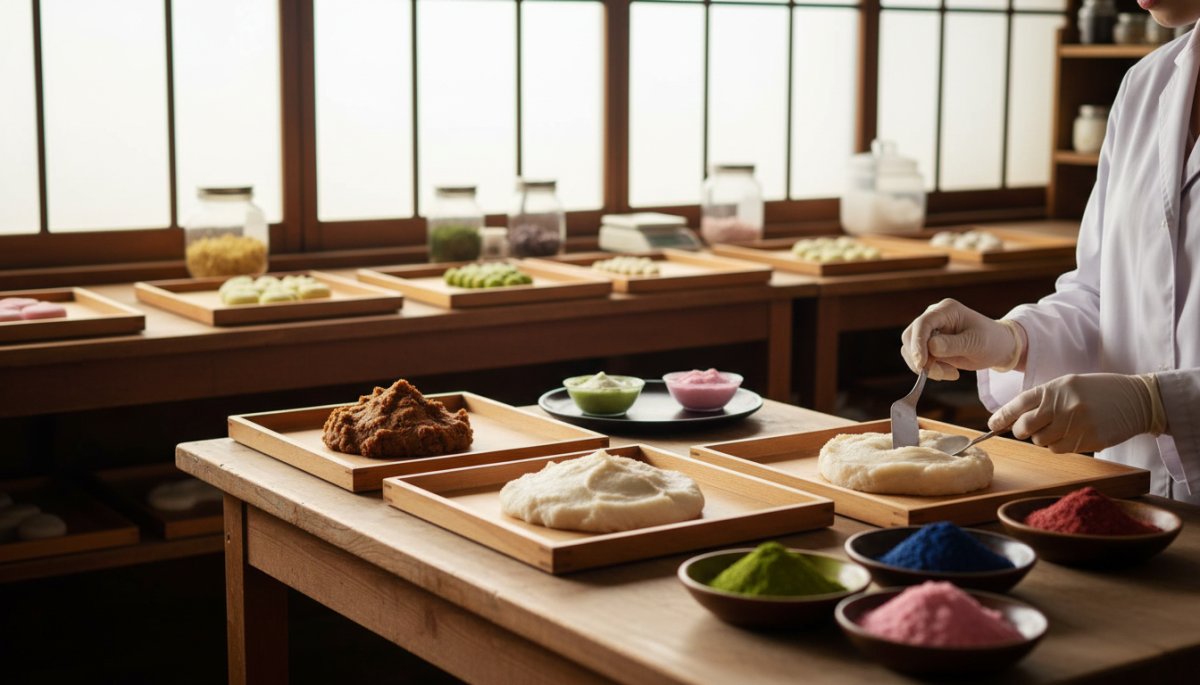
A reliable wholesaler can clearly explain the sourcing routes of its raw materials.
例えば、晒餡であれば小豆の産地、柚子加工品であれば国産柚子の使用など、原材料の出所を把握しているかどうかを確認してください。産地情報を開示できるかは、仕入れ先を比べるときの判断材料になります。
How Thorough the Storage Environment and Temperature Control Are
Among wagashi raw materials, many require refrigeration or frozen storage. Products such as yuzu jam, fresh yuzu paste, and processed fruits will deteriorate in quality if not kept under proper temperature control.
Check whether you can tour the wholesaler's warehouse or distribution center, and whether you can receive an explanation of their temperature management system.
Quality Inspection Systems and Compliance with Safety Standards
Whether they conduct quality inspections in compliance with the Food Sanitation Act and the Food Labeling Act is an essential item to confirm. Especially when handling colorants and additives, compliance with safety standards must be strict.
It is important to determine whether they have a system in place to ensure safety, such as conducting regular quality inspections, disclosing inspection results, and ensuring traceability.
Assess the Transparency and Flexibility of Pricing
Cost is an important factor that directly affects management, but pursuing low price alone creates risks on the quality side.

A Clear Pricing Structure and the Level of Detail in Quotations
優良な卸業者は、価格体系を明確に提示します。業務用の和菓子原料は、品目によって規格の単位が大きく異なります。
The more detailed the quotation—covering the unit price for each specification, the conditions for lot discounts, and the method of calculating shipping fees—the higher the reliability.
Advance Notice and Accountability for Price Revisions
原料価格は市場の影響を受けて変動します。砂糖や小豆などの基本原料は、作柄や相場で価格が動きます。
Whether they give advance notice when a price revision occurs, and whether they explain the reasons for the revision, are important points in a long-term relationship. Choose a wholesaler that values communication, so that a sudden price increase does not throw off your business plans.
A Variety of Payment Terms and Settlement Methods
The flexibility of payment periods and settlement methods is also a point to check. A wholesaler that supports multiple payment methods—such as credit card, invoice payment, and deferred payment—is proof that they consider the circumstances of their business partners.
Confirming the Delivery System and Lead Time
No matter how good the raw materials are, they are meaningless if they do not arrive when needed.
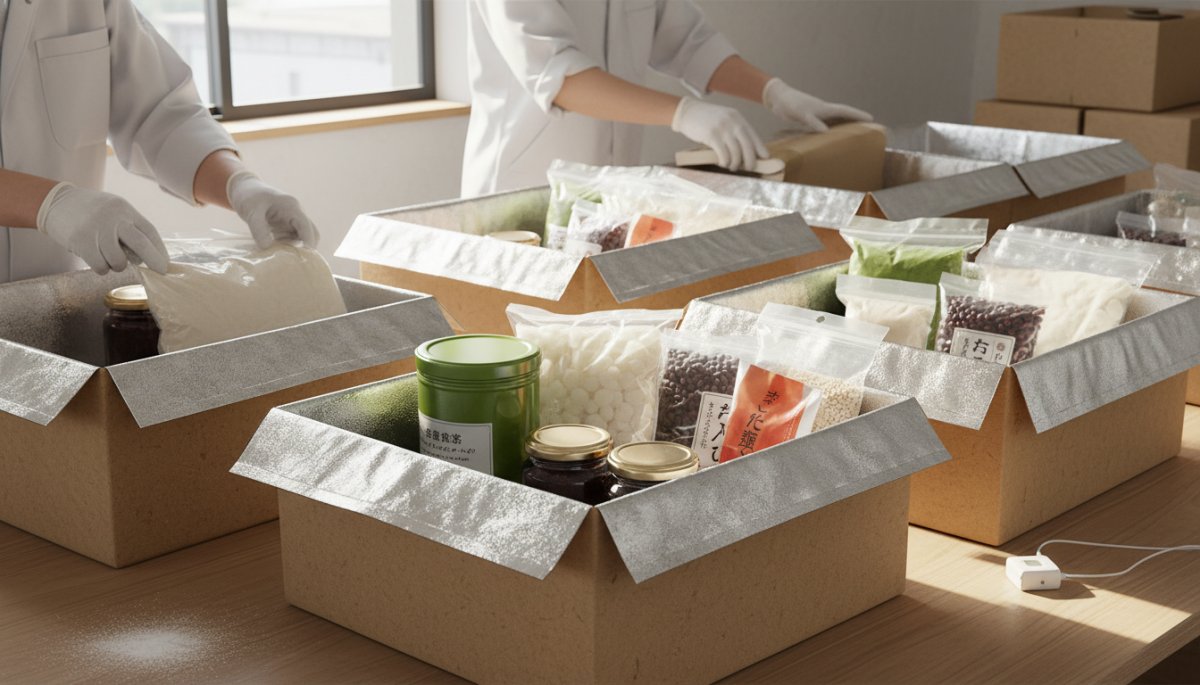
Delivery Speed and the Coverage Range of Delivery Areas
一定金額以上の注文で送料無料となる業者もあります。送料の条件は、配送エリアごとのリードタイムとあわせて取引前に確認しておきましょう。
Capability for Refrigerated and Frozen Delivery
When handling refrigerated or frozen raw materials such as yuzu slices, fresh yuzu paste, and processed fruits, temperature-controlled delivery is essential.
Check in advance for support of refrigerated (cool) delivery, whether additional fees apply, and the available temperature-zone options. To prevent quality deterioration during delivery, it is important to choose a wholesaler that can manage temperature appropriately.
Emergency Response and Stability of Stock Availability
How far they can accommodate sudden orders or additional orders is also an important point. If production of a popular product increases more than expected, a shortage of raw materials leads to lost opportunities.
A wholesaler that keeps ample stock and has a system in place to handle emergency deliveries is dependable as a business partner.
Balancing a Rich Product Lineup with Specialization
If you can obtain all the raw materials you need from a single wholesaler, your ordering operations become more efficient.
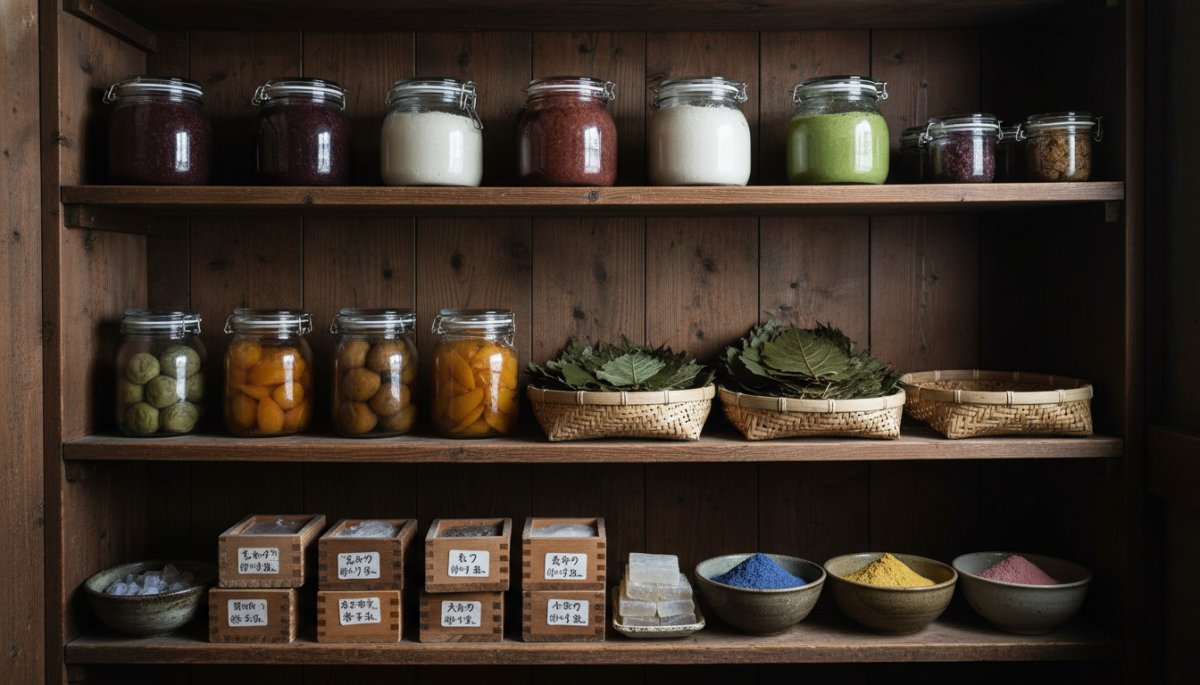
Product Lineup and Specialization by Category
穀粉・澱粉・豆類・餡・果実加工品・葉類・着色料まで和菓子の原料をまとめて扱っている業者なら、原料ごとに仕入れ先を分けずに済みます。
晒餡、Genuine warabi starchや本葛などの澱粉、柚子加工品など、用途に合う商品を扱っているかを確認しましょう。
Handling of Seasonal Products and Natural Ingredients
Kashiwa leaves, bamboo leaf (sasa),salted cherry leaves、桜の花塩漬など、季節の和菓子に欠かせない天然素材を安定供給できるかも確認しておきます。端午の節句の柏餅、春の桜餅など、季節商品の需要に対応できる業者を選びましょう。
柏葉は「100枚×40束」のように束単位の規格で販売されることが多いため、必要な数量を無駄なく仕入れられる規格があるかを確認しておきます。
The Range of Original Products and Manufacturing Support
A wholesaler that offers original products that simplify wagashi manufacturing—such as Warabi Kashi no Tomo, Kuzu Kashi no Tomo, and Mizu Manju no Tomo—understands the needs of the production floor.
包装資材(KOP袋、各種尻皮など)も提供している業者であれば、原料から包装まで一括で調達でき、業務効率が大幅に向上します。
Judging Reliability from Track Record and Reputation
A long track record is an important indicator of a wholesaler's reliability.
Industry Reputation and Word-of-Mouth Information
By checking the reputation from peers and industry associations, you can grasp the actual state of business dealings. In choosing a confectionery ingredient wholesaler, factors such as a rich product lineup, smoothness from ordering to delivery, and good product quality are highly valued.
Being a long-established company and having a high level of reliability provide reassurance in long-term dealings.
Support System and After-Sales Follow-up
Whether they respond carefully to consultations about raw materials, and whether they provide recipe suggestions and manufacturing advice, are also important points.
Especially when developing new products or when manufacturing troubles arise, a wholesaler whose specialist staff provide support offers value beyond that of a mere supplier.
Adaptation to Digitalization and Convenience of Ordering
Web発注や過去の注文履歴からの再発注に対応しているかを確認しておくと、定番原料の発注の手間と買い忘れを減らせます。
Conclusion | Building a Long-Term Relationship with a Reliable Partner
Selecting a wagashi raw material wholesaler is not simply choosing a supplier.
品質管理体制、価格設定の透明性、配送体制、品揃えの豊富さ、取引実績など、複数の項目を並べて評価してください。最も大切なのは、長期的に信頼できるパートナーシップを築けるかどうかです。
Only when there are good raw materials can delicious wagashi be born. Without compromising, take your time to assess wholesalers and find the supplier best suited to your wagashi shop.
See Minoyo's Product List Here
Please feel free to consult us about commercial procurement and sample requests
美濃与は京都に拠点を置く京菓子原材料の専門商社です。本記事で取り上げた原料の業務用調達や、お試しサンプル、ロット・規格のご相談など、和菓子製造の現場に寄り添った提案を行っています。
For Minoyo's business and strengths, please see Our Business & Why We Are Chosen . For the actual flow of doing business, see Ordering Process & How to Order; for questions, we have compiled them at Frequently Asked Questions . For individual consultations, please use Contact or material download to get in touch.


