The Seasonal Ingredients Essential to Winter Wagashi
Making winter wagashi calls for ingredients unique to the season.
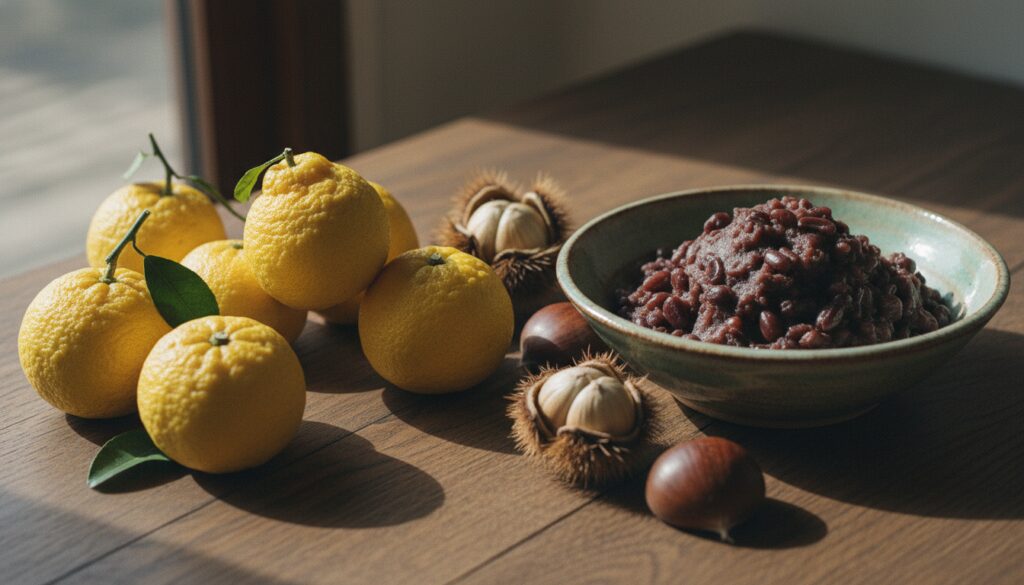
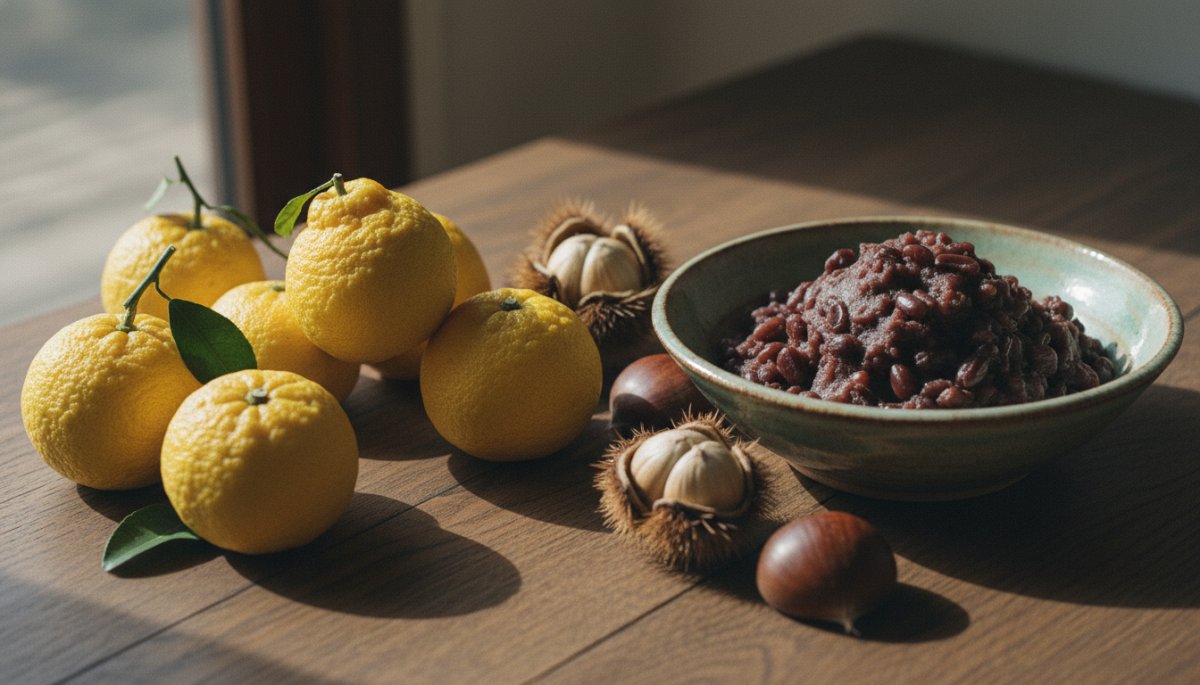
The refreshing aroma of yuzu, the elegant sweetness of adzuki beans, the fluffy texture of chestnut. These winter ingredients have flavors that shine precisely because of the cold season. Wagashi artisans have long drawn on these seasonal blessings to create pieces fitting for New Year's and winter tea gatherings.
本記事では、冬の和菓子に使う材料の種類と使い方、保存方法を整理します。
The Characteristics and Uses of Yuzu, a Signature Winter Ingredient
Why Yuzu Is Chosen for Winter Wagashi
Yuzu is a highly aromatic citrus that comes into season around the winter solstice.
その爽やかな香りと程よい酸味は、甘い和菓子に絶妙なアクセントを加えます。柚子の皮の香りは冬至の柚子湯でもなじみがあり、冬の和菓子に最適な素材として古くから重宝されてきました。
柚子を使った和菓子には、柚子羊羹や柚子餅、柚子を丸ごとくり抜いて餡を詰めた柚子釜などがあります。
Types of Processed Yuzu Products and How to Use Them
There are several types of processed yuzu products that can be used as wagashi ingredients.
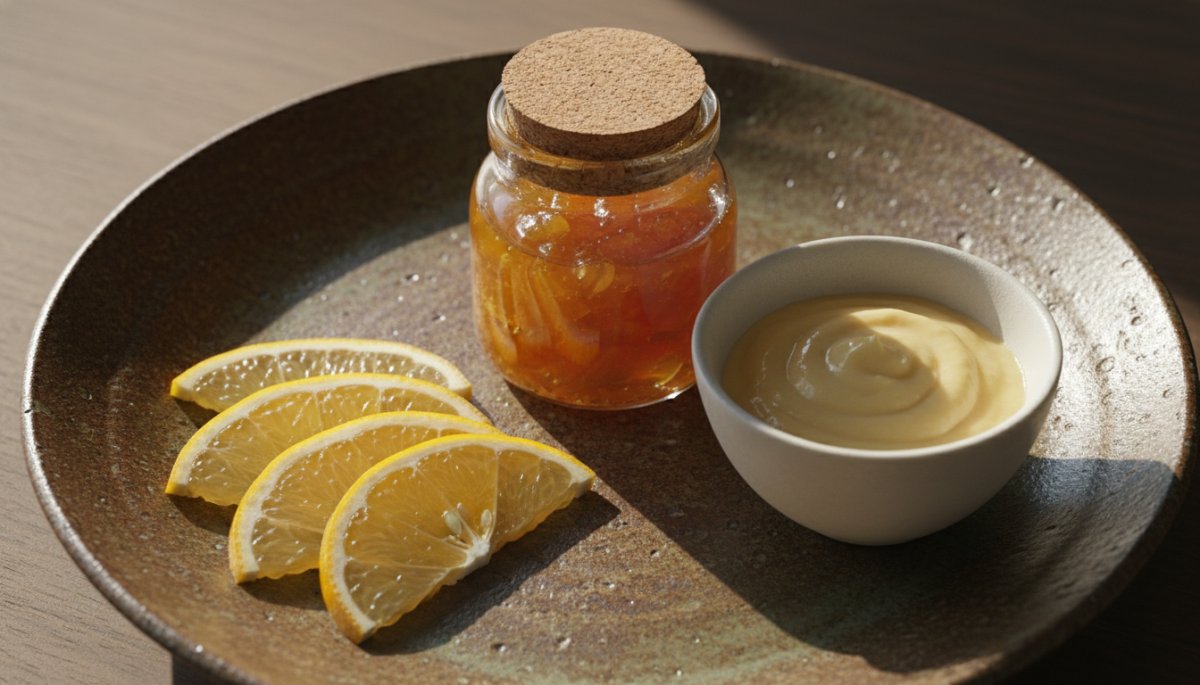
Yuzu Slicesは、羊羹や生菓子のトッピングに使います。要冷蔵で、11kg規格です。Yuzu Jamis made by simmering down the pulp and juice, and can be used for a wide range of purposes, such as mixing into an or combining with cream. It is offered in 2kg or 20kg specs.
Fresh Yuzu Pasteは柚子をペースト状にした原料で、11kg規格の要冷蔵品です。Yuzu Juiceは冷凍品で、2kg×6本規格で提供されています。
The Basics of Making Winter Wagashi with Adzuki Beans
How to Choose Adzuki Beans Best Suited to Winter
Adzuki beans are a fundamental ingredient in wagashi. In winter especially, warm wagashi made with adzuki beans, such as New Year's oshiruko and zenzai, take center stage.
美濃与では、平成2年から京都府綾部市新庄で契約栽培している丹波大納言小豆を扱っています。
晒餡の規格
美濃与ではToku Ichigo Sarashi-an・Fujijirushi Sarashi-an・Shiro Sarashi-anを各12kgで扱っています。形態と保管条件は、商品名から判断せず規格書で確認してください。
Winter Wagashi Adorned with Chestnut and Plum
How to Choose and Store Candied Chestnuts
Chestnut is an ingredient essential to wagashi from autumn through winter.
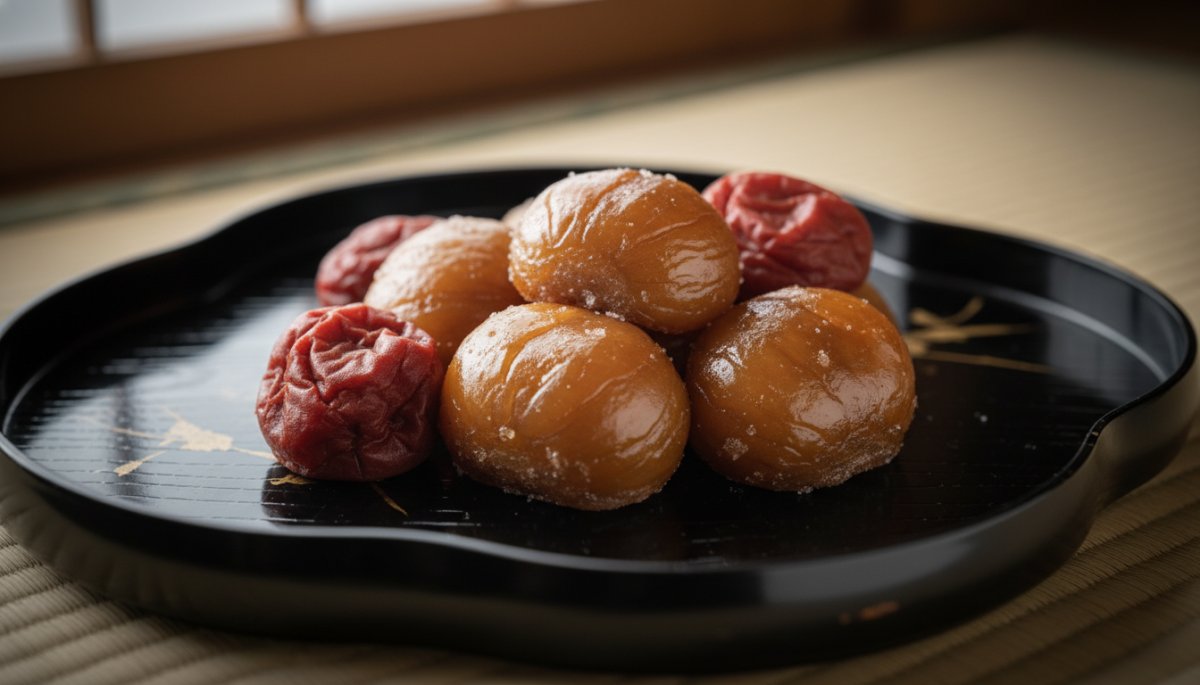
Extra-soft candied marronsは栗の甘露煮で、栗羊羹や栗まんじゅうの具材に使われ、「9・1/06」規格で提供しています。marron kanroni first gradeも同じ規格です。一級品と特軟品の違いは規格書で確認し、用途を伝えて選定してください。
Shibukawa (Inner Skin)Chestnut Kanroniは、栗の渋皮を残して蜜煮にした甘露煮です。冷凍国産栗ペーストは2kg規格で扱っています。
Adding Splendor to Winter Wagashi with Processed Plum Products
Plum is an ingredient that adds color to wagashi from winter into early spring.
Candied Plumis made by carefully simmering fully ripened plums, with an exquisite balance of the plum's natural acidity and sweetness. It is used as an accent in wagashi.Kishu Neriumeis a kneaded product made from Kishu-grown plums, characterized by an elegant sweetness and aroma. It is offered in 500g triangular bags.
Plum pulp and plum juice are also used in wagashi that draw on plum's flavor, and their refreshing taste brings a cool crispness to winter wagashi. Incorporating plum into New Year's wagashi lets you evoke the splendor of the new year.
Translucent Winter Water Confections Made with Starches
The Difference Between Pure Bracken Starch and Hon-Kuzu, and How to Use Each
For making translucent wagashi, high-quality starches are essential.
Genuine warabi starchを使ったわらび餅は、独特の透明感と弾力のある食感に仕上がります。10kg規格で提供されています。Betsuguchi Bracken Starchis of quality comparable to pure bracken starch, characterized by a translucent finish.
Hon-Kuzuis hon-kuzu (kudzu starch) such as Yoshino kuzu, characterized by a beautiful translucent finish and a smooth, elegant texture. It is used in wagashi such as kuzu mochi and kuzukiri, and is offered in a 5kg×4 spec.Zuiichi Hon-kuzuも本葛粉で、5kg×3規格です。
Easy Wagashi Making with the Original "Tomo" Series
You can also make use of original products that simplify wagashi production.
Warabi-gashi no TomoorKuzu-gashi no Tomoare convenient products that let you easily make warabi mochi and kuzu mochi. They are offered in 1kg or 10kg specs and deliver consistent quality.Mizu Manju no Tomosupports the making of translucent mizu manju, andKuzu Yokan no Tomolets you easily produce smooth kuzu yokan.
友シリーズのミックス粉は水と砂糖を加えて加熱すれば生地ができるため、仕込みの工程を減らせます。
See Minoyo's Product List Here
Colorants and Botanical Ingredients That Adorn Winter Wagashi
練りタイプと粉末タイプの着色料
和菓子の彩りには、練りタイプと粉末タイプの着色料を使い分けます。
Neri Honbeniis a kneaded-type colorant that adds a beautiful crimson to wagashi, offered in 150g or 600g specs.Liquid Pinkcan express a soft pink and comes in an easy-to-use 200g spec. Among powder types,Red No. 3orOuka-beni (Cherry Blossom Crimson)add a traditional crimson to wagashi.
Matcha GreenorKusa-ao (Grass Green)are used to express green, ideal for wagashi that evoke the breath of spring.Bamboo Charcoal Powder,は、1kg規格で提供され、黒色の表現に使います。着色料は添加物として表示が必要です。原材料表示もあわせて確認してください。
Traditional Botanical Materials Such as Oak Leaves and Bamboo Leaves
Natural materials for wrapping wagashi or adding aroma are also essential to making winter wagashi.
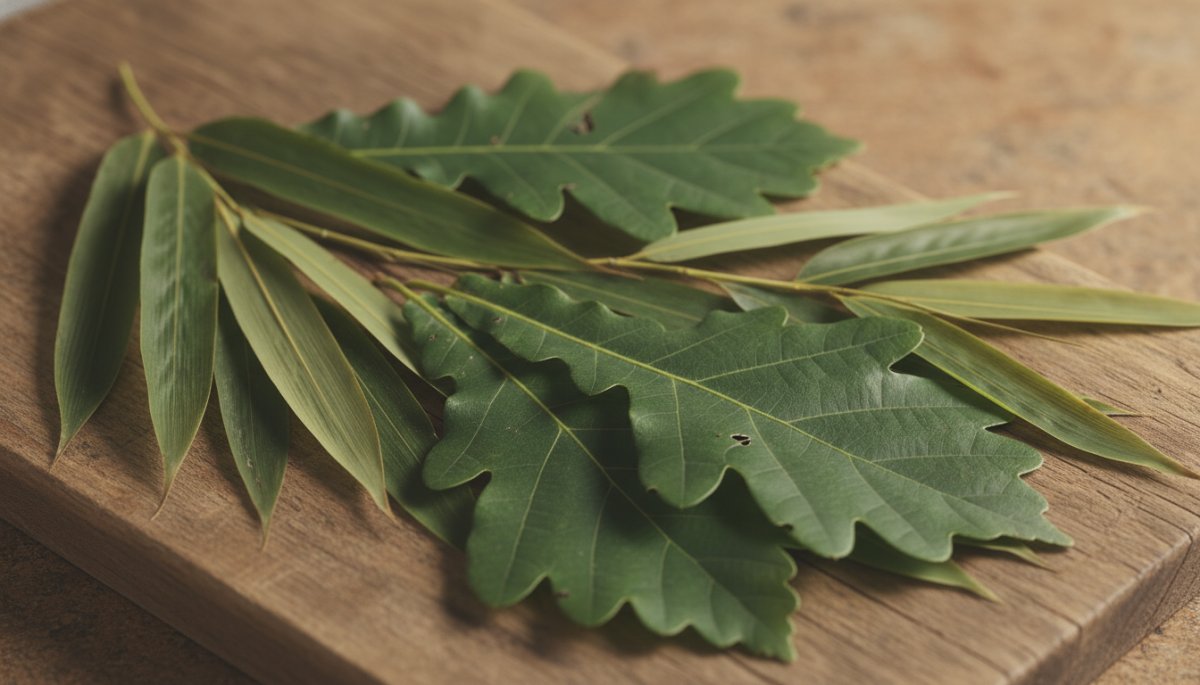
dried kashiwa leavesis the traditional oak leaf used for kashiwa mochi, dried for storage and offered in a 100 sheets×40 bundles spec. Rehydrating in water before use revives the fresh oak aroma.premium fresh green kashiwa leavesは、緑色の柏の葉で、500枚×8P規格です。
Aomori sasais a high-quality bamboo leaf (sasa) from Aomori Prefecture, in a 50 sheets×100 bundles spec. It is used for wrapping sasa dango and sasa mochi, and the refreshing aroma unique to bamboo leaf transfers to the wagashi.salted cherry leavesorSalt-Preserved Cherry Blossomsare used in spring wagashi, but preparing them during winter lets you smoothly move into making early-spring wagashi.
冬の和菓子材料の保存方法と配合
Appropriate storage methods for seasonal materials
冬の和菓子材料は、素材ごとに保存温度が異なります。
Processed yuzu products basically require refrigerated or frozen storage. Store yuzu slices, yuzu jam, and fresh yuzu paste refrigerated, and freeze yuzu juice to preserve its fresh flavor. It is ideal to use them up quickly after opening, but transferring them to an airtight container helps maintain quality.
晒餡は、規格書に記載された保存条件に従って管理します。栗甘露煮や梅甘露煮は、開封後は冷蔵保存が基本です。澱粉類は湿気を避け、密閉容器で常温保存することで、長期間品質を保つことができます。
柚子と栗は餡との甘さの釣り合いで量を決める
冬の和菓子の味は、素材の配合バランスで変わります。
柚子を使った和菓子では、柚子の香りが強すぎると餡の味を損なうため、柚子ペーストや柚子果汁の量は、餡の風味を見ながら試作で決めます。小豆餡に柚子を加える場合は、こし餡との相性が良く、風味豊かな後味を楽しめます。粒餡の場合は、柚子の酸味が小豆の風味を引き立てます。
栗を使った和菓子では、栗甘露煮の甘さと餡の甘さのバランスを考慮します。澱粉類を使った水菓子では、本蕨粉や本葛の配合比率によって食感が大きく変わるため、試作を重ねて最適な配合を見つけることが大切です。
Summary: Savor the Season Through Winter Wagashi Ingredients
Making winter wagashi calls for seasonal ingredients such as yuzu, adzuki beans, chestnut, and plum.
The refreshing aroma of yuzu adds an exquisite accent to sweet wagashi, and the elegant sweetness of adzuki beans forms the foundation of wagashi. The fluffy texture of chestnut and the splendid color of plum are essential elements of New Year's wagashi. Translucent water confections made with pure bracken starch or hon-kuzu adorn winter tea gatherings.
これらの素材を適切に保存し、配合バランスを考慮することで、プロの味に近づくことができます。着色料や伝統的な植物素材を活用することで、見た目にも美しい和菓子が完成します。
See Minoyo's Product List Here
📦 Related Minoyo Products
Please feel free to consult us about commercial procurement and sample requests
美濃与は京都に拠点を置く京菓子原材料の専門商社です。本記事で取り上げた原料の業務用調達や、お試しサンプル、ロット・規格のご相談など、和菓子製造の現場に寄り添った提案を行っています。
For Minoyo's business and strengths, please see Our Business & Why We Are Chosen . For the actual flow of doing business, see Ordering Process & How to Order; for questions, we have compiled them at Frequently Asked Questions . For individual consultations, please use Contact or material download to get in touch.


