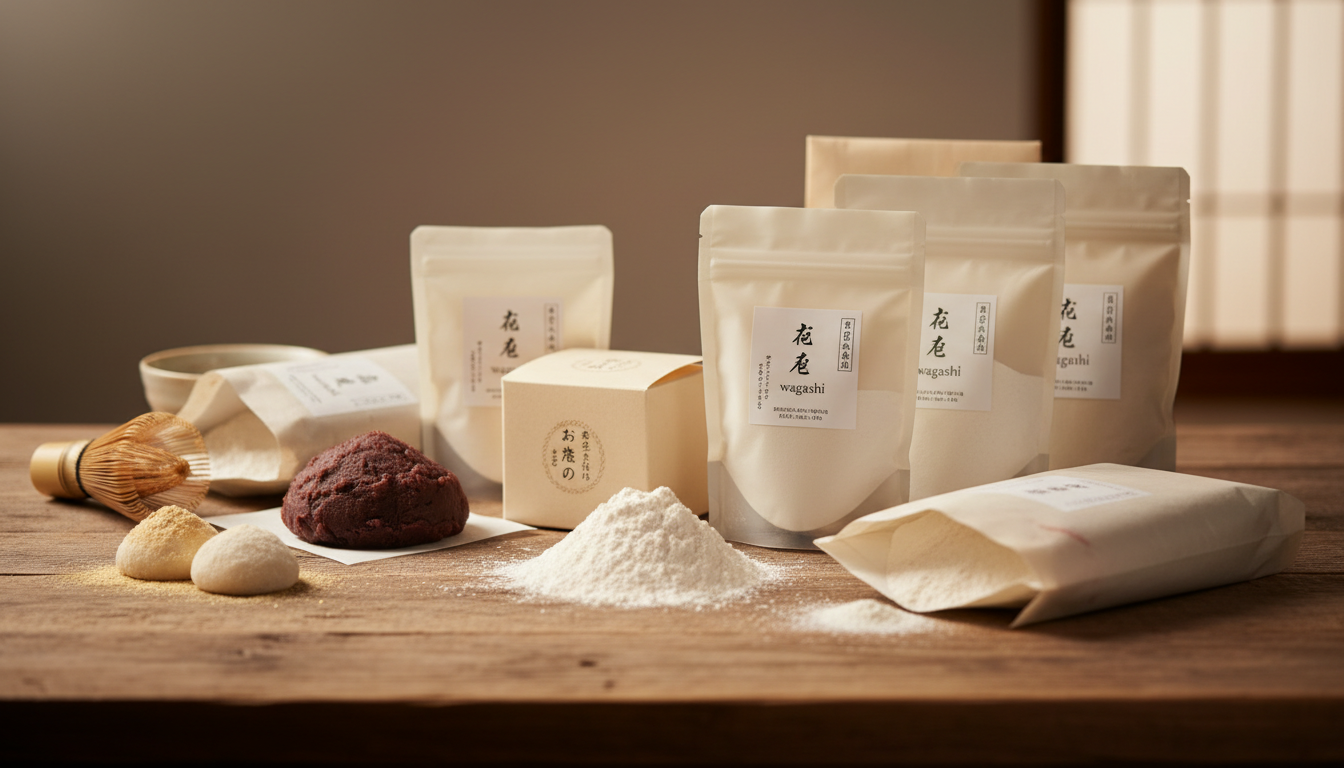
Welcome to the World of Raw Materials That Support Kyoto Wagashi
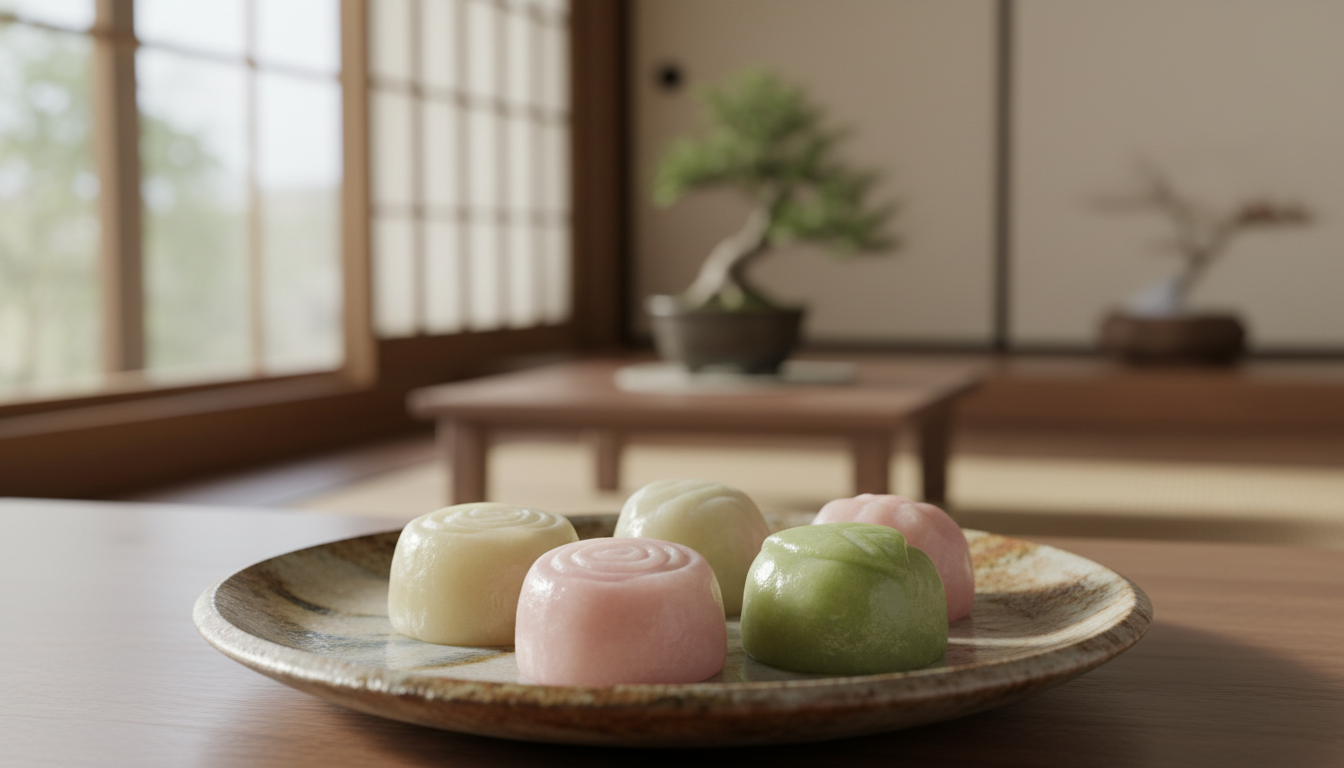
Kyoto wagashi are loved around the world for their delicate flavors and beautiful designs.
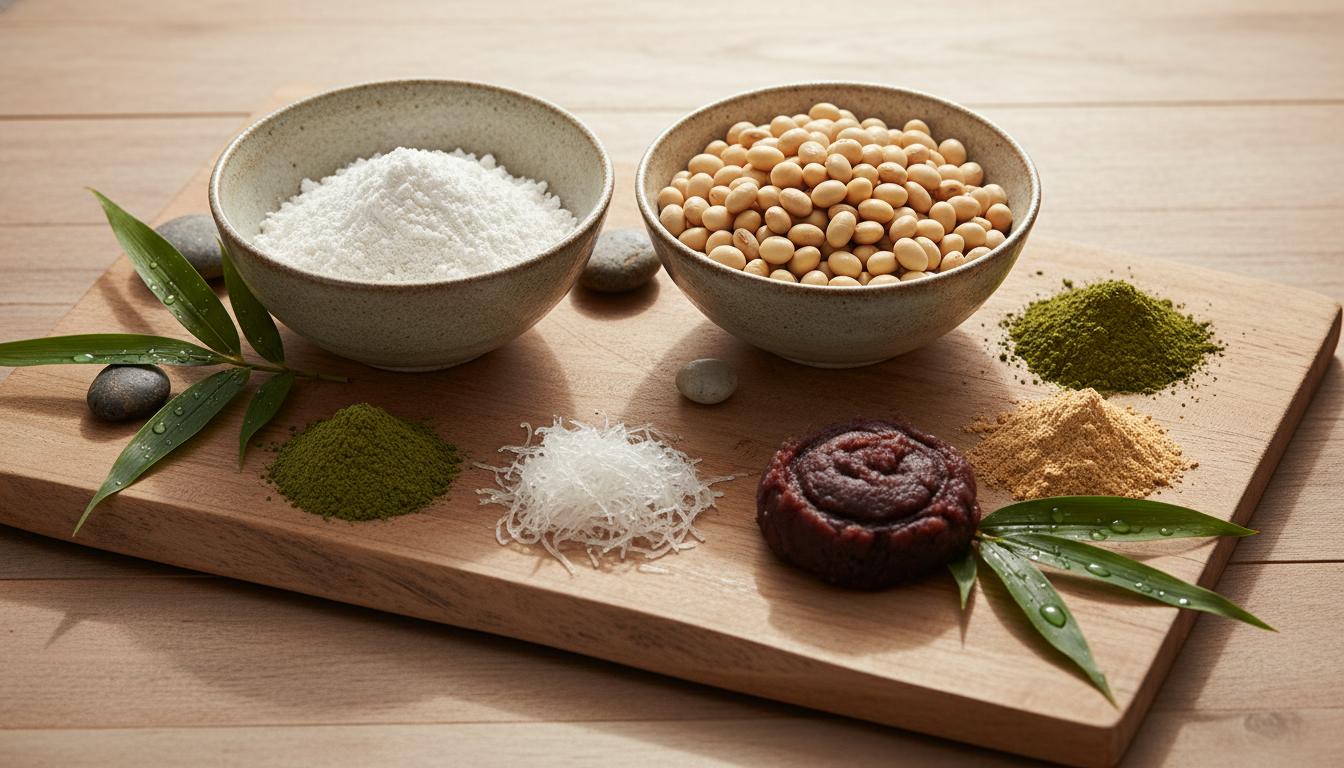
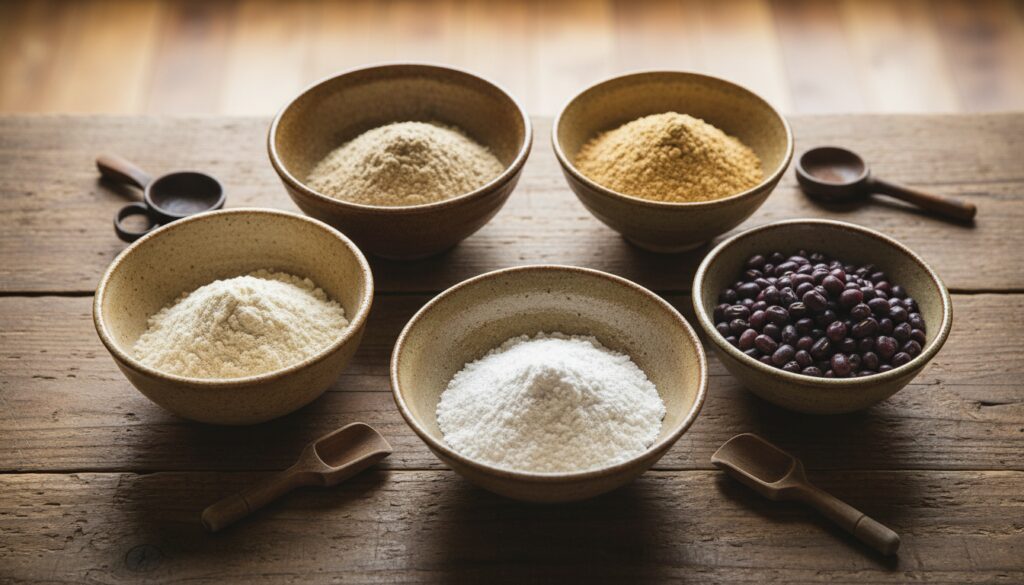
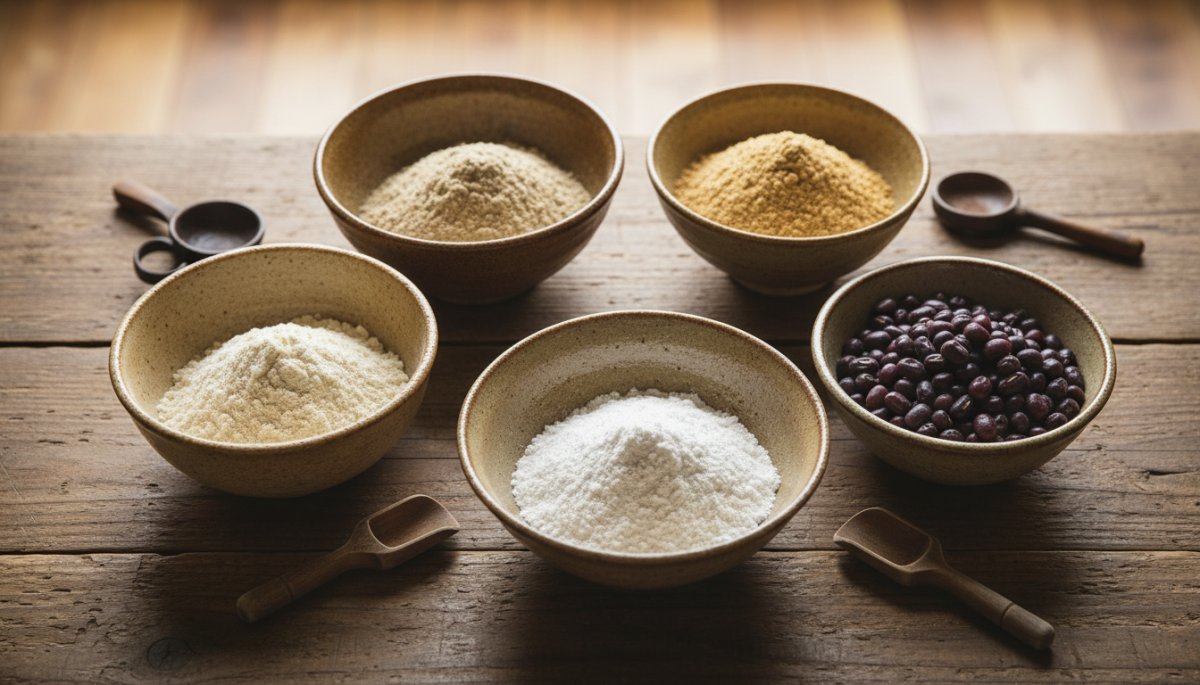
But behind that beauty lies carefully selected raw materials and the sure skill of artisans—did you know that? Into each and every ingredient, from jouyo-ko (yam flour), kinako (roasted soybean flour), and rice flour to Tamba Dainagon adzuki beans, are woven the dedication that Kyoto's wagashi artisans have passed down for generations and the deep wisdom needed to preserve tradition.
本記事では、京都の和菓子を支える原材料の特徴から、老舗が実践する素材選びの基準、そして現代の品質管理手法まで、幅広く解説します。明治35年(1902年)創業の美濃与が扱う原材料の特徴や、素材の保管と季節ごとの使い分けもご紹介しますので、和菓子づくりに携わる方はもちろん、和菓子文化に興味のある方にも役立つ内容となっています。
Why Kyoto's Wagashi Raw Materials Are Special
Kyoto's wagashi raw materials have a distinctiveness unlike that of other regions.
Behind this lies a deep connection with the development of tea ceremony culture. Within the culture of the tea ceremony that has continued since the Muromachi period, Kyoto wagashi have been refined as "sweets for the tea gathering." Because the tea ceremony places importance on seasonality and aesthetic sensibility, wagashi too are required to have delicate flavors and beautiful appearances. This cultural background is reflected in the selection of raw materials as well.
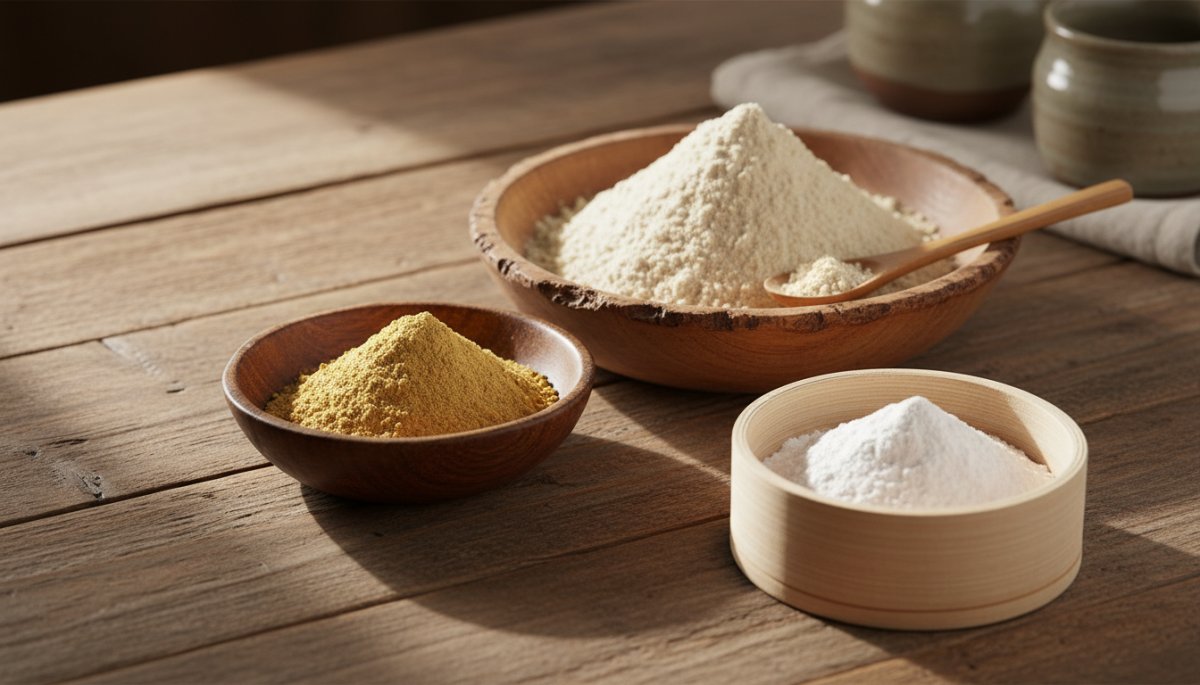
The reason for insisting on Kyoto-produced raw materials lies in their high quality.
例えば、京都府産宇治抹茶は日光を覆いでさえぎって育てた碾茶を使用し、みずみずしく美しい緑色、やわらかく甘い香りと深い旨味を持つことで知られています。また、丹波地方産の丹波大納言小豆は、大粒で皮が割れにくい小豆として知られ、小豆の味をしっかりと感じる濃厚な風味と、赤くつややかな皮が特徴です。
These region-specific raw materials support the flavors of Kyoto wagashi. By combining traditional production methods with the latest quality-control technologies, Kyoto's wagashi artisans achieve consistent high quality.
The Ingredient-Selection Standards Long-Established Shops Pass Down Through Generations
Kyoto's long-established wagashi shops set their own standards for ingredient selection.
産地や製法、品質の安定性を見て、原材料の仕入れ先を選んでいます。
What is emphasized in ingredient selection is the reliability of the place of origin.
For example, for rice flour and mochiko (glutinous rice flour), fine products created through carefully selected origins and meticulously refined production methods are chosen. High-quality mochigome (glutinous rice), long cherished as an offering, is also treated as an important ingredient that firmly supports the traditional flavors of wagashi.
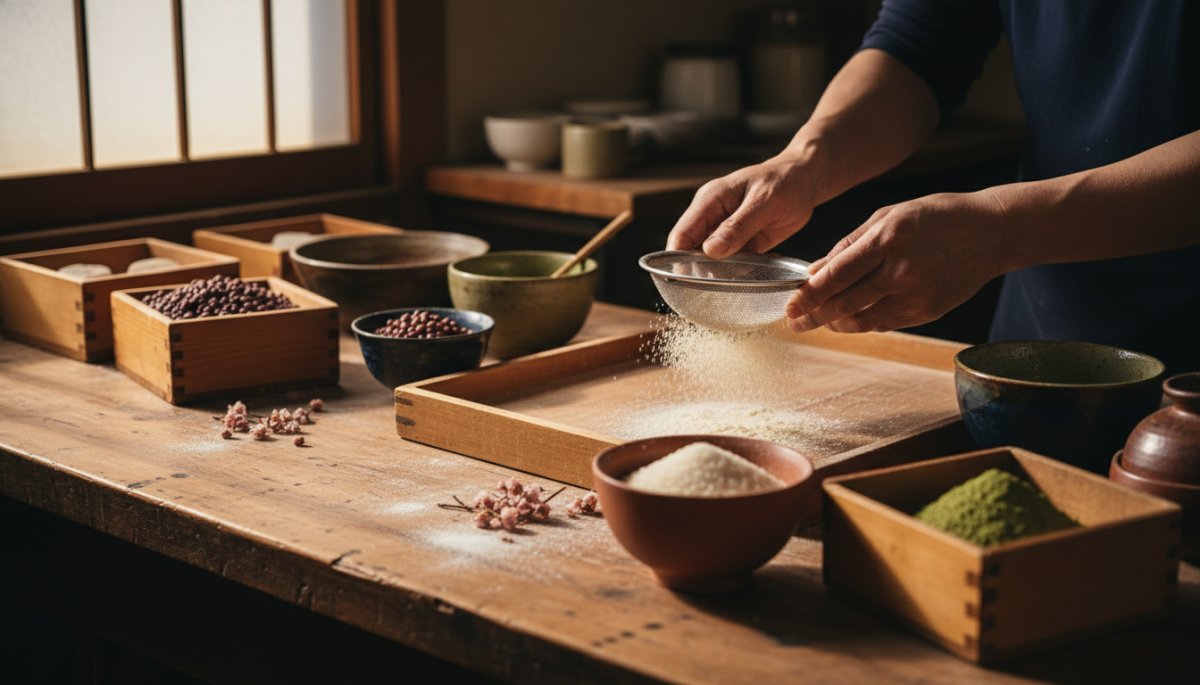
Another standard that long-established shops emphasize is the expression of seasonality. Kyoto wagashi sometimes express color combinations that incorporate the seasonal sensibilities of "kasane no irome," the layered garments of Heian-period court ladies. To realize such delicate expression, high-quality raw materials that allow subtle adjustments of color and flavor are essential.
The Characteristics of the Carefully Selected Raw Materials Minoyo Provides
明治35年(1902年)創業の美濃与は、京菓子原材料の専門商社です。
Minoyo's product lineup is wide-ranging.
和菓子原材料としては、豆類・きな粉・大豆製品、穀粉(米粉・薯蕷粉)、栗菓子素材、豆類・豆加工品などを幅広く取り扱っています。大豆については、伏見の自社工場で国産大豆を焙煎・製粉し、「美濃与きなこ」「深煎りきな粉」と大豆飲料「大豆珈琲」を製造しています。
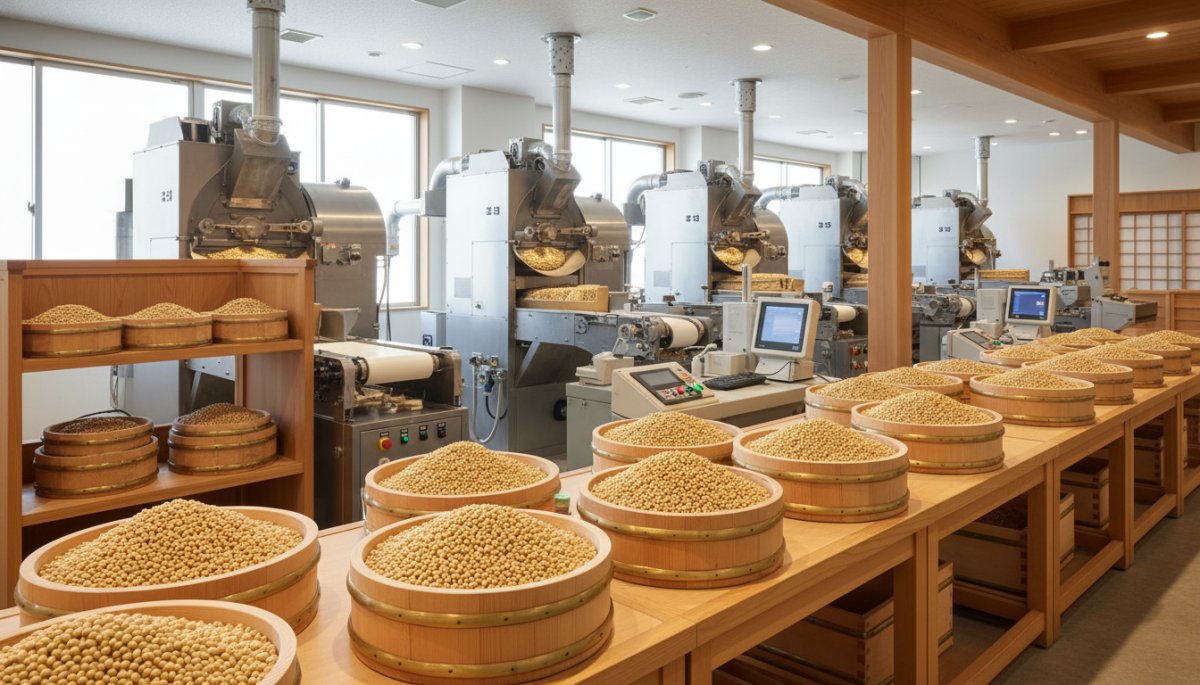
品質管理の面では、大豆焙煎所(伏見工場)がFSSC22000・ISO22000を取得しています。伏見工場では、生の国産大豆を仕入れ、焙煎から製粉までを自社で行っています。大豆以外の原料を持ち込まない大豆専用工場です。
Minoyo's original products are also extensive. It offers products that fuse tradition and innovation, such as the "Tomo Series" mix powders that make it easy to produce warabi mochi, mizu manju, and kuzu mochi, and "Soybean Coffee," a fragrant, caffeine-free beverage made from roasted soybeans.
The Characteristics of Major Raw Materials and How to Use Them Selectively
The Characteristics and Uses of Jouyo-ko (Yam Flour)
薯蕷粉(上用粉)は、上用饅頭(薯蕷饅頭)の生地に使う粉です。山芋や砂糖と合わせて蒸すと、ふんわりときめの細かい白い生地に仕上がります。
特選薯蕷粉の商品ページでは、薯蕷芋を原料とする上用粉と説明しています。原料とアレルゲン表示は規格書で確認してください。京都の老舗和菓子店では、薯蕷粉の品質にこだわり、安定した品質で供給できる信頼できる仕入れ先を選んでいます。
How to Choose Kinako and the Degree of Roasting
Kinako is a raw material made by roasting soybeans and grinding them into powder.
美濃与では、伏見の自社工場で国産大豆を焙煎・製粉し、焙煎度の異なる「美濃与きなこ」「深煎りきな粉」と大豆飲料「大豆珈琲」を製造しています。焙煎度によって香りや風味が変わるため、和菓子の種類に合わせて焙煎度を選びます。例えば、わらび餅には香ばしい風味が強いきな粉が、繊細な味わいの生菓子には控えめな焙煎度のきな粉が適しています。
The Difference Between Rice Flour and Mochiko
Rice flour and mochiko (glutinous rice flour) are both made from rice, but their production methods and uses differ.
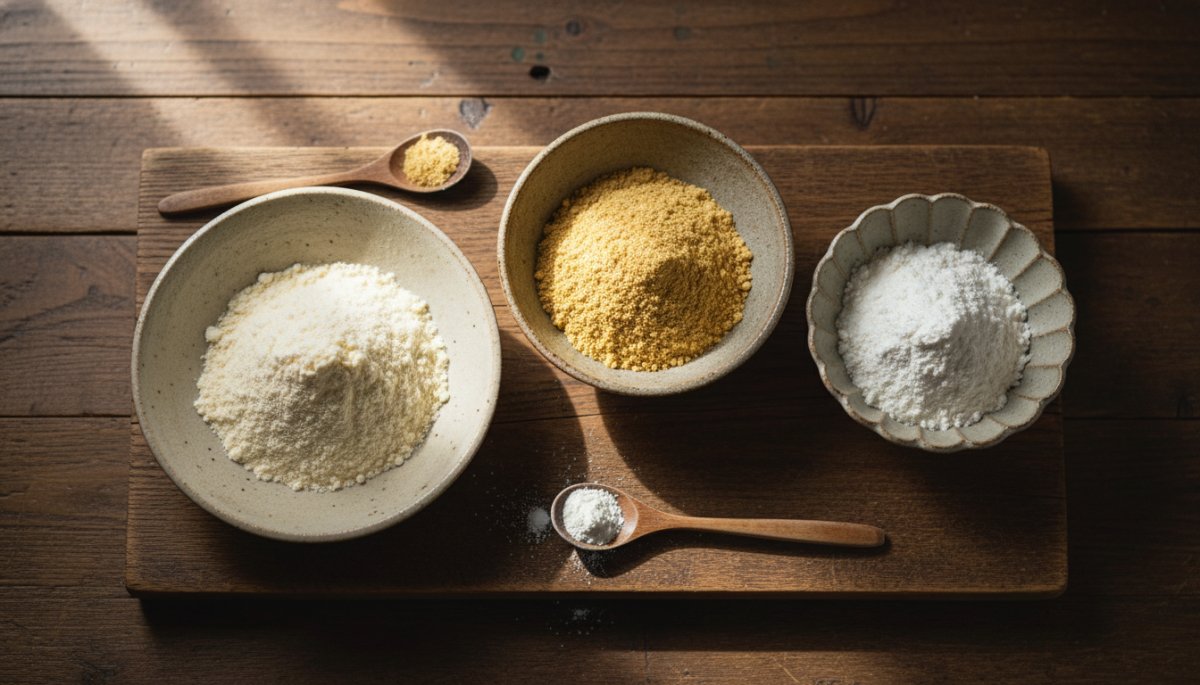
上新粉などうるち米の粉は、団子や柏餅、ういろうなどに使われます。一方、餅粉はもち米を粉砕したもので、大福や団子などに使用されます。美濃与では、上新粉(上米の粉・特選米の粉)や餅粉(特上餅粉・上餅粉・特選餅粉など)を取り扱っています。
The Value of Tamba Dainagon Adzuki Beans
丹波大納言小豆は、京都府・兵庫県をまたぐ丹波地方産の小豆です。
流通量が限られ、希少な小豆として扱われています。小豆の味をしっかりと感じる濃厚な風味に、赤くつややかで割れにくい皮が特徴で、炊きあげると何とも香りのよい粒餡ができあがります。大粒で心地の良い歯触りと、奥深く豊かな美味しさが、京都の和菓子に欠かせない要素となっています。
Source
Tsuruya Yoshinobu Co., Ltd., "Kyoto-Exclusive: A Commitment to Kyoto-Produced Uji Matcha & Kyoto Mizuo Yuzu"
adapted from
粉類・きな粉の保管と季節素材の使い分け
Maintaining the quality of wagashi requires proper storage of raw materials.
粉類は湿気を嫌うため、密閉容器に入れて冷暗所で保管することが基本です。特に薯蕷粉や米粉は、湿気を吸うと品質が劣化しやすいため、開封後は早めに使い切ることが推奨されます。また、きな粉は直射日光や高温多湿を避け、冷暗所で保管し、開封後は早めに使い切ります。
季節によって使う原材料も変わります。
Because Kyoto wagashi value seasonality, they actively incorporate seasonal ingredients: cherry blossoms and strawberries in spring; yuzu and matcha in summer; chestnuts and persimmons in autumn; and citrus fruits in winter. For example, yuzu from the Mizuo district of Kyoto is said to be "the birthplace of yuzu cultivation in Japan," where growing from seed ("misho cultivation") is the norm, giving it an exceptionally high aroma and a rich flavor.
Thorough quality control is also essential. By choosing raw materials produced at facilities that have obtained FSSC 22000 and ISO 22000, like Minoyo, you can have confidence in both safety and quality. Moreover, by conducting joint development with raw-material producers and users, it becomes possible to develop appealing products that make the most of carefully selected ingredients.
Actively working on developing confectionery ingredients that expand the new possibilities of wagashi—while preserving tradition and responding to needs that change with the times—is the key to passing Kyoto's wagashi culture on to the future.
Source
Tsuruya Yoshinobu Co., Ltd., "Kyoto-Exclusive: A Commitment to Kyoto-Produced Uji Matcha & Kyoto Mizuo Yuzu"
adapted from
Conclusion: Kyoto's Wagashi Raw Materials Connect Tradition and the Future
The raw materials that support Kyoto wagashi are a distillation of long history and the wisdom of artisans.
Carefully selected ingredients such as jouyo-ko, kinako, rice flour, and Tamba Dainagon adzuki beans each have their own distinctive characteristics, supporting the flavor and beauty of wagashi. By fusing the ingredient-selection standards that long-established shops pass down through generations, the high-quality raw materials that specialist companies like Minoyo provide, and modern quality-control methods, Kyoto's wagashi culture is preserved and continues to develop.
和菓子づくりに携わる方は、原材料の特性を理解し、適切な保管と使い分けを実践することで、伝統の味を守りながら新しい価値を創造できます。
If you would like to know more detailed information about Kyoto's wagashi raw materials or our product lineup, please visitMinoyoの公式サイトをご覧ください。業務用原材料の調達も承っています。
Please feel free to consult us about commercial procurement and sample requests
美濃与は京都に拠点を置く京菓子原材料の専門商社です。本記事で取り上げた原料の業務用調達や、お試しサンプル、ロット・規格のご相談など、和菓子製造の現場に寄り添った提案を行っています。
For Minoyo's business and strengths, please see Our Business & Why We Are Chosen . For the actual flow of doing business, see Ordering Process & How to Order; for questions, we have compiled them at Frequently Asked Questions . For individual consultations, please use Contact or material download to get in touch.