What Sustainable Management Means for the Wagashi Industry
Wagashi is a food culture that symbolizes Japan's traditional culture.
However, today's wagashi industry is facing a major turning point. Supply instability of raw materials due to climate change, rising ethical awareness among consumers, and tighter international environmental regulations: to address these challenges, the shift to sustainable management has become an urgent priority.
The raw materials for wagashi are all natural, such as sugar, rice flour, and adzuki beans, and wagashi are also delicate works of art that express the beauty of Japan's four seasons and its appreciation of nature. To pass this tradition on to the next generation, it is essential to design a sustainable process from production to consumption while maintaining a balance among the environment, society, and the economy.
Why Sourcing Domestic Ingredients Contributes to the SDGs
Local production for local consumption is the first step toward achieving the SDGs in wagashi manufacturing.
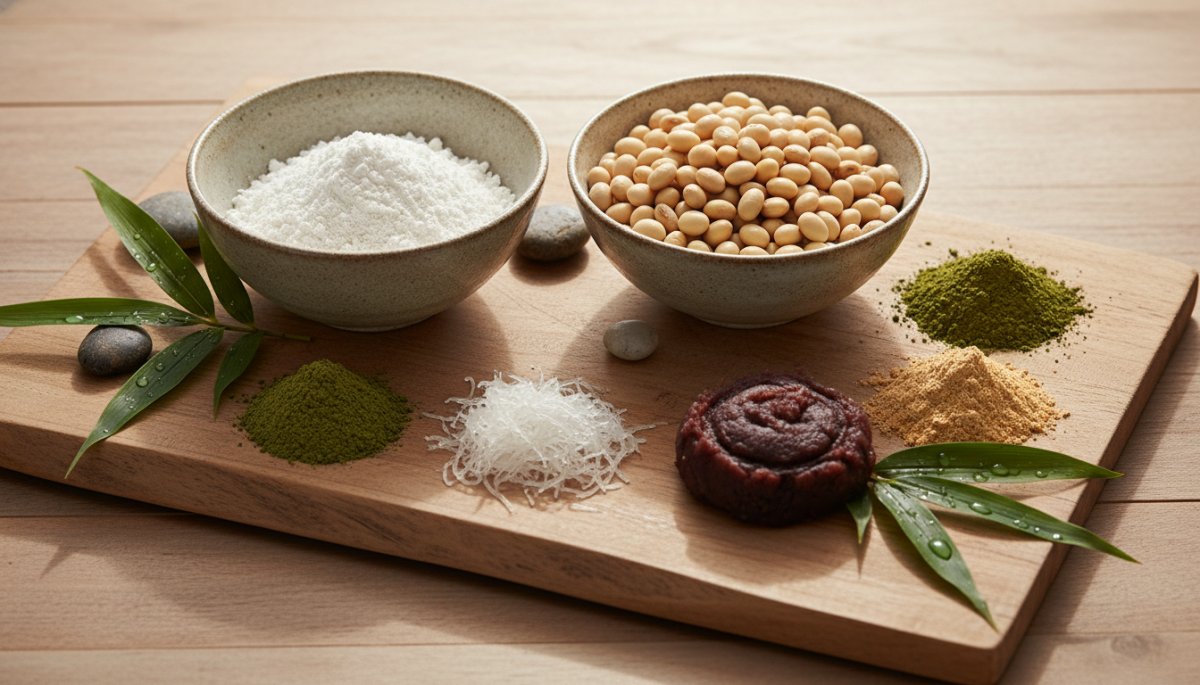
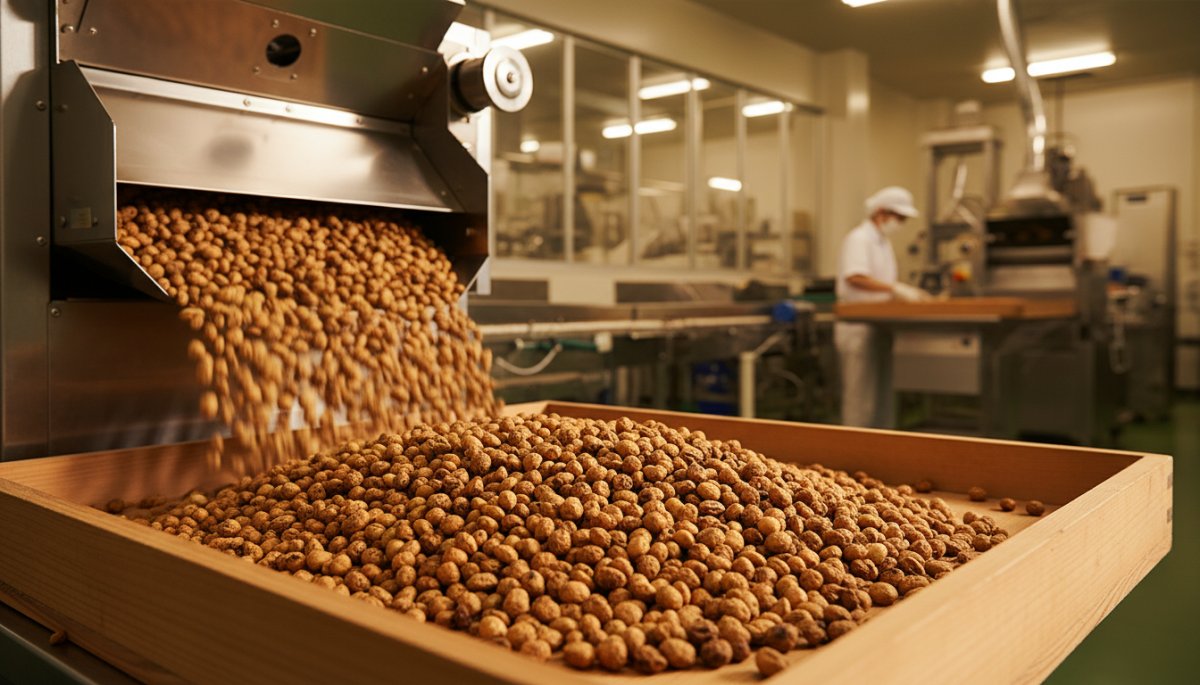
Shortening transport distances not only reduces energy consumption and CO₂ emissions but also revitalizes the local economy and promotes employment. In particular, using domestic soybeans is an important initiative that also helps address the national challenge of improving Japan's food self-sufficiency rate.
美濃与では伏見の自社工場で国産大豆を焙煎・製粉し、きな粉や大豆珈琲を製造しています。大豆以外の原料を持ち込まない大豆専用工場で製造しており、FSSC22000・ISO22000を取得した衛生管理体制のもとで原料を供給しています。
The Value Created by Collaboration with Local Agriculture
Utilizing off-grade products is an effective way to reduce food loss and support producers at the same time. Blemished items or produce that is too large to meet standards face the problem of being unshippable despite having no quality issues.
By using these as processed products, it becomes possible to increase producers' income and make effective use of resources. When a wholesaler plays the role of connecting farmers and confectionery shops, it enables local production for local consumption, and because the travel distance is short, it also leads to CO₂ reductions during the manufacturing process.
Ensuring Raw Material Traceability
Sustainable ingredient sourcing requires transparency about the place of origin.
フェアトレード商品や認証を得た原料を選択することで、生産者を大切にする姿勢を示すことができます。原料の調達元の産地情報や、第三者認証の有無を確認しておくと、取引先への説明がしやすくなります。
Concrete Measures to Reduce Food Loss
日本の食品ロスは、農林水産省・環境省の推計で年間400万トン台(2023年度推計で約464万トン)です。
この問題は温室効果ガス排出の大きな要因となっており、食品業界全体で削減に取り組む必要があります。和菓子製造でも、原料の無駄をどこで減らせるかを工程ごとに見直す必要があります。
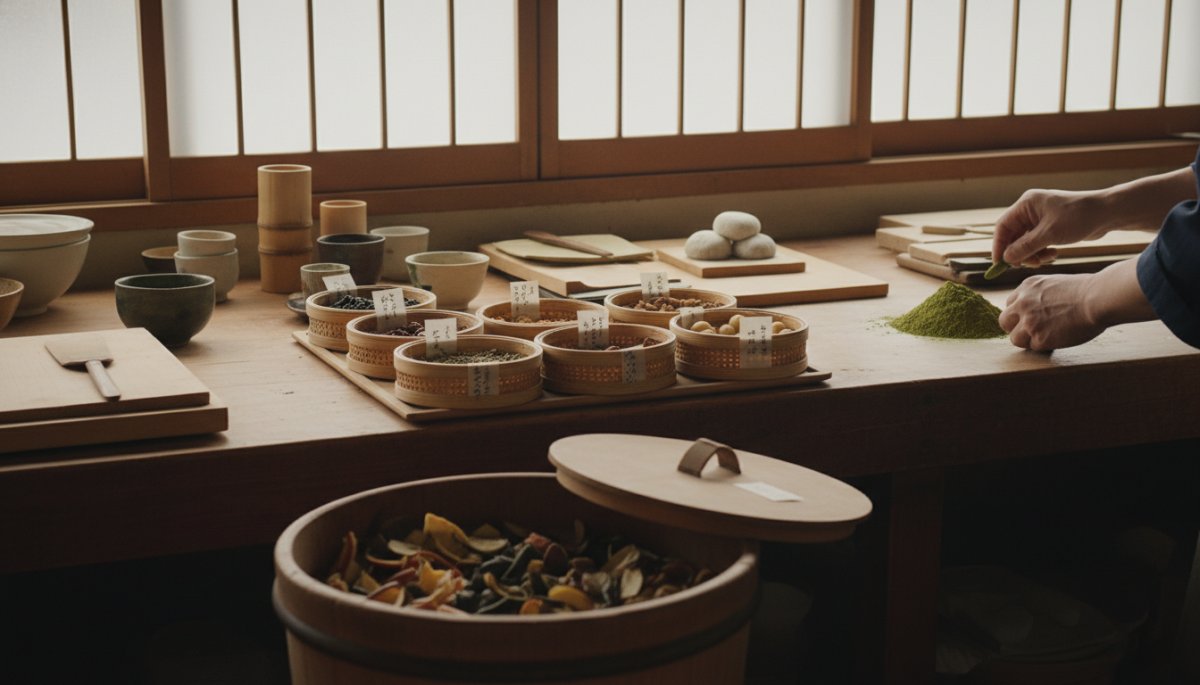
販売期限が近い商品の寄付と、廃棄分の堆肥化
Participating in food banks is an initiative that combines social contribution with resource circulation. By delivering products nearing their sell-by date and off-grade items to people in need, you can reduce food waste while contributing to the local community.
廃棄せざるを得なくなった商品のコンポスト化も効果的な方法です。有機物を堆肥として再利用することで、廃棄物を減らし、循環型社会の実現に寄与します。
Reducing Waste in the Manufacturing Process
生産ラインの最適化は、原料の無駄を最小限に抑える鍵となります。原料の投入から製品化までの動線を見直し、工程ごとの異物混入対策を取ることで、不良品の発生を抑えられます。
Thorough hygiene management prevents the occurrence of defective products, which in turn leads to reduced food loss.
Shifting to Environmentally Conscious Packaging
Plastic waste is a major cause of ocean pollution.
In the wagashi industry as well, reviewing packaging materials has become an urgent task. Rather than incinerating plastic containers together with other waste, initiatives are advancing to reuse them as solid fuel and to switch to recycled-material packaging.
Choosing Sustainable Packaging Materials
Paper packaging certified by the FSC is a choice that takes forest conservation into account. It allows you to maintain product quality while reducing environmental impact.
ペーパーレス化も取り組みやすい施策です。社内のSDGs通信を通じて情報を共有し、ゴミの分別やプラスチック削減に取り組むことで、企業全体の環境意識を高めることができます。

Introducing Recyclable Materials
倉庫などで出るプラスチックごみを固形燃料として再利用することは、資源循環の実践例です。廃棄物を燃料として使うことで、単純に焼却・埋立てしていた分を熱エネルギーとして回収できます。
Using renewable energy is another issue worth considering. To curb CO₂ emissions during the manufacturing process, the introduction of clean energy such as solar power is called for.
The Reliability That ISO Certification Brings
Establishing a quality management system is the foundation of sustainable management.
Minoyo's soybean roastery is certified to FSSC 22000 and ISO 22000, and we carry out in-house manufacturing with thorough hygiene management. These international certifications serve as important indicators of the reliability of a food safety management system.
The Benefits of Obtaining Certification
ISO認証は取引先からの信頼を高めるだけでなく、社内の品質意識向上にも貢献します。美濃与の伏見工場では、焙煎と製粉の工程で衛生管理を行っています。
伏見工場は大豆以外の原料を持ち込まない大豆専用工場です。
Continuous Improvement Activities
認証取得は目的ではなく、継続的な改善のスタート地点です。定期的な内部監査と外部監査で品質管理体制を見直し、最新の基準に合わせていきます。
Thorough employee education is also essential. Establishing an SDGs committee, studying the problems occurring around the world and how they relate to the company, and taking on what can be done, one step at a time—this attitude takes root as part of the corporate culture.
Preserving and Innovating Wagashi Culture
Continuing to innovate while protecting tradition is the mission of the wagashi industry.
Wagashi has a long history dating back to the Nara period and has developed alongside the tea ceremony. Sugar-based wagashi, once reserved for the upper classes, eventually spread to ordinary people and has become a food culture that expresses the Japanese sense of delicacy and sensitivity—an art Japan can be proud of on the world stage.
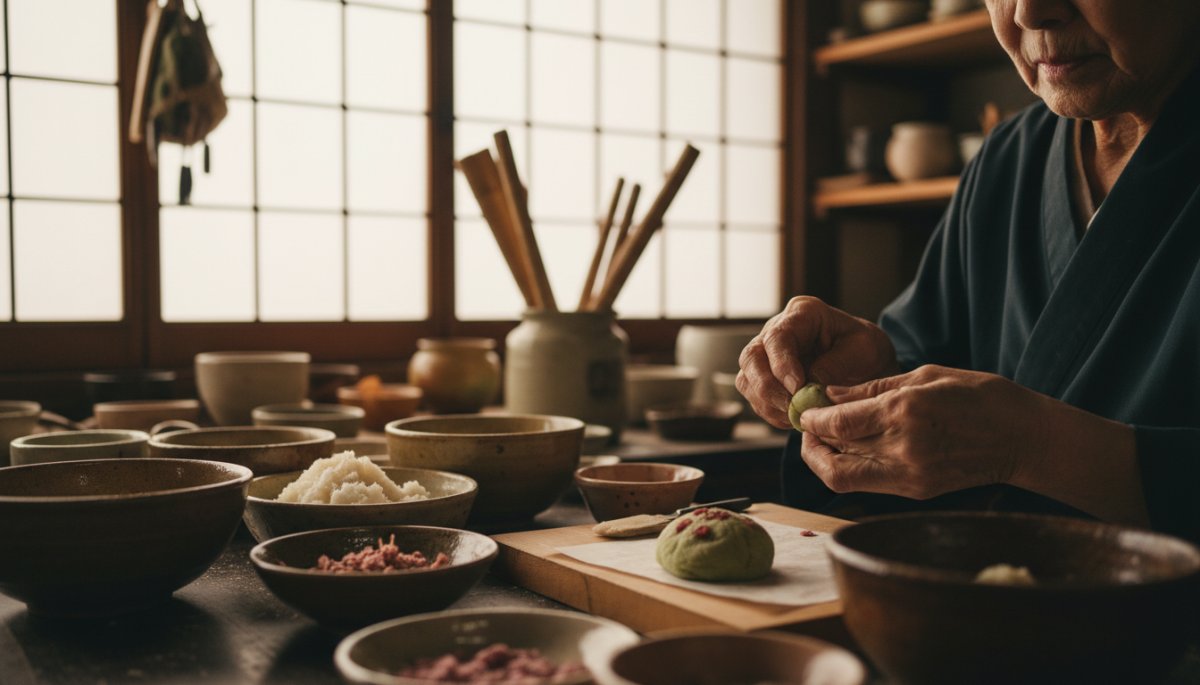
Passing Techniques on to the Next Generation
Developing talent through technical instruction supports the sustainability of wagashi culture. Technical guidance at local high schools and collaborations on product development help nurture the wagashi artisans of the future.
子供向けの食育ブランドを展開することも、次世代との接点づくりになります。子供たちの和菓子・あんこ離れは日本の伝統文化の衰退にもつながりかねません。和菓子に興味を持ってもらうため、食べやすい商品を開発することで、新しい世代との接点を作ることができます。
Blending with Local Culture
Nurturing the diverse characteristics rooted in local events and customs enriches the diversity of wagashi. As a multi-layered medium that reflects changes in historical background and geographical conditions, wagashi holds the potential to become a starting point for regional understanding and exchange.
地域の学校や団体との連携は、学習・体験・成果につながり、自主性・社会性を養う一助となります。
Toward Realizing Sustainable Confectionery Management
The SDGs are a challenge that small and medium-sized enterprises cannot avoid either.
地球温暖化や貧困、児童労働などの背景には、企業の経済活動がひもづいています。経済活動のあり方から見直さないと、問題はさらに大きくなります。それを避けるため、2030年までに掲げられた目標がSDGsです。
和菓子業界においても、原料調達からパッケージング、製造工程、廃棄物処理まで、すべての過程で環境負荷を抑え、社会的公正を担保しながら継続可能な仕組みを構築することが求められています。
美濃与は明治35年(1902年)創業の京菓子原材料専門商社として、業務用の原材料を取り扱っています。
Realizing sustainable wagashi manufacturing cannot be achieved by one company alone. Only when producers, wholesalers, manufacturers, and consumers work together as one can a truly circular society be realized. Achieving the SDGs through wagashi raw materials is an important step in passing Japan's traditional culture on to the next generation.
If you would like to achieve sustainable management starting from the sourcing of wagashi raw materials, please consultMinoyoにご相談ください。
📦 Related Minoyo Products
Please feel free to consult us about commercial procurement and sample requests
美濃与は京都に拠点を置く京菓子原材料の専門商社です。本記事で取り上げた原料の業務用調達や、お試しサンプル、ロット・規格のご相談など、和菓子製造の現場に寄り添った提案を行っています。
For Minoyo's business and strengths, please see Our Business & Why We Are Chosen . For the actual flow of doing business, see Ordering Process & How to Order; for questions, we have compiled them at Frequently Asked Questions . For individual consultations, please use Contact or material download to get in touch.