Column

Tips for Making Chewy Wagashi With Rice Flour: Techniques to Bring Out the Best Texture

March 10, 2026

Table of Contents

米粉で作るもちもち和菓子のコツ|食感を最大限に引き出す製法

The Appeal of Rice Flour Wagashi

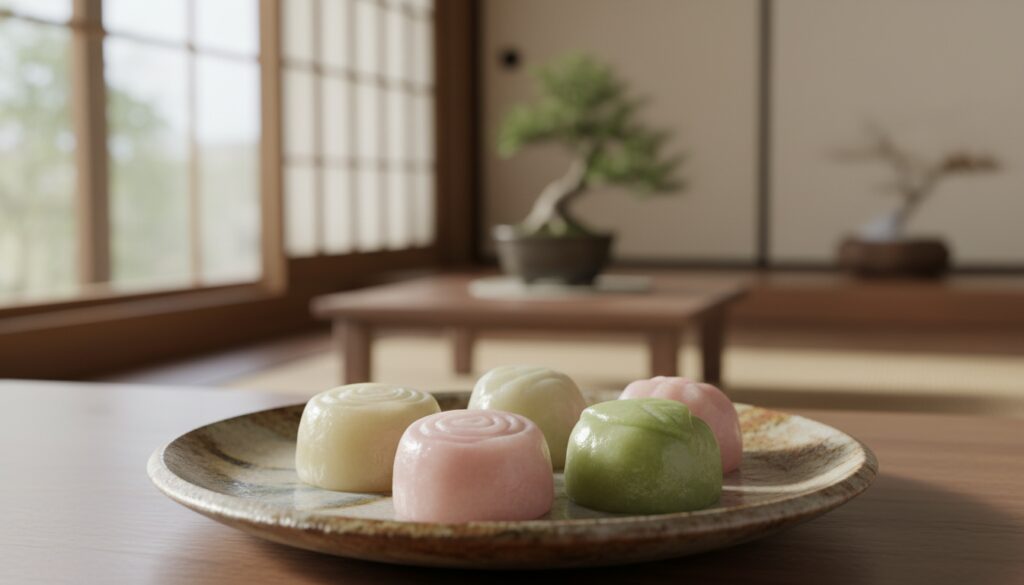
Wagashi made with rice flour is characterized by a distinctive chewy texture and a gentle sweetness.

In recent years, alongside rising demand for gluten-free products, wagashi made with rice flour have been drawing attention. Rice, the raw material, was introduced in the late Jomon period, and rice flour began to be used in earnest from the Edo period onward.

The greatest appeal of rice flour wagashi is the distinctive texture that wheat flour cannot produce. The springy elasticity and the sweetness of the rice itself that spreads the more you chew resonate deeply with the Japanese palate. Furthermore, because rice flour has fine particles, it saves the trouble of sifting, which is a welcome point.
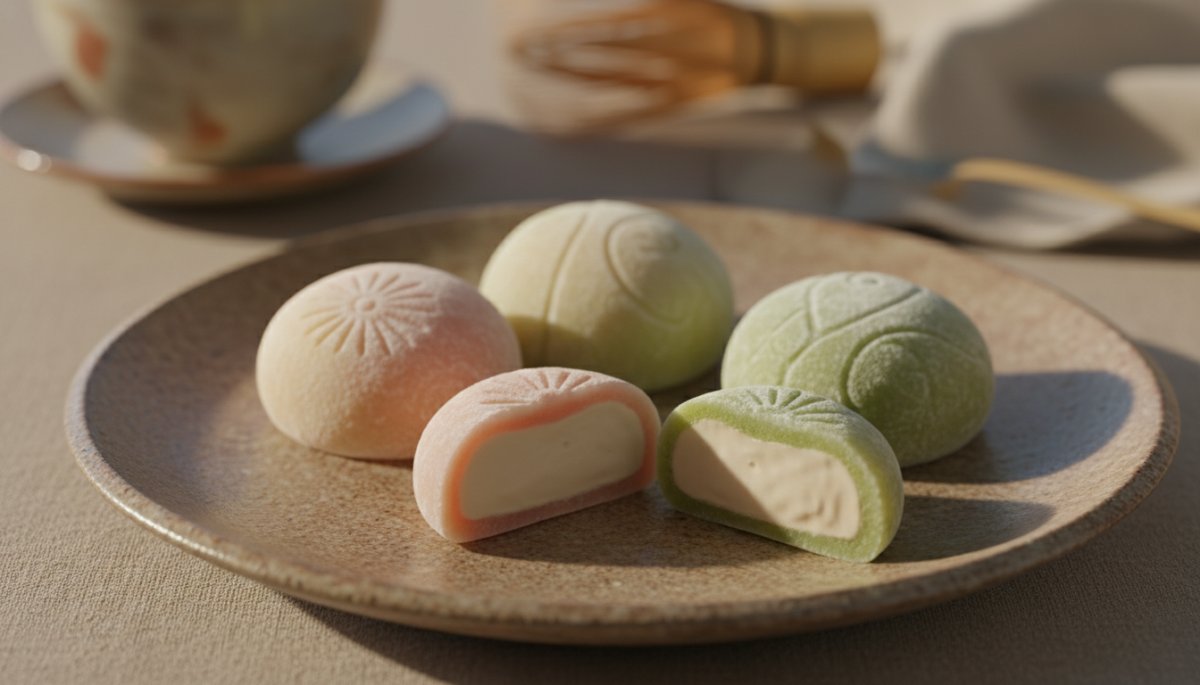
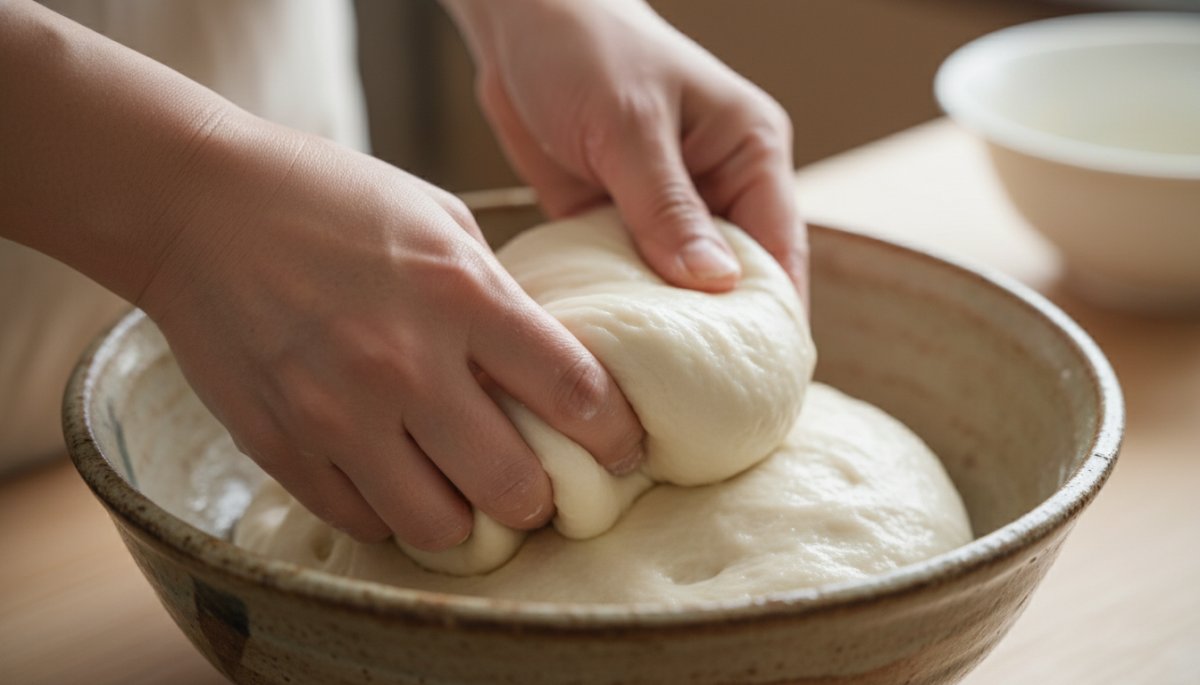
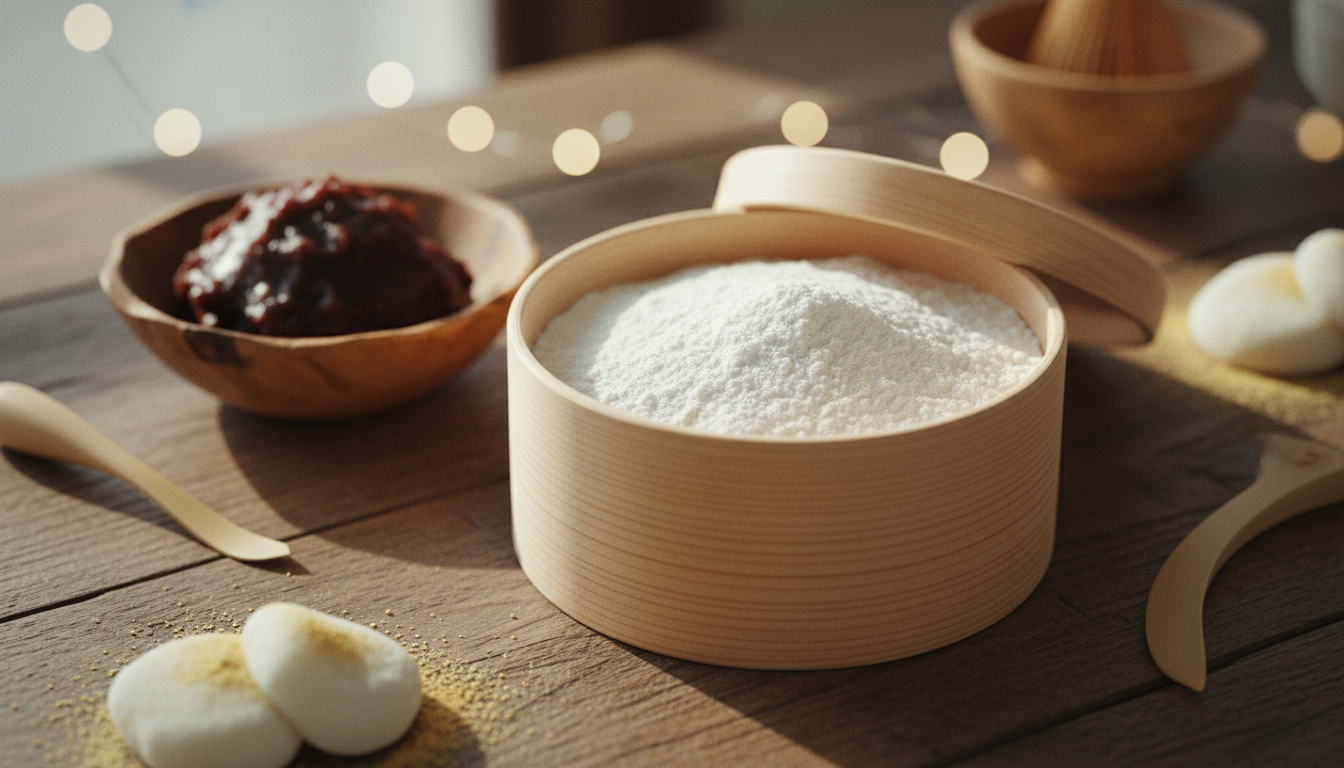
米粉和菓子の美しい断面ともちもち食感


Understanding the Types and Properties of Rice Flour

The rice flour used in wagashi making differs greatly depending on the raw material and production method.

Rice Flour Made from Non-Glutinous Rice

Wagashi made with rice flour from non-glutinous rice are characterized by little stretchiness and a clean bite. Joshin-ko (rice flour) is made by washing and drying non-glutinous rice and then finely milling it, and is used for dango, kusa-mochi, kashiwa-mochi, and other items where the flavor and chewiness of the rice are desired.

Jouyo-ko (yam flour) has finer particles than joshin-ko and is used as a material for jouyo-manju and uiro. The fineness of the particles produces a smooth texture.

Rice Flour Made from Glutinous Rice

Wagashi made with rice flour from glutinous rice are characterized by strong body (koshi) and good stretchiness.

Shiratama-ko (glutinous rice flour) is made by washing glutinous rice, wet-milling it, rinsing it in water, and then drying the sediment. It has a smooth, glossy texture and good stretch, and is used for shiratama dango, sakura-mochi, and more. Domyoji-ko is made by steaming glutinous rice, then drying and grinding it, and has a smooth, distinctively chewy texture.

Dango-ko is a rice flour that uses both non-glutinous and glutinous rice, and like shiratama-ko, you can easily make dango simply by kneading the dough with added water and boiling it in hot water. It results in a firmer texture than mochi-ko or shiratama-ko.
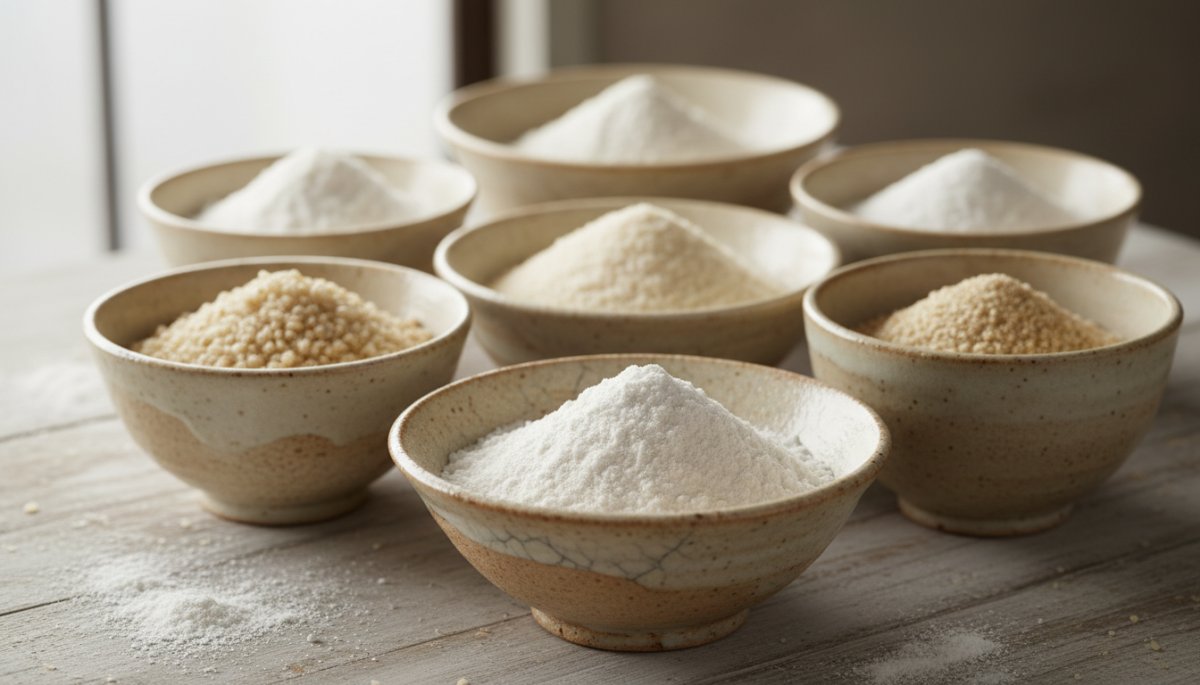
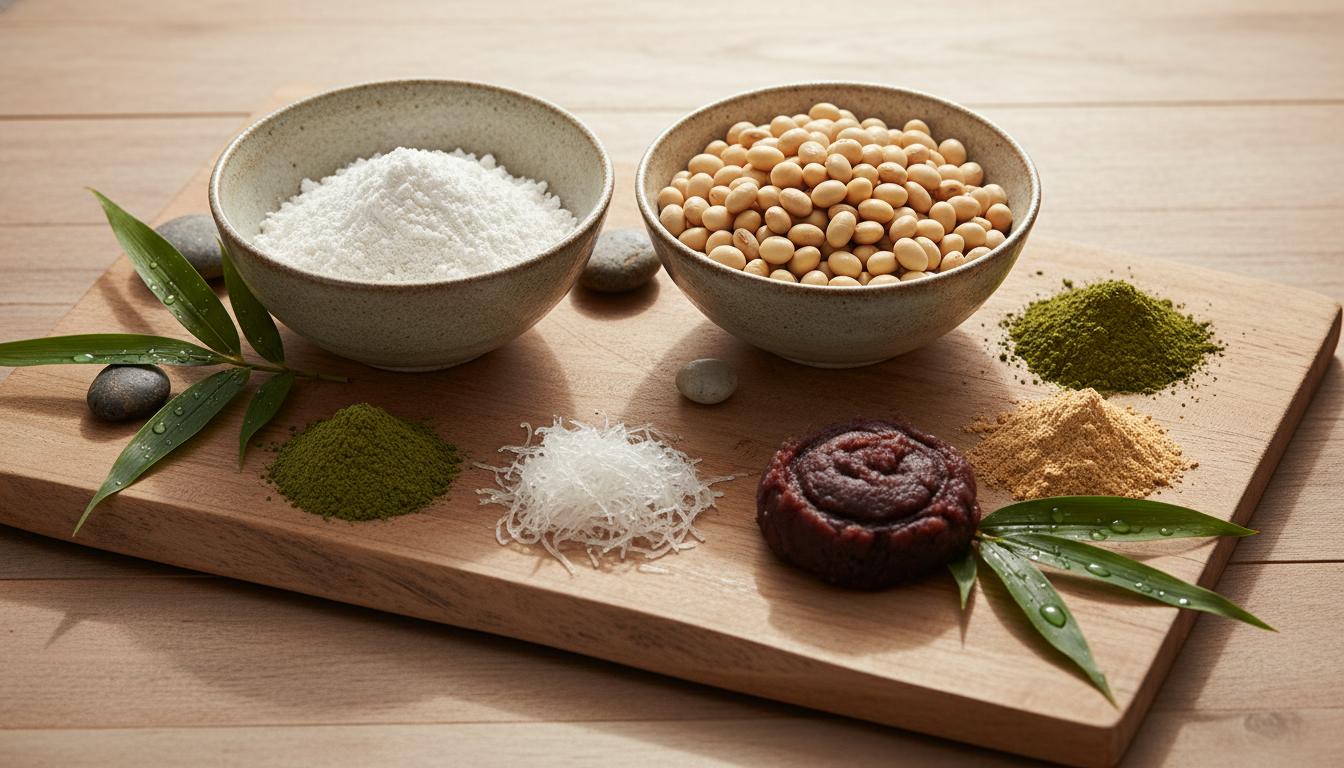
米粉の種類別比較と特性


The Water-Blend Ratio That Brings Out a Chewy Texture

The single most important factor governing the texture of rice flour wagashi is the water-blend ratio.

For mitarashi dango made with rice flour, adding 200ml of water to 50g of rice flour achieves a springy texture. This ratio may require fine adjustment depending on the type of rice flour and the manufacturer.

How to Judge the State of the Dough

Whether the moisture amount is right is confirmed by touching it with your finger. Ideally it does not stick to your finger. If it sticks to your finger quite a bit, add cake flour 10g at a time. Conversely, if you feel the moisture is insufficient, add water 1/2 tablespoon at a time.

It is also important not to over-knead the dough. Over-kneading loses the very characteristics of the rice flour and results in a hard finish. By limiting yourself to just lightly mixing it together, a fluffy texture is preserved.

How to Make It Easily with Microwave Heating

Rice flour warabi mochi can be made easily in the microwave. Mix 50g of rice flour, 200ml of water, and 2 tablespoons of raw cane sugar, cover with plastic wrap, and heat in the microwave at 600W for 2 minutes. Take it out once, mix well, cover again with plastic wrap, and heat in the microwave at 600W for 2 more minutes, and translucency and gloss will appear. Mix well until smooth, spread it in a tray, and chill in the refrigerator to complete.

米粉生地の理想的な水分配合状態


The Secrets of Steaming Time and Temperature Control

Steam-heating is a crucial step that determines the texture of rice flour wagashi.

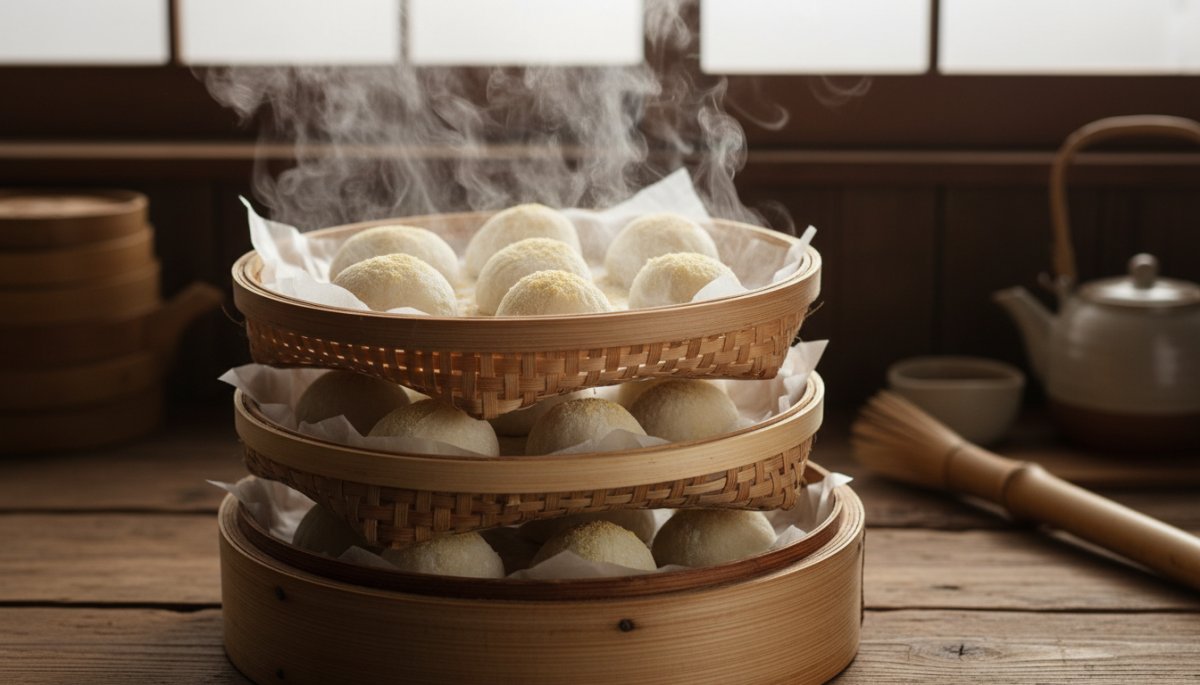
When making kokuto-manju (brown sugar buns), you can steam them easily using a frying pan and a 100-yen-shop steamer. The steaming time needs to be adjusted according to the size of the dough, but generally about 10 to 15 minutes over medium heat is a good guide.

Temperature Control in Steam-Heating

It is important to always keep the steamer temperature constant. If the heat is too strong, only the surface sets and the inside does not cook through. Conversely, if the heat is too weak, the dough becomes sticky and the chewiness is lost.

The timing of opening the steamer lid is also important. Opening the lid partway through steaming causes the temperature to drop sharply and the dough to deflate. Endure and refrain from opening the lid until the steaming time is over.
Tips for Making Rice Flour Bread in a Frying Pan

When making rice flour bread in a frying pan, you can achieve a crisp surface and a very chewy interior. Just mix rice flour, baking powder, sugar, salt, yogurt, milk, and vegetable oil, and cook both sides in the frying pan. Since no fermentation time is needed, being able to do it quickly is a welcome point.

蒸し器で蒸される米粉和菓子


Recipe Development Using Minoyo's High-Quality Rice Flour

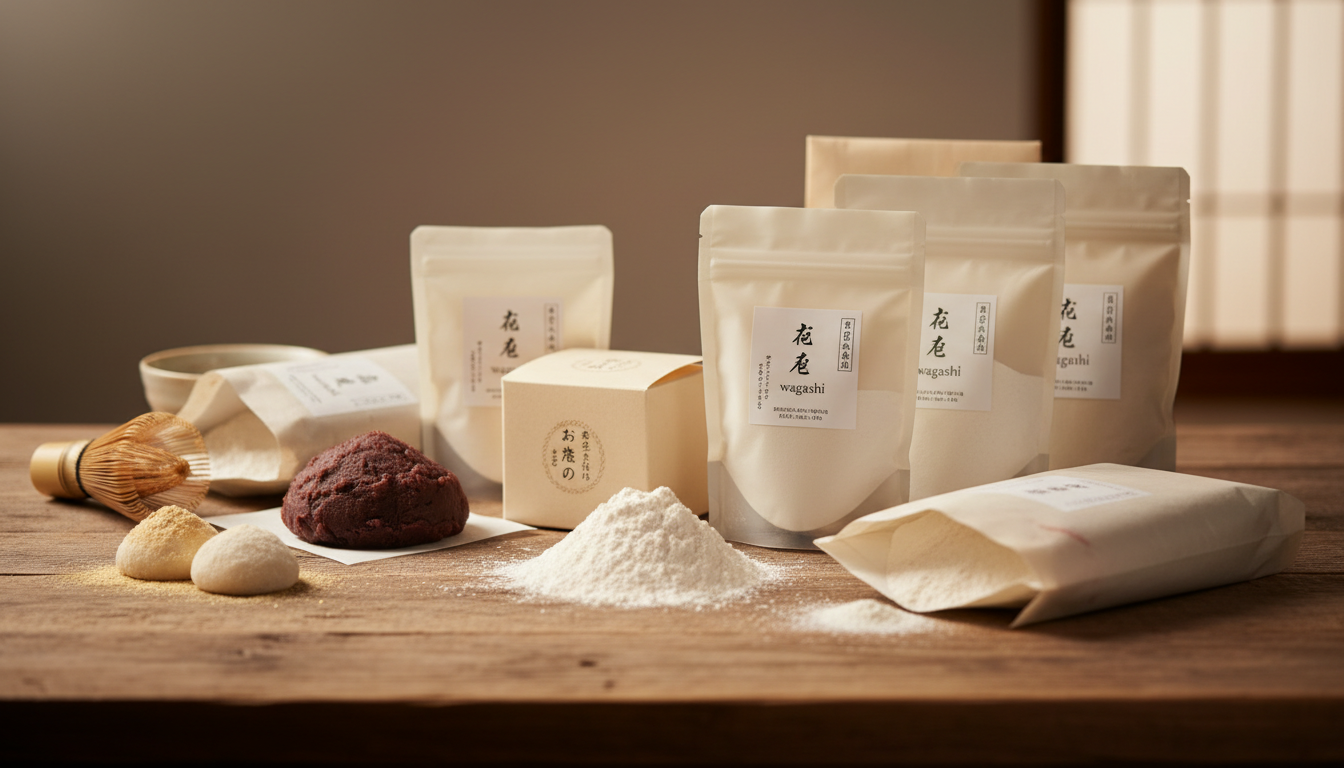
With a 120-year history since its founding, Minoyo is a company specializing in wagashi raw materials that provides high-quality rice flour.

The rice flour that Minoyo handles continues to be chosen by many professionals thanks to consultative sales that leverage the track record built in Kyoto and connections with wagashi shops nationwide. Its strength lies in supplying rice flour of consistent quality through a safe, high-quality, integrated system in its own factory.

A Quality Control System That Professionals Recognize

Minoyo's soybean roastery has obtained FSSC 22000 and ISO 22000 certification and carries out thorough hygiene management. Being a soybean-dedicated factory, the absence of contamination is also a major feature. As a measure against foreign matter contamination, the production line is designed to minimize human intervention, and by separating the roasting, filling, and packaging work rooms, safety is ensured.

Meeting Gluten-Free Demand

In recent years, demand for gluten-free foods has been rising. Wagashi made with rice flour are drawing attention as an option that even people with wheat allergies can enjoy with peace of mind. Minoyo's rice flour has the optimal particle size and quality for confectionery use, broadening the scope of recipe development.

With a product lineup and stable supply that meets the needs of nationwide manufacturers, it can accommodate large-scale production as well. The track record of continued adoption by long-established Kyoto wagashi shops speaks to its high quality.

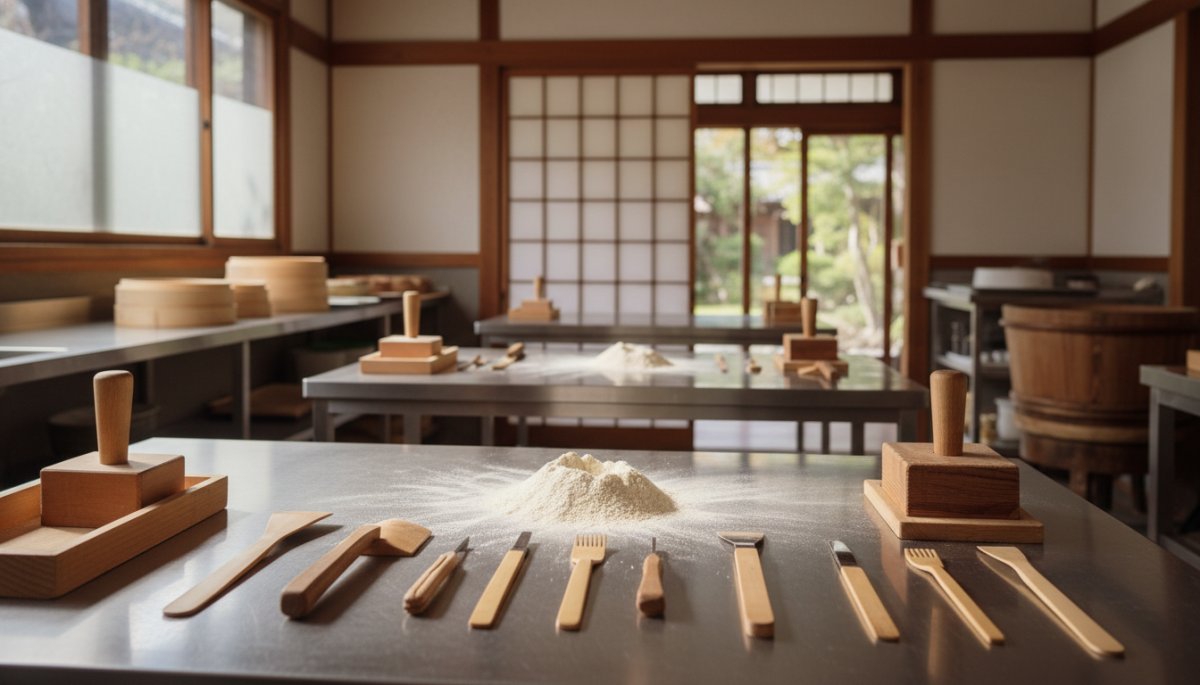
美濃与の米粉を使った和菓子製造風景


Summary: Expanding the Possibilities of Rice Flour Wagashi

Making wagashi with rice flour is something anyone can take on, given the right knowledge and technique.

By understanding the properties of each type of rice flour, appropriately adjusting the water-blend ratio, and mastering the points of steaming time and temperature control, you can make chewy-textured wagashi. Rice flour wagashi, which can also meet gluten-free demand, will likely draw even more attention going forward.

By collaborating with a reliable raw material manufacturer like Minoyo, the scope of recipe development broadens, and you can offer higher-quality wagashi. Please explore the possibilities of new wagashi that fuse traditional wagashi techniques with modern needs.

For those who want to learn more about wagashi raw materials and rice flour,Minoyoplease visit the official website. With a 120-year history and trust since its founding, a track record of continued adoption by long-established Kyoto wagashi shops, and a safe, high-quality, integrated system in its own factory, we support your wagashi making.

Please feel free to consult us about commercial procurement and sample requests

Minoyo is a specialty store for Kyoto confectionery raw materials based in Kyoto. For the raw materials covered in this article, we offer proposals close to the realities of wagashi production, including commercial procurement, trial samples, and consultation on lots and specifications.

For Minoyo's business and strengths, please see Our Business & Why We Are Chosen . For the actual flow of doing business, see Ordering Process & How to Order; for questions, we have compiled them at Frequently Asked Questions . For individual consultations, please use Contact or material download to get in touch.
Related Articles

Latest Articles

Categories

Tags

Request Materials & Contact​

Please feel free to reach out with any questions about raw materials or products, or to request materials.
Our dedicated staff will respond with care.