
The Charm of Wagashi That Adorn the Peach Festival
March 3rd, the Peach Festival (Momo no Sekku).
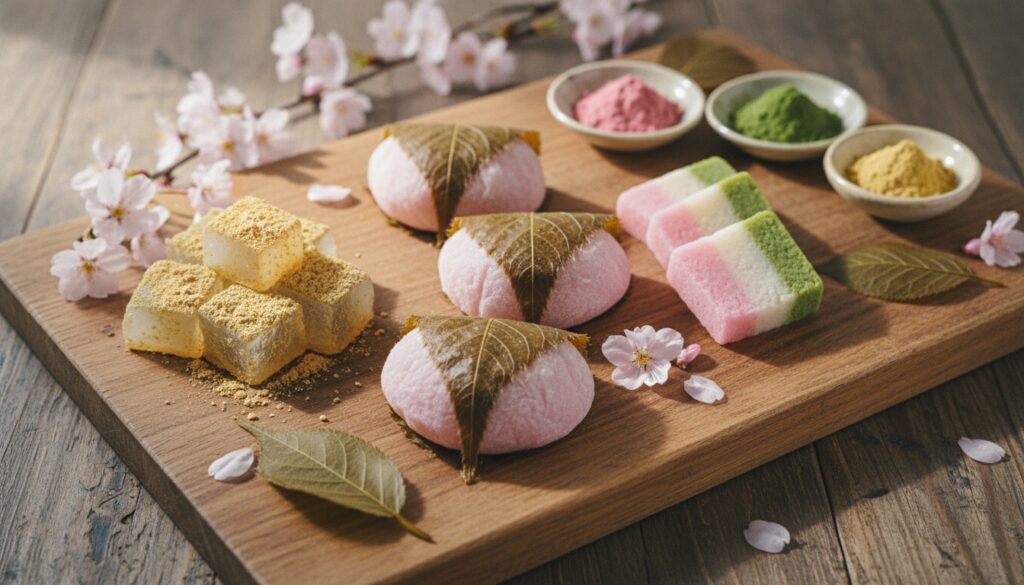
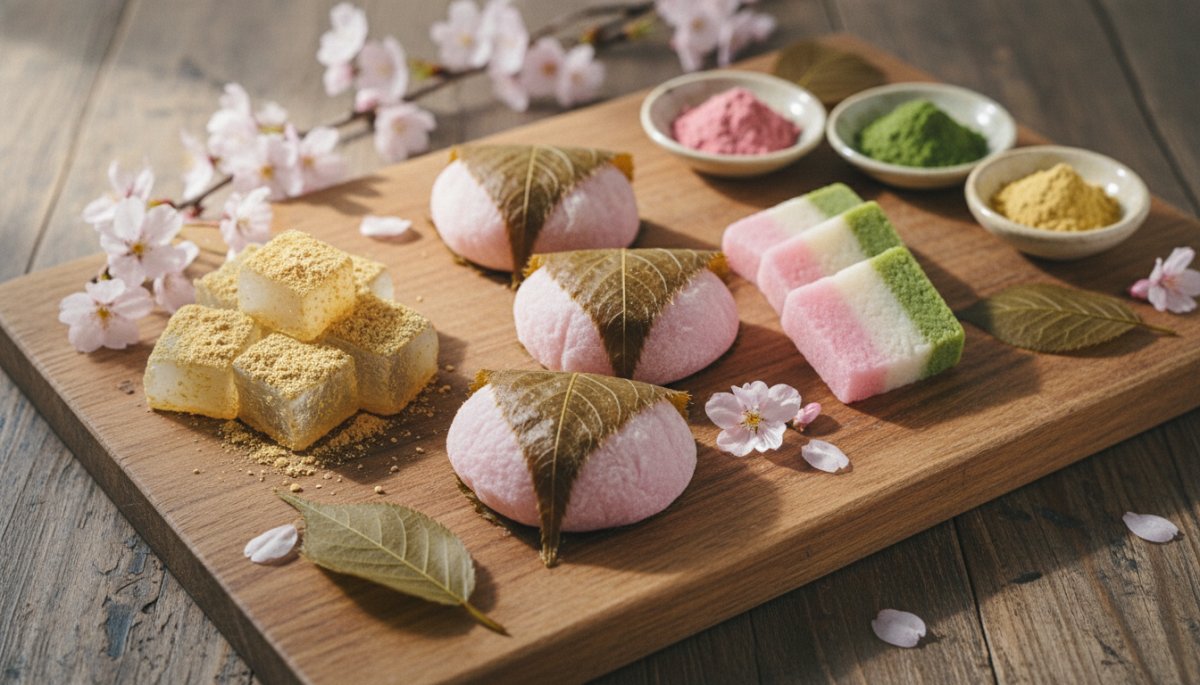
On this day, which wishes for the healthy growth of girls, gorgeous wagashi are essential. The three colors of hishi mochi, the pale peach of sakura mochi, the gentle sweetness of shirozake—these wagashi make the Hinamatsuri table special not only through visual beauty but also through flavors and fragrances that herald the arrival of spring.
桃の節句の和菓子は、彩りと風味の両方が問われます。伝統的な色合いを再現しながら、素材本来の味わいを活かす。そのためには、原料選びが何よりも重要になります。
See Minoyo's Product List Here
How to Choose the Cherry Leaves Essential to Sakura Mochi
Sakura mochi is a classic wagashi of the Peach Festival.
関東風の長命寺と関西風の道明寺、どちらにも共通して必要なのが桜の葉。桜青葉は50枚×100束の規格で提供されており、鮮やかな緑色と強い香りが特徴です。使用前には必ず塩抜きを行いましょう。塩抜きの時間は葉の状態と菓子の塩味の狙いで決め、工程書に残してください。
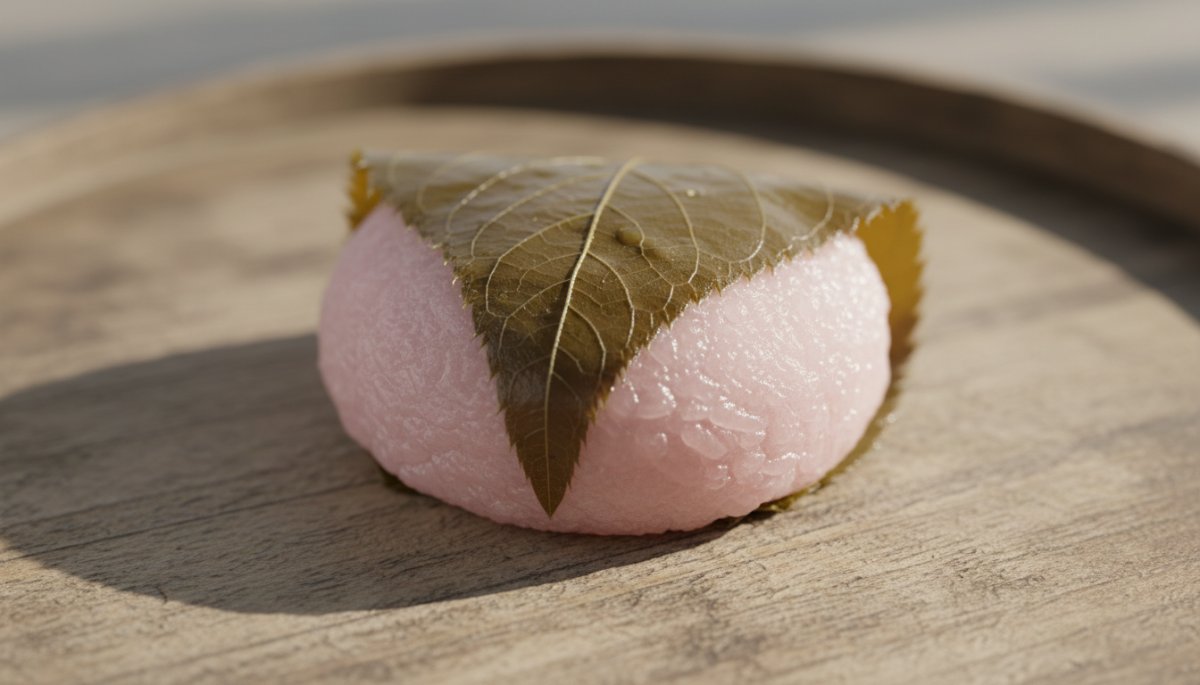
Cherry tea leaves are also prepared in the same spec and are suitable when you want a deeper flavor. Salt-pickled cherry blossoms come in a spec of 1kg × 10; after desalting them in water, they are used as decorations for sakura mochi and spring fresh confections. The way the petals open is beautiful, adding visual splendor.
桜餅用の道明寺粉
関西風の桜餅には道明寺粉が必須です。粒の大きさによって食感が変わるため、用途に応じて選びましょう。美濃与では丸粒道明寺・中荒道明寺〈3ツ割〉・細道明寺〈5ツ割〉・頭道明寺〈8ツ割〉を扱っています。
Colorants That Achieve the Three Colors of Hishimochi
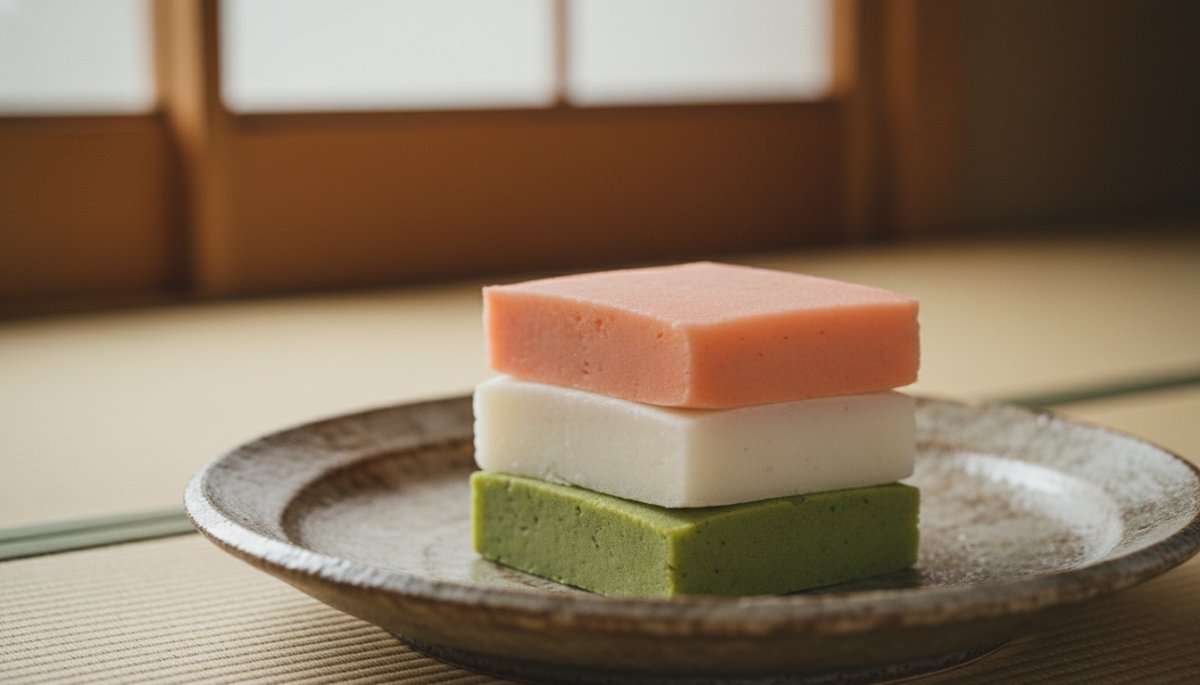
The three colors of hishimochi have meaning.
桃は桃の花、白は雪、緑は若葉を表現し、春の情景を想起させます。この色合いを出すには着色料を使います。煉本紅(練紅)は150g・600gの規格で提供されており、菱餅の桃色層に使用します。少量でも鮮やかな桃色が出せるため、色の濃淡を調整しやすいのが特徴です。
緑色には煉青色(練草)や特製草青色(草色)を使用します。着色料の原材料と表示名は製品ごとに異なるため、規格書でご確認ください。白色層は着色せず、餅生地の白をそのまま生かします。
Using Liquid Types and Powder Types Appropriately
Colorants come in kneaded types and powder types. Liquid pink (neri hanabeni) comes in a 200g spec, mixes easily into high-moisture dough, and achieves a uniform color. On the other hand, powder types such as Red No. 3 (honbeni) and cherry-blossom red (hanabeni) come in specs of 50g and 500g and can be used while adjusting little by little, making them suitable for fine-tuning subtle shades.
Choosing Raw Materials to Create Shirozake Flavor
Shirozake is a traditional beverage of the Peach Festival.
和菓子に白酒風味を取り入れる場合、米由来の甘みと風味が重要になります。米の風味を土台にするなら、上新粉(上米の粉・特選米の粉 22kgなど)が候補になります。
Habutae Mochi for a Chewy Texture
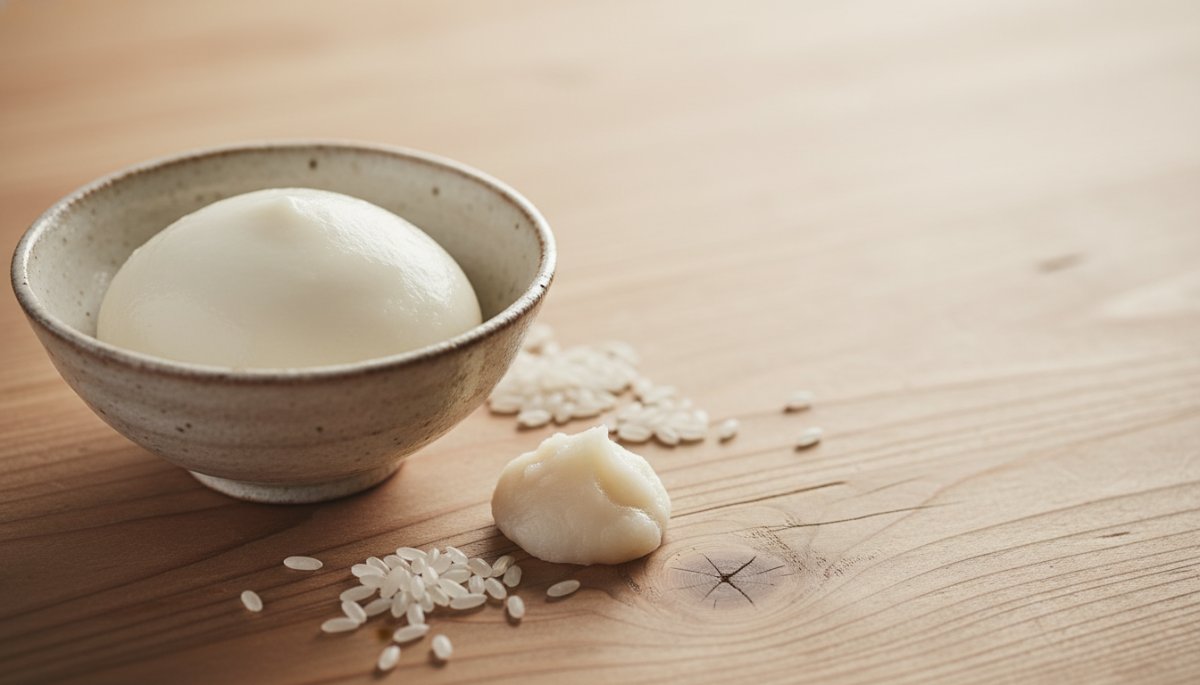
白酒風味の和菓子にもちもちとした食感を加えるなら、羽二重餅が適しています。美濃与では羽二重餅を2.2kg×6の規格で扱っています。
Ways to Use Fruits to Add Color
Seasonal fruits add color to Peach Festival wagashi.
柚子スライスは要冷蔵・11kgの規格です。原料原産地と製法は規格書で確認してください。柚子の爽やかな香りと程よい酸味が特徴で、羊羹や生菓子のトッピングに最適です。春らしい黄色が、桃の節句の和菓子に明るさを添えます。
柿ジャム(要冷蔵)は9Lの規格で、完熟した柿を煮詰めたジャムです。柿特有の甘みとまろやかな風味が特徴で、餡に混ぜ込むことで独特の風味を加えられます。チェリー蜜漬も和菓子のアクセントとして使用でき、鮮やかな赤色が華やかさを演出します。
Bring Spring Fragrance with Processed Plum Products
梅甘露煮は、9Lサイズの大粒の梅を煮込んだ甘露煮です。梅本来の酸味と甘みのバランスが絶妙で、和菓子のアクセントとして使用されます。紀州練梅(赤)三角袋は500gの規格で、鮮やかな赤色が桃の節句の和菓子に春らしい彩りを添えます。
Starches for Translucent Chilled Confections
Cool chilled confections are also popular among spring wagashi.
美濃与ではGenuine warabi starchを10kgの規格で扱っています。わらび餅の透明感と弾力を出したいときの原料です。本葛は5kg×4の規格で、透明感のある美しい仕上がりとなめらかで上品な食感が特徴です。
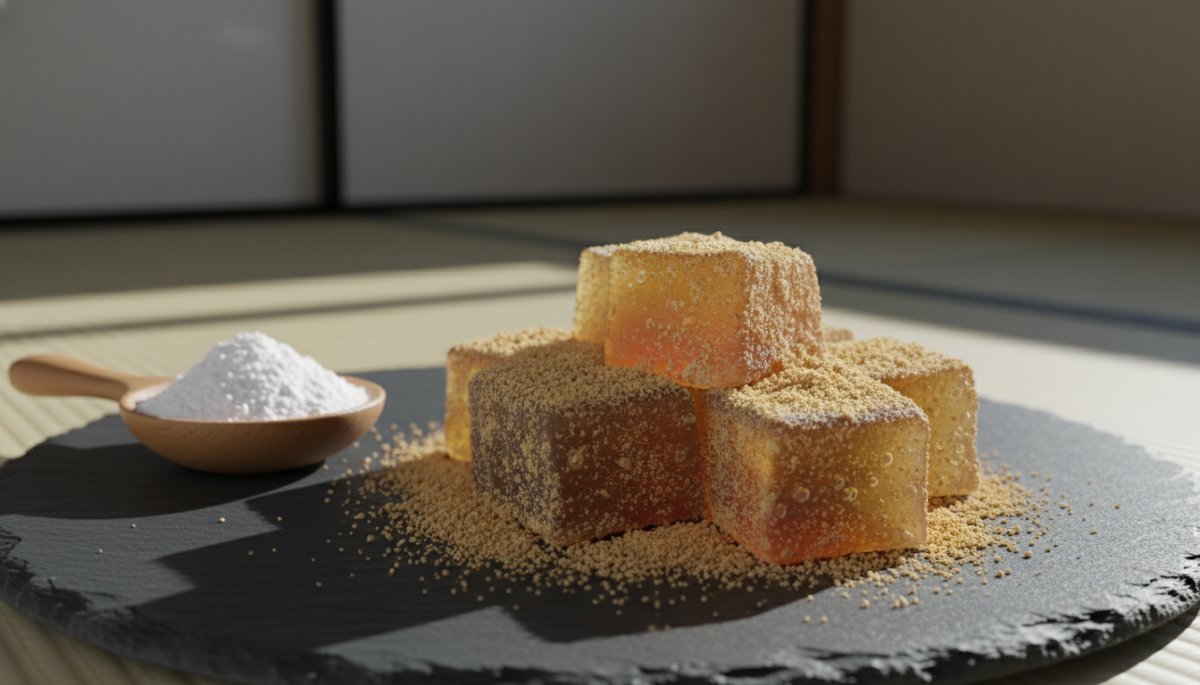
Wheat starch (ukiko) orpotato starch(片栗粉)は25kgの規格で提供されており、透明感のある和菓子作りに幅広く使用できます。コーンスターチも25kgの規格で扱っています。これらの澱粉は、食感と透明度の狙いで使い分けます。
Simplify with the Original "Tomo" Series
As original products that simplify wagashi production, the "Tomo" Series is available. Warabi-gashi no Tomo, Kuzu-gashi no Tomo, Mizu-manju no Tomo, and others come in 1kg or 10kg specs, balancing ease of use with quality. Using these makes it possible to efficiently produce wagashi of consistent quality.
Summary: To Succeed in Making Peach Festival Wagashi
Making Peach Festival wagashi begins with choosing the raw materials.
桜餅には桜青葉や桜の花塩漬を使います。菱餅の色は使用する着色料の原材料と表示名を確認し、米粉を使う菓子には用途に合う上新粉を選びます。それぞれの和菓子に最適な原料を選ぶことで、伝統的な味わいと美しい彩りを実現できます。季節の果実や透明感のある澱粉類を組み合わせることで、春らしい華やかな和菓子が完成します。
原料の品質が和菓子の仕上がりを左右します。桜葉、道明寺、着色料。これらの原料を適切に選び、丁寧に扱うことで、桃の節句にふさわしい和菓子を作ることができるでしょう。
See Minoyo's Product List Here
📦 Related Minoyo Products
Please feel free to consult us about commercial procurement and sample requests
美濃与は京都に拠点を置く京菓子原材料の専門商社です。本記事で取り上げた原料の業務用調達や、お試しサンプル、ロット・規格のご相談など、和菓子製造の現場に寄り添った提案を行っています。
For Minoyo's business and strengths, please see Our Business & Why We Are Chosen . For the actual flow of doing business, see Ordering Process & How to Order; for questions, we have compiled them at Frequently Asked Questions . For individual consultations, please use Contact or material download to get in touch.


