What Is the "Bundle Unit" for Wagashi Raw Materials?
和菓子作りに欠かせない柏葉や笹などの葉物原料。これらは「束」という独特の単位で取引されます。束単位とは、一定枚数の葉をまとめた販売規格のこと。例えば乾燥柏葉なら100枚×40束、青森の笹なら50枚×100束といった形で流通しています。
This format is optimized for commercial use, providing a system that lets wagashi shops efficiently source the quantities they need. Understanding the bundle unit enables waste-free ordering and appropriate inventory management.
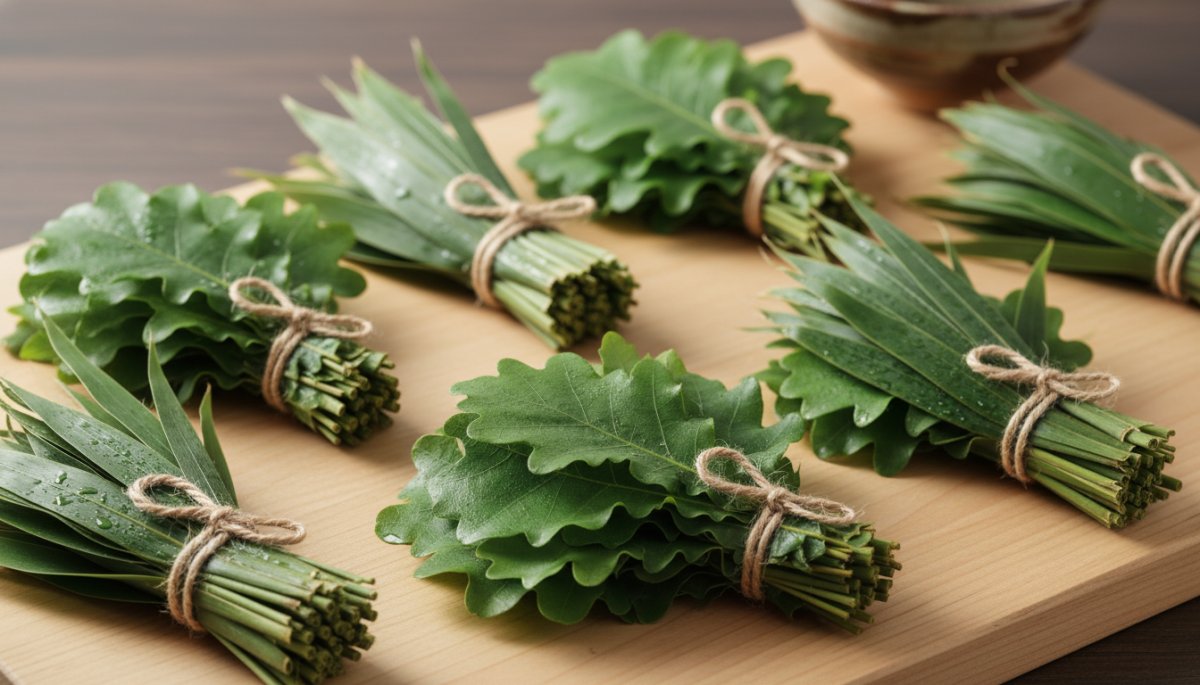
Trading by the bundle is a traditional business custom in the wagashi industry. It requires ordering exactly the quantities needed in line with the production periods for seasonal products such as kashiwa mochi and sasa mochi.
The Specifications of Oak Leaves and the Number of Leaves per Bundle
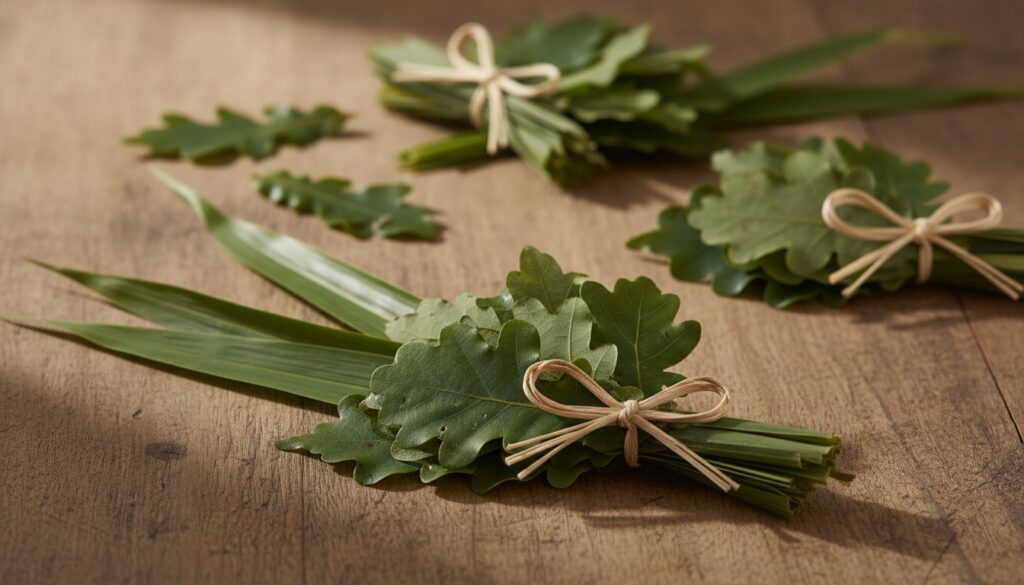
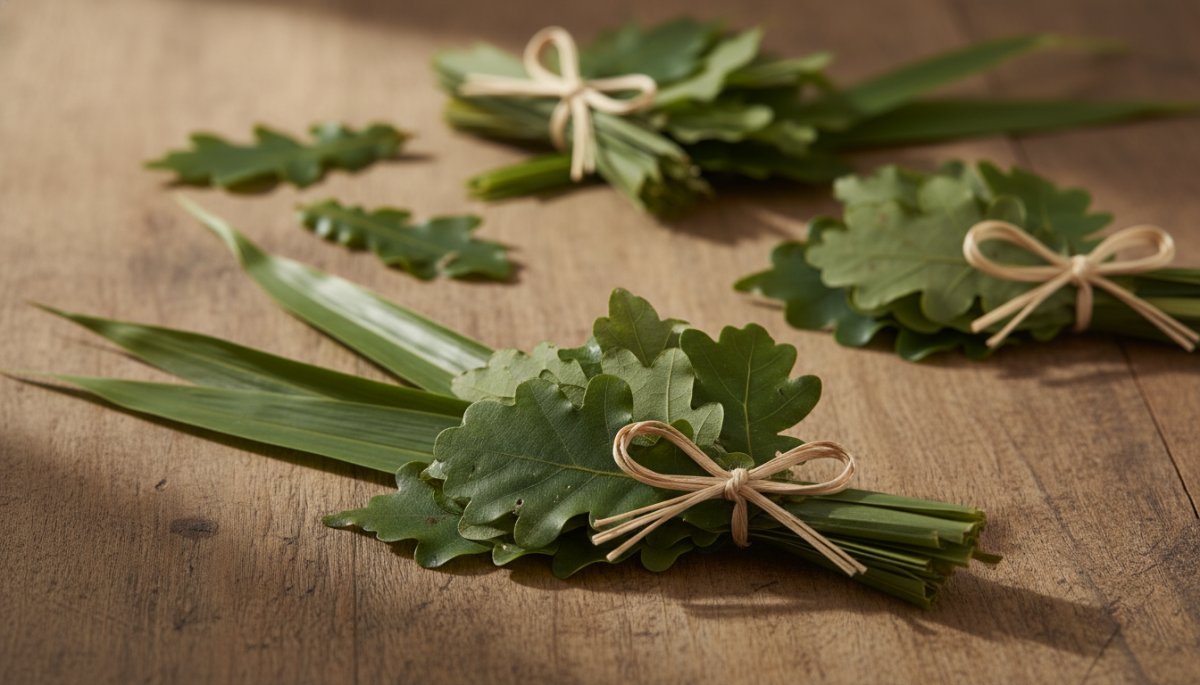
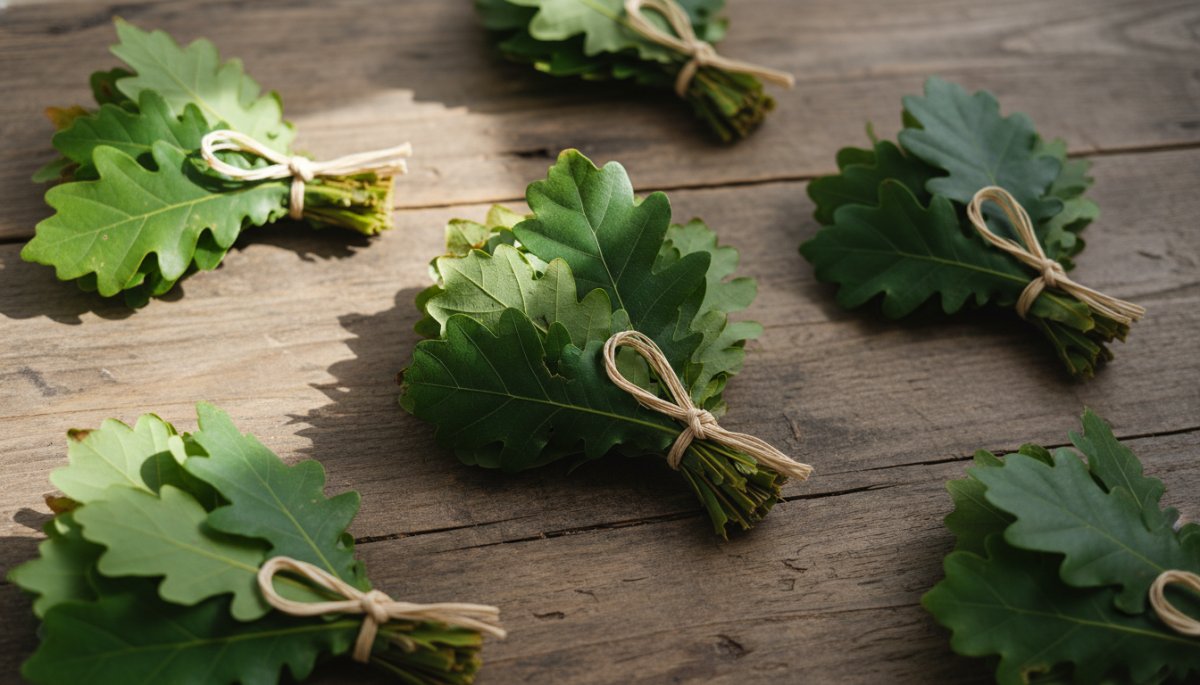
Oak leaves (kashiwa leaves) are an essential raw material for kashiwa mochi at the Boys' Festival (Tango no Sekku). The main specifications are as follows.
Dried Oak Leaf Specifications
Dried oak leaves are sold in a format of 100 leaves × 40 bundles. Rehydrating them in water before use revives the fresh aroma of oak. They can be stored for a long time, making them suited to planned purchasing.
乾燥タイプは保存がきき、使う分だけ水で戻して使えます。
Premium Fresh Oak Leaf Specifications
特選柏青葉は緑色の柏の葉で、規格は500枚×8パックです。
Sterilized Boiled Oak (Salt-Cured Leaf) Specifications
殺菌煮柏は、殺菌処理済みの柏の葉の塩漬け品で、500枚×8パックで提供されます。
The Specifications of Bamboo Leaf (Sasa) and Points to Note When Ordering
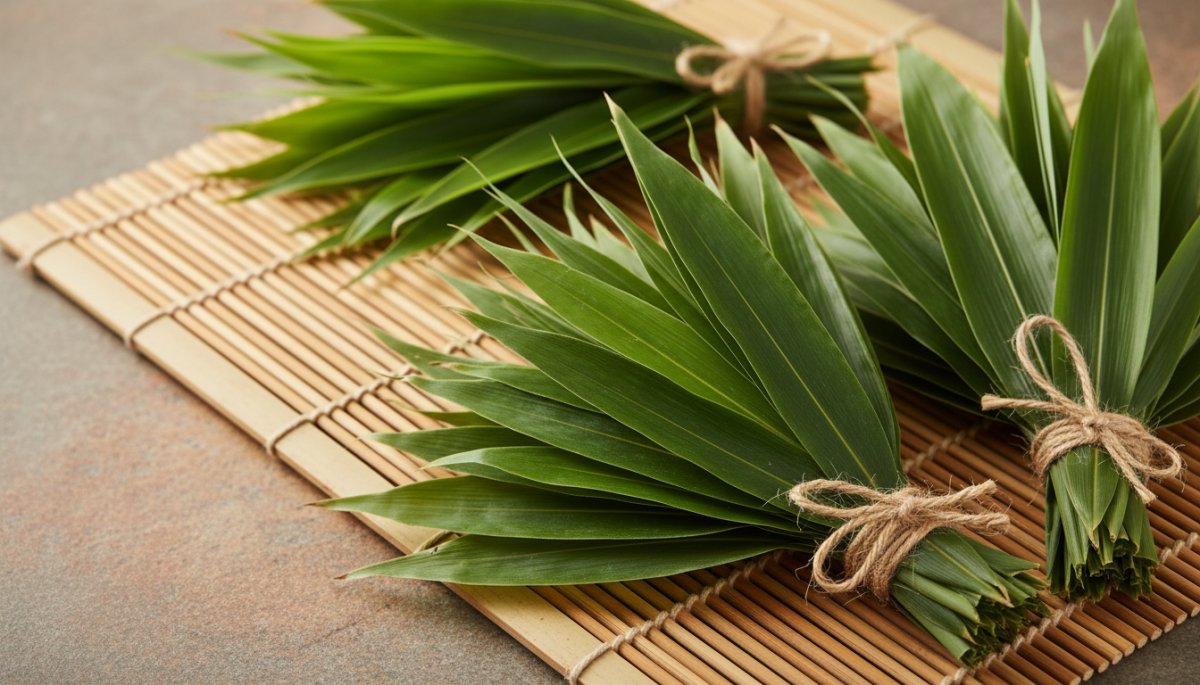
笹は笹だんごや笹餅を包むのに使われます。美濃与では青森の笹と笹グリーンパックを扱っています。
The Basic Specifications of Aomori Sasa
Aomori sasais sold in a format of 50 leaves × 100 bundles. The refreshing aroma unique to sasa transfers to the wagashi, giving a rich, flavorful finish. This format is a commercial size suited to mass production.
笹は季節性が強い原料のため、発注のタイミングに注意します。需要が集中する時期には早めの予約が必要になります。
The Characteristics of the Sasa Green Pack
The Sasa Green Pack is provided in a format of 300 leaves × 10 packs. Thanks to the pack packaging, freshness is maintained and it is easy to handle. It can be said to be a format suited to use by medium-sized shops.
発注時に確認すること
When ordering sasa, it is essential to accurately grasp the period of use and the number of leaves needed. Since purchasing is by the bundle, aim for planned ordering so that no odd remainders are left over.
Also, freshness is everything for sasa. Considering the delivery schedule and adjusting so that it arrives just before use is the key to maintaining quality.
束単位で仕入れた葉物の保存と在庫管理
束単位で仕入れた葉物原料は、乾燥・生葉・塩漬けなど葉の状態に合った方法で保存します。
Storage Method for Dried Leaves
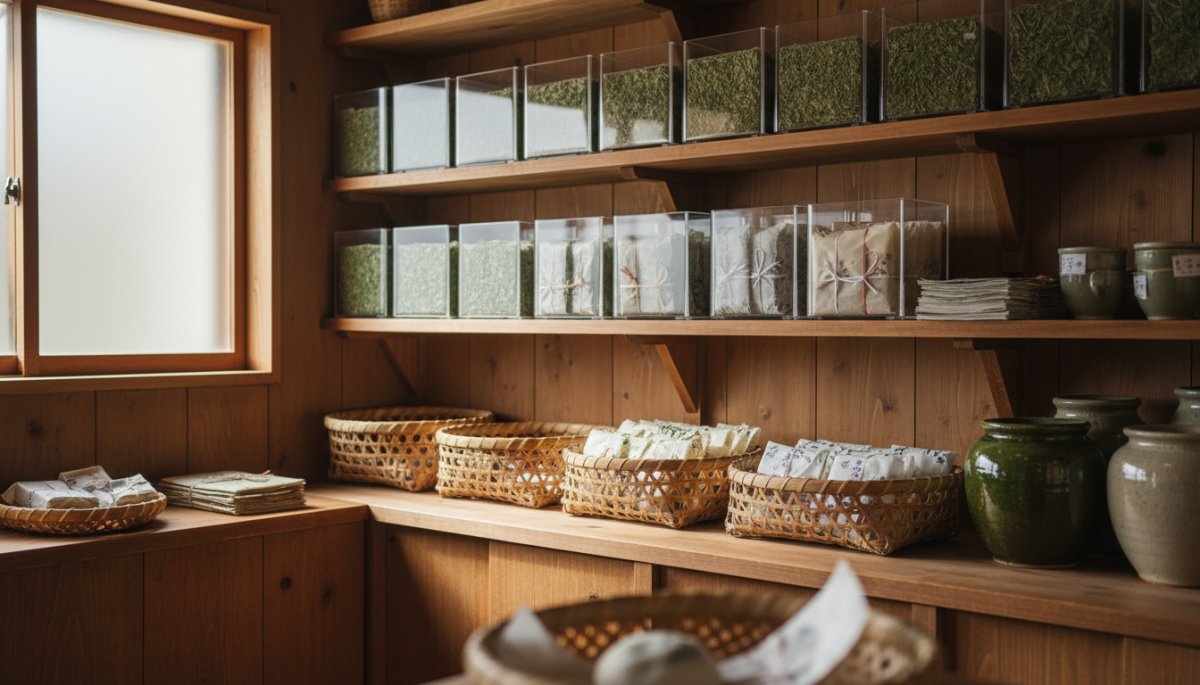
Dried oak leaves and the like should be stored in a cool, dark place, avoiding moisture. Placing them in an airtight container prevents aroma deterioration and enables long-term storage. After opening, we recommend using them up promptly.
保管場所の温度にも気を配ります。高温多湿を避け、風通しの良い場所を選びましょう。
Storage Method for Fresh and Salt-Cured Leaves
特選柏青葉や殺菌煮柏の保存条件は、規格書でご確認ください。
Practical Techniques for Inventory Management
With bundle-unit purchasing, first-in, first-out is the basic rule for inventory. Using older stock first minimizes waste. It is a good idea to create an inventory management sheet that clearly records the arrival date and the use-by date.
季節商品の場合は、需要予測をもとに発注計画を立てます。過去の販売データを分析し、適切な発注量を見極めましょう。
繁忙期に向けた発注の段取り
Demand Forecasting and Order Timing
柏餅は端午の節句、笹餅は夏季に需要が集中します。繁忙期の発注時期は品目ごとに違うため、前年の実績をもとに早めに仕入れ先と調整してください。早期発注により、品質の良い原料を確保できる可能性が高まります。
The supply situation for raw materials can also fluctuate due to weather and social conditions. Securing multiple suppliers makes it possible to diversify risk.
発注量と在庫のバランス
束単位での大量発注は、単価を抑える効果があります。ただし、過剰在庫は品質劣化や廃棄ロスにつながるため、適正量を見極めて発注します。
By understanding the bundle unit for wagashi raw materials and practicing proper ordering and storage management, you can achieve high-quality wagashi making. At Minoyo, we offer an abundant range of wagashi raw materials, including oak leaves and bamboo leaf (sasa).
See Minoyo's Product List Here
📦 Related Minoyo Products
Please feel free to consult us about commercial procurement and sample requests
美濃与は京都に拠点を置く京菓子原材料の専門商社です。本記事で取り上げた原料の業務用調達や、お試しサンプル、ロット・規格のご相談など、和菓子製造の現場に寄り添った提案を行っています。
For Minoyo's business and strengths, please see Our Business & Why We Are Chosen . For the actual flow of doing business, see Ordering Process & How to Order; for questions, we have compiled them at Frequently Asked Questions . For individual consultations, please use Contact or material download to get in touch.